Table of Contents
Dutch Dragon is a hybrid cannabis strain, known for its well-balanced effects and robust flavor profile. It is a Sativa-dominant strain, although it features enough Indica influence to produce a well-rounded experience. Known for its high THC content, Dutch Dragon is sought after for both recreational and medicinal purposes. Its origins trace back to the Netherlands, and it has since gained recognition in the cannabis community for its potency and versatility.
Genetic Composition
Dutch Dragon is a hybrid strain with a slight Sativa dominance. It is typically bred from a mix of several cannabis strains, often including landrace genetics. Although the exact lineage can vary slightly depending on the breeder, Dutch Dragon is most commonly derived from the following genetics:
- Sativa-Dominant: With a higher percentage of Sativa genetics, Dutch Dragon leans toward producing uplifting, cerebral effects that stimulate creativity and mood enhancement.
- Indica Influence: The strain also incorporates some Indica genetics, contributing to body relaxation and a mild sedative effect.
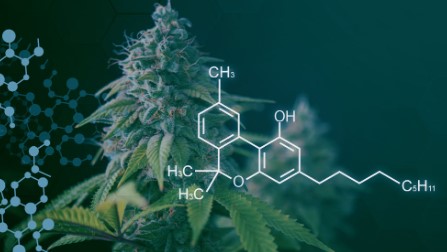
Commonly, Dutch Dragon has THC levels ranging from 18-22%, although some phenotypes may have higher or lower concentrations. The strain typically has a low CBD content, making it better suited for individuals seeking the psychoactive and medicinal benefits of THC.
Physical Appearance
Dutch Dragon plants tend to grow tall with long, dense buds covered in a layer of trichomes. The buds are typically bright green with orange pistils weaving throughout. The leaves of the plant are long and narrow, a characteristic typical of Sativa-dominant strains. Some phenotypes may show hints of purple, especially when exposed to cooler temperatures.
Aroma and Flavor Profile
Dutch Dragon is known for its complex aroma and flavor, which is a blend of earthy, citrus, and floral notes. The scent has a strong citrus influence, often likened to a combination of lemon and lime with a spicy, herbal undertone. When smoked or vaporized, the flavor mirrors the aroma, offering a sweet, citrusy taste with notes of flowers and pine.
Effects: Recreational Uses
Dutch Dragon’s effects are primarily uplifting, energizing, and euphoric, making it an excellent strain for recreational users looking for an active, stimulating experience. Below are the key effects reported by users:

- Mental Clarity: Dutch Dragon is known for its ability to enhance focus and creativity, making it ideal for tasks that require concentration or artistic endeavors. Many users report an improved ability to engage in problem-solving or brainstorming activities.
- Mood Enhancement: The strain provides a strong mood lift, often inducing a feeling of euphoria and happiness. It can help combat feelings of stress, anxiety, and depression by promoting a positive outlook and light-heartedness.
- Social Interactions: Thanks to its euphoric and uplifting effects, Dutch Dragon is an excellent strain for socializing. It may increase sociability and chatter, making it suitable for gatherings or casual hangouts.
- Increased Energy: The Sativa-dominant genetics provide an energizing effect, making it a good choice for daytime use or when looking for an extra burst of motivation.
However, despite its energetic qualities, the strain typically avoids causing paranoia or anxiety, which can sometimes accompany high-THC strains. This makes Dutch Dragon a suitable choice for a wide range of users.
Effects: Medical Uses
Dutch Dragon has gained recognition for its therapeutic benefits, making it a popular choice among medical marijuana patients. Here’s a closer look at the medical applications of the strain:
- Mood Disorders: Due to its uplifting effects, Dutch Dragon is often used to alleviate symptoms of mood disorders such as depression, anxiety, and stress. Its euphoric and uplifting qualities can help elevate the mood and provide emotional relief.
- Chronic Stress: The strain’s ability to provide relaxation and clear the mind makes it effective for individuals struggling with chronic stress. It can help reduce the mental burden of daily pressures and promote a sense of calm.
- Fatigue: Dutch Dragon’s energizing properties can be helpful for individuals dealing with chronic fatigue or low energy levels. It can provide a natural boost without the jitteriness associated with caffeine.
- Pain Relief: The mild Indica influence of Dutch Dragon offers some analgesic properties. It can be helpful for managing mild to moderate pain, particularly pain associated with conditions like arthritis or muscle soreness.
- Headaches and Migraines: Some users find relief from tension headaches or migraines when using Dutch Dragon, thanks to its combination of mood-enhancing and muscle-relaxing effects.
- Appetite Stimulation: Dutch Dragon has been known to increase appetite, which may benefit patients undergoing therapies such as chemotherapy or eating disorder treatment.
Terpene Profile
Dutch Dragon’s aroma and effects are influenced by its terpene profile. Terpenes are organic compounds found in cannabis that contribute to the strain’s flavor, aroma, and therapeutic effects. Key terpenes found in Dutch Dragon include:
- Limonene: This citrus-scented terpene is abundant in Dutch Dragon and contributes to the strain’s uplifting and mood-enhancing properties. It is also known for its potential anti-anxiety and anti-depressant effects.
- Pinene: Responsible for the strain’s piney aroma, pinene is known for its anti-inflammatory and bronchodilator effects, which can help with respiratory issues.
- Myrcene: While more common in Indica-dominant strains, myrcene can still be found in Dutch Dragon in smaller quantities. It has a calming effect on the body and is often associated with pain relief and muscle relaxation.
- Terpinolene: This terpene offers floral, herbal, and citrus notes. It is known for its calming and anti-inflammatory properties, making it a useful compound for patients managing stress or discomfort.
Growing Dutch Dragon Cannabis
Cultivation: Key Insights
1. Genetics and Growth Characteristics
- Hybrid Type: Sativa-dominant hybrid, tall growth with narrow leaves.
- Flowering Time: 9-10 weeks (longer due to Sativa genetics).
- Growth Pattern: Stretching during vegetative phase, requires space.
2. Ideal Growing Conditions
- Temperature:
- Day: 70-85°F (21-29°C).
- Night: 60-70°F (15-21°C).
- Humidity:
- Vegetative: 50-60%.
- Flowering: 40-50%.
- Light:
- Photoperiod: 12 hours light/dark.
- High light intensity (MH for veg, HPS for flower, or Full-Spectrum LED).
3. Soil and Nutrients
- Soil pH: 6.0-7.0 (slightly acidic).
- Soil Type: Well-drained, organic soil (e.g., compost, worm castings).
- Nutrients:
- Veg Stage: High nitrogen (N).
- Flower Stage: More phosphorus (P) and potassium (K).
- Micronutrients: Calcium, magnesium, sulfur.
4. Training Techniques
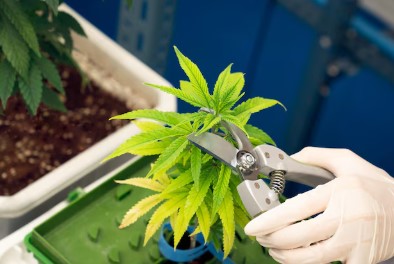
- Low Stress Training (LST): Bend and tie down branches for even growth.
- Topping/Fimming: Top the plant to promote lateral growth.
- Screen of Green (ScrOG): Horizontal growth to maximize light exposure.
5. Harvesting and Yield
- Harvest Timing: Trichomes should be cloudy with some amber.
- Flushing: 2 weeks before harvest to remove residual nutrients.
- Drying/Curing: Dry for 7-14 days; cure for several weeks.
- Yield:
- Indoor: 1-1.5 grams per watt.
- Outdoor: 400-600 grams per plant.
6. Pests and Disease Management
- Pests: Aphids, spider mites.
- Prevention: Clean environment, good air circulation.
- Biological Control: Beneficial insects (ladybugs, predatory mites).
- Mold/Fungal: Reduce humidity and increase airflow.
Methods of Ingestion, Duration, and Onset
1. Methods of Ingestion
There are several ways to consume Dutch Dragon cannabis, each affecting the onset, intensity, and duration of its effects. Below are the primary methods:
1.1 Smoking
- Description: The most traditional method, where dried and cured buds are lit and inhaled through joints, pipes, or bongs.
- Onset: Rapid onset, typically within 2-3 minutes.
- Duration: Effects last between 1-3 hours, depending on dosage and tolerance.
- Notes: Smoking allows for immediate relief, but it can irritate the lungs. It is a quick way to gauge the strain’s effects.
1.2 Vaporizing
- Description: Vaporizing heats the cannabis to a temperature that releases the cannabinoids and terpenes without combustion.
- Onset: Onset is quicker than edibles but slower than smoking, typically within 5-10 minutes.
- Duration: Effects last 2-3 hours.
- Notes: Vaporizing is a healthier alternative to smoking as it produces fewer toxins. It allows for better control of temperature and flavor.
1.3 Edibles
- Description: Dutch Dragon can be infused into edibles, such as gummies, brownies, or capsules. The THC is metabolized by the liver.
- Onset: Slower onset, typically between 30-90 minutes.
- Duration: Effects last 4-8 hours, depending on the dose.
- Notes: Edibles provide a more potent and longer-lasting effect due to the metabolism process in the liver. However, it can be difficult to judge the appropriate dose.
1.4 Tinctures and Oils
- Description: Tinctures and oils are concentrated cannabis extracts, often taken sublingually (under the tongue).
- Onset: Faster than edibles, typically within 15-30 minutes.
- Duration: Effects typically last 3-4 hours.
- Notes: Tinctures are discreet and allow for more precise dosage control. Sublingual absorption allows cannabinoids to enter the bloodstream directly.
1.5 Topicals
- Description: Cannabis-infused creams, lotions, or balms are applied directly to the skin.
- Onset: Effects may take 15-30 minutes to begin, but they are localized and non-psychoactive.
- Duration: Can last 2-6 hours, depending on the product.
- Notes: Topicals are ideal for localized pain or inflammation relief. They do not produce the psychoactive effects associated with other ingestion methods.
2. Onset of Effects
The onset of Dutch Dragon’s effects varies based on the method of ingestion:
2.1 Smoking/Vaporizing
- Onset Time: Effects typically begin within 2-10 minutes.
- Experience: Due to the rapid absorption of cannabinoids through the lungs, users feel the effects almost immediately. The initial onset includes an uplifting cerebral high, with clear-headedness and increased energy.
2.2 Edibles
- Onset Time: Effects begin after 30 minutes to 2 hours, with peak effects around 1.5-3 hours after consumption.
- Experience: The high is often more intense and long-lasting than smoking, as the THC is metabolized by the liver, converting it into 11-hydroxy-THC, which has stronger psychoactive effects. This process can lead to a more profound, sedative experience, particularly at higher doses.
2.3 Tinctures/Oils
- Onset Time: Effects can begin within 15-30 minutes when taken sublingually.
- Experience: The effects are more controlled and faster-acting compared to edibles but may take longer than smoking. Users typically experience a steady onset of euphoria, creativity, and mood enhancement.

2.4 Topicals
- Onset Time: Effects are felt within 15-30 minutes after application.
- Experience: Topicals provide localized relief, often for pain, inflammation, or muscle soreness. These effects are non-psychoactive and are focused on the targeted area, such as the skin or joints.
3. Duration of Effects
The duration of Dutch Dragon’s effects depends on the method of ingestion and dosage:
3.1 Smoking/Vaporizing
- Duration: 1-3 hours.
- Experience: The effects wear off relatively quickly, with a smooth comedown. Smoking and vaporizing produce shorter-lasting effects, ideal for daytime use.
3.2 Edibles
- Duration: 4-8 hours.
- Experience: Edibles tend to produce a longer-lasting effect, as the THC is metabolized more slowly in the body. The high may be more intense and come with a gradual comedown.
3.3 Tinctures/Oils
- Duration: 3-4 hours.
- Experience: Tinctures offer a balanced duration between smoking and edibles, with steady, clear-headed effects that last a moderate amount of time.
3.4 Topicals
- Duration: 2-6 hours.
- Experience: Topical effects tend to last a few hours, providing relief from localized pain or inflammation without affecting the user’s mental state.
4. Factors Influencing Duration and Onset
Several factors can influence how quickly and how long the effects of Dutch Dragon last:
4.1 Dosage
- Higher doses generally result in more intense effects and longer durations, particularly with edibles and tinctures.
- Lower doses tend to have a quicker onset and shorter duration.
4.2 Tolerance
- Users with a higher THC tolerance may experience a slower onset and shorter duration of effects.
- Those with low tolerance may experience quicker onset and longer-lasting effects, even with smaller doses.
4.3 Individual Metabolism
- People with faster metabolism may feel the effects of cannabis more quickly, but the effects may also wear off sooner.
- Those with slower metabolism may experience a delayed onset but longer-lasting effects.
4.4 Method of Consumption
- Smoking and vaporizing offer faster onset but shorter duration.
- Edibles and tinctures provide slower onset but more prolonged effects.
Summary of Ingestion, Onset, and Duration
| Method | Onset | Duration | Notes |
|---|---|---|---|
| Smoking/Vaporizing | 2-10 minutes | 1-3 hours | Rapid onset, fast-acting, ideal for quick relief. |
| Edibles | 30-90 minutes | 4-8 hours | Longer duration, potent effects, slower onset. |
| Tinctures/Oils | 15-30 minutes | 3-4 hours | Fast onset compared to edibles, controlled dosing. |
| Topicals | 15-30 minutes | 2-6 hours | Non-psychoactive, localized effects for pain relief. |
Side Effects
Like all cannabis strains, Dutch Dragon is not without its potential side effects. While it is generally well-tolerated, some users may experience the following:
- Dry Mouth: A common side effect of many cannabis strains, Dutch Dragon may cause cottonmouth, or dry mouth, which can be alleviated by staying hydrated.
- Dry Eyes: Some users may experience dry or irritated eyes when using Dutch Dragon, though this can be mitigated by using eye drops.
- Paranoia or Anxiety: Although rare, particularly in lower doses, some individuals may experience mild paranoia or anxiety, especially if they are sensitive to high-THC strains.
- Headaches: Some users report headaches, though this is not a widespread issue. Ensuring proper hydration and moderation of intake may help mitigate this.
Conclusion
Dutch Dragon is a versatile, Sativa-dominant hybrid that offers a range of recreational and medicinal benefits. Its uplifting effects make it a popular choice for daytime use, promoting creativity, focus, and social interaction. Medically, it provides relief from mood disorders, chronic stress, pain, and fatigue, making it a valuable tool in the cannabis medicinal toolkit.
Its unique flavor and aroma, which combines citrus, pine, and floral notes, along with its potent THC content, make it a favorite for those seeking both therapeutic relief and a pleasurable cannabis experience. As with any strain, it’s important to consider individual tolerance levels, as the potency of Dutch Dragon can vary.
In summary, Dutch Dragon is a well-rounded strain with a strong therapeutic profile, ideal for a variety of users. Whether for managing medical conditions or enhancing recreational activities, Dutch Dragon stands out as a reliable and effective cannabis strain.
For a complete directory of cultivars, visit our Cannabis Strain Reviews.
