Table of Contents
Dream Berry is a hybrid cannabis strain celebrated for its unique blend of effects, rich terpene profile, and versatile applications. A cross between the famed Blue Dream and Berry White strains, Dream Berry inherits desirable characteristics from both parents, resulting in a well-balanced hybrid with a slight sativa dominance. This strain has gained popularity among both recreational users and medical patients due to its uplifting effects and diverse therapeutic potential. Below, we explore the detailed scientific composition, medical applications, recreational benefits, and cultivation aspects of Dream Berry.
Genetic Background and Composition
Dream Berry is derived from two iconic strains:
- Blue Dream: A sativa-dominant hybrid known for its euphoric, creative, and energizing effects.
- Berry White: An indica-dominant strain celebrated for its calming and relaxing properties.
The fusion of these genetics produces a strain with an approximate 60:40 sativa-to-indica ratio. Dream Berry typically contains a THC content ranging from 18% to 24%, making it potent but manageable for most users. Its CBD levels are relatively low, usually under 1%, but its therapeutic effects are amplified by its diverse terpene profile.
Terpene Profile
The terpene composition of Dream Berry contributes significantly to its aroma, flavor, and effects. The most prominent terpenes include:
- Myrcene: Known for its sedative and relaxing properties, myrcene provides an earthy and herbal undertone.
- Limonene: Contributing citrusy and uplifting notes, limonene enhances mood and reduces stress.
- Pinene: With its fresh pine aroma, pinene offers potential anti-inflammatory and cognitive-enhancing benefits.
- Caryophyllene: This spicy, peppery terpene has anti-inflammatory and analgesic properties.
- Linalool: Adding floral and lavender-like tones, linalool promotes relaxation and stress relief.
This complex terpene profile not only defines the sensory experience of Dream Berry but also plays a role in its therapeutic applications through the entourage effect.
Medical Applications
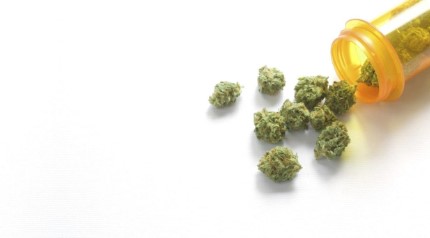
Dream Berry’s balanced effects make it suitable for a variety of medical conditions. Here are some of its specific uses:
- Mental Health Disorders
- Anxiety and Stress: The presence of limonene and linalool helps alleviate symptoms of anxiety and stress, promoting a sense of calm and relaxation without excessive sedation.
- Depression: The uplifting and mood-enhancing properties of Dream Berry make it a popular choice for individuals managing depression. Its sativa dominance ensures an energizing and optimistic high.
- Pain Management
- Dream Berry’s high THC content and the presence of caryophyllene provide significant analgesic effects, making it effective for managing chronic pain, migraines, and muscle spasms.
- Sleep Disorders
- For individuals with insomnia, Dream Berry offers mild sedative effects due to its myrcene content. While not as potent as pure indica strains, it can help users unwind and achieve restful sleep when consumed in higher doses.
- Neurological Disorders
- Patients with conditions like multiple sclerosis or epilepsy may benefit from Dream Berry’s muscle-relaxing and anti-inflammatory properties. Though low in CBD, its terpenes and THC contribute to neurological symptom relief.
- Appetite Stimulation
- Dream Berry is effective in addressing appetite loss, often benefiting patients undergoing chemotherapy or those with eating disorders like anorexia.
Recreational Uses
Dream Berry is equally favored by recreational users for its versatile effects:
- Euphoric and Uplifting High
- The initial effects are characterized by a cerebral buzz, enhancing creativity, focus, and sociability. It’s ideal for daytime use when productivity and positivity are desired.
- Relaxation Without Sedation
- As the high progresses, the indica lineage provides a gentle body relaxation that complements the mental stimulation, making it suitable for unwinding after a long day.
- Flavor and Aroma
- Dream Berry offers a sensory delight with its sweet berry and citrus flavors complemented by earthy and floral undertones. The aroma is similarly enticing, with fruity and herbal notes that make each session enjoyable.
- Social Activities
- Its balanced effects make Dream Berry a great choice for social gatherings, where it can enhance conversation and enjoyment without overwhelming sedation or paranoia.
Scientific Insights and Mechanisms
The effects of Dream Berry can be attributed to its chemical composition and the interaction of cannabinoids and terpenes with the endocannabinoid system (ECS). Here are some key scientific aspects:
- THC Interaction
- THC binds to CB1 receptors in the brain, leading to psychoactive effects such as euphoria and relaxation. This interaction also modulates pain perception, appetite, and mood.
- Entourage Effect
- The combination of cannabinoids and terpenes enhances the overall therapeutic potential of Dream Berry. For instance, caryophyllene’s ability to bind to CB2 receptors adds anti-inflammatory benefits to the strain’s profile.
- Neuroprotective Properties
- Studies suggest that strains high in pinene and THC may offer neuroprotective benefits by reducing oxidative stress and inflammation in the brain.
- Terpene Synergy
- The presence of multiple terpenes allows Dream Berry to target a wide range of symptoms. For example, limonene and linalool work together to reduce anxiety, while myrcene and caryophyllene provide pain relief and relaxation.
Optimizing Growing Conditions
- Light Requirements:
- Dream Berry benefits from a well-controlled light cycle. During the vegetative stage, it thrives under 18–24 hours of light per day, mimicking long summer days.
- For the flowering stage, shift to 12 hours of light and 12 hours of darkness, which signals the plant to begin bud production.
- Light intensity: High-intensity discharge (HID) lamps like HPS or LEDs are recommended for indoor growth to maximize light penetration.
- Temperature and Humidity:
- Optimum temperature range: 21°C to 27°C (70°F to 80°F).
- During flowering, lower night temperatures slightly (65°F to 75°F) to encourage terpene production.
- Humidity levels:
- Vegetative stage: 50–70% relative humidity.
- Flowering stage: 40–50% to prevent mold and mildew on dense buds.
- Air Circulation:
- Mold and bugs can be avoided with proper ventilation. Use oscillating fans to maintain air circulation.
- CO₂ enrichment (800–1200 ppm) can enhance photosynthesis and lead to faster growth and higher yields.
Soil and Growing Mediums
- Soil:
- Dream Berry performs well in organic, nutrient-rich soil with good aeration.
- pH range: 6.0 to 6.5. Test soil regularly to ensure proper pH levels.
- Add amendments like compost, worm castings, or bat guano for sustained nutrient release.
- Hydroponics:
- Growing Dream Berry in a hydroponic system (e.g., Deep Water Culture or Ebb and Flow) allows precise nutrient and water delivery.
- Advantages: Faster growth, higher yields, and better control over nutrient levels.
- Disadvantage: Requires more technical expertise and constant monitoring of pH (5.5–6.0) and nutrient concentrations.
- Coco Coir:
- Coco coir is a great alternative medium for Dream Berry cultivation. It retains water while allowing adequate oxygenation to roots.
- Combine coco coir with perlite for optimal drainage.
Nutrient Management
- Macronutrients:
- Nitrogen (N): Vital for the formation of leaves and stems during the vegetative stage.
- Phosphorus (P): Crucial during the flowering stage for bud development and resin production.
- Potassium (K): Aids overall plant health, stress resistance, and flowering.
- Micronutrients:
- Ensure availability of calcium, magnesium, sulfur, and trace elements like zinc and iron.
- Supplement with Cal-Mag products if signs of deficiency (e.g., leaf discoloration or curling) appear.
- Feeding Schedule:
- Use cannabis-specific fertilizers and follow a structured feeding schedule, adjusting according to the plant’s growth stage.
- Avoid overfeeding to prevent nutrient burn; always start with lower concentrations and increase gradually.
Watering Practices
- Frequency:
- Only water until the growing medium’s top inch feels completely dry. Overwatering can lead to root rot.
- During the flowering stage, reduce watering slightly to stress the plant mildly, encouraging resin production.
- Water Quality:
- Use filtered or dechlorinated water. High chlorine levels can harm beneficial soil microbes.
- Maintain water pH between 6.0 and 6.5 for soil grows and 5.5 to 6.0 for hydroponics.
Pruning and Training
- Pruning:
- To focus energy on healthy growth, remove any leaves that are yellowing or damaged.
- Thin out lower branches (lollipopping) to focus nutrient flow on the main colas.
- Training:
- Low-Stress Training (LST): Gently bend branches to create a flat canopy and improve light exposure.
- Topping and FIMing: Pinch or cut the main stem to encourage the development of multiple colas.
- Screen of Green (ScrOG): Use a screen to train branches horizontally, maximizing light use and increasing yield in small spaces.
Flowering and Harvesting
- Flowering Period:
- Dream Berry’s flowering stage lasts 8 to 10 weeks. Monitor bud development closely during this period.
- Use magnification tools to examine trichomes. Harvest when most trichomes are cloudy, with some turning amber for the best THC content.
- Flushing:
- Flush plants with pure water 1–2 weeks before harvest to remove excess nutrients and improve the final flavor and smoke quality.
- Harvesting:
- Cut plants during the early morning or before lights turn on to preserve terpene profiles.
- Handle buds gently to prevent trichome loss.
Post-Harvest: Drying and Curing
- Drying:
- Hang trimmed buds upside down in a dark, well-ventilated space with temperatures around 60°F to 70°F and humidity of 50–60%.
- Drying usually takes 7–14 days, depending on conditions.
- Curing:
- Place dried buds in airtight glass jars, opening them daily during the first week to release excess moisture (“burping”).
- Maintain jars in a cool, dark place with stable humidity around 55–62%.
- Cure for at least 2–4 weeks to enhance potency, flavor, and smoothness.
Pest and Disease Management
- Common Pests:
- Spider Mites: Prevent with regular foliar sprays and maintain good airflow.
- Aphids: Use insecticidal soap or neem oil.
- Fungus Gnats: Allow soil to dry out between waterings and use sticky traps.
- Mold and Mildew: Maintain low humidity during flowering and ensure proper air circulation. Inspect plants regularly for early signs of powdery mildew or bud rot.
- Organic Solutions: Introduce beneficial insects like ladybugs or predatory mites.
- Apply natural fungicides or pest repellents if necessary. By following these scientifically grounded cultivation methods, growers can optimize Dream Berry’s potential, ensuring a high-quality yield rich in cannabinoids and terpenes.
Methods of Ingestion
- Smoking:
- Description: Burning the cannabis flower and inhaling the smoke, often via joints, pipes, or bongs.
- Onset: Effects typically begin within 1-5 minutes due to rapid absorption in the lungs.
- Duration: The high usually lasts 1-3 hours, with peak effects occurring within the first hour.
- Effects: Provides an immediate cerebral buzz followed by a gradual body relaxation. Smoking preserves some terpenes, enhancing flavor and aroma.
- Considerations: Smoking can irritate the lungs, and frequent use may lead to respiratory issues.
- Vaporization:
- Description: Cannabis flower or concentrates can be heated to release terpenes and cannabinoids without burning.
- Onset: Effects begin within 1-5 minutes, similar to smoking.
- Duration: Effects last about 2-3 hours, slightly longer than smoking due to more efficient THC absorption.
- Effects: Cleaner, smoother inhalation with a more pronounced terpene profile, offering a flavorful and potent experience.
- Considerations: Vaporizers reduce exposure to harmful byproducts of combustion and are a preferred method for health-conscious users.
- Edibles:
- Description: Consuming cannabis-infused foods or beverages, where THC is metabolized by the liver into 11-hydroxy-THC, a more potent compound.
- Onset: Takes 30-90 minutes to feel effects due to digestion and metabolic processing.
- Duration: Effects last 4-8 hours, with some residual effects persisting up to 12 hours in higher doses.
- Effects: A stronger body high with a delayed onset, making it ideal for long-lasting relief or relaxation. An overpowering experience might result from overindulging.
- Considerations: Dose carefully, starting with 2.5–5 mg of THC for beginners, as effects are harder to predict and control.
- Tinctures and Sublingual Drops:
- Description: Cannabis extracts dissolved in alcohol or oil, administered under the tongue for absorption through oral mucosa.
- Onset: Effects are noticeable within 15-30 minutes as cannabinoids bypass the digestive system.
- Duration: Effects last 3-6 hours, offering a balance between the immediacy of inhalation and the longevity of edibles.
- Effects: Precise dosing with a faster onset compared to edibles; effects range from uplifting to relaxing depending on dose and strain.
- Considerations: Ensure consistent shaking of tincture bottles to evenly distribute cannabinoids.
- Topicals:
- Description: Cannabis-infused creams, balms, or patches applied to the skin for localized relief.
- Onset: Effects typically begin within 15-30 minutes.
- Duration: Relief lasts 2-4 hours depending on the formulation.
- Effects: Ideal for localized pain, inflammation, or skin conditions. Non-psychoactive unless paired with transdermal delivery systems that allow THC absorption into the bloodstream.
- Considerations: Effective for medical applications without causing intoxication.
- Dabbing:
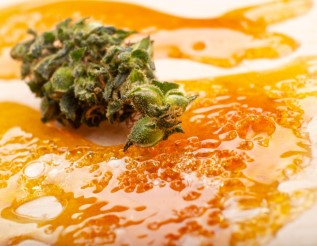
- Description: Vaporizing cannabis concentrates (e.g., wax, shatter, live resin) on a heated surface and inhaling the vapor.
- Onset: Effects are felt within 1-3 minutes due to high THC concentrations.
- Duration: The high typically lasts 1-3 hours, depending on dosage and tolerance.
- Effects: Intense and immediate euphoria, with effects heavily influenced by the terpene profile of the concentrate.
- Considerations: Suitable for experienced users due to high potency.
Onset and Duration by Method
| Method | Onset Time | Peak Effects | Total Duration | Key Features |
|---|---|---|---|---|
| Smoking | 1-5 minutes | 15-30 minutes | 1-3 hours | Immediate effects, high THC absorption. |
| Vaporization | 1-5 minutes | 20-40 minutes | 2-3 hours | Smoother and more efficient THC delivery. |
| Edibles | 30-90 minutes | 2-4 hours | 4-8 hours | Strong, prolonged body effects. |
| Tinctures | 15-30 minutes | 30-90 minutes | 3-6 hours | Faster onset than edibles, easy dosing. |
| Topicals | 15-30 minutes | N/A | 2-4 hours | Non-psychoactive, localized relief. |
| Dabbing | 1-3 minutes | 15-30 minutes | 1-3 hours | Extremely potent and fast-acting. |
Effects by Dose
- Low Dose (1-5 mg THC):
- Effects: Mild euphoria, improved focus, subtle relaxation.
- Suitable for beginners or microdosing for anxiety relief without intoxication.
- Moderate Dose (5-15 mg THC):
- Effects: Balanced cerebral and body high, enhanced creativity, moderate pain relief.
- Ideal for recreational use or addressing mild to moderate medical symptoms.
- High Dose (15-30 mg THC):
- Effects: Strong euphoric high, significant body relaxation, potential couch-lock.
- Suitable for experienced users or for managing severe symptoms like chronic pain or insomnia.
- Very High Dose (30+ mg THC):
- Effects: Intense psychoactive effects, potentially overwhelming for most users.
- Typically reserved for those with high tolerance or severe medical needs.
Effects of Dream Berry: Terpene and Cannabinoid Interactions

- Initial Cerebral Buzz:
- Mechanism: THC binds to CB1 receptors in the brain, triggering euphoria, heightened senses, and increased creativity.
- Terpenes like limonene enhance mood, while pinene promotes alertness and mental clarity.
- Body Relaxation:
- Mechanism: The gradual onset of myrcene’s sedative effects complements THC’s physical relaxation properties.
- Perfect for reducing stress, chronic pain, and tense muscles.
- Mood Elevation:
- Mechanism: Linalool and limonene synergize to reduce anxiety and uplift mood. Caryophyllene’s anti-inflammatory properties add to the sense of overall well-being.
- Prolonged Relief (High Doses):
- Mechanism: High doses amplify THC’s effects on appetite stimulation and pain relief. This is particularly useful for patients undergoing chemotherapy or those with severe chronic conditions.
User Reviews and Feedback
Dream Berry has garnered positive feedback from both medical and recreational users. Commonly reported experiences include:
- Positives: Uplifting mood, enhanced creativity, gentle body relaxation, and pleasant flavor.
- Negatives: Mild dry mouth and dry eyes; occasional dizziness or anxiety in inexperienced users or when consumed in high doses.
Conclusion
Dream Berry is a versatile hybrid strain that caters to a wide audience, from medical patients seeking relief from various conditions to recreational users looking for a balanced and enjoyable experience. Its rich genetic heritage, combined with a robust terpene profile and manageable cultivation requirements, makes it a standout strain in the cannabis community. Whether you’re drawn to its therapeutic potential or its uplifting recreational effects, Dream Berry is a strain worth exploring for its unique blend of qualities.
For a complete directory of cultivars, visit our Cannabis Strain Reviews.
