Table of Contents
Dragon’s Breath is a relatively potent and highly regarded hybrid cannabis strain, known for its unique combination of effects, appealing aroma, and medical benefits. While it has not yet reached the mainstream recognition of some other strains, it has garnered attention for its impressive potency and therapeutic qualities. This strain is a cross between two powerful parents, contributing to both its THC content and its therapeutic potential. In this article, we will explore Dragon’s Breath in detail, covering its genetic lineage, physical appearance, aroma, flavor profile, cultivation requirements, and the scientific basis behind its effects. Special attention will be given to the strain’s medical and recreational uses.
Genetic Background and Lineage
Dragon’s Breath is typically described as a hybrid strain, meaning it is a cross of both Indica and Sativa genetics. The exact lineage can vary slightly depending on the breeder, but generally, it is thought to be a cross between Shiva Skunk and Blueberry, two well-known strains in the cannabis world.
- Shiva Skunk: Known for its high THC content, Shiva Skunk is an Indica-dominant strain that offers relaxing, sedative effects. It has a pungent aroma and a rich, earthy flavor.
- Blueberry: A popular hybrid strain, Blueberry is known for its sweet and fruity aroma. It delivers calming and euphoric effects, contributing to Dragon’s Breath’s well-rounded experience.
Physical Appearance and Aroma
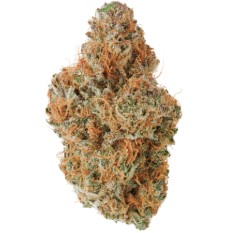
Dragon’s Breath typically has a visually appealing appearance, with dense, resinous buds that are light green with dark orange pistils. Frequently, a layer of icy trichomes covers the buds, giving them a sticky, almost crystalline texture. The flowers are dense, with a medium to large size, making them suitable for extraction processes.
The aroma of Dragon’s Breath is often described as a pungent blend of earthy and sweet scents, with hints of fruit and spice. It has a distinct and overpowering fragrance that can be quite strong, particularly when the buds are broken apart. Some users describe it as having a smoky or incense-like quality, which is where the strain gets its “Dragon’s Breath” moniker.
On the flavor side, Dragon’s Breath typically delivers a smooth, slightly sweet, and herbal experience. The taste may carry some fruity notes inherited from its Blueberry parent, along with hints of skunky earthiness and a slightly spicy aftertaste.
THC and CBD Content
One of the defining features of Dragon’s Breath is its potency. This strain often contains a THC content ranging from 18% to 24%, making it relatively potent and suitable for users with a tolerance for high THC levels. The high THC content is likely the source of the strain’s intense effects, both recreationally and medicinally.
In contrast, the CBD content is generally quite low, ranging from 0.1% to 1%. This means that Dragon’s Breath is not likely to provide the therapeutic benefits typically associated with CBD, such as anti-inflammatory properties or anti-anxiety effects. Instead, it is primarily valued for its psychoactive effects due to the high THC levels.
Effects and Experience
Recreational Use:
Dragon’s Breath is primarily sought after for its recreational effects. The strain has a reputation for producing a potent high that can be felt quickly after consumption. Users often report an initial rush of euphoria, followed by a deep sense of relaxation. The cerebral effects can include creativity, introspection, and heightened sensory awareness, which are typical of strains that feature higher THC levels.
However, due to its potency, Dragon’s Breath is not recommended for novice users or those with a low tolerance to THC. Even experienced users may find the high to be quite intense and potentially overwhelming if consumed in excessive amounts. It is important to note that the strain’s effects are often described as balanced, in that they combine both heady cerebral effects and a relaxing body high. This makes Dragon’s Breath suitable for a wide range of recreational experiences, from social gatherings to solitary relaxation.
Many users describe the overall feeling as a comforting “couch-lock,” which can be enjoyable for people who want to relax after a long day. The strain’s euphoria is often paired with a light body buzz that melts away tension and stress, but without the heaviness or sedation that can sometimes accompany pure Indica strains.
Medical Use:
Dragon’s Breath has a variety of medical uses due to its potent effects, making it suitable for patients dealing with both physical and psychological conditions. The strain is commonly used for the following medical purposes:
- Stress Relief and Anxiety Reduction: The euphoria induced by Dragon’s Breath can be highly beneficial for people dealing with chronic stress or anxiety. The initial cerebral high helps uplift the mood, providing a mental escape from day-to-day worries. As the high progresses, the body relaxation effects come into play, providing a sense of calm that can soothe anxious thoughts.
- Chronic Pain Management: Due to its relaxing and soothing properties, Dragon’s Breath can be highly effective for individuals suffering from chronic pain, such as arthritis or fibromyalgia. The body high can relieve muscle tension and alleviate pain, making it a suitable choice for those with physical ailments.
- Depression and Mood Disorders: The uplifting and euphoric effects of Dragon’s Breath can help people dealing with depression or other mood disorders. By improving mood and boosting energy levels, it can provide temporary relief from feelings of sadness, low motivation, and apathy.
- Insomnia and Sleep Disorders: The strain’s relaxing qualities, along with the calming effects that settle in during the latter part of the high, can make Dragon’s Breath an effective remedy for insomnia. It can help induce sleep, allowing individuals with sleep disorders to get a good night’s rest.
- Appetite Stimulation: Like many other cannabis strains, Dragon’s Breath can increase appetite, which is beneficial for patients undergoing chemotherapy or those with conditions that lead to poor appetite and weight loss, such as cancer or HIV/AIDS.
- Muscle Spasms and Tension: For those suffering from muscle spasms or chronic tension, Dragon’s Breath can help by promoting a sense of calm and physical relaxation. Its sedative properties may help with muscle relaxation, providing relief from spasms and discomfort.
Scientific Basis of Effects
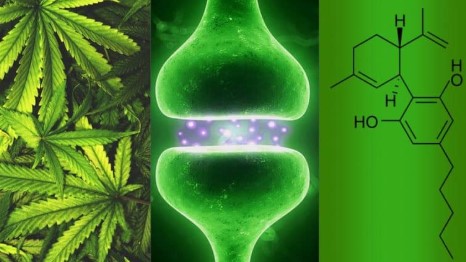
The effects of Dragon’s Breath are primarily driven by its high THC content. THC (tetrahydrocannabinol) is the main psychoactive compound in cannabis, and it binds to cannabinoid receptors in the brain, resulting in the “high” that users experience. This interaction affects several areas of the brain, including those responsible for mood, pain perception, and memory.
Research has shown that THC can also influence the release of neurotransmitters such as dopamine, it is connected to emotions of reward and pleasure. This is why Dragon’s Breath is often described as inducing an intense euphoria.
In terms of its physical effects, THC also interacts with the body’s endocannabinoid system (ECS), which helps regulate a variety of physiological functions such as pain, inflammation, and sleep. By influencing the ECS, Dragon’s Breath can lead to significant pain relief and muscle relaxation, which contribute to its popularity in medical cannabis applications.
Though Dragon’s Breath’s CBD content is low, CBD is another cannabinoid known for its potential therapeutic benefits, including anti-inflammatory and anti-anxiety effects. The low CBD content in this strain means that its effects are primarily THC-driven, which can explain its potent psychoactive and sedative qualities.
Cultivation of Dragon’s Breath
Dragon’s Breath is considered a moderately difficult strain to cultivate, requiring careful attention to environmental factors and cultivation practices. Like many hybrid strains, it benefits from a balanced approach to nutrients, temperature, and humidity levels.
1. Genetic Traits and Growth Characteristics
- Hybrid: Cross between Shiva Skunk (Indica-dominant) and Blueberry (Sativa-leaning hybrid).
- Growth Pattern: Dense, bushy, and slightly slow-growing structure. Requires balance between Indica and Sativa traits.
2. Cultivation Environments
Indoor Cultivation
- Temperature: Maintain between 68°F and 80°F (20°C to 27°C).
- Humidity:
- Vegetative phase: 40%-60%
- Flowering phase: 40%-50% (to prevent mold).
- Lighting: Full-spectrum lights (LED or HPS) with 18/6 light schedule (vegetative) and 12/12 light schedule (flowering).
- Airflow: Proper ventilation to prevent moisture buildup and mold.
Outdoor Cultivation
- Climate: Prefers warm climates, with temperatures between 68°F and 80°F (20°C to 27°C).
- Planting Time: Late spring or early summer (after frost).
- Pruning: Essential for shaping the plant and allowing light penetration.
3. Nutrient Requirements
- Vegetative Stage: Higher nitrogen (for leaf growth) and some phosphorus (for root development).
- Flowering Stage: Shift focus to phosphorus and potassium (for bud development). Reduce nitrogen.
- pH Levels:
- Soil: 6.0-6.5
- Hydroponics: 5.5-6.0
4. Training Techniques
- Low-Stress Training (LST): Gently bend branches to increase light exposure and plant spread.
- High-Stress Training (HST): Topping (cutting top branches) to promote multiple colas and increase yield.
- Screen of Green (ScrOG): Use a mesh screen to ensure even growth and maximize light penetration.

5. Harvesting and Post-Harvest
- Harvest Timing: When trichomes are mostly milky/cloudy with a few amber.
- Drying: Slow dry in a 60°F to 70°F (15°C to 21°C) environment with 45%-55% humidity.
- Curing: Use glass jars for 2-4 weeks to enhance aroma, flavor, and potency.
When it comes to the ingestion methods, onset, and duration of effects for Dragon’s Breath, it’s important to understand how the body processes cannabis and how the specific strain’s properties (particularly its high THC content) influence the experience. Below is a more scientific look at these factors:
1. Methods of Ingestion
Cannabis, including Dragon’s Breath, can be consumed in several ways, each affecting the onset and duration of its effects. The method of ingestion determines how quickly cannabinoids (mainly THC) enter the bloodstream and how long their effects last.
Smoking/Vaping
- Onset: Immediate to 5-10 minutes.
- When smoked or vaporized, THC quickly enters the bloodstream via the lungs, leading to a rapid onset of effects. The high usually peaks within 20-30 minutes and can last between 1-3 hours.
- Vaping can be a healthier option compared to smoking because it avoids combustion and the production of harmful tar.
Edibles
- Onset: 30 minutes to 2 hours.
- When consumed orally (in the form of edibles like baked goods, gummies, or tinctures), THC must first be metabolized by the liver. This delay results in a slower onset compared to smoking or vaping. However, the effects are often more intense and last longer due to THC being transformed into the more powerful 11-hydroxy-THC.
- The duration can last 4-6 hours, with the peak typically occurring around 2 hours after consumption.
Tinctures (Sublingual)
- Onset: 15-30 minutes.
- Tinctures are alcohol-based extracts of cannabis that are absorbed sublingually (under the tongue). This method allows the THC to bypass the digestive system and enter the bloodstream faster than edibles. The effects are felt more quickly, typically within 15-30 minutes, and can last around 2-4 hours.
Topicals
- Onset: Varies (localized, no psychoactive effects).
- Topicals such as creams, balms, and oils are applied directly to the skin. These are primarily used for localized pain relief or skin conditions. Since THC does not enter the bloodstream when applied topically, users do not experience psychoactive effects. They provide therapeutic benefits like muscle relaxation and anti-inflammatory effects.
2. Onset of Effects
The onset of effects from Dragon’s Breath will vary depending on the method of ingestion and individual factors such as metabolism, tolerance, and the environment. However, because this strain is known for its potent THC content, the onset of effects is typically fast when smoked or vaped.
- Smoking/Vaping: Within minutes, the first effects of Dragon’s Breath can be felt, usually as a wave of euphoria that washes over the user, followed by a sense of relaxation or a “head high.” The peak effect generally occurs within 20-30 minutes of consumption.
- Edibles: With edibles, the onset can take significantly longer, ranging from 30 minutes to 2 hours, as the THC needs to be metabolized by the liver before entering the bloodstream. Once it kicks in, the effects are often stronger and more sedative than those experienced via smoking or vaping.
- Tinctures: The onset of effects with tinctures is quicker than edibles, typically around 15-30 minutes. Because tinctures are absorbed through mucous membranes in the mouth, they are faster than edibles but not as immediate as smoking or vaping.
3. Duration of Effects
The duration of the effects from Dragon’s Breath is influenced by several factors, including the method of consumption and individual tolerance. Here’s a breakdown:
Smoking/Vaping
- Duration: Typically 1-3 hours.
- Smoking or vaping provides a quick onset of effects, but the high tends to be short-lived compared to other ingestion methods. The effects peak within 20 to 30 minutes, but users can expect the high to disappear in a few hours.
Edibles
- Duration: Can last 4-6 hours.
- The longer duration is due to the metabolism process. Once THC is metabolized by the liver, it becomes 11-hydroxy-THC, which has stronger and more prolonged effects. The high from edibles can be more intense but tends to last much longer than smoking or vaping.
Tinctures
- Duration: 2-4 hours.
- Tinctures provide a quicker onset than edibles but a somewhat shorter duration of effects compared to smoking. The duration is typically around 2-4 hours. The effects are less intense than edibles but still significantly potent.
4. Factors Affecting Onset and Duration
Several individual and environmental factors can influence how quickly the effects of Dragon’s Breath are felt and how long they last:
Metabolism
- People with a faster metabolism tend to feel the effects of cannabis more quickly and may process it more rapidly, leading to a shorter duration of effects.
Tolerance
- Regular cannabis users with higher THC tolerance may experience a delayed onset or a less intense high. In contrast, occasional users or those with low THC tolerance might experience stronger effects that last longer.
Body Fat and Weight
- Because THC is fat-soluble, it attaches itself to bodily fat molecules. Individuals with higher body fat may experience a slower onset and a more prolonged effect, as the THC is stored in fat cells and released more slowly over time.
Empty vs. Full Stomach
- Consuming cannabis on an empty stomach can speed up the onset of effects, as there is less competition for digestion. Conversely, a full stomach (especially with fats) can slow the process, particularly for edibles.
5. Potential Side Effects and Considerations
- Short-Term Side Effects: Common side effects of Dragon’s Breath include dry mouth, red eyes, and increased heart rate. The potency of this strain may lead to feelings of dizziness or paranoia, especially for novice users or those consuming excessive amounts.
- Cognitive Effects: As a high-THC strain, Dragon’s Breath can produce strong cerebral effects such as euphoria, creativity, and altered perception of time. Some users may experience slight cognitive impairment or memory lapses during the high.
- Tolerance: As with any cannabis strain, tolerance can build over time, meaning that regular users could need larger dosages to produce the same results. This is especially important when considering how much Dragon’s Breath to consume.
Conclusion
Dragon’s Breath is a potent, versatile cannabis strain that offers a balanced combination of recreational and medical benefits. Its euphoric, uplifting effects make it an appealing choice for recreational users, while its therapeutic potential for stress relief, pain management, and mood enhancement makes it valuable for medical patients. Though it is not as widely recognized as some other strains, its high THC content and distinct flavor profile make it a favorite among those who appreciate powerful, full-bodied effects.
The strain’s ability to induce both cerebral stimulation and physical relaxation gives it a broad range of potential uses, both in terms of personal enjoyment and medical relief. However, due to its potency, it is important for users to be mindful of their tolerance, especially when using Dragon’s Breath for the first time. As with any cannabis strain, individual responses can vary, so it is essential to approach it with care and respect for its powerful effects.
For a complete directory of cultivars, visit our Cannabis Strain Reviews.
