Table of Contents
The Dr. Who cannabis strain is a hybrid that combines elements of two well-known strains, Mad Scientist and Timewreck. This combination produces a balanced profile that can be both uplifting and relaxing, which has made it popular for both recreational and medical use. Below is a detailed overview of the Dr. Who strain, including its genetic background, effects, medical and recreational uses, as well as its chemical composition.
Genetic Background
Dr. Who is a hybrid cannabis strain, typically having a relatively balanced ratio of indica and sativa genetics. It is the offspring of Mad Scientist and Timewreck, which are known for their distinct effects. Space Queen is a hybrid strain with strong sativa influences, known for providing a cerebral high and uplifting mood. Romulan, on the other hand, is an indica-dominant strain, often associated with deep relaxation and stress relief. The combination of these two parent strains leads to a versatile cannabis strain with a variety of effects that appeal to different types of users.
Appearance and Aroma
Dr. Who cannabis plants typically have a dense structure with thick, resinous buds. The buds are often dark green with hints of purple, especially when exposed to lower temperatures when the growth cycle comes to a close. The pistils (the hair-like structures on the flowers) are often a fiery orange, adding a vibrant contrast to the green and purple hues.
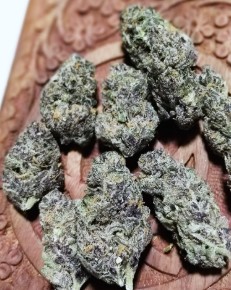
The aroma of Dr. Who is a mix of earthy, piney scents from its Romulan parentage, with a sweet and citrusy undertone from Space Queen. When broken apart or smoked, it releases a pungent and aromatic fragrance, which has been described as a blend of floral and fruity notes, alongside a mild herbal aroma.
Cannabinoid and Terpene Profile
Dr. Who contains varying levels of THC and CBD, but its THC content usually falls between 18% to 22%, with some phenotypes reaching higher levels. It is important to note that THC levels can vary depending on the cultivation practices, but the general range offers a moderately potent experience for most users.
As for CBD content, Dr. Who is not particularly high in CBD, typically falling in the range of 0.1% to 0.5%. However, this does not diminish its value for medical use, especially given its high THC levels and a specific terpene profile that can contribute to its therapeutic effects.
The strain’s dominant terpenes include:
- Pinene: Known for its distinct pine aroma, pinene is linked with anti-inflammatory and bronchodilatory effects, which may help with conditions such as asthma or chronic bronchitis.
- Caryophyllene: This terpene contributes to the spicy, peppery aroma of Dr. Who and has potential anti-inflammatory and pain-relieving properties. It is also unique in that it can interact with the body’s CB2 receptors, which may enhance its therapeutic potential.
- Limonene: This citrus-scented terpene is known for its mood-enhancing and anti-anxiety effects. Limonene may also have antifungal and antibacterial properties.
- Myrcene: Common in many cannabis strains, myrcene is associated with sedative and relaxing effects, which can complement the more uplifting qualities of Dr. Who.
Effects of Dr. Who
The effects of Dr. Who are often described as balanced, thanks to its hybrid genetics. However, the exact experience can vary depending on the individual’s tolerance, consumption method, and the specific phenotype of the strain. Generally, Dr. Who provides an uplifting and cerebral high that is paired with physical relaxation.
Initial Effects
Upon consumption, users typically experience a heady, euphoric feeling that can enhance mood, increase creativity, and promote social engagement. The sativa-dominant influence provides a burst of mental energy that is enjoyable for social interactions or creative tasks.
Body Effects
As the high progresses, the relaxing effects of the Romulan genetics come into play. The body may begin to feel more at ease, with users experiencing a gentle wave of relaxation that can relieve muscle tension and stress. Despite the calming effects, Dr. Who generally does not induce couch-lock, making it a good choice for daytime use, unlike some other indica-dominant strains.
Mental Clarity
Unlike some high-THC strains that can lead to confusion or clouded thoughts, Dr. Who maintains mental clarity throughout the high. It enhances focus without causing overwhelming stimulation. For many, this makes Dr. Who an ideal strain for those seeking balance between relaxation and mental engagement.
Duration of Effects
The duration of Dr. Who’s effects is typically moderate, lasting for 1.5 to 3 hours depending on the dose and individual tolerance. The mental high tends to fade more gradually, while the body effects may linger for a longer period, contributing to a prolonged sense of relaxation.
Recreational Uses
Recreational users often turn to Dr. Who for its versatility. The strain offers a perfect balance for those looking to unwind after a busy day while still being functional and present. Below are some common recreational uses:
- Social Activities: Dr. Who’s uplifting and euphoric effects make it an excellent choice for social gatherings, parties, or group activities. The cerebral high encourages conversation and creativity, while the relaxing body effects keep users comfortable and at ease.
- Creative Pursuits: Many users report that Dr. Who sparks creativity, making it a popular choice for those involved in artistic endeavors or brainstorming sessions. It helps free up mental space without causing too much mental fog.
- Relaxation Without Sedation: Dr. Who provides a relaxing experience without the intense sedation that is often associated with indica-heavy strains. It’s a great choice for those who want to relax without feeling overly tired or couch-locked.
- Movies or Music: The strain’s balance of effects also makes it suitable for entertainment. Whether it’s watching a movie or listening to music, Dr. Who helps users feel more engaged and immersed in the experience.
Medical Uses
Dr. Who is also valued for its potential medical benefits, particularly for those suffering from stress, anxiety, chronic pain, and other physical or mental health conditions. Here’s a closer look at its medical uses:
Stress and Anxiety Relief
One of the primary medical uses of Dr. Who is for relieving symptoms of stress and anxiety. The strain’s mood-enhancing properties, attributed to its limonene and caryophyllene terpenes, make it particularly effective in lifting the spirits of users experiencing anxiety or depression. Its relaxing body effects also help to reduce physical symptoms of anxiety, such as muscle tension and restlessness.
Pain Management
Thanks to the combination of caryophyllene and myrcene, Dr. Who has analgesic (pain-relieving) properties that can be beneficial for individuals suffering from chronic pain. It is particularly effective for those dealing with muscle spasms, joint pain, and conditions like fibromyalgia. The strain’s relaxing effects can help alleviate pain without causing the severe drowsiness that often accompanies heavier indicas.
Insomnia and Sleep Issues
While Dr. Who does not typically induce complete sedation, its relaxing effects can be beneficial for people with mild insomnia or trouble sleeping. The strain can help with relaxation and easing into sleep without causing too much heaviness or drowsiness during the day. However, it might not be the best choice for individuals with severe insomnia, as stronger indica strains may be more effective for that purpose.
Appetite Stimulation
Like many cannabis strains, Dr. Who can help stimulate appetite, making it useful for patients undergoing chemotherapy or those with conditions that cause loss of appetite. The strain can help users regain interest in food and enjoy meals without causing significant drowsiness.
Anti-Inflammatory and Muscle Relaxant
The anti-inflammatory properties of Dr. Who, particularly from its pinene and caryophyllene content, can make it beneficial for individuals with inflammatory conditions like arthritis or inflammatory bowel disease. The muscle-relaxant effects are also useful for those with conditions that cause muscle tension, spasms, or cramps.
Cultivation Information
Growth Characteristics
- Height: Medium-sized plant, typically growing between 3 to 5 feet tall. Some phenotypes may reach 6 feet.
- Structure: Bushy with dense buds. The plant can be managed easily through pruning and training techniques.
- Flowering Time: 8-10 weeks from the start of the flowering phase.
- Yield: Indoor growers can expect 400-500 grams per square meter (g/m²), while outdoor yields range from 500-700 grams per plant, depending on conditions.
Ideal Growing Conditions
Temperature
- Vegetative Stage: Maintain temperatures between 65°F to 75°F (18°C to 24°C). Cooler temperatures can encourage vibrant purple hues in the buds.
- Flowering Stage: Slightly warmer temperatures of 70°F to 80°F (21°C to 27°C) help optimize bud production without inducing stress.
Humidity
- Vegetative Stage: Keep humidity around 50-60% to promote healthy growth and prevent mildew.
- Flowering Stage: Reduce humidity to 40-50% to avoid mold formation, as the buds become denser.
Light
- Indoor: Use Metal Halide (MH) lights during the vegetative stage for stronger, more vigorous growth. For flowering, switch to High-Pressure Sodium (HPS) lights or full-spectrum LEDs to support flower production.
- Outdoor: Dr. Who thrives in direct, full sunlight for 6-8 hours a day, so plant in an area that gets ample sunlight.

Nutrient Requirements
Soil & pH
- Soil: Loamy, well-draining soil with good organic matter. Ensure the soil retains some moisture but does not become soggy.
- pH: Maintain a slightly acidic pH of 6.0-6.5 for soil cultivation. For hydroponic systems, a pH of 5.5-6.0 is ideal.
Fertilization
- Vegetative Stage: Use a high-nitrogen fertilizer with an N-P-K ratio of 3-1-2. Nitrogen encourages robust leaf and branch growth.
- Flowering Stage: Switch to a fertilizer with higher phosphorus and potassium content, like a 1-2-3 ratio, to enhance bud formation and resin production.
Watering
- Watering Schedule: Water when the top inch of soil feels dry, but ensure the pot or ground is well-drained to avoid waterlogging. In hydroponics, maintain consistent nutrient solution levels.
- Avoid overwatering, as Dr. Who is sensitive to root rot in overly wet conditions.
Pruning and Training Techniques
- Topping: Cut off the main stem’s tip early to encourage lateral branching. This helps create multiple colas, improving yield and light exposure to lower parts of the plant.
- Low-Stress Training (LST): Gently bend the branches to expose more bud sites to light. Use ties or plant stakes to train the branches horizontally, which maximizes light penetration and overall plant health.
- Defoliation: Remove large fan leaves that block light from reaching lower branches. This increases ventilation and lowers the possibility of mold growth.
- Screen of Green (SCROG): Set up a mesh screen to spread branches horizontally, allowing for even light distribution and maximizing yields by exposing more bud sites to light.
Harvesting and Curing
- Harvest Timing: Dr. Who’s optimal harvest window is when trichomes (the tiny, resin-covered glands) are mostly milky with some amber. This ensures peak THC content without over-ripeness.
- Drying: After cutting, hang the plant upside down in a dark, well-ventilated area for 7-14 days. Maintain a temperature of around 60°F (15°C) and humidity of 50-60% during the drying process to avoid mold.
- Curing: Once dried, move the buds into glass jars for curing. Open the jars once or twice a day for about 2-4 weeks, allowing moisture to escape and improving the buds’ flavor, aroma, and smoothness.

Side Effects
While Dr. Who is generally considered to be a safe strain for most users, there are some potential side effects to be aware of, particularly for those new to cannabis or sensitive to THC. These can include:
- Dry Mouth: This is one of the most common side effects of cannabis use, and Dr. Who is no exception. Keeping water on hand and staying hydrated can help alleviate this issue.
- Dry Eyes: Some users may experience dry eyes, which can be remedied with lubricating eye drops.
- Dizziness: In some cases, especially with higher doses, Dr. Who may cause lightheadedness or dizziness. New users or those with low THC tolerance should start with a small dose.
- Paranoia or Anxiety: Though Dr. Who is often used to relieve anxiety, higher doses of THC can trigger feelings of paranoia or increased anxiety in some individuals, especially in those who are not accustomed to potent strains.
Conclusion
Dr. Who is a balanced hybrid strain that offers an enjoyable mix of mental clarity and physical relaxation. Its effects make it an excellent choice for both recreational and medical users seeking relief from anxiety, stress, chronic pain, and other conditions. With its distinct terpene profile, Dr. Who provides a multi-faceted experience, with uplifting effects tempered by a relaxing body buzz. Whether used for social activities, creative pursuits, or medical relief, Dr. Who is a versatile and widely loved strain.
