Table of Contents
The Domino strain is a hybrid cannabis strain known for its balanced effects, distinct flavor profile, and potent medicinal properties. While not as widely recognized as some other strains, Domino has gained popularity among medical and recreational users for its powerful body relaxation combined with an uplifting, cerebral high.
- Strain Type: Indica-dominant Hybrid
- THC Content: ~18-24%
- CBD Content: ~0.5-2%
- Lineage: Often reported to be a cross of Black Domina and an unknown hybrid strain.
- Terpene Profile: Myrcene, Caryophyllene, Limonene, Humulene
- Aroma & Flavor: Earthy, spicy, and slightly citrusy with a smooth, woody aftertaste.
- Best Suited For: Evening use, relaxation, pain relief, stress relief.
Genetic Background and Breeding Information
The Domino strain is believed to have strong Indica lineage, inheriting robust genetics from Black Domina, a powerful Indica strain known for its sedative effects, dark purple hues, and resin production. Black Domina is itself a cross of:
- Afghani Landrace (stability, high resin production)
- Ortega (sedative, couch-lock effects)
- Northern Lights (famous for deep body relaxation)
- Hash Plant (spicy, hashy aroma with pain-relieving qualities)
The secondary parent strain remains undisclosed but is thought to contribute a mild cerebral effect and balanced hybrid properties to Domino.
Cannabinoid and Terpene Profile
Cannabinoid Composition
- THC: 18-24% (Moderate to High) – Responsible for psychoactive effects.
- CBD: 0.5-2% – Minor but contributes to medicinal benefits.
- CBG: ~1% – Adds anti-inflammatory and neuroprotective effects.
- THCV: Low (<1%) – May help regulate appetite and energy.
- CBC & CBN: Trace amounts – Contribute to relaxation and mild sedation.
Terpene Profile and Their Effects
- Myrcene (Dominant) (~0.6%)
- Effects: Sedative, relaxing, anti-inflammatory
- Found In: Mangoes, lemongrass, thyme
- Caryophyllene (~0.4%)
- Effects: Anti-inflammatory, pain relief, stress reduction
- Found In: Black pepper, cloves, cinnamon
- Limonene (~0.3%)
- Effects: Uplifting, anti-anxiety, mood-enhancing
- Found In: Citrus fruits, peppermint
- Humulene (~0.2%)
- Effects: Appetite suppressant, antibacterial, anti-inflammatory
- Found In: Hops, coriander, basil
Recreational Uses and Effects
Onset and Duration
- Onset: ~5-15 minutes
- Peak Effects: 30-60 minutes
- Total Duration: ~2-4 hours
Recreational Effects
Domino is well-known for producing a relaxing yet mentally stimulating high. The effects can be categorized into three phases:
- Initial Mental Upliftment (First 10-30 minutes)
- Euphoric rush with mild cerebral stimulation.
- Enhanced creativity and introspection.
- Slightly hazy, dreamy sensation.
- Deep Relaxation and Body High (30-90 minutes)
- Warm waves of relaxation spread throughout the body.
- Strong muscle relaxation and relief from tension.
- Mild couch-lock effects (depending on dosage).
- Sedative, Tranquil Ending (90 minutes – 3 hours)
- Lethargy and drowsiness set in, making it ideal for nighttime use.
- Deep physical sedation without extreme heaviness.
- Often leads to restful sleep.

Ideal Recreational Scenarios
- Chilling at home with movies or music.
- Casual social settings with deep conversations.
- Enhancing creative activities (writing, painting, music).
- A pre-bedtime relaxation aid.
Possible Side Effects
- Dry mouth & dry eyes (common with THC-rich strains).
- Mild dizziness (especially in new users).
- Occasional paranoia if consumed in high doses.
- Strong sedation in excessive doses.
Medical Uses and Benefits
Top Medical Applications
- Chronic Pain & Inflammation Relief
- The high myrcene and caryophyllene content helps alleviate muscle tension, arthritis, fibromyalgia, and migraines.
- Patients with neuropathic pain find relief due to Domino’s high THC-to-CBD ratio.
- Stress, Anxiety, and Depression
- The limonene terpene provides mood-enhancing effects, while THC calms excessive mental stress.
- Best for generalized anxiety disorder, social anxiety, and mild depression.
- Insomnia & Sleep Disorders
- The strain’s gradual sedative effects make it a go-to for sleep onset and sleep maintenance.
- CBN (Cannabinol) content aids in prolonging sleep duration.
- Appetite Stimulation (Mild)
- Not as strong as full Indicas like Granddaddy Purple, but can help with nausea and mild appetite loss.
- Muscle Spasms and Multiple Sclerosis
- The anti-inflammatory properties of caryophyllene and myrcene provide relief for muscle stiffness and spasms.
- PTSD & Emotional Stability
- Provides calming euphoria, helping PTSD patients by reducing flashbacks and hyperarousal symptoms.
Cultivation & Growing Information
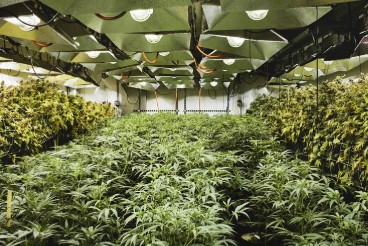
The Domino strain, being an Indica-dominant hybrid, requires specific cultivation methods to maximize its yield, potency, and terpene profile. Below is a scientific breakdown of the best practices for cultivating Domino cannabis.
1. Ideal Growing Conditions
A. Climate Requirements
- Temperature Range:20-26°C (68-78°F)
- Vegetative Stage: 22-28°C (72-82°F)
- Flowering Stage: 18-24°C (64-75°F)
- Night Temperature: Should not drop below 16°C (60°F) to prevent stress.
- Humidity Levels:
- Seedling: 65-70% (high humidity for better germination).
- Vegetative Stage: 50-60% (moderate to encourage growth).
- Flowering Stage: 40-50% (lower to prevent mold/mildew).
- Late Flowering: 30-40% (further reduction to enhance resin production).
- CO₂ Supplementation:
- If grown indoors, increasing CO₂ levels to ~1200-1500 ppm during the vegetative phase can boost photosynthesis and yield.
B. Light Requirements
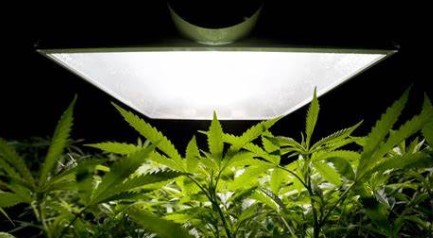
- Indoor Setup:600W HPS, LED (Full Spectrum)
- Vegetative: 18-24 hours of light (Encourages rapid growth).
- Flowering: 12 hours of light, 12 hours of darkness (Triggers bud production).
- Outdoor Cultivation:
- Prefers a Mediterranean or warm climate.
- Should be grown in direct sunlight (8-12 hours/day).
2. Soil and Nutrient Requirements
A. Soil Composition
- Best Soil Type: Light, well-aerated, and nutrient-rich soil.
- pH Levels: Maintain between 6.0-6.5 for optimal nutrient absorption.
- Organic Additives:
- Coconut coir & perlite: Improves aeration.
- Worm castings & compost: Enhances microbial life and nutrient content.
- Mycorrhizal fungi: Increases root absorption efficiency.
B. Nutrients & Feeding Schedule
| Growth Stage | Nitrogen (N) | Phosphorus (P) | Potassium (K) | Micronutrients |
|---|---|---|---|---|
| Seedling | Low | Low | Low | Mycorrhizae, Humic Acid |
| Vegetative | High | Medium | Medium | Calcium (Ca), Magnesium (Mg), Zinc (Zn) |
| Flowering | Low | High | High | Silica (Si), Sulfur (S), Boron (B) |
| Late Flowering | Very Low | Very High | High | Trichoderma (boosts resin production) |
- Avoid Overfeeding: Excess nitrogen during flowering can reduce bud density and terpene production.
- Flush Before Harvest: A two-week flush (pure water with pH 6.0-6.5) removes residual nutrients for smoother smoke.
3. Training Techniques for Maximum Yield
Domino strain can be trained using scientific Low-Stress Training (LST) and High-Stress Training (HST) techniques.
A. Low-Stress Training (LST)
- Screen of Green (SCROG):
- Encourages horizontal growth to maximize light penetration.
- Increases the number of bud sites.
- Topping & FIMming:
- Topping (Cutting main cola) encourages bushier growth.
- FIMming (Removing 70% of the main tip) stimulates more colas.
- LST with Tying Down Branches:
- Spreads plant canopy evenly for consistent bud growth.
B. High-Stress Training (HST)
- Super Cropping:
- Carefully bending stems without breaking to enhance THC production.
- Defoliation:
- Removing large fan leaves to improve airflow and light exposure.
4. Hydroponic vs. Soil Cultivation
A. Hydroponic Growing (DWC, NFT, Aeroponics)
Domino can be successfully grown hydroponically, resulting in faster growth and higher potency.
- Deep Water Culture (DWC):
- An oxygenated nutrition solution is used to suspend the roots.
- Faster nutrient absorption leads to larger buds.
- Nutrient Film Technique (NFT):
- A constant nutrient flow optimizes nutrient uptake.
- Aeroponics:
- Fine mist spraying of nutrients increases trichome production and potency.
B. Soil-Based Growing
- Pros: Better terpene development due to natural soil microbes.
- Cons: Slower growth compared to hydroponic methods.
5. Pests & Disease Prevention
Domino is susceptible to:
- Powdery Mildew → Prevent by maintaining Domino low humidity & good airflow.
- Spider Mites & Aphids → Introduce ladybugs or neem oil as organic pest control.
- Root Rot (Overwatering) → Use fabric pots to improve drainage.
6. Harvesting & Curing for Maximum Potency
A. Harvest Timing
- Trichome Method: Harvest when 70-80% of trichomes are milky and 10-20% are amber.
- Pistil Method: When 70% of pistils turn brown/orange, it’s time to harvest.
B. Drying & Curing Process
- Drying:
- Temperature: 18-22°C (65-72°F)
- Humidity: 45-55%
- Duration: 7-10 days (Hang buds upside down in a dark, ventilated space).
- Curing:
- Store in glass jars at 60-65% humidity for 2-4 weeks.
- Open jars once a day for the first 10 days to release excess moisture.
C. Effects of Proper Curing
- Enhances terpene profile.
- Reduces harshness & chlorophyll taste.
- Increases THC potency over time.
Final Thoughts on Domino Strain Cultivation
By following scientific cultivation techniques, growers can optimize:
- Yield: Up to 500g/m² indoors & 600g per plant outdoors.
- Potency: Higher THC levels when stress-training & using optimized lighting.
- Flavor & Aroma: Enhanced through organic soil & proper curing.
Methods of Ingestion & Their Bioavailability
Bioavailability refers to the proportion of cannabinoids (THC, CBD, etc.) in Domino that enter the bloodstream and have an active effect. The method of consumption influences how much THC is absorbed, how fast it takes effect, and how long it lasts.
| Ingestion Method | Onset Time | Peak Effects | Duration | Bioavailability (%) |
|---|---|---|---|---|
| Smoking (Combustion) | 2-5 minutes | 10-30 minutes | 2-4 hours | 30-50% |
| Vaporization (Dry Herb Vape) | 2-5 minutes | 15-45 minutes | 2-4 hours | 40-60% |
| Edibles (Oral Consumption) | 30-90 minutes | 2-4 hours | 4-8 hours | 4-20% |
| Sublingual (Tinctures, Oils, Sprays) | 15-45 minutes | 30-90 minutes | 2-6 hours | 20-35% |
| Topical (Creams, Lotions, Balms) | 30-60 minutes | N/A (Local Effects) | 4-12 hours | Negligible (Non-psychoactive) |
| Suppositories (Rectal/Vaginal Absorption) | 10-30 minutes | 1-2 hours | 4-8 hours | 50-70% |
2. A Comprehensive Analysis of Every Ingestion Technique
A. Smoking (Combustion)
- How it Works:
- Heat converts THCA → THC in Domino via decarboxylation.
- THC enters the lungs, where it is absorbed into the bloodstream almost instantly.
- Psychoactive effects start within minutes.
- Pros:
- Fast onset (ideal for immediate relief).
- Higher bioavailability than edibles.
- Traditional & widely used method.
- Cons:
- Burns terpenes and reduces medicinal benefits.
- Produces harmful combustion byproducts (tar, CO).
- Shorter duration compared to edibles.
B. Vaporization (Dry Herb or Concentrate)
- How it Works:
- Uses controlled heat (180-220°C) to decarboxylate THC without combustion.
- THC is inhaled as vapor, avoiding harmful byproducts.
- Pros:
- Higher bioavailability (~40-60%) than smoking.
- Better terpene preservation (improves taste, medical benefits).
- Produces cleaner effects with fewer toxins.
- Cons:
- Requires specialized devices (vape pens, desktop vaporizers).
- Slightly longer onset than smoking.
C. Edibles (Oral Consumption)
- How it Works:
- THC is processed in the liver, converting Δ9-THC → 11-Hydroxy-THC.
- 11-OH-THC is 2-3x more potent than inhaled THC.
- Takes longer to kick in but lasts significantly longer.
- Pros:
- Longer duration (4-8 hours).
- More intense body high.
- Discreet consumption (no smoke or vapor).
- Cons:
- Lower bioavailability (4-20%) due to first-pass metabolism.
- Difficult to dose (effects vary by metabolism).
- Delayed onset (30-90 minutes), leading to accidental overconsumption.
D. Sublingual (Tinctures, Oils, Sprays)
- How it Works:
- Cannabinoids are absorbed under the tongue via mucous membranes.
- Bypasses the digestive system, avoiding first-pass metabolism.
- Faster onset than edibles but slightly less potent.
- Pros:
- Faster onset than edibles (15-45 min).
- More predictable dosing.
- Good for medical use (precise effects).
- Cons:
- Bitter taste (unless flavored).
- Shorter duration than edibles (2-6 hours).
E. Topical Application (Creams, Lotions, Balms)
- How it Works:
- THC & CBD penetrate the skin and interact with CB2 receptors.
- Used for localized pain relief, inflammation, and arthritis.
- Does not enter the bloodstream, so no psychoactive effects.
- Pros:
- Great for localized treatment (pain, skin conditions).
- Non-psychoactive.
- Long-lasting relief (4-12 hours).
- Cons:
- Not suitable for recreational use.
- Limited penetration (better with liposomal formulations).
F. Suppositories (Rectal & Vaginal Absorption)
- How it Works:
- Cannabinoids are absorbed through rectal or vaginal walls.
- Bypasses first-pass metabolism.
- High bioavailability (50-70%).
- Pros:
- Fast onset (~10-30 min).
- Long-lasting effects (4-8 hours).
- Avoids lung and liver degradation.
- Cons:
- Unconventional consumption method.
- Limited availability of products.
3. Duration and Onset Factors
Several factors influence how quickly and how long Domino’s effects last:
- Metabolism & Body Weight
- Faster metabolism = Shorter effects.
- Higher fat content = Longer cannabinoid retention.
- THC Tolerance
- Frequent users need higher doses for the same effects.
- New users experience stronger, longer highs.
- Terpene Synergy (Entourage Effect)
- Myrcene (Dominant in Domino) increases THC absorption → Faster onset.
- Caryophyllene modulates THC effects, leading to a mellow high.
- Method of Consumption
- Inhalation = Quick but shorter duration.
- Edibles = Slower but longer-lasting.
4. Best Consumption Methods for Different Users
| User Type | Best Method | Reason |
|---|---|---|
| Beginner | Vaporization | Smooth, controlled high, avoids overconsumption. |
| Medical Patient (Pain/Anxiety/Insomnia) | Tinctures, Edibles | Long-lasting effects, predictable dosing. |
| Chronic Pain Patient | Topicals, Edibles, Vaporization | Local relief + long-lasting systemic effects. |
| Recreational User | Smoking, Edibles | Fast euphoria (smoking), deep relaxation (edibles). |
| Discreet User | Tinctures, Sublingual, Capsules | No odor, long-lasting effects. |
| Severe Cases (Cancer, Neuropathy) | Suppositories, Edibles | High bioavailability, strong relief. |
Scientific Insights and Pharmacology
Several studies on cannabinoids and terpenes suggest that the Domino strain’s therapeutic potential comes from its synergistic interactions between THC, CBD, and terpenes.
Pharmacological Effects
- THC (Δ9-Tetrahydrocannabinol): Activates CB1 and CB2 receptors in the endocannabinoid system, inducing euphoria and pain relief.
- CBD (Cannabidiol): Modulates THC effects, reducing anxiety while promoting relaxation.
- Myrcene: Enhances THC absorption (faster onset and prolonged effects).
- Caryophyllene: The only terpene that acts as a cannabinoid, interacting with CB2 receptors to provide anti-inflammatory benefits.
Scientific Research & Studies
- THC and Sleep: Studies indicate that Indica-dominant strains like Domino enhance slow-wave sleep and reduce sleep latency.
- Caryophyllene & Pain Management: Research shows that caryophyllene acts as a natural analgesic, making strains rich in this terpene useful for chronic pain.
- Myrcene’s Sedative Effect: Some studies suggest high-myrcene strains promote deep muscle relaxation, which aligns with Domino’s full-body calming effects.
Conclusion
Domino is a versatile Indica-dominant hybrid that offers an exceptional balance of relaxation and cerebral upliftment. It is ideal for medical patients dealing with pain, stress, insomnia, and anxiety, while recreational users enjoy its chill, soothing high.
- Best Time to Use: Evenings or before bed.
- Ideal For: Relaxation, unwinding after a long day, mild euphoria, deep body comfort.
- Who Should Avoid: Those looking for a purely energizing strain.
Whether for therapeutic benefits or recreational enjoyment, Domino remains a potent and reliable choice for cannabis enthusiasts.
For a complete directory of cultivars, visit our Cannabis Strain Reviews.
