Table of Contents
Dogwalker OG is a popular cannabis strain known for its potent effects and distinctive aroma. A hybrid strain with balanced genetics, Dogwalker OG has gained a reputation among recreational and medical users alike for its versatile therapeutic benefits and enjoyable psychoactive properties. Below, we delve into its origins, characteristics, chemical composition, medical applications, recreational uses, and scientific analysis.
Origin and Genetics
Dogwalker OG is a hybrid strain that blends the genetics of Albert Walker OG and Chemdawg 91, two well-established strains in the cannabis community. It is typically a slightly indica-dominant hybrid, with an approximate 60% indica and 40% sativa profile, though specific phenotypes may exhibit slight variations.
- Albert Walker OG: Known for its potent sedative effects and citrusy aroma, this parent contributes to Dogwalker OG’s relaxing properties.
- Chemdawg 91: A legendary strain with a pungent diesel-like smell, Chemdawg 91 lends its cerebral and uplifting effects to the mix.
Dogwalker OG inherits the best attributes of its lineage, offering a powerful combination of mental clarity and physical relaxation.
Physical Characteristics
Dogwalker OG is visually striking, with tightly packed buds that are dense and resin-coated. Its appearance is indicative of high cannabinoid and terpene content.
- Bud Structure: Compact and dense, typical of indica-dominant strains.
- Color: A blend of forest green hues with hints of purple and orange pistils.
- Trichomes: A heavy layer of frosty, sticky trichomes covers the buds, signifying high potency.
- Aroma and Flavor:
- Aroma: Earthy and woody with strong notes of diesel, pine, and a hint of spice.
- Flavor: A smooth smoke or vapor that carries over the earthy and piney notes, often finishing with a peppery kick.
Cannabinoid and Terpene Profile
Dogwalker OG is prized for its well-rounded chemical composition, which contributes to its effects and therapeutic potential.
Cannabinoids:
- THC: Typically ranges from 18% to 26%, providing strong psychoactive effects.
- CBD: Generally under 1%, but enough to contribute to the entourage effect.
- CBG: Often present in small amounts (~1%), adding mild therapeutic benefits.
Terpenes:
- Myrcene: Dominant terpene, responsible for its sedative and relaxing effects.
- Limonene: Adds a citrusy note and contributes to mood elevation.
- Caryophyllene: Provides a spicy, peppery aroma and offers anti-inflammatory benefits.
- Pinene: Enhances focus and counteracts sedative effects to create a balanced high.
Effects
Dogwalker OG delivers a balanced experience, combining the cerebral stimulation of a sativa with the physical relaxation of an indica. Users often describe the high as starting with an uplifting euphoria that gradually transitions into a calming body high.
Psychoactive Effects:
- Euphoria: A mood-lifting effect that enhances creativity and sociability.
- Relaxation: Deep physical relaxation without overwhelming sedation.
- Focus: Maintains mental clarity, making it suitable for daytime or evening use in moderate doses.
- Appetite Stimulation: Often induces hunger, a common side effect of many cannabis strains.
Medical Applications
Dogwalker OG’s diverse cannabinoid and terpene profile makes it an effective choice for a range of medical conditions. It is especially beneficial for patients seeking relief from both physical and psychological ailments.

Psychological Conditions:
- Anxiety and Stress: The strain’s myrcene content promotes relaxation, while limonene’s uplifting effects alleviate stress and anxiety.
- Depression: The euphoric and mood-enhancing properties can help mitigate symptoms of depression.
- PTSD: Dogwalker OG’s calming and grounding effects provide relief from hyperarousal and intrusive thoughts.
Physical Conditions:
- Chronic Pain: The analgesic properties of THC and caryophyllene help reduce pain from conditions such as arthritis, fibromyalgia, and migraines.
- Inflammation: Caryophyllene’s anti-inflammatory effects make it useful for autoimmune and inflammatory disorders.
- Insomnia: In higher doses, the sedative effects of myrcene can aid those struggling with sleep disorders.
- Appetite Loss: Often prescribed for patients undergoing chemotherapy or dealing with conditions that suppress appetite.
Recreational Uses
Recreational users value Dogwalker OG for its balanced high, which caters to both social and solitary activities.
Social Settings:
- Relaxed Socialization: Its uplifting yet calming effects make it suitable for casual gatherings, fostering conversation without causing couch-lock.
- Creative Endeavors: Ideal for artistic activities such as painting, writing, or music.
Solitary Activities:

- Relaxation: Great for unwinding after a stressful day.
- Outdoor Adventures: Enhances sensory perception, making activities like hiking or camping more enjoyable.
- Gaming or Movies: Heightened focus and euphoria enhance entertainment experiences.
Dogwalker OG Cultivation
1. Growing Environment
Dogwalker OG thrives in both indoor and outdoor environments, but it demands controlled conditions to optimize its growth cycle and cannabinoid production.
- Indoor Cultivation:
- Temperature: Maintain temperatures between 70-80°F (21-27°C) during the vegetative phase and slightly cooler during flowering (65-75°F or 18-24°C).
- Humidity Levels:
- Vegetative Stage: 50-60% relative humidity.
- Flowering Stage: Gradually reduce to 40-50% to prevent mold and mildew.
- Lighting: Dogwalker OG responds well to high-intensity light sources. Full-spectrum LEDs or HPS lights (600-1000W) are ideal.
- Vegetative Phase: 18-24 hours of light.
- Flowering Phase: 12 hours of light and 12 hours of darkness.
- Outdoor Cultivation:
- Climate: Prefers a warm, Mediterranean-like climate.
- Seasonality: Plant after the last frost in spring; harvest by early October.
- Sunlight: Requires 6-8 hours of direct sunlight per day for optimal photosynthesis.
2. Soil and Mediums
Dogwalker OG thrives in nutrient-rich, well-draining soils or hydroponic systems.
- Soil:
- pH range: 6.0-6.5.
- Organic soils with compost, worm castings, and bat guano promote natural growth.
- Hydroponics:
- Faster growth rates and higher yields are possible using nutrient-enriched water systems.
- Maintain pH between 5.5 and 6.0 for hydroponic setups.
3. Nutrient Requirements
Dogwalker OG requires specific macronutrients (N-P-K: Nitrogen, Phosphorus, Potassium) and micronutrients (Calcium, Magnesium, Iron) during different growth stages.
- Vegetative Stage: High nitrogen levels promote healthy leaf and stem growth.
- Example: 3:1:2 (N-P-K) fertilizer ratio.
- Flowering Stage: Increased phosphorus and potassium enhance bud development.
- Example: 1:3:4 (N-P-K) fertilizer ratio.
- Micronutrient Boosters:
- Calcium and magnesium supplements support robust growth and prevent deficiencies.
- Sulfur enhances terpene production, improving flavor and aroma.
4. Watering Practices
- Avoid overwatering, which can lead to root rot.
- Use the “lift test” or soil moisture meters to determine when to water.
- Maintain water pH:
- Soil: 6.0-6.5.
- Hydroponics: 5.5-6.0.
- Drainage: Ensure proper runoff to prevent salt buildup.
Plant Training Techniques
Dogwalker OG benefits from training methods to maximize light exposure and airflow, leading to higher yields and better-quality buds.
- Topping: Encourages bushy growth by removing the main apex, allowing lateral branches to flourish.
- Low-Stress Training (LST): Bending and tying down branches to create an even canopy and maximize light exposure.
- Screen of Green (ScrOG): Employs a net or screen to spread out the plant canopy, promoting uniform bud development.
- Defoliation: Removing excess fan leaves improves airflow and light penetration to lower bud sites.
Flowering Phase
Dogwalker OG’s flowering period lasts approximately 9-10 weeks in indoor setups.
Key Considerations During Flowering:
- Lighting: Maintain consistent 12-hour light cycles to stimulate flowering hormones.
- Nutrient Transition: Shift to phosphorus and potassium-heavy feeding schedules.
- Humidity Control: Lower relative humidity to 40-50% to prevent mold on resin-heavy buds.
- CO₂ Enrichment: Enhancing CO₂ levels (1000-1500 ppm) can boost photosynthesis, resulting in larger yields.
Harvesting Dogwalker OG
Proper timing and technique during harvesting are critical for preserving cannabinoids, terpenes, and overall potency.
1. Signs of Ripeness:
- Trichome Color: Examine trichomes under a magnifying glass or microscope:
- Clear: Immature.
- Cloudy: Peak THC levels.
- Amber: More sedative effects due to partial THC degradation.
- Pistils: Look for at least 70-90% of pistils to darken and curl.
2. Harvesting Tips:
- Use sterilized scissors or trimmers to cut branches.
- Minimize handling to preserve trichomes.
Post-Harvest Processes
1. Drying:
- Hang branches upside-down in a dark, well-ventilated room.
- Ideal conditions: 60-70°F (15-21°C), 50-60% relative humidity.
- Drying time: 7-10 days, depending on humidity and bud density.
2. Curing:
- Place dried buds in airtight glass jars.
- Open jars (“burping”) daily for the first two weeks to release excess moisture.
- Cure for 2-8 weeks to enhance flavor, aroma, and potency.
Yield Expectations
Dogwalker OG typically produces moderate to high yields when grown under optimal conditions.
- Indoor Yields: 1.5-2 oz per square foot (450-600 g/m²).
- Outdoor Yields: 16-20 oz per plant (450-600 g/plant), depending on environmental factors.
Common Challenges
1. Pests:
- Spider Mites: Regularly inspect undersides of leaves and use neem oil or predatory insects for control.
- Aphids and Whiteflies: Can be mitigated with insecticidal soaps or sticky traps.
2. Mold and Mildew:
- High humidity during flowering can lead to powdery mildew or bud rot.
- Ensure proper airflow and avoid overcrowding plants.
3. Nutrient Deficiencies:
- Yellowing leaves may indicate nitrogen deficiency.
- Purple stems often signal phosphorus deficiency during flowering.
4. Stress Management:
- Minimize stress by avoiding sudden changes in temperature, lighting, or humidity.
Scientific Insights for Optimized Cultivation
Research into cannabis cultivation highlights several advanced techniques that can enhance Dogwalker OG’s yield and quality:
- Genetic Testing: Use DNA sequencing to identify phenotypes with the highest cannabinoid and terpene production.
- LED Light Spectrums: Tailor light spectrums (e.g., red and blue wavelengths) during specific growth phases to boost photosynthesis and flowering.
- Microbial Inoculants: Introduce beneficial microbes like mycorrhizae to enhance nutrient uptake and root health.
- Soil Testing: Regular soil testing ensures optimal pH and nutrient availability, preventing over-fertilization.
Scientific Insights
Dogwalker OG’s effects are rooted in the interplay between its cannabinoids and terpenes, a phenomenon known as the entourage effect. This synergistic interaction enhances its therapeutic potential.
Research Highlights:
- Analgesic Properties: Studies indicate that high-THC strains like Dogwalker OG are effective in managing chronic pain by modulating endocannabinoid receptors.
- Anxiolytic Effects: The combination of myrcene and limonene may reduce cortisol levels, mitigating stress and anxiety.
- Anti-Inflammatory Benefits: Caryophyllene binds to CB2 receptors, offering relief from inflammation without psychoactive effects.
- Neuroprotection: Preliminary research suggests that THC and CBD may protect neurons from oxidative stress, potentially aiding conditions like Alzheimer’s.
Potential Side Effects
While Dogwalker OG is well-tolerated by most users, it can cause some side effects, particularly at higher doses.
Common Side Effects:
- Dry Mouth and Eyes: Common with most cannabis strains; hydration and eye drops can help.
- Dizziness: May occur in novice users or those sensitive to THC.
- Paranoia: Rare but possible, especially in individuals prone to anxiety.
- Sedation: High doses may lead to couch-lock or excessive drowsiness.
Methods of Ingestion
The way you consume Dogwalker OG greatly impacts its onset, duration, and intensity of effects. Here are the most common methods:
1. Smoking
- Description: Smoking involves combusting the flower and inhaling the smoke.
- Onset: 1-3 minutes.
- Duration: 1.5 to 3 hours.
- Effects: Rapid onset provides quick relief for acute symptoms like anxiety or pain. However, smoking can be harsh on the lungs and may irritate the respiratory system.
- Bioavailability: Around 30% due to partial cannabinoid loss during combustion.
2. Vaporizing
- Description: A healthier alternative to smoking, vaporizing heats the cannabis without combustion, preserving terpenes and cannabinoids.
- Onset: 1-5 minutes.
- Duration: 2-4 hours.
- Effects: Offers a cleaner and smoother experience with robust terpene flavors. Highly efficient at delivering cannabinoids.
- Bioavailability: Higher than smoking, approximately 40-50%.
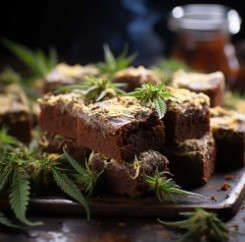
3. Edibles
- Description: Cannabis-infused foods or beverages.
- Onset: 30 minutes to 2 hours (varies based on metabolism and whether taken on an empty stomach).
- Duration: 4-8 hours.
- Effects: Produces a deeper, longer-lasting body high due to the conversion of THC to 11-hydroxy-THC in the liver. Ideal for chronic pain or insomnia relief.
- Bioavailability: Around 4-20%, with individual variations in digestion affecting potency.
4. Tinctures
- Description: Cannabis-infused alcohol or oil applied sublingually (under the tongue).
- Onset: 15-45 minutes.
- Duration: 2-6 hours.
- Effects: Precise dosing and rapid absorption into the bloodstream through sublingual glands. Often used for medical purposes.
- Bioavailability: Around 20-30%.
5. Topicals
- Description: Creams, balms, or oils applied directly to the skin.
- Onset: 15-30 minutes.
- Duration: 2-4 hours.
- Effects: Non-psychoactive; provides localized relief for inflammation, arthritis, or muscle pain.
- Bioavailability: Limited to the application site; cannabinoids rarely reach systemic circulation.
6. Dabbing (Concentrates)
- Description: Inhaling vaporized cannabis concentrates like wax, shatter, or resin.
- Onset: Almost immediate (1-3 minutes).
- Duration: 2-3 hours.
- Effects: Extremely potent and fast-acting, suitable for experienced users or those with high tolerance.
- Bioavailability: Can exceed 50%, depending on the concentrate and technique.
Onset and Duration of Effects
The timing of onset and duration depends on the ingestion method, individual metabolism, and dosage:
| Method | Onset Time | Peak Effects | Duration |
|---|---|---|---|
| Smoking | 1-3 minutes | 15-30 minutes | 1.5-3 hours |
| Vaporizing | 1-5 minutes | 20-40 minutes | 2-4 hours |
| Edibles | 30-120 minutes | 2-4 hours | 4-8 hours |
| Tinctures | 15-45 minutes | 1-2 hours | 2-6 hours |
| Topicals | 15-30 minutes | Localized effects | 2-4 hours |
| Dabbing | 1-3 minutes | 10-30 minutes | 2-3 hours |
Effects of Dogwalker OG
Dogwalker OG’s effects are largely shaped by its terpene and cannabinoid profile, particularly THC, myrcene, and caryophyllene. These compounds interact with the endocannabinoid system (ECS) to produce the following:
Cerebral Effects (Psychoactive)
- Euphoria: THC binds to CB1 receptors in the brain, releasing dopamine and inducing a feeling of happiness and relaxation.
- Focus and Clarity: Pinene counteracts THC-induced short-term memory impairment, promoting focus.
- Stress Reduction: Limonene reduces cortisol levels, alleviating stress and anxiety.
Physical Effects
- Relaxation: Myrcene enhances the sedative effects of THC, making it excellent for physical relaxation and muscle tension relief.
- Pain Relief: Caryophyllene interacts with CB2 receptors, providing anti-inflammatory and analgesic effects without additional psychoactivity.
- Hunger Induction: THC stimulates the hypothalamus, triggering hunger (“the munchies”).
Therapeutic Benefits
- Mood Elevation: Limonene and THC synergistically improve mood, helping with depression and anxiety.
- Sleep Aid: In higher doses, the sedative effects of myrcene dominate, promoting deep, restful sleep.
- Anti-Inflammatory Action: Caryophyllene’s unique mechanism of action targets inflammation pathways effectively.
Side Effects
While Dogwalker OG is generally well-tolerated, certain side effects can arise:
- Dry Mouth and Eyes: Result from the interaction of THC with salivary and tear glands.
- Dizziness: Overconsumption can lower blood pressure temporarily, leading to lightheadedness.
- Paranoia: High doses of THC may exacerbate anxiety in sensitive users.
Scientific Insights on Cannabinoid Interactions
The effects of Dogwalker OG are attributed to the entourage effect, where cannabinoids and terpenes work synergistically to enhance each other’s benefits. Below is a breakdown of key components and their scientific roles:
- THC (Delta-9-tetrahydrocannabinol): Binds to CB1 receptors in the brain, causing psychoactive effects, pain relief, and appetite stimulation.
- CBD (Cannabidiol): Though present in trace amounts, CBD modulates THC’s effects, reducing potential anxiety or paranoia.
- Myrcene: Enhances THC’s absorption and crosses the blood-brain barrier, amplifying sedative properties.
- Limonene: Impacts serotonin pathways, contributing to mood elevation and anxiety relief.
- Caryophyllene: Acts as a CB2 receptor agonist, delivering anti-inflammatory and analgesic effects without psychoactivity.
- Pinene: Reduces cognitive fog caused by THC, enhancing mental clarity.
Clinical Considerations
For medical users, choosing the right method of ingestion and dosage is critical for effective treatment. Here are a few guidelines based on current scientific understanding:
- Pain Management: Tinctures or vaporizing provide rapid relief for acute pain, while edibles offer prolonged effects for chronic conditions.
- Anxiety and PTSD: Low doses of Dogwalker OG can alleviate stress and anxiety without overactivation of THC-related pathways.
- Appetite Stimulation: Smoking or vaping delivers immediate hunger cues, beneficial for patients undergoing chemotherapy or suffering from cachexia.
- Insomnia: Consuming Dogwalker OG in edible form approximately 1-2 hours before bedtime can promote deep sleep.
Usage Tips
- Dosage: Start with a low dose and gradually increase to find the optimal level for your needs.
- Consumption Methods:
- Smoking or Vaping: Offers immediate effects, ideal for acute symptom relief.
- Edibles: Longer-lasting effects, suitable for chronic conditions.
- Tinctures: Provide precise dosing and discreet use.
- Time of Use: Best suited for late afternoon or evening use, depending on tolerance.
Conclusion
Dogwalker OG stands out as a versatile strain that caters to both recreational and medical cannabis users. Its balanced effects, unique flavor profile, and therapeutic potential make it a valuable addition to the cannabis repertoire. Whether you seek relief from chronic pain, stress, or simply wish to enhance your recreational experiences, Dogwalker OG delivers a well-rounded and satisfying experience. With proper cultivation and responsible consumption, this strain can provide a reliable and enjoyable journey into the world of cannabis.
For a complete directory of cultivars, visit our Cannabis Strain Reviews.
