Table of Contents
1. Does Marijuana Raise Blood Pressure
Marijuana affects the cardiovascular system through its active cannabinoids, primarily THC (tetrahydrocannabinol) and CBD (cannabidiol). Its effects on blood pressure vary depending on dosage, frequency, method of use, and individual health status.
2. Acute (Short-Term) Effects on Blood Pressure

THC-Induced Blood Pressure Increase
- THC stimulates the sympathetic nervous system.
- This can cause:
- Elevated heart rate (tachycardia)
- Transient rise in blood pressure
Subsequent Blood Pressure Drop
- After the initial spike, vasodilation often occurs.
- May result in:
- When standing, orthostatic hypotension can cause lightheadedness or fainting.
- Lightheadedness, especially in novice users
3. Chronic (Long-Term) Effects on Blood Pressure
Tolerance Development
- Regular users may build tolerance to THC’s acute cardiovascular effects.
Potential Long-Term Risks
- Some observational studies suggest:
- Increased risk of chronic hypertension
- Higher incidence of cardiovascular events in long-term users
- Possible mechanisms:
- Prolonged sympathetic activation
- Chronic inflammatory stress
- Altered autonomic nervous regulation
4. Cannabidiol (CBD) and Blood Pressure

CBD’s Effects
- CBD has non-psychoactive and potentially hypotensive properties.
- Effects include:
- Anxiolytic action (reducing anxiety-related BP spikes)
- Peripheral vasodilation
Clinical Implications
- CBD may be safer for individuals with high blood pressure.
- Could offer therapeutic benefit without THC-related cardiovascular strain.
5. Conclusion
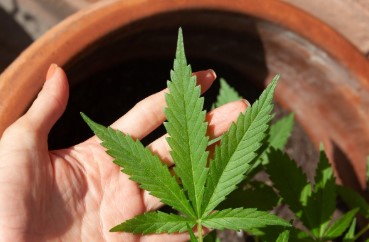
- THC-rich marijuana can raise blood pressure acutely, followed by a possible drop.
- Chronic use may increase hypertension risk, though more research is needed.
- CBD may counteract some cardiovascular effects of THC.
- Individuals with hypertension, arrhythmia, or heart disease should consult a healthcare provider before using cannabis.
