Table of Contents
I. Does marijuana lower blood pressure or raise it
The relationship between marijuana (cannabis) and blood pressure regulation is complex and not fully understood. While anecdotal evidence and some clinical studies suggest marijuana can lower blood pressure, especially in the short term, others indicate that it may raise it temporarily or contribute to cardiovascular risk over time. This duality can be attributed to multiple factors, including the chemical composition of cannabis (THC vs. CBD), the mode of consumption, dosage, user health status, and tolerance.
II. Understanding Blood Pressure and Its Regulation
A. What Is Blood Pressure?
The force of blood against artery walls is known as blood pressure (BP), and it is expressed as millimeters of mercury (mmHg). It is expressed in two numbers:
- Systolic BP: pressure during heartbeats.
- Diastolic BP: pressure between beats.
Normal blood pressure is approximately 120/80 mmHg. Chronic elevation known as hypertension is a major risk factor for:
- Heart attack
- Stroke
- Kidney disease
- Vision loss
B. Role of the Nervous and Endocannabinoid Systems
BP is regulated by:
- Autonomic nervous system (sympathetic and parasympathetic)
- Hormonal control (e.g., renin-angiotensin system)
- Vascular tone (diameter of blood vessels)
Cannabis acts through the endocannabinoid system (ECS), which plays a role in modulating cardiovascular tone:
- CB1 receptors (central nervous system, vasculature)
- CB2 receptors (immune system)
III. Pharmacological Effects of Cannabis on Blood Pressure
A. Tetrahydrocannabinol (THC)
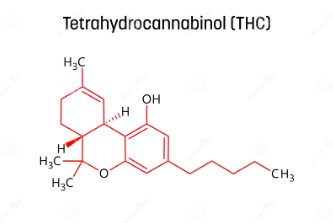
- Primary psychoactive compound.
- Binds to CB1 receptors, triggering vasodilation but also activating the sympathetic nervous system, causing increased heart rate and initial BP elevation.
- Can impair baroreflex sensitivity, leading to orthostatic hypotension.
B. Cannabidiol (CBD)
- Non-psychoactive.
- Exhibits anxiolytic, anti-inflammatory, and vasodilatory effects.
- May interact with serotonin receptors (5-HT1A) and TRPV1 receptors, influencing BP indirectly.
IV. Acute vs. Chronic Effects on Blood Pressure
A. Acute (Short-Term) Effects
Marijuana produces a biphasic response:
- Initial BP Elevation and Tachycardia (within 15–30 minutes):
- Driven by sympathetic activation.
- May be more pronounced in new users or with high-THC strains.
- Subsequent BP Reduction (within 1–2 hours):
- Due to vasodilation from CB1 receptor activation.
- Often accompanied by orthostatic hypotension (dizziness on standing).
B. Chronic (Long-Term) Effects
- Chronic users may develop tolerance to the acute cardiovascular effects.
- Some epidemiological studies suggest slightly reduced or stable blood pressure in regular users.
- However, chronic use may negatively affect cardiovascular health via metabolic or inflammatory pathways.
V. Clinical and Scientific Evidence
A. Evidence Supporting BP Reduction
- 2017 study in JCI Insight: Oral CBD reduced resting systolic BP and stress-induced BP spikes in healthy adults.
- Animal studies: Indicate that cannabinoids can produce vasorelaxation via endothelial and CB1-mediated mechanisms.
- CBD-rich cannabis strains: Often well-tolerated and associated with subjective improvements in stress and sleep indirectly helping BP control.
B. Evidence Indicating BP Elevation or Risk
- NESARC study (National Epidemiologic Survey): Daily cannabis use linked to slightly higher BP, though confounded by lifestyle factors (e.g., tobacco use).
- 2021 review in The American Journal of Medicine: Cannabis use associated with increased cardiovascular events (MI, arrhythmias), particularly in young adults.
- Cannabis-induced tachycardia and orthostatic hypotension: May raise fall risk in elderly or hypertensive patients.
VI. Contributing Factors to Cannabis’ Effects on Blood Pressure
A. Method of Administration
| Route | Impact on BP |
|---|---|
| Smoking/Vaping | Rapid onset, stronger acute changes |
| Edibles/Tinctures | Slower onset, longer duration, milder cardiovascular impact |
B. Cannabinoid Composition (THC vs. CBD)
| Compound | Effect on BP |
|---|---|
| High THC | Initial rise in BP, potential anxiety/tachycardia |
| High CBD | BP-lowering, calming effects |
C. User Profile
| User Type | Effect Profile |
|---|---|
| New/Naive | More likely to experience BP elevation and dizziness |
| Regular/Chronic | Tolerant to cardiovascular effects, may experience mild hypotension |
D. Health Status
- Pre-existing hypertension: Cannabis may alter response to medications.
- Elderly: Higher risk for hypotension, falls, and arrhythmias.
- Cardiovascular disease: Cannabis use especially THC-dominant strains—may exacerbate heart rhythm instability.
VII. Drug Interactions and Cautions
A. Interactions with Blood Pressure Medications
Cannabis may interact with:
- Beta-blockers
- Calcium channel blockers
- ACE inhibitors
These interactions can lead to:
- Enhanced hypotensive effects
- Altered drug metabolism via CYP450 enzyme inhibition (especially by CBD)
B. Combination with Other Substances
- Alcohol: Synergistic depressant effects can further lower BP.
- Stimulants (e.g., caffeine, cocaine): May worsen BP elevation and heart rate issues.
VIII. Therapeutic Considerations
A. Potential Benefits
- Stress and Anxiety Reduction: Cannabis may indirectly lower BP through relaxation and sleep improvement.
- Pain Management: Chronic pain relief can reduce sympathetic stress response.
- CBD as an Antihypertensive Adjunct: Preliminary data supports this role in select patients.
B. Clinical Limitations
- Lack of dosage standardization
- High variability in individual responses
- Regulatory and research barriers limit large-scale trials
C. Not Recommended For
- Patients with uncontrolled hypertension
- Those with heart rhythm disorders
- Elderly prone to falls
IX. Summary Table: Does Marijuana Raise or Lower Blood Pressure?
| Variable | Effect on Blood Pressure |
|---|---|
| Initial Use (THC) | Raises BP temporarily |
| Chronic Use (with tolerance) | May slightly lower BP |
| High THC strains | Mixed effects (elevated HR, potential vasodilation) |
| High CBD strains | Generally lower BP or stabilize it |
| Oral consumption | Milder and slower effects |
| Smoking/Vaping | Rapid onset, greater BP fluctuations |
| In elderly or heart patients | Increased risk of hypotension or arrhythmia |
X. Conclusion
The effect of marijuana on blood pressure is biphasic and individualized:
- Short-term use often causes an initial rise in BP and heart rate, followed by transient hypotension.
- Long-term use may lead to tolerance, potentially resulting in neutral or mildly reduced BP effects.
- CBD-dominant formulations show more consistent hypotensive effects and better tolerability.
Cannabis is not a primary therapy for hypertension, and its cardiovascular effects can pose risks especially for elderly individuals or those with pre-existing heart conditions. Patients considering cannabis for medical reasons should consult a healthcare provider, particularly if they are on blood pressure medications or have cardiovascular risk factors.
Continued research is needed to clarify cannabis’ role in cardiovascular regulation, establish safe therapeutic dosages, and understand long-term outcomes in different populations.
