Table of Contents
Does marijuana lower blood pressure
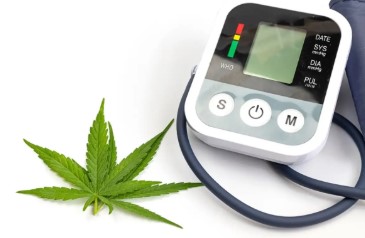
Marijuana’s impact on blood pressure is complex and depends on various factors, including dosage, method of consumption, individual health status, and chronicity of use. While some evidence suggests marijuana may transiently lower blood pressure, particularly in the case of chronic or high-dose use, the overall cardiovascular response is variable and may involve both hypotensive and hypertensive effects.
Short-Term Effects:

Immediately after consumption—especially via inhalation—tetrahydrocannabinol (THC), marijuana’s primary psychoactive compound, tends to cause an initial increase in heart rate and systolic blood pressure due to sympathetic nervous system activation. This is often followed by a reduction in blood pressure due to vasodilation (widening of blood vessels) and parasympathetic rebound. This biphasic pattern is more pronounced in inexperienced users and those taking large doses.
Chronic Use and Tolerance:
With regular use, some individuals develop tolerance to THC’s cardiovascular effects. In such cases, marijuana may contribute to chronic blood pressure reduction. Cannabidiol (CBD), another key cannabinoid, exhibits anxiolytic and vasodilatory properties, potentially lowering blood pressure over time through decreased stress and inflammation.
Medical Considerations:

Clinical studies show mixed results. A 2017 study in JCI Insight found that CBD reduced resting blood pressure and the blood pressure response to stress. However, THC’s effects remain less predictable. In older adults or those with cardiovascular disease, marijuana use may pose risks—particularly orthostatic when standing, hypotension—a sudden drop in blood pressure—can cause lightheadedness or falls.
Conclusion:
Marijuana may lower blood pressure in some users, particularly through vasodilation and anxiety reduction. However, due to its initial hypertensive response and variable effects based on dose and individual physiology, it should not be considered a primary treatment for hypertension. Clinical supervision is recommended for users with cardiovascular concerns.
