Table of Contents
Does marijuana have nicotine in it
The question of whether marijuana contains nicotine is one that arises often due to overlaps in the methods of consumption between marijuana and tobacco particularly smoking. Despite their frequent association in social and cultural settings, marijuana (Cannabis sativa or Cannabis indica) and tobacco (Nicotiana tabacum) are botanically, chemically, and pharmacologically distinct. Nicotine is not naturally found in marijuana. However, the relationship between the two substances is nuanced, and understanding this fully requires an exploration into plant chemistry, human behavior, consumption methods, and potential interactions.
1. Chemical Composition of Marijuana vs. Tobacco
Nicotine in Tobacco:
Nicotine is an alkaloid naturally produced in tobacco plants, particularly in the Nicotiana genus. It acts as a stimulant by binding to nicotinic acetylcholine receptors in the central and peripheral nervous systems. It is both highly psychoactive and addictive, contributing to tobacco dependence. Tobacco smoke also contains over 7,000 other chemicals, many of which are toxic or carcinogenic.

Cannabinoids in Marijuana:
Marijuana does not naturally contain nicotine. Instead, its primary psychoactive constituents are cannabinoids, such as:
- THC (tetrahydrocannabinol): Responsible for marijuana’s euphoric effects.
- CBD (cannabidiol): Non-intoxicating, with various therapeutic potentials.
- Other minor cannabinoids include CBG, CBC, and THCV.
In addition to cannabinoids, marijuana contains terpenes (like myrcene, limonene, and pinene), which contribute to its aroma and may have modulatory effects on cannabinoids via the “entourage effect.”
2. Why the Confusion Exists: Blunts, Spliffs, and Shared Culture
Though marijuana doesn’t naturally contain nicotine, people often consume it in ways that introduce nicotine into the mix. The primary contributors are:
- Spliffs: A mixture of marijuana and tobacco rolled into a joint. Common in Europe, they combine the sedative effects of cannabis with the stimulant effects of nicotine.
- Blunts: Hollowed-out cigar or cigarillo wraps filled with cannabis. Since cigar wraps are made from tobacco leaf, they inherently contain nicotine even if nothing is added to them.
- Mixing Products: Some users intentionally mix cannabis and tobacco to alter the drug’s effects, increase burn rate, or stretch their cannabis supply.
These methods can deliver significant nicotine doses alongside cannabinoids, leading to the mistaken belief that marijuana itself contains nicotine.
3. Secondhand Exposure and Environmental Contamination
Another indirect route for nicotine presence near cannabis users is cross-contamination from tobacco smoke or shared paraphernalia in environments where both substances are used interchangeably. This may result in trace exposure but does not alter the intrinsic chemical profile of cannabis.
Additionally, laboratory analyses of cannabis products occasionally detect nicotine, but these instances are typically the result of contamination or deliberate adulteration, not natural biosynthesis.
4. Nicotine Biosynthesis Pathway: Absent in Cannabis
From a plant biology standpoint, nicotine is synthesized via the ornithine and putrescine pathways, specific to plants in the Solanaceae family (which includes tobacco, tomatoes, and potatoes). Cannabis belongs to a different plant family Cannabaceae which does not possess the enzymatic pathways required to produce nicotine.
Genetically and biochemically, there is no evidence that cannabis plants have ever developed the machinery to synthesize nicotine.
5. Vaping and Cannabis Nicotine Crossovers
Vape pens and e-liquids can sometimes be a gray area in this discussion. There are three main categories:
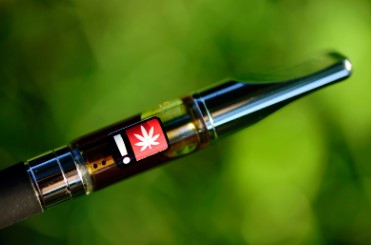
- Nicotine-only vapes: Contain nicotine salts or freebase nicotine.
- Cannabis-only vapes: Contain THC or CBD distillates with cannabis-derived terpenes.
- Hybrid vapes: Some products combine both nicotine and cannabis compounds.
These hybrids are often marketed for dual-use consumers but can blur the lines for users who may not be aware of what their device contains. In this context, reading product labels becomes critical to avoid unintended exposure to nicotine.
6. Physiological and Psychological Interactions
Although cannabis and nicotine are distinct, they can have interactive effects when used together:
- Neurochemical Modulation: Nicotine enhances dopamine release in brain reward circuits, which may potentiate the reinforcing effects of THC.
- Subjective Experience: Some users report increased euphoria or a “smoother high” when mixing the two substances.
- Dependence Risk: Combining nicotine and cannabis can increase the risk of dependence on both substances, especially when the method of administration reinforces habitual behavior (like smoking).
A 2020 study in Addiction Biology found that dual use of tobacco and cannabis was associated with higher levels of use frequency, stronger cravings, and more severe withdrawal symptoms during cessation attempts.
7. Youth and Public Health Concerns
Youth and adolescent use is a significant public health concern. The overlap of cannabis and nicotine use is more common in this age group than in older adults. Many teens who start with nicotine via vaping eventually progress to cannabis vaping or smoking, and vice versa.
- The addictive potential of nicotine can influence the development of habitual cannabis use.
- Products like flavored cigarillos and e-liquids appeal to young users, making it easier for cannabis-nicotine mixing to occur.
This intersection has prompted increasing calls for regulation of both industries, particularly regarding labeling, marketing, and access for youth.
8. Adulteration and Synthetic Products
In rare and concerning cases, black-market cannabis products may be adulterated with nicotine, opioids, or synthetic cannabinoids (e.g., Spice/K2). These are not representative of the natural cannabis plant but rather of poor manufacturing or deliberate contamination.
- These adulterated products pose significant health risks.
- Regulatory oversight and lab testing in legal cannabis markets significantly reduce this risk, highlighting the importance of sourcing cannabis from reputable sources.
9. Cannabis Use in Tobacco Cessation
Interestingly, CBD is being studied as a potential aid in nicotine cessation. Preclinical studies suggest that CBD may modulate nicotine-related cravings and anxiety, possibly by acting on the serotonin 5-HT1A receptors or through indirect effects on the endocannabinoid system.
A 2013 pilot study found that CBD inhalers reduced the number of cigarettes smoked in nicotine-dependent individuals by approximately 40% compared to placebo. To validate these findings on a bigger scale, more research is necessary.
10. Conclusion: No Nicotine in Marijuana, but Context Matters

In summary:
- Marijuana naturally does not contain nicotine.
- Nicotine is specific to tobacco and some other members of the Solanaceae plant family.
- Confusion arises due to common consumption practices, such as smoking cannabis in tobacco wraps or mixing it with tobacco, leading to nicotine exposure.
- Vape products and hybrid use also contribute to cross-exposure, especially among youth.
- Though cannabis itself is nicotine-free, its frequent co-use with tobacco increases health risks, including heightened dependence potential and lung damage.
Understanding this distinction is essential for both users and public health professionals. Education around product contents, consumption methods, and the physiological interactions between cannabis and nicotine is key to safer, more informed use.
