Table of Contents
Does marijuana go bad
Marijuana, like many organic substances, is subject to degradation over time. Whether you’re a medical patient, a recreational user, or a cultivator, understanding the shelf life and storage of cannabis is essential to preserving its potency, flavor, and safety. While cannabis doesn’t exactly “expire” like perishable food, it can certainly go bad in terms of quality and usability. This guide explores how and why marijuana degrades, what signs to look for, how long it lasts, proper storage techniques, and the consequences of using aged or improperly stored cannabis.
1. What Does It Mean for Marijuana to “Go Bad”?
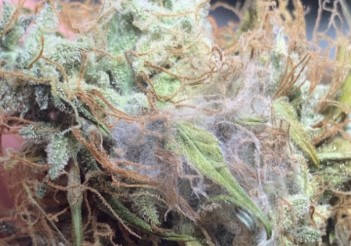
Unlike items with a clear expiration date, cannabis doesn’t rot or spoil in a traditional sense unless it’s exposed to excessive moisture, in which case mold and mildew can grow. Instead, “going bad” typically refers to:
- Loss of potency: Over time, THC (tetrahydrocannabinol), the psychoactive compound in cannabis, degrades into cannabinol (CBN), which is less intoxicating and has a more sedating effect.
- Loss of aroma and flavor: Terpenes, the aromatic oils responsible for the smell and flavor of cannabis, evaporate and oxidize over time, diminishing the sensory experience.
- Change in texture and appearance: Cannabis can become brittle, dry, and harsh when smoked if it is stored poorly.
2. Shelf Life of Cannabis: How Long Does Marijuana Last?
The longevity of cannabis depends on storage conditions and whether it’s in flower form, concentrates, or edibles.
Cannabis Flower
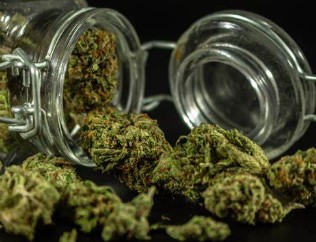
- Properly stored: Cannabis buds can retain much of their potency and flavor for 12 to 18 months under ideal storage conditions.
- Beyond 2 years: THC degradation becomes significant. Cannabis is still usable but will produce weaker effects and may taste off.
Concentrates and Oils
- Wax, shatter, oil, rosin: These last around 6 months to 1 year if stored in a cool, dark, airtight environment. Light and heat speed up degradation.
- Tinctures: Alcohol-based tinctures can last several years if sealed properly and kept away from sunlight.
Edibles
- Shelf life varies widely depending on ingredients. Baked goods may spoil in days to weeks, while gummies or hard candies can last several months if stored properly. Always check the manufacturer’s expiration date.
3. Signs That Marijuana Has Gone Bad
Cannabis should be examined closely before use, especially if it has been stored for a long time or under questionable conditions.
Physical Signs:
- Mold or mildew: White, fuzzy, or grey spots, or a smell resembling musty basement or damp clothes. It is therefore dangerous to eat.
- Too dry or brittle: Excessively dry weed crumbles to powder and burns too quickly, offering a harsh smoke.
- Discoloration: A brown, yellow, or dull color may indicate old or improperly cured cannabis. Fresh cannabis typically appears green with visible trichomes.
Aroma Changes:
- Loss of scent: Good cannabis has a strong, strain-specific smell. A weak or hay-like scent indicates terpene degradation.
- Unpleasant odors: Sour, ammonia-like, or moldy smells suggest contamination or spoilage.
4. Chemical Degradation of Cannabinoids and Terpenes
Marijuana’s active components, particularly THC and CBD, degrade due to exposure to oxygen, light, and heat.
- THC degrades into CBN, a non-psychoactive cannabinoid with sedative properties.
- Terpenes evaporate easily and can be lost within months in warm, exposed environments.
- CBD, while more stable than THC, also degrades under poor conditions, losing its therapeutic properties over time.
A 1999 study by the United Nations found that THC content can decline by about 16% per year when stored at room temperature in the light. In total darkness and cooler conditions, however, the degradation rate is much lower.
5. Health Risks of Using Spoiled or Moldy Cannabis
Consuming old, dry cannabis typically isn’t harmful, but moldy cannabis poses serious health risks.
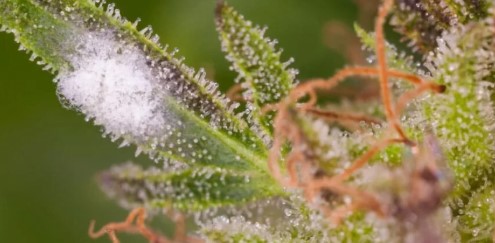
- Mold spores can cause respiratory issues, especially in immunocompromised users or those with asthma or allergies.
- Mycotoxins, produced by some molds, are toxic and potentially carcinogenic.
- Symptoms of exposure may include coughing, nausea, sinus infections, or more severe conditions like pulmonary aspergillosis.
If cannabis shows signs of mold, it should be discarded immediately.
6. How to Properly Store Cannabis
Preserving marijuana’s quality hinges on how it’s stored. The ideal conditions protect it from light, oxygen, humidity, and temperature fluctuations.
Key Storage Tips:
- Use airtight containers: Glass jars with tight lids (mason jars) are ideal. Avoid plastic bags or containers, which can degrade trichomes.
- Keep it cool: Ideal storage temperature is between 60–70°F (15–21°C). Excess heat speeds up THC degradation.
- Control humidity: Relative humidity should be between 55–62% to prevent mold without drying the flower out. Use humidity control packs if possible.
- Avoid light exposure: UV rays degrade THC rapidly. Store cannabis in a dark place or in tinted jars.
- Limit air exposure: Oxygen oxidizes cannabinoids and terpenes. Store cannabis in a full (not half-empty) jar or use vacuum sealing.
Avoid Refrigeration or Freezing
- Refrigerators often have fluctuating humidity, which can cause condensation and mold.
- Freezing can make trichomes brittle, leading them to fall off when handled.
7. Can You Revive Old or Dry Weed?
While you can’t reverse cannabinoid degradation, rehydrating overly dry cannabis is possible.
- Humidity packs: Products like Boveda or Integra Boost reintroduce moisture gradually.
- DIY methods: Place the dry cannabis in a jar with a small slice of citrus peel (orange or lemon) or a damp paper towel sealed in a mesh bag. Leave for 12–24 hours, checking for mold.
- Do not overdo it: Over-rehydrating can invite mold growth or ruin flavor with too much added scent.
These methods may improve texture and smokeability but won’t restore lost potency.
8. Best Practices for Long-Term Storage
If you plan to store cannabis for more than a few months:
- Vacuum-seal the product to eliminate oxygen.
- Use glass jars with humidity control and store in a cool, dark drawer or closet.
- Consider storing in cannabis humidor boxes or temperature-controlled cannabis safes for higher-grade products or concentrates.
For long-term medical use, proper storage ensures therapeutic efficacy without compromising health.
9. Conclusion: Does Marijuana Go Bad?
Yes; marijuana goes bad, but not in the same way food spoils. The aging process of cannabis involves potency loss, terpene evaporation, and possible mold development under improper conditions. With optimal storage airtight glass containers, stable humidity, minimal light, and cool temperatures cannabis can retain quality for up to 18 months or longer.
While old cannabis isn’t necessarily unsafe, its effects, aroma, and experience will likely be diminished. Always inspect weed for mold or unusual characteristics before use, especially if it’s been stored for months or more.
Understanding the science of cannabis degradation helps consumers make better decisions, protect their health, and get the most out of their product whether for medical or recreational purposes.
