Table of Contents
Does marijuana cause lung cancer

The potential link between marijuana use and lung cancer remains inconclusive. While marijuana smoke contains carcinogens similar to those in tobacco, direct causation has not been definitively established.
Composition of Marijuana Smoke
The following dangerous chemicals are present in marijuana smoke:
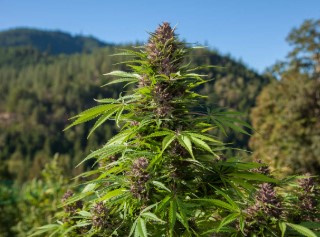
- Carcinogens: Polycyclic aromatic hydrocarbons (PAHs), benzopyrene.
- Respiratory irritants: Tar and volatile compounds.
These are similar to those found in tobacco smoke, which is a known lung cancer risk.
Biological Effects on the Lungs
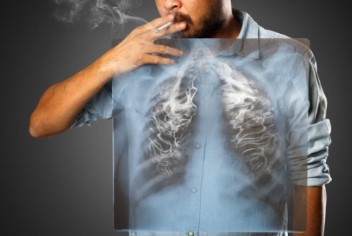
- Inflammation: Chronic marijuana smoking may lead to airway inflammation and bronchitis.
- Cellular damage: Some studies show structural abnormalities in lung tissues and potential precancerous changes.
- Deep inhalation patterns: Marijuana smokers often inhale more deeply and hold smoke longer than tobacco users, increasing lung exposure.
Epidemiological Evidence
- Inconclusive results: Large-scale studies have not consistently shown a clear association between marijuana and lung cancer.
- Confounding factors: Concurrent tobacco use, lower overall cannabis consumption, and differences in smoking techniques make it difficult to isolate marijuana’s impact.
Conclusion
While marijuana smoke contains known carcinogens, there is no definitive evidence proving it causes lung cancer. Nevertheless, smoking any plant material carries inherent risks. Vaporization or oral ingestion may offer safer alternatives pending further research.
