Table of Contents
1. Does marijuana cause depression
Depression is a widespread mental health condition characterized by persistent sadness, low motivation, sleep disturbance, and cognitive impairments. Cannabis, sometimes known as marijuana, is one of the most widely used psychoactive chemicals in the world. As cannabis legalization grows, concerns about its impact on mental health—especially depression—have become increasingly prominent.

This article explores the relationship between marijuana use and depression in a structured format, covering epidemiology, neurobiology, risk factors, protective elements, and clinical implications.
2. Cannabis and the Brain: Basic Neurobiology
The Endocannabinoid System (ECS)
The ECS is a regulatory system involved in mood, stress, sleep, and appetite. It includes:
- CB1 and CB2 receptors
- Endocannabinoids (e.g., anandamide, 2-AG)
- Enzymes that synthesize and degrade cannabinoids
THC and CBD
- THC (Tetrahydrocannabinol): The primary psychoactive component; binds to CB1 receptors, affecting mood and perception.
- CBD (Cannabidiol): Non-intoxicating; interacts with serotonin receptors and may have antidepressant effects.
THC and CBD have opposing roles—THC may worsen anxiety or depression at high doses, while CBD may buffer these effects.
3. Epidemiological Evidence: Association or Causation?
Observational Studies
Many population-based studies have found an association between cannabis use and increased depression risk:
- A 2014 JAMA Psychiatry meta-analysis reported a 37% higher risk of depression among cannabis users, particularly adolescents.
- The National Epidemiologic Survey on Alcohol and Related Conditions (NESARC) found higher rates of depressive symptoms among heavy users, although causality was unclear.
Longitudinal Findings
- Some longitudinal studies suggest that early cannabis use (before age 18) increases the risk of developing depression in adulthood.
- However, reverse causality (i.e., depressed individuals self-medicating with cannabis) remains a confounding factor.
Conclusion: Epidemiological evidence shows correlation, not definitive causation.
4. Biological Mechanisms Linking Cannabis and Depression
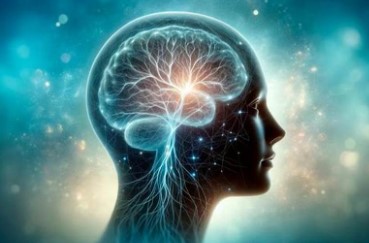
Dopaminergic Dysregulation
- Chronic THC use may downregulate dopamine synthesis.
- Dopamine is critical for reward, motivation, and pleasure—blunted dopamine can lead to anhedonia, a key feature of depression.
Serotonin Disruption
- Cannabis may modulate serotonin pathways.
- While CBD may enhance serotonin receptor activation, long-term THC exposure may desensitize serotonin signaling, contributing to depressive states.
Endocannabinoid Deficiency
- Frequent cannabis use may desensitize CB1 receptors.
- This dysregulation can impair mood stability, emotional response, and stress resilience.
Neuroplasticity and BDNF
- Brain-derived neurotrophic factor (BDNF), important for brain cell growth, may be reduced with chronic cannabis exposure.
- Low BDNF levels are strongly linked to depression.
5. Differential Impact of THC vs. CBD
THC (Tetrahydrocannabinol)
- High doses of THC can cause:
- Anxiety
- Paranoia
- Cognitive dulling
- Depressive symptoms
CBD (Cannabidiol)
- Exhibits antidepressant-like effects in preclinical studies.
- Modulates 5-HT1A serotonin receptors and reduces inflammation.
- May counterbalance some of THC’s adverse effects.
Conclusion: THC is more likely to contribute to depression, while CBD may be protective.
6. Risk Factors for Cannabis-Induced Depression
Age of Onset
- Adolescents are particularly vulnerable:
- THC has an effect on the developing brain.
- Early use is associated with higher rates of major depressive disorder (MDD) in adulthood.
Frequency and Dose
- Daily or heavy use increases the risk of mood disturbances compared to occasional use.
Genetic Susceptibility
- Variants in genes such as:
- COMT (affecting dopamine metabolism)
- AKT1 (linked to psychosis and mood regulation)
- These may predispose individuals to negative psychiatric outcomes with cannabis.
Co-occurring Conditions
- Those with existing mood, anxiety, or personality disorders are more prone to depressive symptoms after cannabis use.
7. Self-Medication and Depression: A Bidirectional Relationship
Self-Medication Hypothesis
- Some individuals with depression use cannabis to alleviate:
- Sleep disturbances
- Anxiety
- Emotional numbness
Maladaptive Use
- Chronic self-medication may worsen mood in the long run.
- Tolerance and dependency may develop, further complicating mental health.
Conclusion: While cannabis may temporarily relieve symptoms, it may also reinforce depressive patterns.
8. Cannabis Withdrawal and Depression
Cannabis Withdrawal Syndrome (CWS)
- Occurs in frequent users upon cessation.
- Symptoms may include:
- Depressed mood
- Irritability
- Insomnia
- Fatigue
- These symptoms peak within the first 7–10 days and may mimic or exacerbate clinical depression.
Note: Distinguishing between withdrawal and underlying depression is critical in clinical settings.
9. Cannabis and Suicide Risk
Suicide Ideation and Attempts
- Some studies, especially among youth, report increased suicidal thoughts in heavy cannabis users.
- It’s unclear whether cannabis directly contributes to suicidal behavior or merely reflects underlying depression.
Confounding Factors
- Trauma, socioeconomic status, family history of mental illness, or concurrent drug use may contribute to elevated risk.
10. Therapeutic vs. Recreational Use: Context Matters
Medical Use
- In controlled settings, cannabis (often high in CBD) may help:
- Cancer-related distress
- Chronic pain and comorbid depression
- PTSD symptoms
Recreational Use
- Often involves high-THC strains without regulation.
- More likely to result in mood disruption, especially with:
- High potency
- Lack of CBD
- Co-use of alcohol or other drugs
11. Current Clinical and Policy Perspectives
Clinical Guidelines
- American Psychiatric Association: Cannabis is not recommended as a treatment for depression.
- National Institute on Drug Abuse (NIDA): Warns against adolescent cannabis use due to psychiatric risks.
Physician Considerations
- Screen for cannabis use in patients with depression.
- Educate about the risks of self-medication and dependency.
- Offer evidence-based alternatives such as psychotherapy and pharmacological treatments.
12. Future Research Directions
To resolve ongoing uncertainties, studies must address:
- Causality vs. correlation: Does cannabis cause depression, or is it simply associated?
- Role of individual cannabinoids: Can CBD be isolated and used therapeutically?
- Impact of cessation: Does mood improve with long-term abstinence?
- Genetic and epigenetic moderators: Who is most at risk?
Large-scale, longitudinal studies and randomized controlled trials are needed.
13. Conclusion
Marijuana does not universally cause depression, but its relationship with mood is complex and multifactorial. Key takeaways include:
- Heavy or early cannabis use, especially with high-THC strains, is linked to an increased risk of depression, particularly in adolescents and genetically vulnerable individuals.
- CBD may offer therapeutic effects, though more evidence is required.
- Self-medication is common but may lead to worsened long-term outcomes.
- Withdrawal symptoms can resemble depressive episodes and complicate diagnosis.
Ultimately, marijuana’s effect on depression is context-dependent—shaped by dose, frequency, individual biology, and purpose of use. Caution, education, and further research are essential as cannabis use continues to grow globally.
