Table of Contents
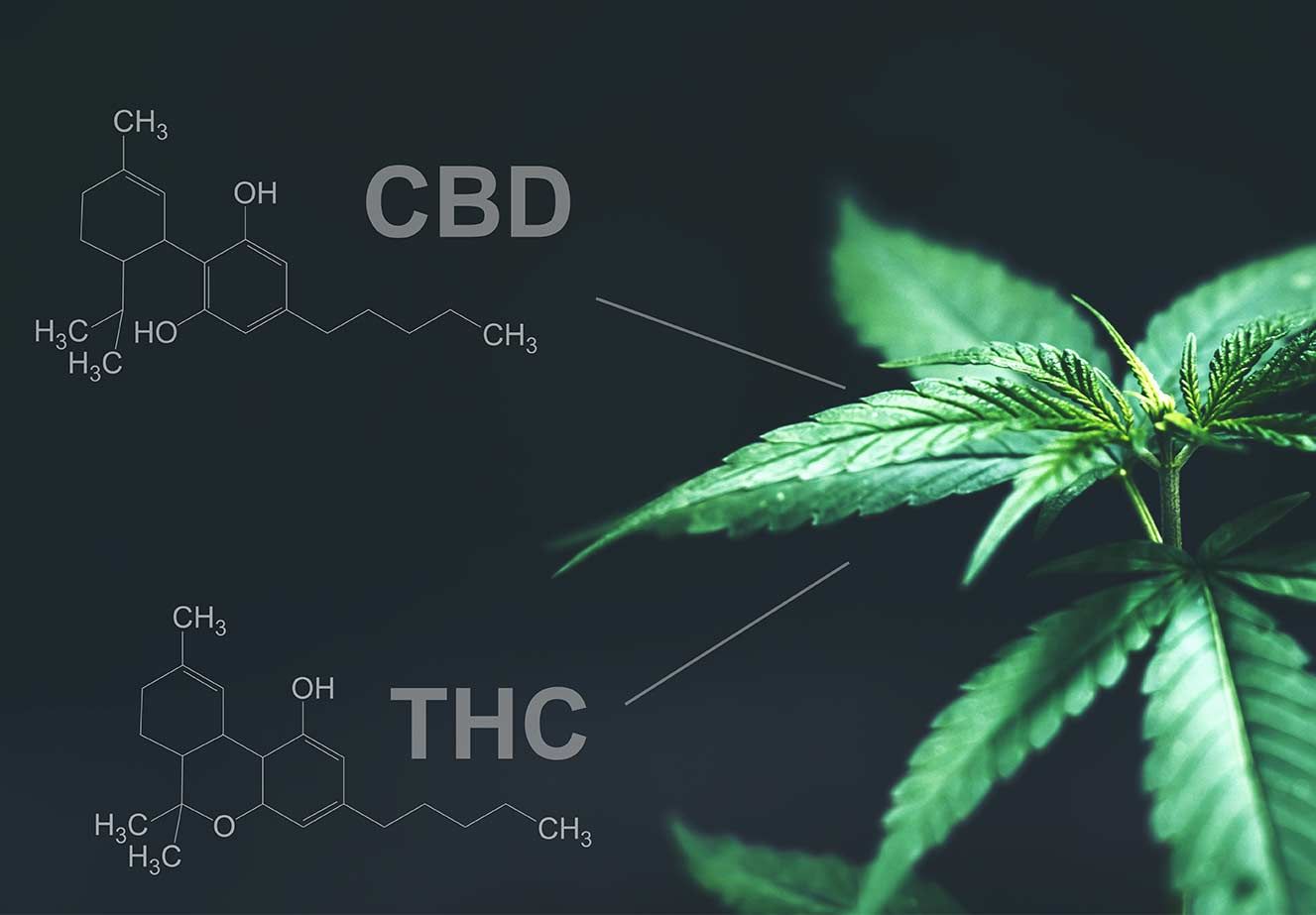
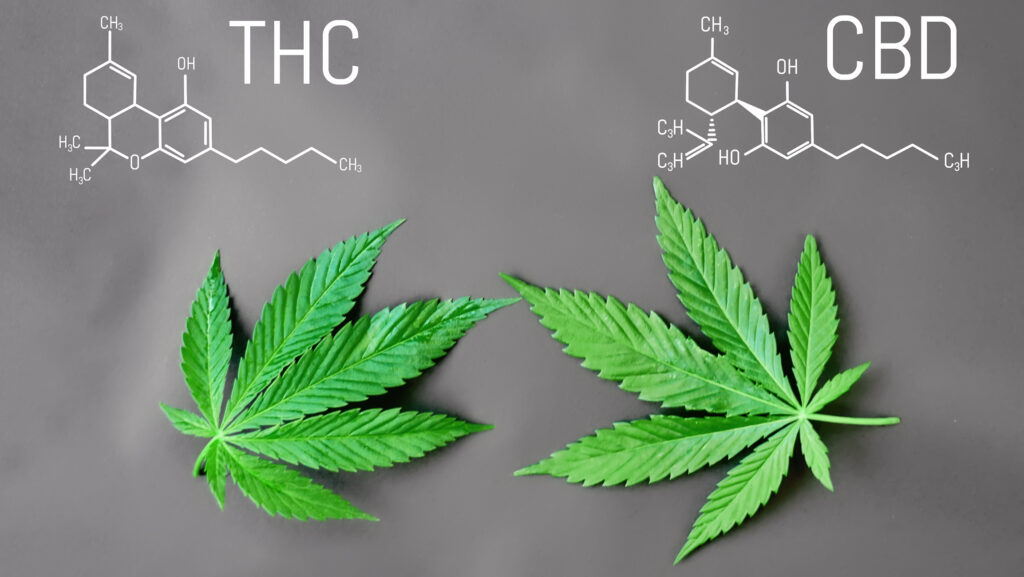
Cannabidiol (CBD) and tetrahydrocannabinol (THC) are two of the primary cannabinoids derived from the cannabis plant, each notable for their unique and significant impacts on human physiology. Although they share almost identical molecular structures, how CBD and THC interact with the human body differs significantly.
CBD and THC’s interaction is not only fascinating but also the subject of intense scientific study. A major area of research focuses on CBD’s ability to moderate the psychoactive and sometimes negative effects of THC. This issue becomes especially pertinent when THC is consumed in large amounts or leads to adverse reactions.
This article aims to delve deeply into the complex relationship between these two cannabinoids. It will provide a thorough analysis of current research and offer evidence-based insights into how CBD may influence the effects of THC. The discussion will include an exploration of how CBD might counteract some of the undesirable effects associated with THC, such as anxiety, paranoia, and cognitive disturbances. By potentially diminishing these effects, CBD could contribute to making the consumption of cannabis a safer and more balanced experience for individuals.
Furthermore, the article will explore additional dimensions of the CBD-THC interaction, examining theoretical and empirical studies that shed light on their pharmacological contrasts and synergies. Additionally, this analysis will explore the implications of these findings for clinical practice and public health. This includes crafting guidelines for safer cannabis use, developing therapeutic approaches, and educating consumers on effective and responsible consumption practices. Through this comprehensive exploration, the article aims to enhance understanding of how CBD and THC can be effectively balanced to harness their benefits while mitigating risks, thereby contributing to informed and health-conscious use of cannabis.
The Role of the Endocannabinoid System and Cannabinoid Receptors
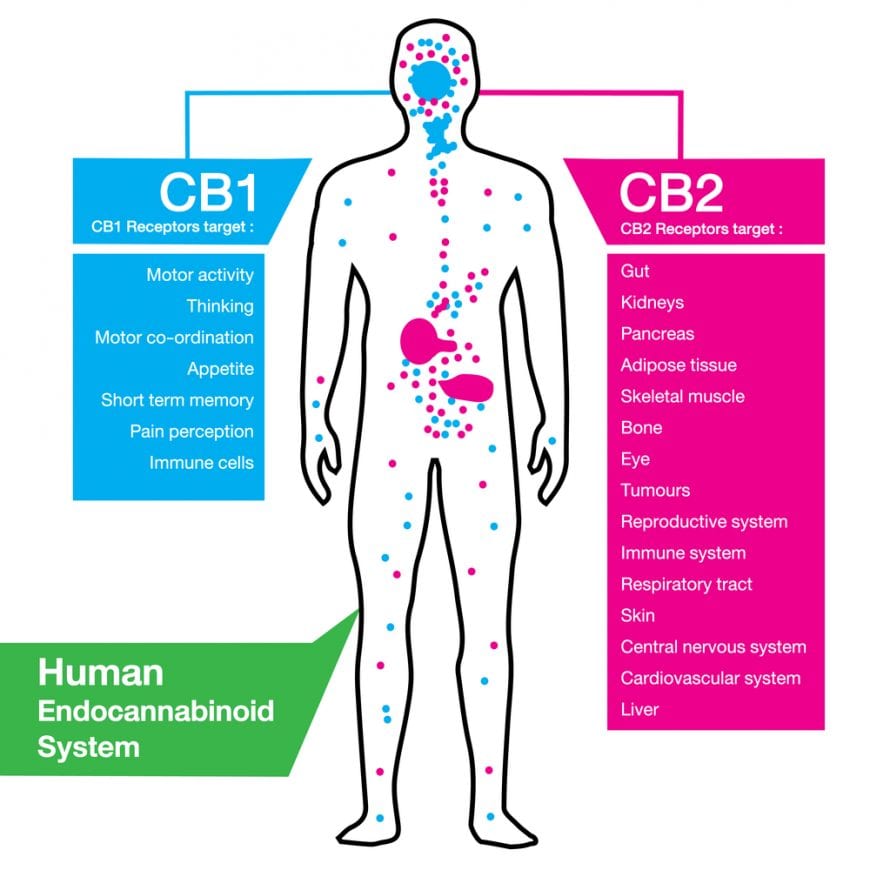
To fully comprehend the interaction between cannabidiol (CBD) and tetrahydrocannabinol (THC), it is crucial to first understand the endocannabinoid system (ECS) present within the human body. The ECS is an intricate network that includes cannabinoid receptors, endogenous cannabinoids (endocannabinoids), and enzymes, all of which play vital roles in maintaining bodily homeostasis and regulating a range of physiological functions. These functions encompass mood regulation, appetite control, pain sensation, and the immune response, among others.
The ECS primarily features two types of cannabinoid receptors: CB1 and CB2 receptors play distinct roles within the body. CB1 receptors are primarily found in the central nervous system, where they impact neurological functions and are crucial in mediating the psychoactive effects of THC. In contrast, CB2 receptors are more commonly found in the peripheral nervous system and within immune cells, where they influence inflammation and immune cell activities.
THC is known for its strong affinity for the CB1 receptors, which is a key factor in its ability to produce psychoactive effects. Conversely, CBD interacts differently within the ECS. It displays a much lower affinity for both CB1 and CB2 receptors and often functions as an antagonist to these receptors. This means that CBD can potentially block or modulate the effects that THC has on these receptors.
Moreover, CBD’s interaction with the ECS also includes its ability to influence other non-cannabinoid receptors and ion channels and to inhibit the reuptake of endogenous neurotransmitters, which can enhance the overall effect of endocannabinoids. Through these mechanisms, CBD is believed to potentially lessen some of the undesirable effects of THC, such as anxiety and paranoia. Additionally, CBD provides its therapeutic benefits, modulating pain, inflammation, and various other physiological processes.
Understanding these interactions and mechanisms is essential for both medical professionals and consumers to effectively use cannabis and its constituents for therapeutic purposes, especially in a landscape where both CBD and THC are increasingly utilized in various medical and recreational contexts.
How CBD Mitigates the Effects of THC
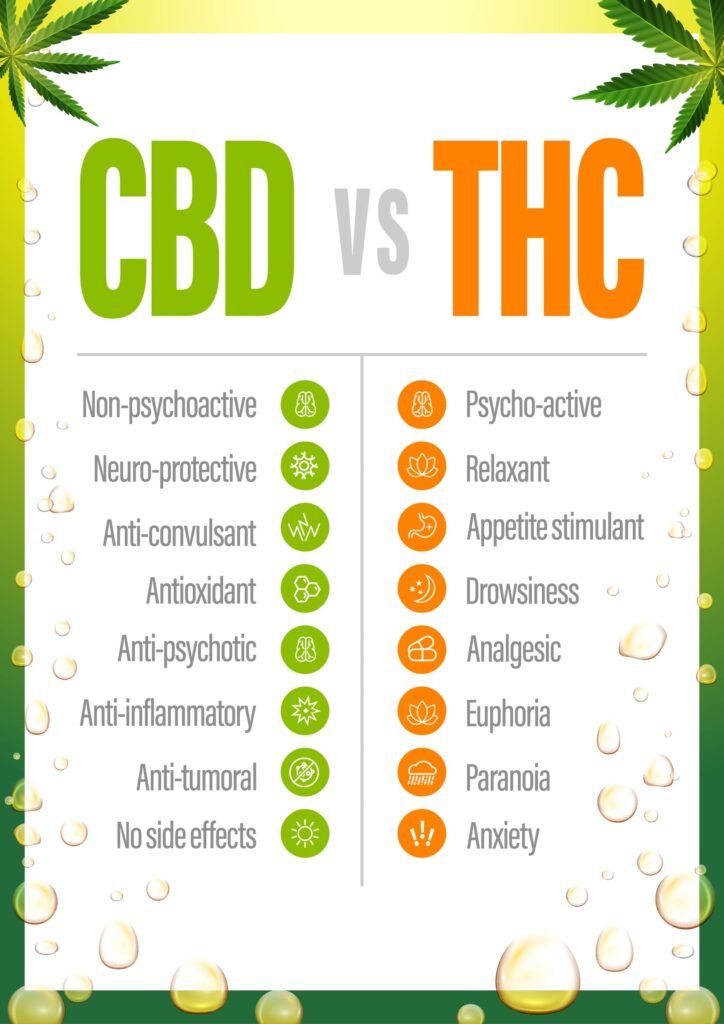
- Competitive Receptor Binding Dynamics When CBD and THC coexist in the system, there is a potential for CBD to compete directly with THC for binding to the CB1 receptors, which are predominantly found in the central nervous system. By binding to these receptors, CBD may not activate them as vigorously as THC, which is known for its strong psychoactive effects. Consequently, CBD’s presence can attenuate the psychoactive impact of THC by preventing it from fully activating the CB1 receptors, thus moderating its overall effects on the user.
- Modulation of Neurotransmitter Systems THC’s interaction with the body involves increasing the release of certain neurotransmitters, notably dopamine, which contributes to its well-known euphoric effects. Unlike THC, CBD does not stimulate such intense neurotransmitter release. Instead, it may act to modulate or decrease the release of these neurotransmitters, thereby balancing or counteracting some of the psychological effects induced by THC, such as heightened euphoria or sensory perception.
- Anxiolytic Effects and Anxiety Reduction High concentrations of THC are sometimes associated with triggering anxiety or paranoia, particularly in individuals who may be more susceptible to these effects. CBD, on the other hand, has demonstrated anxiety-reducing (anxiolytic) properties in various studies. By exerting these calming effects, CBD can help counteract the anxiety or paranoia that may result from consuming high doses of THC, thereby offering a protective buffer to THC’s more challenging side effects.
- Mitigation of Cognitive and Motor Impairments THC is known to impair cognitive and psychomotor performance, which can affect abilities such as coordination and reaction times. Some studies suggest that CBD might help alleviate these impairments. The potential of CBD to mitigate such effects makes it a valuable companion to THC, possibly enhancing safety and functionality by preserving clearer cognitive and motor functions during THC exposure.
- Anti-inflammatory Actions Beyond its neurological effects, CBD is also lauded for its potent anti-inflammatory properties. These properties can be particularly beneficial in counteracting inflammation or irritation that THC might exacerbate in some users. By reducing such inflammatory responses, CBD not only assists in managing physical discomfort but also contributes to a healthier physiological state following THC consumption.
- Regulation of Memory and Cognitive Functions THC has the potential to adversely affect memory and other cognitive functions temporarily. Conversely, CBD has been observed to modulate these effects, particularly in brain regions involved in memory and learning. This modulation is thought to help stabilize cognitive functions that THC might disrupt, thereby aiding users in maintaining better cognitive clarity and memory retention even while under the influence of THC.
Together, these mechanisms underscore the multifaceted ways in which CBD interacts with THC. By acting through various biological pathways, CBD serves to temper the psychoactive, cognitive, and physiological effects of THC, potentially making cannabis use safer and more beneficial for users, especially those sensitive to THC’s stronger effects.
Variables Influencing Individual Reactions to CBD and THC
It is crucial to recognize that individual reactions to cannabis can vary greatly, influenced by several key factors:
- Genetic Predisposition: Genetic makeup can determine how one metabolizes and reacts to cannabinoids, influencing the efficacy and side effects of both CBD and THC.
- Tolerance Level: Regular exposure to cannabis can lead to increased tolerance, affecting how one responds to both CBD and THC in terms of both intensity and duration of effects.
- Dosage and Ratio of CBD to THC: The specific amounts and the relative proportions of CBD and THC consumed can drastically alter their effects, with different ratios offering varied experiences in psychoactivity and symptom relief.
- Method of Consumption: How cannabis is ingested (smoking, vaping, edibles, tinctures, etc.) can significantly impact the onset, intensity, and duration of its effects.
- Overall Health Status: An individual’s general health, including the presence of any medical conditions, can affect the body’s response to cannabinoids.
Given these variables, the degree to which CBD may mitigate the effects of THC can vary greatly from one individual to another. Users and healthcare providers need to consider these factors when assessing the potential outcomes of cannabis use.
Does CBD Offset THC?
Can CBD Fully Neutralize the Effects of THC?
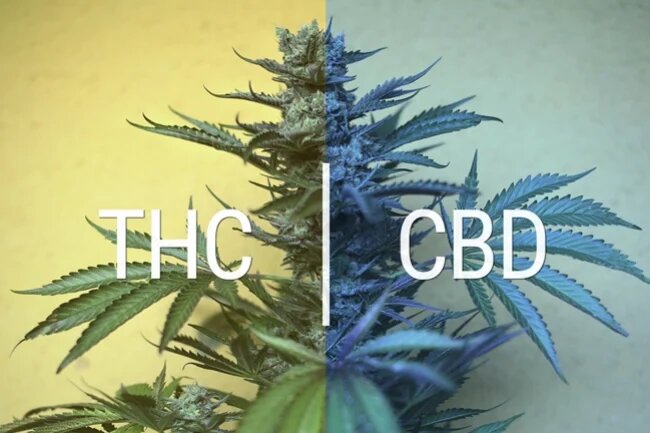
Cannabidiol (CBD) has been shown to moderate certain effects of tetrahydrocannabinol (THC), but it does not entirely neutralize them. The degree to which CBD can counteract the influence of THC is influenced by several variables.
- Dosage and Ratio: The specific amounts and the proportion of CBD to THC consumed play a critical role in determining the interaction between these two compounds. Different ratios can lead to varying extents of mitigation.
- Individual Physiology: The unique physiological characteristics of an individual, such as metabolic rate and genetic predispositions, significantly affect how one’s body processes and responds to both CBD and THC.
Thus, while CBD can lessen some of THC’s effects, the complete neutralization of these effects is not typically achievable. The interaction between CBD and THC is intricate and influenced by a variety of factors that require careful consideration.
Is It Safe to Use CBD to Mitigate the Effects of THC?
Cannabidiol (CBD) is widely regarded as safe and typically well-tolerated, possessing an advantageous safety profile. Nonetheless, it is essential to consult a healthcare professional before using CBD, especially for individuals with pre-existing health conditions or those taking medications that could potentially interact with cannabinoids.
- Safety Considerations: Although CBD is considered safe for general use, individual reactions can vary, and the compound may produce side effects in some users.
- Healthcare Consultation: It is crucial to consult with a healthcare provider, as they can provide personalized advice tailored to your health history and any medications you are currently taking. This step ensures that the use of CBD does not adversely affect your overall health or interfere with existing treatments.
- Potential Drug Interactions: Cannabinoids like CBD can interact with various pharmaceuticals, altering their effectiveness or leading to unintended side effects. A healthcare professional can assess potential risks and recommend suitable dosages or alternative treatment options.
In conclusion, while CBD holds a favorable safety profile, professional medical advice is recommended to optimize safety and efficacy, particularly for those with health complexities or those taking other medications.
What is the Ideal CBD to THC Ratio for Mitigating Negative Effects?
The most effective ratio of cannabidiol (CBD) to tetrahydrocannabinol (THC) for neutralizing adverse effects can differ based on individual factors and the particular symptoms intended to be mitigated. Research has provided some insights into this matter:
- Study Findings: Preliminary studies indicate that a 1:1 ratio of CBD to THC may be beneficial for alleviating symptoms such as anxiety and cognitive impairments that are often associated with THC consumption. This balance is believed to harness the therapeutic effects of both cannabinoids while reducing potential negatives.
- Need for Further Research: Despite these initial findings, there is a pressing need for more comprehensive research to define precise ratios for varying conditions and individual responses. Current studies are yet to provide definitive guidelines that can be universally recommended.
- Individual Variability: It is important to recognize that the ideal ratio may vary widely among different individuals, influenced by factors such as genetic makeup, previous exposure to cannabinoids, and personal health conditions.
In summary, while a 1:1 ratio of CBD to THC shows promise for reducing certain negative effects of THC, further investigation is required to establish specific recommendations tailored to diverse therapeutic needs and personal health profiles.
Can CBD Consumption Alleviate THC-Induced Paranoia or Anxiety?
Indeed, the consumption of cannabidiol (CBD) may provide relief from paranoia or anxiety induced by tetrahydrocannabinol (THC), attributable to its anxiolytic (anxiety-reducing) properties. Here is a detailed examination:
- Anxiolytic Properties: CBD is known for its capacity to alleviate anxiety, which potentially makes it effective in countering the anxiety or paranoia that sometimes accompanies THC consumption.
- Strategic Use: For individuals who experience adverse effects such as paranoia or anxiety after using THC, incorporating a CBD product that contains minimal THC could be beneficial. This approach leverages the calming properties of CBD to counteract the anxiety-inducing effects of THC.
- Product Selection: Choosing the right CBD product is crucial. It is advisable to use products with a higher CBD-to-THC ratio for those seeking to minimize the unsettling side effects often associated with high levels of THC.
In summary, utilizing CBD with a low THC content can serve as a strategic intervention to alleviate negative reactions like paranoia or anxiety triggered by THC, thanks to CBD’s inherent anxiolytic characteristics.
Are There Any Potential Risks in Using CBD to Neutralize THC?
Cannabidiol (CBD) is widely regarded as safe; however, it can interact with various medications and may lead to side effects, including fatigue, appetite alterations, and diarrhea in certain individuals. Here is a detailed analysis:
- Medication Interactions: CBD has the potential to interact with several medications by affecting the way the body processes these drugs. These interactions can modify the effectiveness of medications or heighten the risk of adverse effects.
- Common Side Effects: Although CBD is usually well-tolerated, it can lead to side effects like fatigue, appetite changes, and diarrhea. While these effects are generally mild, they can be disruptive for some individuals.
- Dosage and Monitoring: When using CBD to mitigate the effects of THC, it is crucial to begin with a low dosage. Monitoring your body’s response to CBD is important to ensure it is well tolerated and effective. Modify the dosage according to your tolerance and the effects you experience.
- Professional Guidance: If adverse reactions occur, it is advisable to cease using CBD and consult with a healthcare professional. A medical expert can provide guidance based on an individual’s health status and specific circumstances, ensuring the safe and appropriate use of CBD.
In conclusion, while CBD offers a promising option for counteracting the effects of THC, it is important to approach its use cautiously, particularly regarding dosage and potential interactions with other medications. Consulting healthcare professionals can help navigate these concerns effectively.
Conclusion
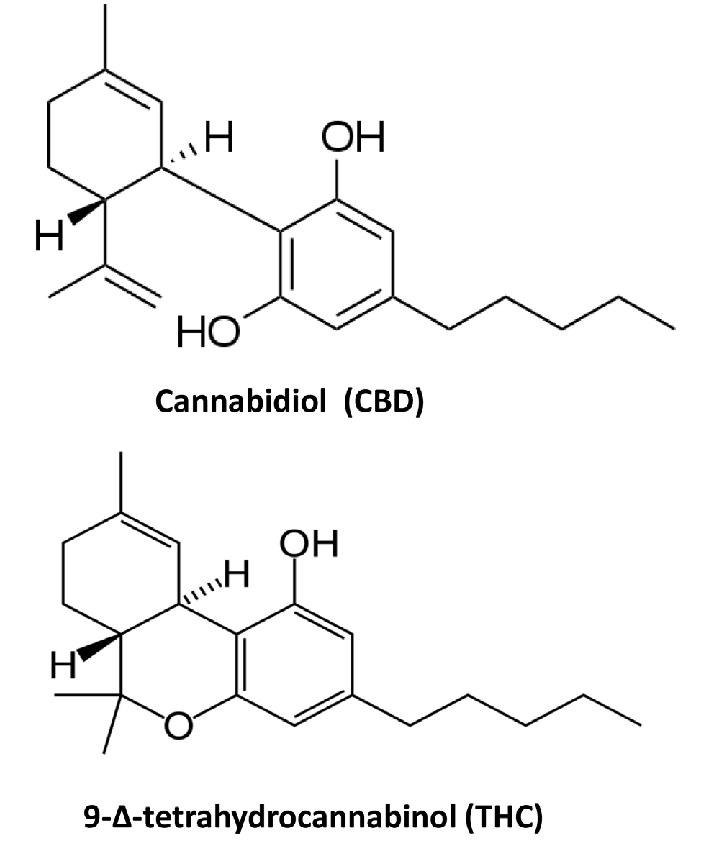
Cannabidiol (CBD) and tetrahydrocannabinol (THC) share a complex interrelationship, wherein CBD may alleviate some of the negative effects associated with THC consumption. CBD accomplishes this through multiple mechanisms, including antagonistic receptor binding which moderates the interaction of THC with the central nervous system. Additionally, CBD can modulate the release of neurotransmitters, potentially reducing the euphoric and psychoactive effects of THC. It also has anxiolytic and anti-inflammatory properties that may reduce anxiety and inflammation, further mitigating the physiological impacts of THC.
Despite these potential benefits, the response to cannabinoids varies significantly among individuals, and the detailed dynamics of how CBD and THC interact are not fully understood. This variability highlights the necessity for additional research to thoroughly understand the complex interactions between these compounds.
For individuals considering the use of CBD to counteract the effects of THC, it is imperative to select high-quality products that have undergone rigorous third-party testing. It is also essential to consult with a healthcare professional who has expertise in cannabinoids. Such a professional can provide tailored advice that considers your specific health needs and the potential interactions of CBD and THC. This careful approach ensures that the use of CBD to mitigate THC’s effects is both safe and effective, tailored to individual health profiles and needs.
