Table of Contents
Does CBD get you high?
Introduction to CBD: What Is It?
Cannabidiol (CBD) is a compound derived from the Cannabis sativa plant that has gained significant attention in both medical and consumer circles for its health benefits without inducing psychoactive effects. Unlike delta-9-tetrahydrocannabinol (THC), CBD does not produce the “high” typically associated with cannabis. This document aims to provide a detailed introduction to CBD, covering its chemical attributes, extraction sources, and the regulatory environment surrounding its usage.
Chemical Characteristics and Sources
CBD is one of more than a hundred cannabinoids found in cannabis plants. While it shares chemical similarities with THC, its effects on the human body are markedly different. CBD is primarily extracted from industrial hemp, which has low THC levels, making it the preferred source for commercial CBD products due to fewer legal restrictions. The extraction processes, including the carbon dioxide method, are designed to ensure that the resulting CBD is highly pure and potent.
Mechanism of Action
CBD’s therapeutic effects are attributed to its interactions with the body’s endocannabinoid system (ECS), which regulates various physiological responses such as pain, mood, and immune function. Unlike THC, CBD does not bind directly to the cannabinoid receptors in the ECS, explaining its non-intoxicating therapeutic effects. It is also thought to influence other non-ECS biological targets, which may contribute to its wide-ranging health benefits.
Therapeutic Uses
CBD has garnered attention for its potential to treat a variety of medical conditions, including anxiety, chronic pain, and specific forms of epilepsy. The U.S. Food and Drug Administration (FDA) has approved Epidiolex, a CBD-based drug, for treating certain severe forms of epilepsy, namely Dravet syndrome and Lennox-Gastaut syndrome. Research into CBD’s efficacy for other disorders such as anxiety, inflammation, and neurodegenerative diseases is ongoing and promising.
Regulatory Considerations
The legal framework surrounding CBD differs widely by region. In the United States, CBD products sourced from hemp containing less than 0.3% THC are federally legal, although state-specific regulations may vary. Globally, the legality of CBD varies widely, and both consumers and businesses must navigate a complex patchwork of laws.
Conclusion
CBD stands out as a cannabinoid with significant therapeutic potential, distinguished by its lack of psychoactive effects. As research into CBD continues, our understanding of its benefits and mechanisms is expected to expand, potentially leading to broader medical applications and evolving legal frameworks. Individuals considering CBD for health-related purposes should seek advice from medical professionals to confirm its suitability for their specific conditions and to ensure compliance with applicable regulations.
Chemical Differences Between CBD and THC
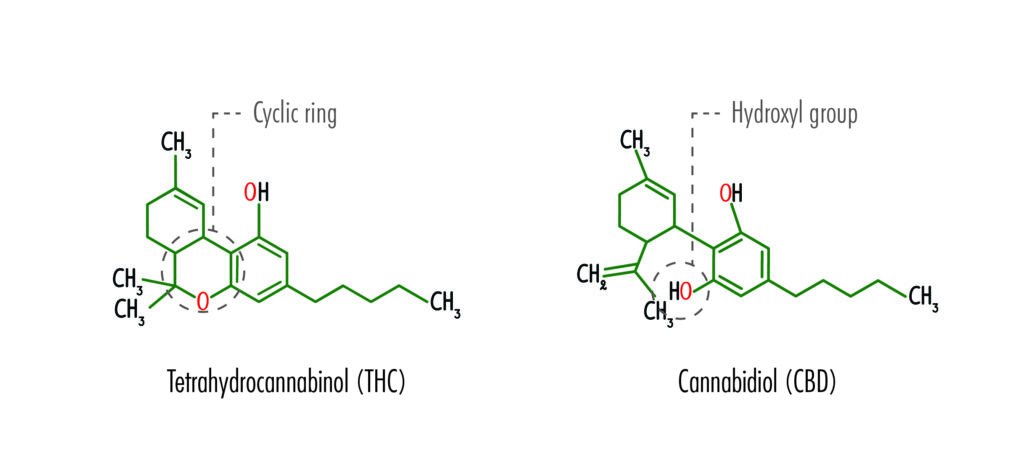
Cannabidiol (CBD) and Tetrahydrocannabinol (THC) are the two main cannabinoids extracted from the Cannabis sativa plant, extensively studied for their differing impacts on the human body. Although they share the same molecular formula, the differences in their chemical structures lead to distinct interactions with the body’s endocannabinoid system, influencing their respective psychoactive and therapeutic effects. This document delves into the chemical differences between CBD and THC, examining their molecular structures, receptor interactions, and the resultant physiological impacts.
Molecular Configuration
CBD and THC share the same molecular formula, C21H30O2, which includes 21 carbon atoms, 30 hydrogen atoms, and 2 oxygen atoms. However, the arrangement of these atoms differs between the two, leading to distinct three-dimensional structures that influence their biological activities.
Receptor Interactions
- THC: THC is noted for its psychoactive properties, largely due to its action as a partial agonist at CB1 receptors in the brain. By binding to these receptors, THC mimics certain natural cannabinoids in the body, activating these receptors and producing significant psychoactive effects, including euphoria and altered mental states.
- CBD: In contrast, CBD does not bind directly to CB1 or CB2 receptors. Instead, it influences these receptors indirectly and modulates other non-cannabinoid receptors and ion channels. CBD helps increase the levels of anandamide, a naturally occurring cannabinoid, by inhibiting its uptake and degradation, which contributes to its therapeutic effects without inducing a psychoactive response.
Physiological Outcomes
The interaction of CBD and THC with cannabinoid receptors leads to their divergent physiological effects:
- Psychoactive Outcomes: THC’s engagement with CB1 receptors brings about its well-known psychoactive effects, including mood changes, perceptual alterations, and cognitive disturbances, often referred to as the cannabis “high.”
- Therapeutic Benefits: CBD, however, is primarily associated with medicinal benefits and is researched for its potential anti-inflammatory, anti-anxiety, and anticonvulsant properties. These attributes make it particularly appealing for medical use where therapeutic benefits are desired without the psychoactive effects typically associated with THC.
Conclusion
Though chemically similar, CBD and THC exhibit different biological behaviors due to their distinct molecular structures and receptor interactions. These differences underscore THC’s psychoactive effects and CBD’s potential as a therapeutic agent. A clear understanding of these chemical distinctions is essential for making informed decisions about cannabis use, ensuring that consumers and medical practitioners can effectively weigh the benefits and risks associated with each cannabinoid.
The Psychoactive Properties of CBD Explained
Cannabidiol (CBD) is a notable compound extracted from the Cannabis sativa plant, distinguished from its more notorious counterpart, tetrahydrocannabinol (THC), known for its strong psychoactive effects. While Chttps://royalkingseeds.us/?s=CBD%20&post_type=productBD does not induce the classic “high” associated with THC, it is considered psychoactive in the broader sense because it can influence brain function, affecting mood, behavior, and mental health. This document delineates how CBD interacts with the brain and discusses its subtle psychoactive effects.
Neural Interactions of CBD
CBD’s interaction with the brain is multifaceted, involving various neurochemical pathways, but not predominantly through direct activation of the cannabinoid receptors targeted by THC.
- Modulation of the Endocannabinoid System: CBD indirectly affects the cannabinoid receptors CB1 and CB2 of the endocannabinoid system, which regulates mood, pain, and appetite. It enhances endocannabinoid signaling by inhibiting the degradation of anandamide, thereby influencing physiological and cognitive processes.
- Activation of Serotonin Receptors: CBD’s effects on serotonin receptors, especially the 5-HT1A receptor, are significant. Its modulation of these receptors can potentially reduce anxiety and depression, showcasing its psychoactive properties that can alter emotional states.
Psychoactive Properties of CBD
CBD’s psychoactive effects are distinct and more subdued compared to the intoxicating effects of THC, focusing more on mood stabilization and cognitive health.
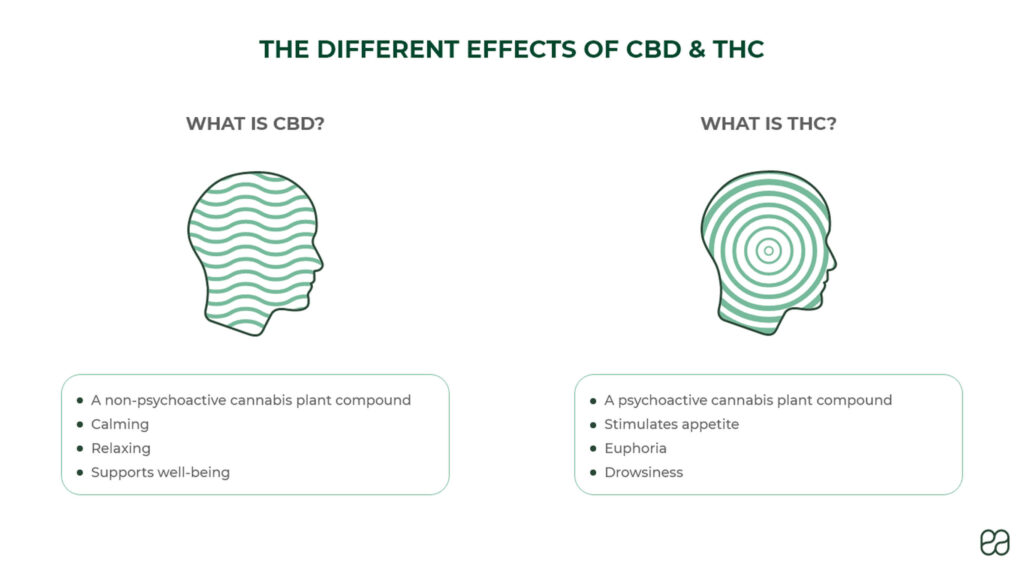
- Anxiety and Depression Relief: Research indicates that CBD may alleviate symptoms of anxiety and depression. This is in contrast to THC, which can sometimes intensify anxiety at higher doses. CBD generally has a calming effect, underscoring its psychoactive nature.
- Neuroprotective and Anti-Inflammatory Actions: CBD has shown potential for neuroprotection and inflammation reduction in various studies. These effects, though subtly influencing brain function, can improve cognitive health and performance, further qualifying CBD as psychoactive.
- Effects on Sleep Patterns: CBD can also impact sleep by promoting relaxation and reducing anxiety, indirectly contributing to improved sleep quality and duration.
Conclusion
CBD is psychoactive, not in the traditional sense of producing euphoria, but in its capacity to affect the brain and alter psychological states and cognitive functions. Its modulation of the endocannabinoid system, interaction with serotonin receptors, and influence on sleep and mood demonstrate its broad psychoactive impact. Understanding CBD’s nuanced psychoactive effects is essential for consumers, healthcare providers, and researchers to make informed decisions regarding its therapeutic applications and potential mental health benefits.
Common Misconceptions About CBD and Its Effects
As cannabidiol (CBD) continues to capture attention across the health and wellness industries, several misconceptions have emerged surrounding its nature, effects, and legal status. Correcting these misconceptions is essential for proper consumer education and informed decision-making. This document seeks to address and clarify the most common misunderstandings about CBD, providing accurate information based on current scientific evidence and regulatory standards.
Misconception 1: CBD is Intoxicating
Many people mistakenly believe that CBD is psychoactive and can induce a high similar to THC, the main psychoactive component in cannabis. Although CBD does interact with the central nervous system and can influence mood and mental states, it does not cause the euphoric high associated with THC. Instead, CBD’s psychoactive effects are more subdued and primarily involve modulation of mood and alertness, making it appealing for therapeutic use without the intoxicating effects.
Misconception 2: CBD is Legal Everywhere
The legal status of CBD products is complex and varies widely depending on the region and the source of the CBD. In the U.S., CBD products sourced from hemp (categorized as cannabis containing less than 0.3% THC) are federally legal, following the enactment of the 2018 Farm Bill. However, CBD from marijuana plants remains regulated under state laws. This legal variability often leads to confusion about where and how legally one can purchase and use CBD products.
Misconception 3: CBD is a Miracle Cure
CBD is often touted as a remedy for a myriad of health issues. While scientific studies have shown promising results for certain conditions like anxiety, epilepsy, and certain types of pain, CBD is not a universal cure-all. Its therapeutic efficacy varies by condition and individual, and claiming it can cure a wide range of diseases without solid evidence can mislead consumers and may result in unrealistic expectations.
Misconception 4: All CBD Products Are Created Equal
There is a significant variation in the quality and purity of CBD products, influenced by factors such as the source of hemp, extraction methods, and manufacturing practices. The CBD market suffers from a lack of standardization and regulatory oversight, leading to products that may differ in CBD concentration, contain contaminants, or even undisclosed amounts of THC. Consumers are advised to seek products from reputable providers who offer transparency and third-party testing results.
Conclusion
Understanding the realities of CBD, including its non-intoxicating nature, legal complexities, therapeutic potential, and the importance of product quality, is crucial for consumers and medical professionals alike. As the body of research grows and regulations evolve, these insights will help foster more accurate discussions and informed choices regarding the use of CBD in health and wellness contexts.
How CBD Interacts with the Endocannabinoid System
Cannabidiol (CBD), a non-psychoactive compound from the Cannabis sativa plant, interacts uniquely with the endocannabinoid system (ECS), unlike its psychoactive counterpart, tetrahydrocannabinol (THC). This paper examines how CBD engages with the ECS, which is integral to regulating physiological processes like mood, pain, appetite, and cognitive functions. Understanding CBD’s interaction with the ECS is crucial for assessing its potential therapeutic benefits and underlying mechanisms.
The Endocannabinoid System Explained
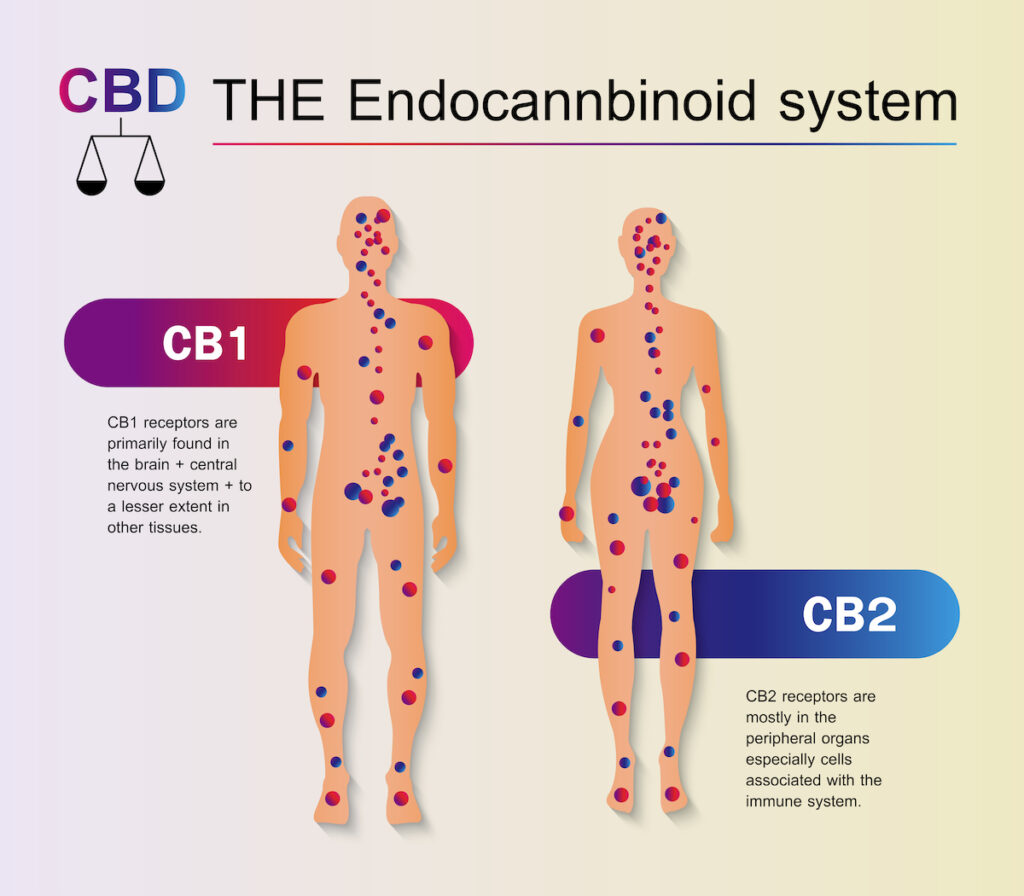
The ECS is comprised of cannabinoid receptors, enzymes, and endogenous cannabinoids that maintain bodily homeostasis. The primary receptors, CB1 and CB2, have distinct locations and functions: CB1 receptors are mainly found in the brain and nervous system, affecting neurotransmission, while CB2 receptors are prevalent in immune cells, influencing inflammation and immune response. Endocannabinoids such as anandamide and 2-arachidonoylglycerol (2-AG) activate these receptors, modulating various biological functions.
CBD’s Mechanisms of ECS Interaction
CBD’s interaction with the ECS is indirect and involves multiple mechanisms, distinguishing it from THC’s direct receptor binding:
- Receptor Modulation: CBD indirectly influences CB1 and CB2 receptor activities. It enhances endocannabinoid levels by inhibiting the reuptake and degradation of anandamide, thereby increasing its presence and efficacy at cannabinoid receptors without directly binding to them.
- Interaction with Non-Cannabinoid Receptors: Beyond the ECS, CBD interacts with other receptor systems. It acts as an agonist to the serotonin 5-HT1A receptors and as an antagonist to GPR55 receptors, impacting pathways related to pain, mood, and anxiety.
- Enzyme Inhibition: CBD inhibits fatty acid amide hydrolase (FAAH), the enzyme responsible for degrading anandamide. This action results in higher anandamide levels, enhancing ECS signaling.
Implications of CBD’s ECS Interaction
CBD’s modulation of the ECS and related systems suggests a variety of therapeutic potentials:
- Anti-inflammatory Effects: CBD’s modulation of immune responses and cytokine production may reduce inflammation, beneficial in conditions like arthritis and multiple sclerosis.
- Neuroprotective Properties: Enhancing endocannabinoid signaling could protect neural cells, indicating potential uses in neurodegenerative diseases such as Alzheimer’s and Parkinson’s.
- Pain Relief: By influencing pain pathways, CBD may help manage chronic pain, especially when associated with inflammation.
- Mental Health Benefits: The interaction with serotonin receptors may explain CBD’s effects on reducing anxiety and depression, providing potential non-traditional treatments for these disorders.
Conclusion
CBD’s nuanced interaction with the endocannabinoid system through various indirect mechanisms offers diverse therapeutic avenues, from neuroprotection and anti-inflammatory actions to mental health improvements. While CBD does not bind directly to cannabinoid receptors like THC, its ability to enhance endocannabinoid function and interact with other critical receptor systems makes it a compound of significant interest in medicine. Continued research is necessary to fully understand these interactions and to optimize CBD’s therapeutic applications.
The Legal Status of CBD and Its Implications
Cannabidiol (CBD), derived from the Cannabis sativa plant, has gained considerable attention for its potential health benefits without the psychoactive effects associated with tetrahydrocannabinol (THC). However, the legal landscape for CBD varies widely across different jurisdictions, reflecting a complex interplay between regulatory frameworks, medical research, and cultural attitudes towards cannabis products. This document examines the current legal status of CBD, the factors influencing its regulation, and the implications of these legal variances for consumers, businesses, and policymakers.
Overview of CBD Legal Status Worldwide
The legality of CBD hinges on factors such as its source (hemp or marijuana), THC content, and specific national or international regulations.
- United States: The 2018 Farm Bill federally legalized hemp-derived CBD containing less than 0.3% THC, though state laws vary, affecting the sale and use of CBD products. The FDA has yet to sanction the use of CBD in food products or as a dietary supplement.
- European Union: The EU permits hemp-derived CBD with less than 0.2% THC under certain conditions. However, variations exist among EU member states, and the Novel Food Regulation requires pre-market approval for CBD products intended for consumption.
- Canada: With the legalization of cannabis in 2018, CBD falls under the Cannabis Act, which regulates its production, sale, and distribution across the country.
- Asia and Australia: These regions often have stringent regulations, with CBD primarily restricted to medical use under tight controls, varying significantly by country.
Consequences of Legal Divergence
The varied legal status of CBD across regions has multiple implications:
- Consumer Safety and Accessibility: Inconsistent legal standards can complicate efforts to ensure the safety and quality of CBD products, potentially exposing consumers to poorly regulated or unsafe products.
- Economic and Industry Impact: The legal environment can significantly influence the CBD industry’s growth and development. Legal and regulated markets can foster industry growth, while strict laws may inhibit business operations and innovation in the sector.
- Research Opportunities: The scope of scientific research into CBD’s efficacy and safety is directly affected by its legal status. Legal restrictions can limit the ability to conduct comprehensive clinical studies necessary to substantiate health claims and understand potential risks.
- Regulatory Challenges: Developing coherent CBD policies that balance public health concerns, consumer rights, and legal issues is a significant challenge for regulators, especially given the international variations in law.
Conclusion
The legal status of CBD remains a contentious and evolving issue influenced by ongoing research, changing public perceptions, and diverse regulatory approaches. As the potential therapeutic benefits of CBD continue to interest the public and scientific community, it is vital that legal frameworks adapt to provide clear, evidence-based guidelines that promote public health, foster economic growth, and facilitate informed consumer choices. Keeping abreast of legal developments and participating in informed advocacy are crucial for stakeholders navigating the complexities of CBD regulation.
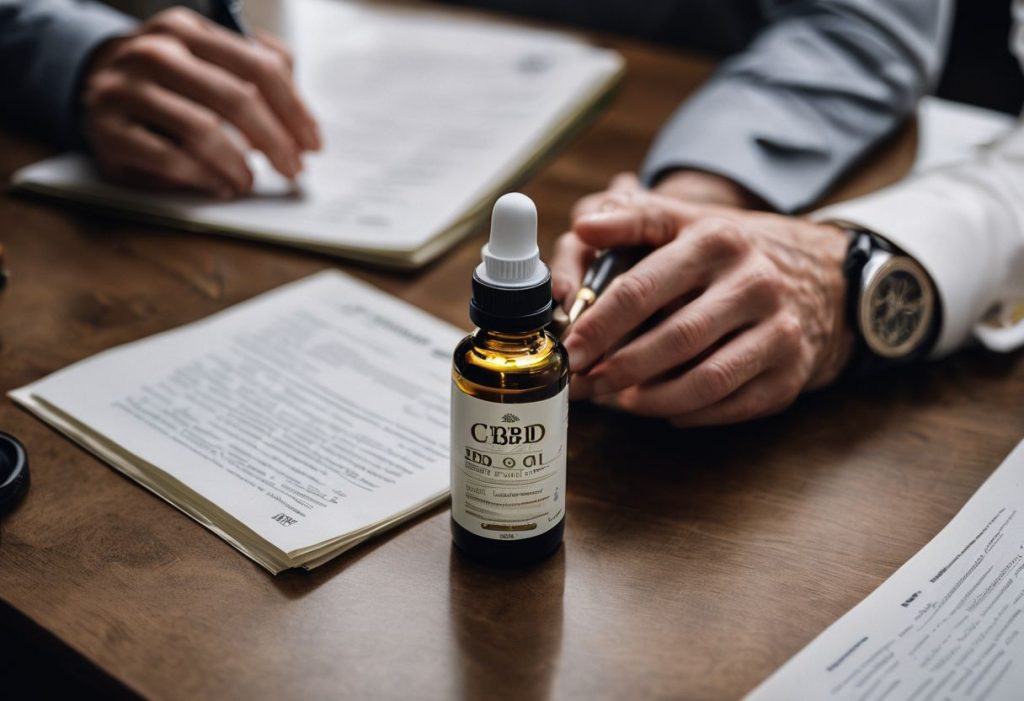
Personal Testimonies: Users’ Experiences with CBD
Cannabidiol (CBD) is a non-psychoactive component found in the Cannabis sativa plant, increasingly recognized for its potential health benefits. While empirical research into its medical applications is ongoing, the wealth of personal testimonies from CBD users provides essential insights into its practical effects. This document explores these personal accounts, which detail the variety of applications, the benefits experienced, and any adverse effects noted by users, thus enriching the understanding of CBD’s impact from a user-centric perspective.
Scope of User Testimonies
Individual reports on CBD usage cover a wide range of health and wellness issues. These firsthand accounts often highlight significant improvements in managing chronic conditions, mental health struggles, and general well-being, playing a vital role in informing and guiding potential users.
- Management of Chronic Pain: Users frequently report that CBD effectively mitigates chronic pain from conditions like arthritis, fibromyalgia, and chronic back pain. These accounts typically emphasize reduced inflammation and a decreased dependency on conventional pain relief medications.
- Alleviation of Anxiety and Stress: CBD is frequently lauded for its anxiety-reducing properties. Individuals suffering from conditions like generalized anxiety disorder and post-traumatic stress disorder report notable decreases in daily stress and anxiety, which contribute to a more serene mental state.
- Enhancement of Sleep Quality: Individuals with insomnia or other sleep-related issues report that CBD helps regulate their sleep patterns, resulting in improved sleep quality and duration.
- Symptom Relief in Neurological Disorders: There are also accounts of CBD being used to manage symptoms of neurological disorders like epilepsy and multiple sclerosis, with users noting a decrease in seizure frequency and muscle spasticity.
Reported Benefits and Perceived Efficacy
Beyond specific health improvements, user testimonies often reflect an overall enhancement in quality of life and well-being.
These personal accounts emphasize enhanced functionality in everyday activities and an overall boost in health and vitality.
Reported Side Effects and Safety Considerations
While the majority of user feedback on CBD is positive, some individuals report experiencing mild side effects, including fatigue, appetite changes, and gastrointestinal issues. Nonetheless, these side effects are generally described as minor, especially when compared to the side effects of many traditional medications.
Conclusion
Personal testimonies provide valuable perspectives on the effects of CBD, serving as a supplementary source of information alongside scientific research. While these anecdotal reports should not be seen as substitutes for empirical evidence, they do offer practical insights that can help guide potential users and inform healthcare providers about the varied effects of CBD. As interest in the therapeutic potential of CBD grows, it is crucial to understand these personal experiences to promote informed and responsible usage. Individuals considering CBD for therapeutic purposes should consult healthcare professionals to ensure that it is appropriate for their specific health needs and to understand the balance of potential benefits and risks.
Medical Research on CBD’s Psychoactive Effects
Cannabidiol (CBD), a compound derived from the Cannabis sativa plant, has captured significant interest from the medical community because of its psychoactive properties, which are distinctly different from those of tetrahydrocannabinol (THC), the plant’s primary psychoactive component. Although CBD does not induce the typical euphoric effects associated with THC, it impacts cognitive and emotional functions, which categorizes it as psychoactive. This document reviews the current medical research into CBD’s psychoactive effects and its potential as a therapeutic agent.
CBD’s Psychoactive Effects: Medical Research Focus
CBD is recognized for its non-intoxicating psychoactive effects, which can affect mood, anxiety, and pain perception. The interest in studying CBD’s psychoactive properties stems from its potential to treat mental health and neurological conditions safely, without the negative side effects often linked to THC.
Principal Research Areas on CBD’s Effects
- Mental Health (Anxiety and Depression): Extensive studies have explored CBD’s capacity to reduce symptoms of anxiety and depression. Studies indicate that CBD may affect serotonin receptors in a manner similar to selective serotonin reuptake inhibitors (SSRIs), showing promise for treating mood disorders.
- Neuroprotection: CBD’s possible neuroprotective properties are also under investigation. It is thought to possess antioxidant qualities that may protect brain cells from degenerative diseases like Alzheimer’s and Parkinson’s, where oxidative stress contributes significantly to neuronal damage.
- Epilepsy Treatment: CBD’s efficacy in reducing seizure frequency has been one of its most validated therapeutic uses. The FDA-approved CBD-based drug, Epidiolex, demonstrates how CBD’s psychoactive properties can be leveraged to treat certain childhood epilepsy forms.
- Chronic Pain Management: CBD’s potential to modulate pain perception through its interactions with the endocannabinoid system and other related bodily systems is being explored, especially for inflammatory conditions such as arthritis and multiple sclerosis.
Research Methodologies
To assess CBD’s psychoactive effects, researchers employ rigorous scientific methods, including double-blind placebo-controlled trials, longitudinal research, and comprehensive meta-analyses. These approaches help ensure the accuracy and applicability of research findings in the complex field of psychoactive substances.
Clinical and Therapeutic Implications
Research findings on CBD’s psychoactive effects could significantly impact clinical practices, particularly by providing alternative treatments for conditions where current options are limited or carry adverse side effects. CBD offers a potential pathway for safer, more effective treatments across various medical domains.
Conclusion
Medical research into CBD’s psychoactive effects shows promising therapeutic potential, especially for mental health, neuroprotection, epilepsy, and pain management. As the body of research grows, a deeper understanding of CBD’s mechanisms and benefits is anticipated, likely leading to novel clinical applications and therapies. Continued rigorous research is essential to fully delineate CBD’s role as a therapeutic agent, ensuring that its use in medical practice is both scientifically substantiated and clinically effective.
