Table of Contents
Do nurses get drug tested for marijuanas
Nurses, like many healthcare professionals, work in environments that place a premium on patient safety, regulatory compliance, and public trust. Given the high stakes involved in healthcare, questions about drug testing particularly for marijuana use are common, especially as legalization spreads across states and countries.

Overview of Drug Testing in Nursing
Nurses are subject to workplace drug testing because they work in safety-sensitive roles that involve direct patient care, the administration of medications (some of which are controlled substances), and rapid decision-making. In such settings, impairment due to drug use, including marijuana, poses a serious risk to patient safety. Drug testing policies for nurses are typically determined by:
- Employer policy (hospitals, clinics, home healthcare agencies, etc.)
- State and federal laws
- Licensing and regulatory boards (e.g., state Boards of Nursing)
- Accreditation and insurance requirements
Drug testing in healthcare settings is routine in four key scenarios:
- Pre-employment Screening
- Random Testing
- Reasonable Suspicion Testing
- Post-incident or Post-accident Testing
In all four scenarios, marijuana is often included in standard drug panels.
Legalization vs. Professional Regulation
One of the most misunderstood aspects of marijuana and employment is the difference between legal permissibility and professional expectations. While marijuana has been legalized in various forms in many U.S. states (medical and/or recreational), and in several countries, this does not mean nurses are free to use it without consequences.
Federal vs. State Laws
- Federal Law: Under the Controlled Substances Act, marijuana remains classified as a Schedule I substance, indicating it is illegal for any use at the federal level.
- State Law: Many states have legalized marijuana for medical or recreational use, and protections for off-duty use vary widely.
- Employment Law: Even in legal-use states, employers—especially those receiving federal funding—can still prohibit marijuana use and conduct drug tests that include it.
Because most healthcare institutions either receive federal funds (e.g., Medicare/Medicaid reimbursement) or are bound by federal standards (such as Department of Transportation rules or Joint Commission accreditation), they often maintain strict drug-free workplace policies.
Do Nurses Get Drug Tested for Marijuana?
Yes, nurses are commonly drug tested for marijuana, especially during hiring, after workplace incidents, or if there’s suspicion of impairment. Here’s how this plays out in practice:
1. Pre-employment Testing
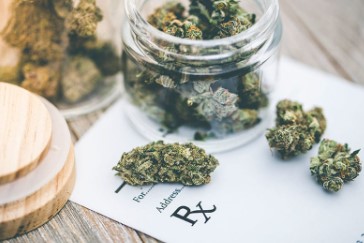
Most healthcare employers require drug screening before hiring nurses. These tests almost always include THC (tetrahydrocannabinol), the psychoactive component of cannabis. A positive result unless properly exempted through state-sanctioned medical marijuana usecan result in a job offer being rescinded.
Even in states where medical marijuana is legal, some employers still decline to hire a nurse who tests positive, citing safety concerns or federal policies.
2. Random Drug Testing
In many hospitals, nurses are subject to random drug tests. These are unannounced and aim to deter use. While not all healthcare employers use random testing, it’s becoming more common in high-risk units like:
- Emergency departments
- Intensive care units
- Surgical and anesthesia departments
- Pediatrics and oncology units
3. Reasonable Suspicion Testing
If a nurse appears impaired, behaves erratically, or makes an unusual medication error, they may be tested under a “reasonable suspicion” policy. This form of testing is often the most immediate and consequential. If marijuana is detected, the nurse may be suspended or removed from duty pending investigation.
4. Post-Incident Testing
When an adverse patient event or safety breach occurs (such as a medication overdose or fall), a nurse involved in the incident may be drug tested. If marijuana is found even if the nurse claims it was used off-duty the timing and presence of THC can complicate their defense, as THC metabolites can linger in the body long after use.
State Boards of Nursing and Marijuana Use
The majority of state nursing boards adopt a zero-tolerance stance when it comes to substance use that could impair patient care. Some boards have explicitly addressed marijuana use in their disciplinary frameworks.
Key considerations include:
- Impairment vs. Use: Boards are concerned primarily with impairment. However, the presence of THC even without clear impairment can be interpreted as a sign of poor judgment or a risk factor for future issues.
- Rehabilitation and Monitoring: If a nurse tests positive for marijuana, they may be required to enter a professional monitoring program, undergo treatment, or participate in regular testing to retain or reinstate their license.
- Medical Marijuana Exceptions: Some boards may consider medical marijuana use acceptable with valid prescriptions and documentation. However, this is not universal, and in many cases, even medical use must not interfere with job performance or patient safety.
Medical Marijuana Use and Nurses
While some nurses may qualify for medical marijuana in states where it is permitted, this doesn’t guarantee job protection. Most employers treat medical marijuana use similarly to prescribed opioids: legal use does not equal safe use in a high-risk clinical setting.
Nurses who use medical marijuana should:
- Review their employer’s policies carefully
- Disclose use to human resources if required
- Be prepared for scrutiny or alternative role assignment
- Avoid working while under the influence or with lingering effects
It’s worth noting that even if a nurse has a medical card, a failed drug test can still trigger disciplinary action unless specific protections exist under state law or labor agreements.
THC Testing and Detection Time
One complication with marijuana is the long window of detection. Unlike alcohol, which metabolizes quickly, THC metabolites can linger for days or even weeks, especially in chronic users. This creates challenges:

- A nurse may test positive long after they last used cannabis
- Detection does not necessarily correlate with impairment
- There is no universally accepted threshold for workplace “intoxication” from THC
Employers, however, typically don’t differentiate. A positive test result may be treated as policy violation regardless of timing.
Evolving Trends and Reforms
The landscape is slowly evolving. Several states have passed legislation to protect off-duty use of marijuana (primarily for medical users), and some healthcare employers are reevaluating blanket drug testing policies. However, these shifts are gradual and often exclude roles involving:
- Direct patient care
- Administration of controlled substances
- Operating heavy equipment or performing surgeries
Given this context, most nurses are still expected to adhere to strict drug-free workplace standards.
What Happens if a Nurse Tests Positive for Marijuana?
Outcomes vary depending on circumstances, employer policies, state laws, and whether the nurse has a medical marijuana authorization. Possible consequences include:
- Revoked or rescinded job offer
- Suspension or termination
- Mandatory enrollment in a substance use monitoring program
- Referral to peer assistance or alternative-to-discipline programs
- License investigation and potential disciplinary action
In some cases, particularly if no harm occurred and the nurse cooperates with treatment or testing requirements, they may return to work under probation.
Conclusion
Nurses are indeed subject to drug testing for marijuana, both during the hiring process and throughout their careers. Despite the growing legalization of cannabis, healthcare remains a conservative and tightly regulated field. Employers and licensing boards prioritize patient safety above all, often maintaining strict policies even when state laws allow personal use of marijuana.
Nurses who use marijuana either recreationally or medically must navigate a complex matrix of state, federal, and institutional rules. The safest approach for nurses who wish to protect their careers is to abstain from cannabis use or seek legal and HR guidance before engaging in it, even off the clock.
Ultimately, until federal laws and professional standards evolve in tandem with societal attitudes, marijuana use remains a high-risk choice for licensed nurses.
