Table of Contents
The cannabis industry has seen exponential growth in recent years, spurred by increasing legalization and acceptance worldwide. Among the myriad strains available, Divine CBD has emerged as a standout option, particularly for those seeking therapeutic benefits without the psychoactive effects typically associated with THC-rich strains. Renowned for its high cannabidiol (CBD) content and minimal tetrahydrocannabinol (THC) levels, Divine CBD offers a unique profile that caters to medical and recreational users alike. This document provides a detailed exploration of the strain’s characteristics, its specific medical and recreational uses, and a scientific analysis of its composition and effects.
Botanical Profile
Genetics and Origins
Divine CBD is a hybrid strain predominantly bred for its CBD-rich profile. Its genetic lineage often traces back to combinations of hemp-derived cultivars and high-CBD strains such as Charlotte’s Web or ACDC. These parent strains are known for their low THC content and their ability to deliver significant therapeutic benefits without inducing intoxication.
Physical Characteristics
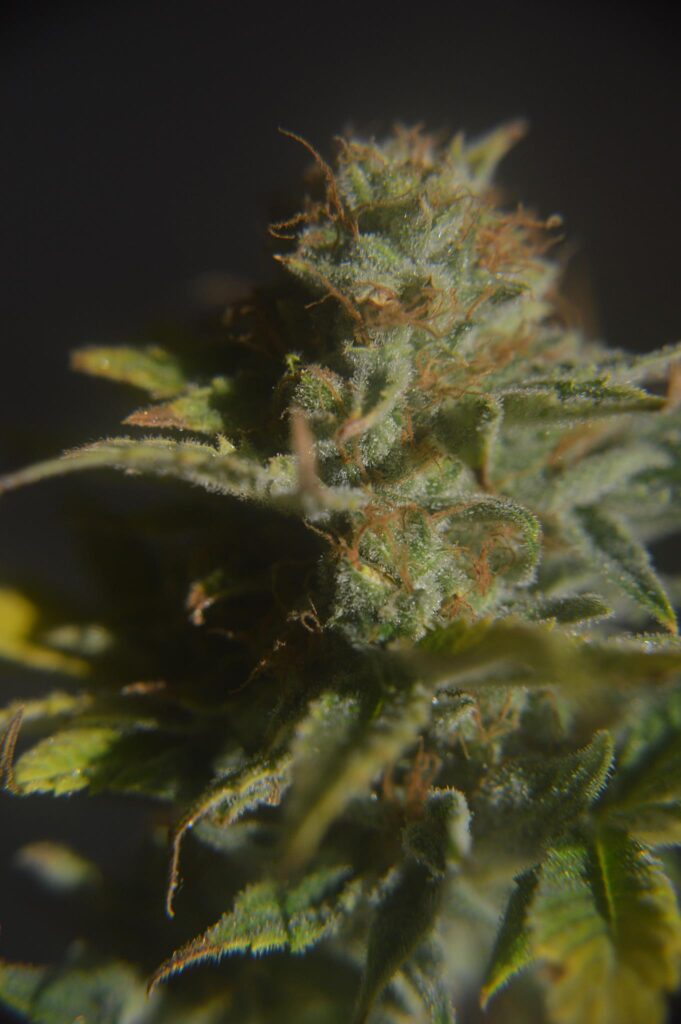
The plant exhibits characteristics typical of hybrid strains:
- Appearance: Dense, medium-sized buds with a vibrant green color interspersed with orange pistils and a frosty coating of trichomes.
- Aroma: A subtle, earthy fragrance combined with hints of citrus and pine.
- Flavor: Mild and pleasant, featuring earthy undertones with a slightly sweet, citrusy finish.
Chemical Composition
The defining feature of Divine CBD is its high CBD-to-THC ratio. Typical cannabinoid and terpene profiles include:
- CBD: 15-20%
- THC: Below 1% (usually 0.3-0.8%)
- Terpenes: Myrcene, pinene, limonene, and caryophyllene, contributing to its aroma, flavor, and therapeutic effects.
Medical Uses
The therapeutic potential of Divine CBD is rooted in its high CBD content, which interacts with the endocannabinoid system (ECS) in the body to control a number of physiological functions. A thorough analysis of its medical uses is provided below:
1. Pain Management
CBD is well-documented for its analgesic properties. Divine CBD offers relief for chronic and acute pain conditions, including:
- Arthritis: Reduces joint inflammation and alleviates stiffness.
- Neuropathic Pain: Provides relief for nerve-related pain, commonly seen in conditions like diabetes or multiple sclerosis.
- Post-Surgical Recovery: Aids in pain management without the risk of opioid dependency.
2. Anxiety and Stress
The anxiolytic properties of CBD make Divine CBD a popular choice for managing:
- Generalized Anxiety Disorder (GAD)
- Social Anxiety Disorder
- Post-Traumatic Stress Disorder (PTSD)
Users report a calming effect that helps alleviate racing thoughts and physical symptoms of anxiety, such as tense muscles and elevated heart rate.
3. Epilepsy and Seizure Disorders
CBD’s efficacy in reducing seizure frequency and severity is well-supported by clinical studies. Divine CBD can be particularly beneficial for:
- Dravet Syndrome
- Lennox-Gastaut Syndrome
4. Sleep Disorders
Divine CBD promotes restful sleep by:
- Reducing insomnia symptoms.
- Improving sleep quality and duration.
- Alleviating conditions that disrupt sleep, such as chronic pain or anxiety.
5. Inflammatory Conditions
CBD’s anti-inflammatory properties make this strain effective for conditions like:
- Inflammatory Bowel Disease (IBD): Reduces inflammation in the digestive tract.
- Autoimmune Disorders: Modulates the immune response to prevent overactivation.
6. Neuroprotection
Preliminary research suggests that CBD may protect neurons from damage, offering potential benefits for:
- Alzheimer’s Disease: Reduces neuroinflammation and oxidative stress.
- Parkinson’s Disease: Improves motor symptoms and slows disease progression.
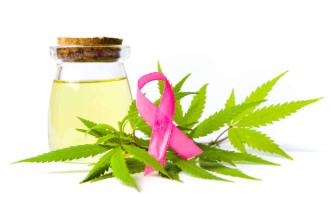
7. Cancer Symptom Management
Divine CBD helps alleviate:
- Nausea and Vomiting: Particularly during chemotherapy.
- Appetite Loss: Stimulates hunger without the psychoactive effects of THC.
- Pain and Fatigue: Improves overall quality of life.
Recreational Uses
While Divine CBD is primarily sought after for its medical benefits, it also has recreational applications, particularly for individuals seeking relaxation and mild euphoria without the “high” associated with THC.
1. Stress Relief and Relaxation
Many recreational users turn to Divine CBD to unwind after a long day. Its calming effects can:
- Ease tension and promote mental clarity.
- Encourage a feeling of wellbeing without compromising mental clarity.
2. Social Use
Thanks to its non-intoxicating nature, Divine CBD is ideal for social situations. Users report:
- Increased comfort in group settings.
- Enhanced focus and engagement without paranoia or lethargy.
3. Enhancing Physical Activities
The strain’s anti-inflammatory and analgesic properties can benefit individuals engaging in light physical activities such as yoga, hiking, or stretching.
4. Creative Pursuits
The subtle mood-enhancing effects of Divine CBD may boost creativity and help users achieve a relaxed yet focused state conducive to artistic or intellectual endeavors.
Scientific Insights
The effects of Divine CBD can be understood through its interaction with the ECS, body has a sophisticated cell-signaling mechanism that keeps homeostasis.
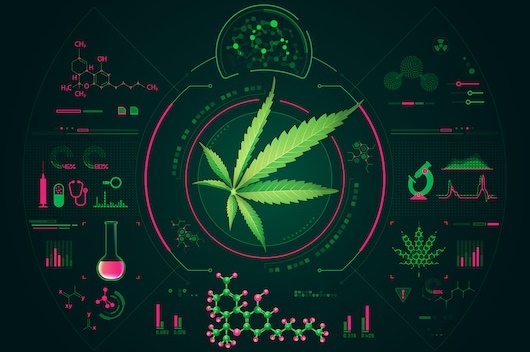
1. Cannabinoid Receptors
- CB1 Receptors: Found primarily in the brain and central nervous system, these receptors are minimally affected by CBD, which is why Divine CBD doesn’t cause intoxication.
- CB2 Receptors: Located in the immune system, these receptors are influenced by CBD to regulate inflammation and immune response.
2. Mechanism of Action
CBD indirectly influences the ECS by:
- Inhibiting the breakdown of anandamide (the “bliss molecule”), enhancing its effects on mood and pain regulation.
- Interacting with serotonin receptors to promote relaxation and reduce anxiety.
- Modulating TRPV1 receptors, which play a role in pain perception and inflammation.
3. Terpene Synergy (The Entourage Effect)
The terpenes in Divine CBD contribute significantly to its effects:
- Myrcene: Sedative and muscle-relaxant properties.
- Pinene: Enhances focus and has anti-inflammatory effects.
- Limonene: Elevates mood and provides anti-anxiety benefits.
- Caryophyllene: Influences CB2 receptors to lessen pain and inflammation.
Methods of Ingestion, Duration, Onset, and Effects of Divine CBD
Understanding the methods of ingestion, onset of effects, duration, and overall impacts of Divine CBD requires a detailed look at its pharmacokinetics and pharmacodynamics. Below is a comprehensive breakdown.
Methods of Ingestion
The way Divine CBD is consumed directly affects how it interacts with the body. Common methods include inhalation, sublingual, oral, and topical applications.
1. Inhalation (Smoking or Vaping)
- Mechanism: CBD is absorbed into the bloodstream via the lungs, bypassing the digestive system.
- Onset: Rapid (1-5 minutes).
- Duration: Shorter effects, typically lasting 2-4 hours.
- Bioavailability: 31-56% (relatively high due to direct bloodstream absorption).
- Advantages: Immediate relief for acute conditions such as pain or anxiety.
- Disadvantages: Potential irritation to the respiratory system.
2. Sublingual (Tinctures, Oils)
- Mechanism: CBD is absorbed through the mucous membranes under the tongue, bypassing the digestive tract.
- Onset: Intermediate (15-30 minutes).
- Duration: Moderate effects lasting 4-6 hours.
- Bioavailability: Approximately 13-35%, depending on formulation.
- Advantages: Precise dosing, faster onset compared to edibles.
- Disadvantages: Taste can be unpleasant for some users.
3. Oral (Capsules, Edibles, Beverages)
- Mechanism: CBD is absorbed through the digestive system and metabolized in the liver (first-pass metabolism).
- Onset: Slow (30-90 minutes).
- Duration: Long-lasting effects, up to 6-8 hours or more.
- Bioavailability: Low (4-20%) due to first-pass metabolism.
- Advantages: Convenient and discreet.
- Disadvantages: Delayed onset, less predictable dosing due to metabolic variations.
4. Topical (Creams, Balms, Patches)
- Mechanism: CBD penetrates the skin to interact with localized cannabinoid receptors but does not enter the bloodstream significantly.
- Onset: Varies (15 minutes to 1 hour for noticeable effects).
- Duration: Local effects can last up to 4-6 hours.
- Bioavailability: Minimal systemic absorption; localized action only.
- Advantages: Targeted relief for localized pain or inflammation.
- Disadvantages: Limited to surface-level applications.
5. Transdermal (Patches)
- Mechanism: CBD is delivered through the skin into the bloodstream over time.
- Onset: Slow (1-2 hours).
- Duration: Long-lasting effects, up to 24 hours.
- Bioavailability: Higher than topical but still moderate.
- Advantages: Consistent, long-lasting dosing.
- Disadvantages: More expensive; limited availability of products.
Duration and Onset of Effects
| Method | Onset | Duration | Notes |
|---|---|---|---|
| Inhalation | 1-5 minutes | 2-4 hours | Best for acute symptoms like pain or anxiety. |
| Sublingual | 15-30 minutes | 4-6 hours | Preferred for faster but sustained relief. |
| Oral | 30-90 minutes | 6-8+ hours | Ideal for chronic conditions needing prolonged relief. |
| Topical | 15-60 minutes | 4-6 hours (local) | Targeted relief for pain or inflammation. |
| Transdermal | 1-2 hours | Up to 24 hours | Consistent dosing for extended relief. |
Effects of Divine CBD
The effects of Divine CBD are influenced by its high CBD-to-THC ratio and terpene profile. The strain interacts with the endocannabinoid system (ECS) to produce therapeutic benefits without psychoactive effects.
1. Therapeutic Effects
- Pain Relief: CBD modulates pain signaling by interacting with TRPV1 (vanilloid) receptors and inhibiting inflammatory cytokines.
- Anxiolytic (Anti-Anxiety): Activates serotonin 5-HT1A receptors to promote calmness and reduce stress.
- Anti-Inflammatory: CBD suppresses immune overactivation by influencing CB2 receptors.
- Neuroprotection: Prevents oxidative stress and inflammation in neural tissues.
- Anti-Seizure: Modulates hyperexcitable neuronal pathways, particularly in treatment-resistant epilepsy.
2. Psychoactive Effects
- Divine CBD is non-intoxicating, with THC levels below 0.3%. Users may feel relaxed and calm but will not experience euphoria or mental impairment.
3. Subtle Side Effects
- Dry Mouth: Saliva production may be momentarily decreased by CBD.
- Drowsiness: More common at higher doses or in combination with sedatives.
- Gastrointestinal Issues: Rare but possible, especially with oral ingestion.
- Drug Interactions: CBD inhibits cytochrome P450 enzymes, potentially altering the metabolism of certain medications.
Pharmacological Insights
Bioavailability
The bioavailability of CBD varies significantly by ingestion method. Inhalation offers the highest bioavailability due to direct absorption into the bloodstream, while oral ingestion has lower bioavailability due to first-pass metabolism in the liver.
Metabolism
CBD is primarily metabolized in the liver by cytochrome P450 enzymes, producing active metabolites such as 7-hydroxy-CBD. Its therapeutic effects are facilitated by these metabolites.
Elimination
- CBD has a half-life of 18-32 hours, depending on the dose and frequency of use.
- Elimination occurs primarily through feces, with a smaller percentage excreted in urine.
Synergy and the Entourage Effect
- The terpene profile of Divine CBD (myrcene, pinene, limonene, and caryophyllene) enhances its effects through the entourage effect.
- Myrcene: Contributes to relaxation and amplifies CBD anti-inflammatory properties.
- Limonene: Elevates mood and combats stress.
- Caryophyllene: Acts as a selective CB2 agonist, providing additional anti-inflammatory benefits.
Scientific Considerations for Dosage
Microdosing
- Starting dose: 5-10 mg of CBD.
- Beneficial for mild conditions or preventative wellness.
Standard Dosing
- Moderate conditions (e.g., chronic pain, anxiety): 20-40 mg per day.
- Dose can be divided throughout the day to maintain steady CBD levels.
High Dosing
- Severe conditions (e.g., epilepsy): Up to 300 mg daily, as supported by clinical research.
Dosing should always be personalized based on body weight, metabolism, and the condition being treated.
Safety Profile and Side Effects
Divine CBD is generally well-tolerated, with a favorable safety profile. Nonetheless, some users might encounter minor adverse effects, such as:
- Dry mouth
- Drowsiness (at higher doses)
- Mild gastrointestinal discomfort
Drug Interactions
CBD may interact with drugs that are broken down by the cytochrome P450 enzymes in the liver. It is advisable for users on prescription medications to consult a healthcare provider before use.
Divine CBD Cultivation
1. Understanding the Plant’s Genetic Requirements
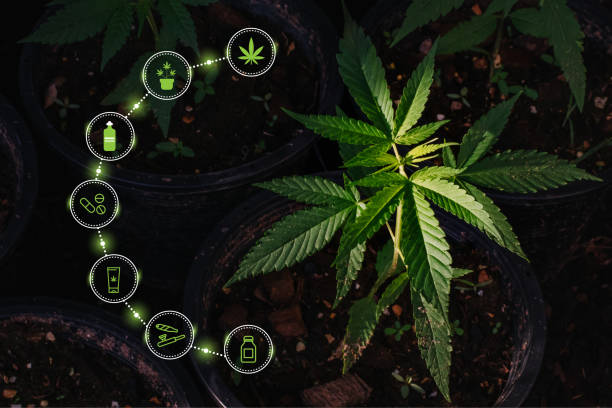
- Divine CBD is a hybrid strain with a genetic predisposition for high CBD and low THC production. This genetic makeup requires careful cultivation practices to maximize CBD levels while ensuring THC stays below legal thresholds (0.3% in many jurisdictions).
- Growers often start with certified seeds or clones from reputable sources to ensure genetic consistency.
2. Environmental Conditions To thrive, Divine CBD needs specific environmental parameters that cater to its genetic profile.
- Light Requirements:
- Like most cannabis plants, Divine CBD requires a photoperiod of 18-24 hours of light during the 12-hour flowering period and the vegetative stage.
- Full-spectrum LED lights are recommended for indoor grows as they mimic natural sunlight and enhance cannabinoid and terpene production.
- Temperature:
- Ideal daytime temperatures range between 70-80°F (21-27°C) during the vegetative phase.
- During flowering, temperatures between 65-75°F (18-24°C) help preserve terpene integrity and prevent overheating.
- Humidity Levels:
- Vegetative Stage: 60-70% relative humidity (RH) supports vigorous growth.
- Flowering Stage: Reducing RH to 40-50% prevents mold and mildew, crucial for a strain like Divine CBD known for its dense buds.
3. Nutrient Management The nutrient needs of Divine CBD vary by growth stage. Using scientifically formulated fertilizers ensures the plant gets what it needs at each phase.
- Nitrogen (N): Crucial during the vegetative phase for leafy growth.
- Phosphorus (P) and Potassium (K): Essential during flowering to support bud formation and resin production.
- Micronutrients: Zinc, magnesium, and calcium are vital for enzyme function and chlorophyll production.
A balanced nutrient solution with a pH of 6.0-6.5 ensures optimal nutrient uptake.
4. Soil and Growing Medium
- Divine CBD thrives in nutrient-rich, well-aerated soil with good drainage.
- Common substrates include coco coir, peat moss, or hydroponic setups for greater control over nutrient delivery.
- Organic practices such as compost teas and mycorrhizal fungi can improve root health and nutrient absorption.
5. Training and Pruning Techniques
- Low-Stress Training (LST): Encourages horizontal growth, maximizing light exposure to all bud sites.
- Topping and Fimming: Enhances yield by creating multiple main colas.
- Defoliation: Strategic removal of lower leaves improves airflow and light penetration, reducing the risk of mold in dense buds.
6. Pest and Disease Management
- Divine CBD has natural resistance to pests and mold but benefits from preventive measures:
- Biological Controls: Ladybugs and predatory mites manage aphids and spider mites.
- Neem Oil: A natural remedy for fungal issues like powdery mildew.
- Companion Planting: Herbs like basil or marigolds repel pests naturally.
7. Advanced Cultivation Techniques Modern scientific approaches can further optimize the growth of Divine CBD:
- Hydroponics: Eliminates soil, delivering nutrients directly to roots in water. This method improves growth speed and cannabinoid concentration but requires precise monitoring.
- Aeroponics: Roots are suspended in the air and misted with nutrient solutions, promoting oxygen-rich root zones for faster growth.
- Tissue Culture Propagation: Ensures genetic uniformity and disease-free plants. This lab-based method clones plants at the cellular level.
8. Flowering and Harvesting
- Divine CBD flowers in approximately 8-10 weeks indoors. Outdoor harvests occur in late September to early October, depending on the climate.
- Scientific Tools for Harvest Readiness:
- Trichome Analysis: Using a magnifying lens or microscope, growers check for cloudy trichomes to determine peak CBD levels.
- Cannabinoid Testing: Portable cannabinoid testing kits analyze CBD and THC levels to ensure compliance and potency.
9. Post-Harvest Science The curing process significantly impacts the chemical profile and usability of Divine CBD.
- Drying: Slow drying at 60°F (15°C) and 60% humidity preserves terpenes and cannabinoids.
- Curing: Buds are stored in airtight containers, “burped” daily to release moisture and enhance flavor, aroma, and potency.
- Storage: Final products are kept in cool, dark, and dry conditions to maintain cannabinoid stability.
10. Genetic Stabilization and Future Research Breeders are exploring ways to enhance Divine CBD through genetic stabilization. This involves cross-breeding high-CBD strains with pest-resistant and high-yield varieties to produce more robust plants. CRISPR technology is also being studied to fine-tune cannabinoid profiles for targeted therapeutic applications.o growers.
Conclusion
Divine CBD is a versatile cannabis strain that bridges the gap between therapeutic and recreational use. Its high CBD content, complemented by a rich terpene profile, makes it an invaluable tool for managing a wide array of medical conditions while also serving as a relaxing, non-intoxicating option for recreational users. Coupled with its ease of cultivation and favorable safety profile, Divine CBD stands as a testament to the evolving understanding and appreciation of cannabis as a multifaceted plant with immense potential.
For a complete directory of cultivars, visit our Cannabis Strain Reviews.
