Table of Contents
Distillate
Introduction to Cannabis Distillates: Definition and Overview
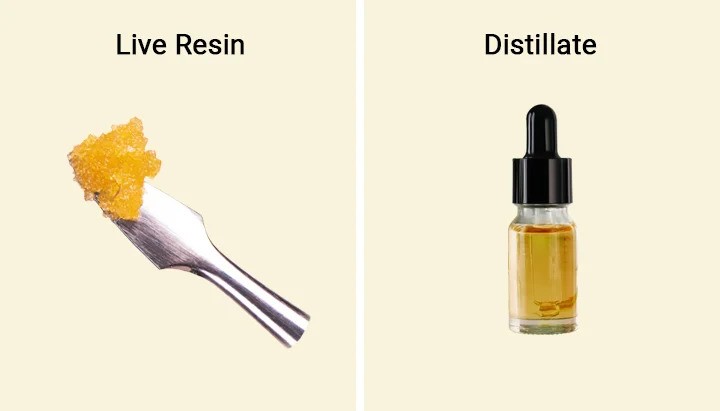
Cannabis distillates stand at the cutting edge of cannabis extract refinement, offering some of the most potent cannabinoid concentrations available today. This document delves deeply into the nature of these distillates, outlines their production process, and highlights the unique properties that set them apart from other cannabis products.
Definition of Cannabis Distillates
Cannabis distillates are highly refined oils enriched with purified cannabinoids, primarily THC (tetrahydrocannabinol) or CBD (cannabidiol), though other cannabinoids may also be present depending on the initial plant material and the distillation process. The term “distillate” is used to denote both the high purity of these extracts and the distillation method used to isolate cannabinoids from other plant materials.
Production Process
The production of these refined oils involves several key stages aimed at extracting and purifying cannabinoids:
- Extraction: This foundational step employs solvents like CO2, ethanol, or hydrocarbons to extract cannabinoids and terpenes, producing a crude oil rich in the plant’s full spectrum of cannabinoids and terpenes.
- Winterization: The crude extract is then mixed with alcohol and exposed to cold temperatures, which helps remove fats, waxes, and other unwanted impurities.
- Decarboxylation: Prior to distillation, the extract is heated to activate the cannabinoids, converting THCA and CBDA into their active forms, THC and CBD, respectively.
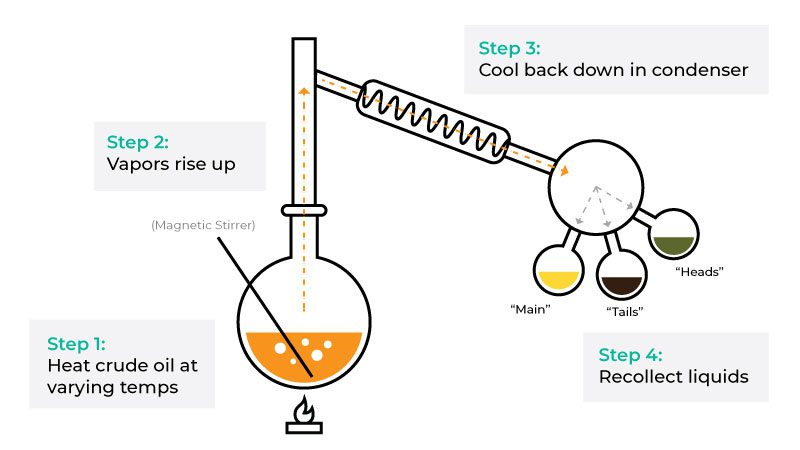
- Distillation: The activated extract is then distilled under vacuum and heat. This process uses the differing boiling points of substances to separate and concentrate the desired cannabinoids, resulting in a highly potent and pure product.
Characteristics of Cannabis Distillates
Cannabis distillates are renowned for their exceptional potency, often exceeding 90% cannabinoid content. Such concentration renders them exceedingly effective for both medicinal and recreational uses. Typically, the distillation process removes all flavor and aroma compounds, yielding a product that is nearly tasteless and odorless. However, terpenes can be reintroduced to enhance flavors and effects, allowing for personalized consumer experiences.
Applications and Uses
The versatility of cannabis distillates is vast, encompassing several applications:
- Vaping and Dabbing: The purity and high potency of distillates make them ideal for use in vaporizing pens and dab rigs.
- Edibles and Tinctures: Activated cannabinoids in distillates are perfect for incorporation into edibles and tinctures, as they do not require further processing for effective absorption.
- Topicals: Distillates are also used in topicals like creams and lotions, providing targeted relief for pain or skin conditions without systemic effects.
Conclusion
Cannabis distillates are distinguished by their unparalleled purity and potency, a result of sophisticated extraction and refinement processes. Their broad range of applications highlights their adaptability and effectiveness, making them a key product in both recreational and medicinal cannabis markets. As the industry evolves, the role of distillates continues to expand, underscoring their importance in the ongoing innovation within the cannabis sector.
The Production Process of Distillates: From Plant to Concentrate
Converting raw cannabis into refined distillate involves a series of sophisticated and precise processes. This document details the steps involved in the production of cannabis distillates, emphasizing the technological advancements and chemical techniques that convert plant material into a highly potent concentrate.
Extraction Methods
The journey to creating cannabis distillates begins with the extraction of valuable compounds cannabinoids and terpenes from the cannabis plant. Different extraction techniques, each with unique benefits and challenges, are employed to achieve this:
- CO2 Extraction: This method uses supercritical carbon dioxide to extract cannabinoids and terpenes efficiently, leaving behind no residual solvents, making it environmentally friendly and safe.
- Ethanol Extraction: Involves immersing the plant material in ethanol to dissolve the desired compounds. The solution is then concentrated by evaporating the ethanol, often using specialized equipment like rotary or falling film evaporators.
- Hydrocarbon Extraction: Utilizes solvents such as butane or propane to extract the compounds, noted for preserving the plant’s unique flavors. Post-extraction, solvents are meticulously purged to ensure the extract’s purity and safety.
Winterization
After extraction, the crude cannabis oil is refined through winterization. This step involves mixing the oil with ethanol and then subjecting it to cold temperatures, which helps separate out fats, waxes, and other impurities. The mixture is then filtered, and the ethanol is evaporated, resulting in a purer oil.
Decarboxylation
The next crucial step is decarboxylation, where the oil is heated to activate the cannabinoids. This heating process converts acidic cannabinoid forms like THCA and CBDA into their active counterparts, THC and CBD, enhancing their effectiveness and ensuring psychoactive properties for THC.
Distillation
The final refining step is distillation, where the activated oil is processed to achieve high purity and potency. Techniques such as short-path or wiped film distillation apply heat and vacuum to vaporize and then re-condense cannabinoids and terpenes at controlled temperatures. This method produces a viscous, highly pure oil nearly free from impurities.
Conclusion
The production of cannabis distillates is a complex and nuanced process that demands accuracy and an understanding of advanced chemical processes. Each stage, from extraction to distillation, is vital for transforming cannabis into a high-quality distillate known for its potency and adaptability. As advancements in technology continue, the methods and machinery used in distillate production are expected to evolve, further refining the efficiency and quality of these concentrated products.
Chemical Purity and Potency of Cannabis Distillates
High-purity cannabis concentrates, particularly those achieved through sophisticated distillation processes, represent a significant advancement in the extraction and purification of cannabis. Known for their exceptional purity and potency, these concentrates are favored for various consumption methods in both medicinal and recreational spheres. This document explores the chemical purity and potency of these concentrates, underscoring why these attributes make them a superior option within the cannabis market.
Understanding Chemical Purity in High-Purity Cannabis Concentrates
Chemical purity in these concentrates means the removal of unwanted compounds such as waxes, lipids, terpenes, and residual solvents. Achieved through comprehensive processes including winterization, decarboxylation, and fractional distillation, these methods produce a product typically containing over 90% cannabinoid content. This high level of purity ensures a consistent, contaminant-free experience, positioning these concentrates as one of the purest forms of cannabis consumption.
Potency Aspects of High-Purity Cannabis Concentrates
These cannabis concentrates are recognized for their exceptional potency, often achieving up to 99% cannabinoid concentration by isolating compounds like THC and CBD during the distillation process. The profound concentration enables significant effects from minimal quantities, enhancing efficiency and effectiveness. This potency is especially advantageous for medical users who require strong, precise doses of cannabinoids to manage severe medical conditions effectively.
Diverse Applications of High-Purity Cannabis Concentrates
The unparalleled purity and potency of these cannabis concentrates enable their use across a range of applications:
- Vaping and Dabbing: Their purity and high concentration make these concentrates ideal for inhalation techniques such as vaping and dabbing, which provide a rapid onset of effects.
- Edibles: These concentrates are excellent for infusing into edibles due to their activated cannabinoids and neutral flavor profile, which does not alter the taste of the final product.
- Topicals and Tinctures: The precise cannabinoid content in these concentrates makes them suitable for use in topicals and tinctures, where specific dosing and effectiveness are crucial.
Benefits of Utilizing High-Purity Cannabis Concentrates
The primary benefit of these cannabis concentrates lies in their unmatched purity and potency, ensuring both safety and efficacy. Medical users gain from the consistent and precise dosing available with these concentrates, critical for achieving desired therapeutic outcomes while minimizing potential side effects. Recreational users value the strong effects and versatility of these concentrates, which can be utilized alone or incorporated into various homemade cannabis products.
Conclusion
High-purity cannabis concentrates distinguish themselves in the extract market through remarkable chemical purity and significant potency. These attributes render them highly effective and adaptable for a wide array of uses, meeting the demands of both recreational and medical cannabis users. As the cannabis industry continues to evolve, the role of these highly purified concentrates is expected to expand, further highlighting their importance in delivering quality and effective cannabis experiences.
Common Uses of Distillates in the Cannabis Industry
Highly purified cannabis concentrates, notable for their exceptional purity and high cannabinoid levels, are foundational in the diverse cannabis market. Their versatility facilitates a wide range of uses, influencing product development and enhancing consumer experiences. This document outlines the key applications of these concentrates within the industry, emphasizing their crucial role in defining consumer products and influencing market trends.
Vaping and Dabbing
These purified concentrates are commonly used in vaping and dabbing due to their high cannabinoid content and absence of residual plant materials. This results in a cleaner inhalation experience, making them perfect for use in vape pens, cartridges, and dab rigs. The precise dosing capabilities of these devices allow users to manage their cannabinoid intake effectively, ensuring a consistent and potent experience.
Edibles and Beverages
In the production of edibles and cannabis-infused beverages, these concentrates provide substantial benefits. Their neutral flavor and odor, particularly when unflavored, make them an ideal additive for a variety of edible products, not impacting the intended flavor profiles. Additionally, they allow manufacturers to maintain consistent levels of THC and CBD, crucial for meeting regulatory requirements and ensuring consumer safety.
Tinctures
Highly purified concentrates are also favored for creating tinctures, which are alcohol-based cannabis extracts. Tinctures are appreciated for their ease of use and the rapid onset of effects, particularly when administered sublingually. The high purity of these concentrates guarantees that tinctures are devoid of impurities, offering a safe and precise consumption method, especially beneficial for users seeking therapeutic effects.
Topical Applications
In medical cannabis applications, these concentrates are often incorporated into topicals such as creams, balms, and lotions. These products deliver localized relief from pain and inflammation without the psychoactive effects associated with THC. The high purity of these concentrates reduces the risk of skin irritation and other adverse reactions, making them suitable for sensitive uses.
Pharmaceutical Developments
These cannabis concentrates also play a pivotal role in the pharmaceutical aspect of the cannabis industry. Their consistent purity and high concentration are essential for developing precise, effective cannabinoid-based medications. Pharmaceutical companies employ these concentrates in clinical trials and the development of new treatments, exploring innovative therapeutic options and methods of administration.
Conclusion
The flexibility and high purity of these cannabis concentrates confirm their essential status in the cannabis industry. Their broad application in products ranging from recreational enhancements to medical solutions highlights their critical role in satisfying consumer preferences and adhering to regulatory standards. As the cannabis industry progresses, the importance of these concentrates in driving innovation and ensuring product consistency is expected to increase, underscoring their lasting significance in the market.
Distillates vs. Other Cannabis Extracts: A Comparative Analysis
The cannabis market features a diverse range of extracts, each characterized by specific extraction techniques and unique properties. Cannabis distillates are particularly noted for their exceptional purity and potency. This analysis contrasts cannabis distillates with other types of cannabis extracts, examining differences in their production methods, chemical compositions, and the scope of their applications. It highlights the distinct advantages and considerations associated with each type.
Production Techniques
Cannabis distillates are created through a rigorous multistep process that includes extraction, winterization, decarboxylation, and distillation. This extensive processing results in a product that can reach up to 99% pure cannabinoids, with nearly all impurities eliminated. Other extracts like live resins, shatters, and waxes generally employ solvent-based extraction techniques that may not include the further refining steps of winterization and distillation, thus retaining more natural terpenes but also more residual impurities and exhibiting lower cannabinoid concentrations.
Chemical Profiles
A key distinction between distillates and other cannabis extracts is found in their cannabinoid and terpene contents. Distillates typically feature a highly concentrated cannabinoid profile—either THC or CBD—with minimal terpenes and other plant materials, rendering them odorless and flavorless. This makes them ideal for consumers seeking potency without the cannabis taste. Conversely, full-spectrum oils preserve a wider spectrum of cannabinoids and terpenes, facilitating the entourage effect where these compounds synergistically enhance each other’s therapeutic benefits.
Versatility in Application
Distillates boast remarkable versatility due to their purity and high cannabinoid levels, suitable for vaping, dabbing, and incorporation into edibles, tinctures, and topicals without impacting flavor. In contrast, other extracts may be preferred in scenarios where the entourage effect is advantageous, especially for medical applications. These extracts are particularly valued by users who prefer the natural flavor and therapeutic benefits provided by the full profile of cannabis compounds.
Consumer Preferences
Consumer choice between distillates and other extracts typically hinges on individual preferences for potency, flavor, and the purpose of use. Distillates are favored by those requiring precise, high-strength cannabinoid doses or those desiring to avoid the plant’s natural taste and aroma. On the other hand, users seeking a comprehensive cannabis experience with enhanced therapeutic effects might choose full-spectrum extracts for their rich cannabinoid and terpene profiles.
Conclusion
Both cannabis distillates and other extracts occupy vital roles within the cannabis industry, meeting the varied demands of different consumer segments. Distillates provide unparalleled purity and potency, suitable for a wide array of uses where specific cannabinoid effects are desired without the influence of additional flavors. Other extracts, offering varied cannabinoid and terpene profiles, deliver more holistic experiences that may yield greater therapeutic results. As the cannabis industry continues to develop, recognizing the distinct properties and applications of various extracts is crucial for both consumers and manufacturers in making informed product choices and usage decisions.
Methods of Consuming Distillates: Vaping, Dabbing, and Edibles
Cannabis distillates are celebrated for their exceptional purity and strength, providing users with multiple consumption options tailored to diverse preferences and requirements. This document explores three principal methods of consuming distillates: vaping, dabbing, and edibles, detailing the unique advantages and considerations of each to help consumers make informed choices.
Vaping
Vaping involves inhaling the vapor produced by heating cannabis distillate in devices such as vape pens or larger vaporizers. This method is highly regarded for its discretion, simplicity, and the precision it offers in dosage control. By heating the distillate to a temperature that vaporizes but does not burn it, vaping preserves the integrity of the cannabinoids and terpenes, avoiding the creation of harmful combustion byproducts. The effects are felt quickly, typically within minutes, appealing to those who desire immediate relief or a swift onset of effects.
Dabbing
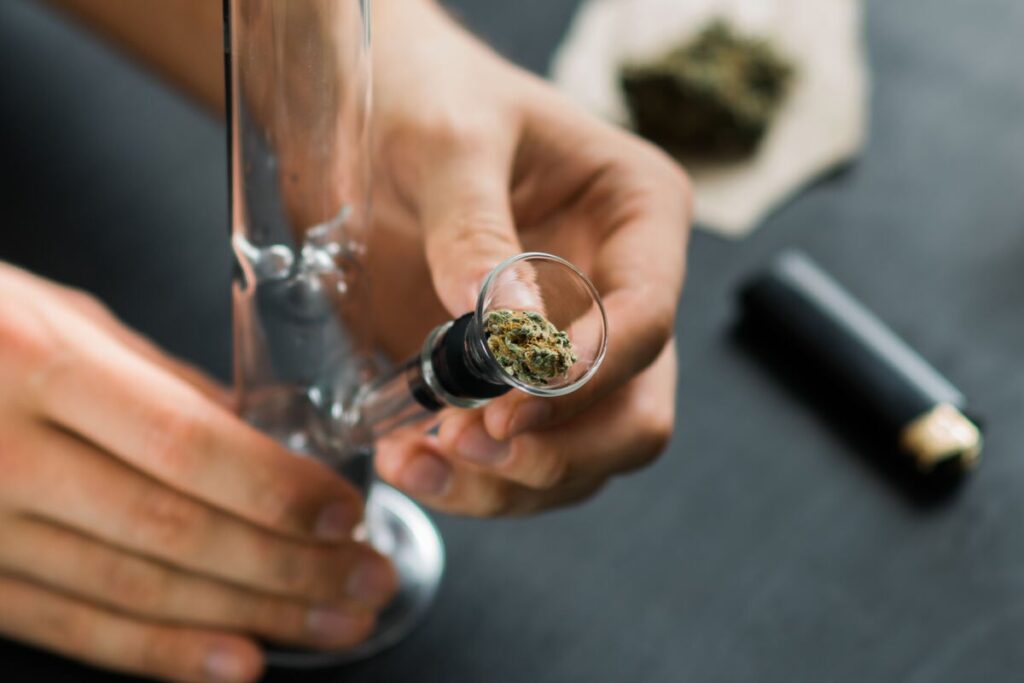
Dabbing entails the rapid vaporization of cannabis distillate on a heated surface, often referred to as a “nail,” and inhaling the vapor through a specialized apparatus known as a dab rig. This method is particularly favored by seasoned cannabis users for its ability to deliver large doses of cannabinoids in a single inhalation, providing potent and instant effects. Dabbing requires specific tools and some experience to execute properly, focusing on achieving the right temperature and dosage, making it less ideal for beginners but preferred for its effectiveness and rapid delivery.
Edibles
Edibles incorporate cannabis distillates into food items, offering an alternative method of consumption without inhalation. The effects from edibles tend to be more intense and prolonged than those from inhalation, largely because the distillate is processed by the liver, where THC is converted into a more potent form. This method is best for those looking for extended relief or effects, but it demands careful dosage control to prevent excessive intake, as effects can take 30 minutes to two hours to manifest.
Conclusion
The consumption methods available for cannabis distillates vaping, dabbing, and edibles each offer distinct benefits and considerations, catering to various user needs. Vaping is noted for its convenience and rapid effects, dabbing for its potency and immediacy, and edibles for their long-lasting impact and discretion. Understanding these methods allows consumers to choose the most suitable option based on their lifestyle, experience level, and desired effects. As the use of cannabis distillates grows, these consumption methods are expected to evolve, further enhancing their appeal and application within the broader cannabis community.
The Role of Terpenes in Distillates: Flavor and Effects
Terpenes play a crucial role in the composition of cannabis distillates, significantly influencing both the sensory experience and the therapeutic benefits. Known for their aromatic qualities, terpenes are reintroduced to distillates after extraction to enhance flavor, aroma, and effectiveness. This document examines the importance of terpenes in cannabis distillates, highlighting their impact on flavor profiles and the entourage effect, which synergistically enhances the properties of cannabinoids.
Overview of Terpenes
Terpenes are aromatic compounds naturally occurring in many plants, including cannabis, where they are responsible for the diverse scents and flavors of various strains. Beyond their sensory contributions, terpenes interact with cannabinoids to modulate their effects, contributing to what is known as the entourage effect. This interaction can significantly alter the psychoactive and therapeutic outcomes of cannabis products.
Terpenes and the Distillation Process
The process of distillation typically strips away terpenes due to the high temperatures used, leading to the loss of natural flavors and aromas. To compensate, manufacturers often reintroduce specific terpenes into the distillate to recreate or enhance the strain’s natural scent and taste profiles. This not only restores the desired flavors and aromas but also tailors the distillate’s effects to meet specific consumer preferences or therapeutic needs.
Influence on Flavor and Aroma
Reintroducing terpenes into distillates dramatically enhances the consumer’s sensory experience. Terpenes like myrcene, which provides earthy tones, add depth and relaxation properties, while limonene offers bright, uplifting citrus notes beneficial for mood enhancement and stress relief. This customization allows for a rich and varied sensory experience, closely mimicking or improving upon the natural cannabis flavor.
Augmenting Therapeutic Benefits
The addition of terpenes to distillates does more than improve taste and smell; it also enhances the medicinal benefits through the entourage effect. Terpenes like linalool, with its calming properties, can enhance the anxiety-reducing effects of CBD, while pinene can bolster THC’s pain relief capabilities due to its anti-inflammatory properties. These strategic combinations allow for more precise and effective medicinal applications, providing tailored benefits to users based on their specific health needs.
Conclusion
Terpenes are indispensable in the formulation of cannabis distillates, crucial for both enhancing the sensory attributes and optimizing the therapeutic potential of the product. The practice of reintroducing terpenes after distillation underscores their vital role in delivering a complete and effective cannabis experience. As research progresses and extraction technologies advance, the role of terpenes in enhancing the quality and efficacy of cannabis distillates is expected to expand, further enriching the capabilities of cannabis-based products.
Legal and Regulatory Aspects of Cannabis Distillates
Cannabis distillates, recognized for their high potency and broad application, are governed by intricate and dynamic legal and regulatory frameworks worldwide. As more countries and regions embrace cannabis legalization, comprehending the specific legal requirements and regulatory standards that oversee the production, distribution, and consumption of cannabis distillates is essential for industry stakeholders. This document outlines the legal and regulatory environment surrounding cannabis distillates, underscoring pivotal challenges and key points for compliance.
International Legal Landscape
The legal status of cannabis distillates varies significantly across international borders and even within regions of the same country. In areas where cannabis is legalized, distillates are typically regulated under the broader cannabis product regulations, which can differ greatly in terms of THC concentration allowances, labeling standards, and sales restrictions.
- United States: In the U.S., the legality of cannabis varies by state, even though it remains classified as a Schedule I drug at the federal level. States that have legalized cannabis for either medical or recreational purposes have developed regulatory frameworks that specifically govern distillates.
- These regulations often mandate rigorous lab testing for potency and impurities, specific labeling requirements, and secure, child-resistant packaging.
- Canada: As a nation that has federally legalized cannabis for both medicinal and recreational uses, Canada regulates cannabis products, including distillates, through Health Canada. These regulations enforce strict standards for product quality, labeling, and packaging to safeguard consumer health.
- European Union: Within the EU, cannabis regulations vary by member state, ranging from medical cannabis allowances to the decriminalization of possession. Distillates, like other cannabis products, must adhere to the particular laws of each country, which may impose severe restrictions on THC content and necessitate pharmaceutical-grade manufacturing standards.
Regulatory Challenges
The regulation of cannabis distillates poses distinct challenges related to their potency and the intricacies of their production. Authorities must ensure these products are safe, properly labeled, and devoid of dangerous contaminants. Major regulatory issues include:
- Potency Regulations: Due to their potential high THC levels, many jurisdictions impose limits on the THC content of cannabis products for public safety reasons. Distillates, which can contain nearly pure THC, often need to be diluted to comply with these limits.
- Quality Assurance: Consistent quality in cannabis distillates is imperative. Regulations typically require comprehensive documentation of the manufacturing process and consistent testing of the final products.
- Labeling and Packaging: Precise labeling is crucial for potent products like distillates. Regulatory requirements generally mandate clear labeling of THC and CBD levels, usage instructions, and health warnings. Additionally, child-resistant packaging is frequently required to prevent minors’ access and accidental ingestion.
Conclusion
Navigating the legal and regulatory landscape for cannabis distillates is vital for ensuring product safety and market compliance. As the cannabis sector expands, regulatory frameworks continue to evolve in response to new scientific data and changing public perceptions. Industry participants must remain vigilant and informed about the latest legal and regulatory developments in their respective areas. Complying with these regulations not only ensures legal compliance but also enhances consumer trust in the safety and quality of cannabis distillates.
