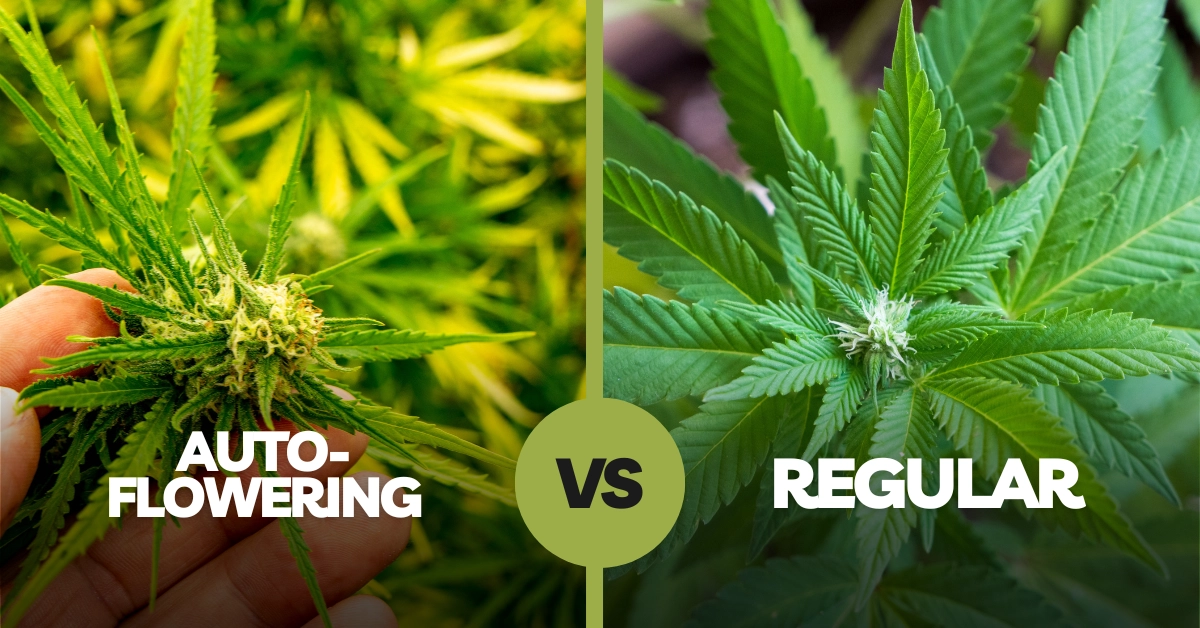
The Difference between Feminized and Autoflowering Strains
Cannabis cultivation has evolved significantly over the past few decades, with advancements in breeding and genetics leading to the development of various strains tailored to different grower needs. Among these, feminized and autoflowering strains are two of the most popular types, each offering distinct advantages and considerations for cultivators. Understanding the differences between these strains is crucial for both novice and experienced growers looking to optimize their cannabis cultivation.
Feminized Strains
Definition and Characteristics
Female cannabis seeds are made to only make female plants. Female cannabis plants are highly valued for their capacity to produce substantial quantities of cannabinoids, including THC and CBD, which are primarily present in the flowers (buds) On the contrary, male plants do not produce substantial quantities of these compounds and are typically utilized solely for breeding purposes.
Breeding Process
Feminized seeds are generated through a process that involves putting female plants under stress to produce pollen, which is then utilized to pollinate other female plants. This process can be achieved through methods such as:
- Rodelization: Stressing female plants by allowing them to remain unharvested past their usual flowering time, causing them to produce pollen.
- Colloidal Silver or Silver Thiosulfate: Applying these solutions to female plants to induce the production of male pollen sacs, which are then used to pollinate other females.
By using pollen from a female plant to fertilize another female, the resulting seeds are nearly 100% female, eliminating the need to identify and remove male plants during cultivation.
Advantages
- Consistency: Feminized seeds ensure that almost every plant will be female, leading to a more uniform crop.
- Higher Yields: With no male plants to cull, growers can maximize their space and resources to produce more buds.
- Simplified Cultivation: Growers do not need to spend time and effort identifying and removing male plants, making the cultivation process easier and more efficient.
Disadvantages
- Genetic Instability: The process of feminization can sometimes lead to genetic instability, resulting in plants that may hermaphrodite (produce both male and female flowers).
- Breeding Limitations: Feminized seeds are not ideal for breeding new strains, as they lack the genetic diversity provided by male plants.
Autoflowering Strains
Definition and Characteristics
Autoflowering cannabis strains are a result of crossbreeding Cannabis ruderalis with other cannabis species, such as Cannabis sativa or Cannabis indica. Cannabis ruderalis is a subspecies known for its ability to flower based on age rather than changes in the light cycle. This unique characteristic is passed on to autoflowering hybrids, which begin flowering automatically after a certain period, usually around 2-4 weeks from germination.
Breeding Process
Autoflowering strains are created by crossing a Cannabis ruderalis plant with a desired photoperiod strain (either sativa or indica). The resulting hybrids inherit the autoflowering trait from the ruderalis parent, while also expressing the desirable traits of the photoperiod parent, such as potency and flavor.
Advantages
- Rapid Growth Cycle: Autoflowering strains typically complete their life cycle in 8-10 weeks, allowing for multiple harvests in a single growing season.
- Compact Size: These plants are generally smaller and more compact, making them ideal for indoor grows or limited space environments.
- Light Flexibility: Autoflowering plants do not require a strict light cycle to flower, making them easier to grow in varied lighting conditions.
- Resilience: The ruderalis genetics contribute to the hardiness and resilience of autoflowering strains, making them more resistant to pests, diseases, and environmental stress.
Disadvantages
- Lower Yields: Autoflowering plants tend to produce smaller yields compared to photoperiod strains, due to their compact size and shorter growth cycle.
- Limited Control: Growers have less control over the vegetative and flowering stages, as the plant follows its own timeline.
- Potential Lower Potency: Some autoflowering strains may have lower potency compared to their photoperiod counterparts, although advancements in breeding have significantly improved this aspect.
Key Differences
Photoperiod Dependence
One of the most fundamental differences between feminized and autoflowering strains is their dependence on light cycles. Female seeds necessitate a distinct light cycle to transition from the vegetative stage to the flowering stage. Typically, this entails providing 18-24 hours of light per day during the vegetative stage, followed by a switch to 12 hours of light and 12 hours of darkness to induce flowering.
In contrast, autoflowering strains do not rely on changes in light cycles to flower. They automatically begin flowering after a set period, regardless of the light conditions. This makes autoflowering strains more versatile and easier to manage for growers who may not have the ability to control their light environment precisely.
Growth and Yield
Feminized strains generally have a longer growth cycle compared to autoflowering strains. This extended vegetative period allows for larger plants with potentially higher yields. However, this also means that feminized strains require more time and care to reach maturity.
Autoflowering strains, with their shorter life cycle, offer the advantage of quicker harvests. While their yields are typically smaller than those of feminized strains, the ability to harvest multiple times in a season can compensate for this difference. The compact size of autoflowering plants also makes them ideal for small grow spaces or stealth grows.
Suitability for Different Growing Conditions
Feminized strains are well-suited for both indoor and outdoor cultivation, provided that the grower can control the light cycle for indoor grows or plant at the appropriate time of year for outdoor grows. These strains possess the potential for substantial yields and are ideally suited for cultivators seeking to maximize their harvest.
Autoflowering strains, on the other hand, are particularly advantageous for growers with limited space or those who cannot maintain strict light schedules. Traditional photoperiod strains might struggle in harsh climates because of their resilience and adaptability.
Breeding Potential
For growers interested in breeding and creating new cannabis strains, feminized seeds offer greater flexibility. The presence of both male and female plants in traditional breeding allows for a wider genetic pool, enabling the development of unique and diverse strains.
Autoflowering strains, while useful for creating quick-flowering hybrids, present some challenges in breeding. The automatic flowering trait can complicate the breeding process, and the focus on speed and hardiness may sometimes come at the expense of other desirable traits.
Practical Considerations for Growers
Choosing Between Feminized and Autoflowering Strains
The decision to choose between feminized and autoflowering strains depends on several factors, including the grower’s experience level, available resources, and cultivation goals. Here are some considerations to help make this decision:
- Experience Level: Novice growers may find autoflowering strains more forgiving due to their resilience and simplicity. Experienced growers, however, might prefer feminized strains for their potential to produce higher yields and more potent buds.
- Space and Resources: For those with limited space or who cannot control their light environment, autoflowering strains offer a practical solution. Feminized strains are better suited for growers with ample space and the ability to manage light cycles.
- Time Constraints: Autoflowering strains are ideal for growers looking to achieve quick harvests or multiple harvests in a single season. Feminized strains, with their longer growth cycle, require more time but can reward with larger yields.
- Cultivation Goals: Growers focused on maximizing yields and potency may lean towards feminized strains. Those looking for ease of growth and flexibility might prefer autoflowering strains.
Advances in Breeding and Genetics
Recent advancements in cannabis breeding and genetics have led to significant improvements in both feminized and autoflowering strains. Breeders are continually working to enhance the potency, flavor, and overall quality of autoflowering strains, narrowing the gap between them and traditional photoperiod strains.
Conclusion
Understanding the differences between feminized and autoflowering cannabis strains is essential for making informed decisions about cultivation. Each type of strain offers unique advantages and considerations, from the convenience and resilience of autoflowering strains to the higher yields and breeding potential of feminized seeds. By considering factors such as experience level, available space, and cultivation goals, growers can select the strain type that best suits their needs and preferences. With ongoing advancements in breeding and genetics, both feminized and autoflowering strains continue to evolve, offering even more options for cannabis cultivators around the world.
