Table of Contents
Diesel Power is a potent, high-energy hybrid cannabis strain known for its sharply pungent diesel-like aroma and its uplifting, focused, and invigorating high. Popular among experienced users, Diesel Power blends the genetics of well-known diesel-type cultivars, typically descending from the iconic Sour Diesel and possibly Power Plant, resulting in a stimulating sativa-dominant hybrid with a THC percentage between 19% and 25%.
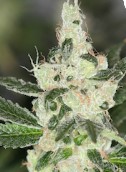
The strain’s distinct chemical profile makes it suitable for a variety of medical and recreational applications, especially for users seeking mood elevation, mental clarity, or an energetic boost.
Genetic Lineage and Breeding Background
Diesel Power is believed to be a sativa-dominant hybrid that arises from the cross of Sour Diesel (Chemdawg 91 x Super Skunk/NL) and Power Plant, a classic South African sativa known for its rapid flowering and uplifting high. Depending on breeder phenotype and seed bank origin, the Diesel Power lineage may slightly vary but typically includes the following characteristics:
- Sour Diesel: Known for its pungent fuel-like scent and cerebral, fast-acting high. It contributes strong diesel aroma and high THC levels.
- Power Plant: A high-yielding, sativa-dominant strain bred from South African landraces, contributing energetic and socially stimulating effects.
The synergy between these parents gives Diesel Power its name, flavor, and energizing potency.
Morphology and Cultivation
Genetic Expression and Phenotype Stability
Diesel Power, due to its hybrid lineage (Sour Diesel × Power Plant), tends to express sativa-dominant traits:
- Tall, fast-growing plants with long internodal spacing
- Moderate-to-high stretch during flowering
- Phenotypes may vary slightly in aroma intensity and flowering time, so clone selection from a stabilized mother is ideal for consistent terpene and cannabinoid production.
Growth Environment Optimization
Light Spectrum and Intensity
- Vegetative stage: Use full-spectrum white light (4000K–6500K); PPFD target: 300–500 µmol/m²/s
- Flowering stage: Shift to 3000K–3500K with added red (660 nm) and far-red (730 nm) for bloom stimulation; PPFD: 600–1000 µmol/m²/s
- Diesel Power responds well to 18/6 veg light cycles, then 12/12 for flower, but some cultivators use 11/13 light cycles late in bloom to accelerate ripening and enhance resin development.
Temperature and Humidity
- Veg phase: 24–28°C (75–82°F); RH: 55–70%
- Flowering:
- Weeks 1–4: 22–26°C; RH 45–55%
- Weeks 5–9: 20–24°C; RH 40–45%
- Week 10–11: Drop temp to 18–20°C to enhance anthocyanin and terpene expression
VPD (Vapor Pressure Deficit) targeting ensures optimal transpiration and growth. Ideal VPD:
- Veg: 0.8–1.2 kPa
- Bloom: 1.2–1.6 kPa
Nutrient Protocols
Macronutrients (NPK)
| Stage | Nitrogen (N) | Phosphorus (P) | Potassium (K) |
|---|---|---|---|
| Seedling | Low (50 ppm) | Moderate | Moderate |
| Veg (weeks 2–5) | High (150–200 ppm) | Low-Moderate | Moderate |
| Flower (weeks 1–4) | Moderate | High | High |
| Late Flower (weeks 5–9) | Low | Very High | Very High |
- Diesel Power has a high nitrogen appetite in veg due to vigorous growth.
- Overfeeding can cause tip burn, especially with potassium. Always monitor EC (electrical conductivity) and runoff pH.
Micronutrients
Diesel Power thrives with adequate:
- Calcium & Magnesium (Cal-Mag) — vital for trichome development
- Sulfur — precursor for terpene synthesis, especially caryophyllene
- Silicon — strengthens cell walls, improves drought resistance
Substrate Choices
- Soil (living or amended): Ideal for full terpene expression; slower growth but richer aroma
- Coco coir + perlite mix (70:30): Faster growth, easier pH control, highly responsive to fertigation
- Hydroponics (DWC, RDWC, aeroponics): Maximize growth rate and yield; terpene production may be lower without supplementation
For flavor-focused grows, living soil with microbial biodiversity (e.g., mycorrhizae and Trichoderma fungi) enhances terpene and cannabinoid synthesis through rhizosphere signaling.
Training Techniques
Diesel Power responds well to both high-stress and low-stress training due to its sativa vigor.
Low-Stress Training (LST)
- Begin by tying down main stems during week 3–4 of veg
- Spread canopy laterally to increase light penetration
- Results in multiple colas and prevents stretching
Topping & FIMing
- Topping at the 4th–5th node during veg creates symmetrical branching
- FIMing offers bushier growth with more nodes
- Avoid topping after week 1 of flower to reduce hormonal stress
SCROG (Screen of Green)
- Diesel Power’s stretch makes it a perfect SCROG candidate
- Guide branches through a trellis to create flat, even canopy
- Increases light efficiency and yield by 20–40%
Supercropping
- Applied mid-veg to early flower: bend and soften branches to redistribute hormones (auxins) and reduce vertical stretch
Flowering Strategy
Diesel Power typically flowers in 9–11 weeks, depending on phenotype and environment. Sativa traits extend flowering, but proper ripening maximizes terpene/cannabinoid profile.
Lighting and Photoperiod
- Consider 11/13 light cycle from week 7 onward to hasten maturity
- Reduce DLI (Daily Light Integral) slightly in final week to simulate natural seasonal decline
Nutrient Tapering
- Gradually reduce nitrogen by week 4 of flower
- Implement enzymatic flush or plain water flush during final 10–14 days to:
- Remove nutrient salts
- Improve flavor purity
- Stimulate stress response → enhanced trichome and terpene synthesis
Enhancing Terpene and Cannabinoid Production
Stress Induction Techniques (Scientific Basis: Secondary Metabolite Biosynthesis)
- UV-B Light Exposure (280–320 nm): Applied during final 2 weeks for 2–3 hours daily. Increases trichome density and THC/CBG via stress-induced phenolic pathway.
- Drought Stressing (final week): Allow substrate to dry 24–48 hours before harvest. Increases production of abscisic acid, which triggers resin formation.
Chilling Temperatures
- Lower night temperatures to 17–18°C during final week
- Triggers anthocyanin production, enhances aroma/flavor complexity
Organic Inputs
- Molasses or sugar-based additives feed microbial life, increasing terpene and flavonoid production
- Use kelp extract and humic acids for micronutrient chelation and hormone stimulation
Harvesting and Curing
Harvest Timing
- Monitor trichome color under magnification:
- 5–10% amber, 70% cloudy → peak THC
- 15%+ amber → more sedative effect
- Diesel Power is best harvested at cloudy-dominant stage for maximum energetic effect
Drying
- Environment: 18–21°C, 55–60% RH, dark room
- Hang-dry for 10–14 days until stems snap cleanly
Curing
- Jar cure for minimum 4 weeks at 60–65% RH, burping daily for first 2 weeks
- Longer cures (up to 8–12 weeks) unlock full diesel aroma and deepen terpene complexity
Pathogen and Pest Management
Diesel Power’s open sativa structure makes it less prone to mold but susceptible to:
- Spider mites (especially in hot/dry conditions)
- Fungus gnats (in coco or overwatered soil)
- Powdery mildew (in dense or poorly ventilated canopies)
Best Practices
- Maintain airflow (oscillating fans, negative pressure systems)
- Use biological IPM:
- Neem oil in veg
- Bacillus subtilis for PM
- Hypoaspis miles for fungus gnat control
- Silicon supplementation strengthens cell walls, improving resistance
Aroma, Flavor, and Terpene Profile
Aroma
Diesel Power is famous for its sharp, acrid diesel and kerosene-like smell, underpinned by earthy citrus and peppery notes. Its pungency can dominate grow rooms and jars alike.
Flavor
- Inhalation: Gassy, lemony, skunky
- Exhalation: Diesel, spice, and a hint of pine
Dominant Terpenes
Diesel Power’s effects and flavor stem from a distinctive terpene profile, notably:
- Myrcene: Sedating and anti-inflammatory; adds an earthy, musky note.
- Limonene: Mood-elevating; contributes citrus aroma and potential antidepressant effects.
- Caryophyllene: Anti-inflammatory and analgesic; gives a peppery spice.
- Pinene (minor): Promotes alertness; counters short-term memory impairment.
Terpene Percentages (typical range)
- Myrcene: 0.4% – 1.2%
- Limonene: 0.3% – 0.8%
- Caryophyllene: 0.2% – 0.7%
- Pinene: 0.1% – 0.4%
Cannabinoid Profile
Diesel Power is rich in THC and often features minor cannabinoids like CBG and CBC. Typical ranges:
| Cannabinoid | Concentration (%) |
|---|---|
| THC | 19–25 |
| CBD | <0.5 |
| CBG | 0.2–1.0 |
| CBC | 0.1–0.5 |
| THCV (rare) | 0.1–0.2 |
High THC content combined with negligible CBD makes Diesel Power a strain suitable for patients and users seeking strong cerebral stimulation, euphoria, and focus rather than sedation.
Diesel Power’s Medical Uses
Key Therapeutic Components
Diesel Power’s medical efficacy is rooted in its phytochemical profile, particularly:
| Compound | Function |
|---|---|
| Δ9-THC | Analgesic, anti-inflammatory, antiemetic, mood-elevating |
| β-Caryophyllene | CB2 agonist; anti-inflammatory, anxiolytic, immunomodulatory |
| Limonene | Antidepressant, anxiolytic, gastric protector |
| Myrcene | Analgesic, sedative, enhances THC absorption (synergist) |
| CBG (minor) | Neuroprotective, antibacterial, anti-inflammatory |
Medical Applications by Condition
Depression and Mood Disorders

Mechanism of Action
- THC increases dopaminergic activity in the mesolimbic pathway (nucleus accumbens), promoting reward, pleasure, and motivation.
- Limonene increases serotonin and norepinephrine in the hippocampus and prefrontal cortex.
- Caryophyllene acts on CB2 receptors, reducing neuroinflammation associated with depression.
Clinical Relevance
- Major depressive disorder (MDD) that is mild to moderate
- Dysthymia (persistent low mood)
- Seasonal affective disorder (SAD)
Use Strategy
- Low-to-moderate doses, especially in the morning or early afternoon.
- Best via inhalation for fast onset (5–10 mins), reducing acute depressive symptoms.
Attention Deficit Hyperactivity Disorder (ADHD/ADD)
Mechanism of Action
- THC modulates dopaminergic signaling, increasing task engagement and focus in low doses.
- Pinene (minor) enhances acetylcholine activity and memory retention.
- Terpenes may modulate prefrontal cortex activity, improving executive function.
Clinical Consideration
- Particularly helpful for adult ADHD or inattentive-type presentations.
- Can replace or supplement stimulant medications in some cases with fewer appetite and sleep side effects.
Cautions
- Avoid high doses; paradoxical overstimulation and anxiety may occur.
Fatigue and Lethargy
Mechanism of Action
- THC, via CB1 activation, enhances dopamine release in the striatum and prefrontal cortex.
- Limonene and CBG promote alertness and mitochondrial function, improving energy metabolism.
Clinical Relevance
- Chronic Fatigue Syndrome (CFS/ME)
- Cancer-related fatigue
- Post-viral fatigue syndromes
Dosage Form
- Vaporized flower for morning use
- Low-dose tincture or capsule (2.5–5 mg THC) for sustained daytime support
Neuropathic and Inflammatory Pain
Mechanisms
- THC reduces pain perception by acting on CB1 receptors in the spinal cord and brain.
- Caryophyllene reduces peripheral inflammation via CB2 receptor activation.
- Myrcene may inhibit prostaglandin E2, reducing nociceptive signaling.
Indications
- Peripheral neuropathy (e.g., diabetic, chemotherapy-induced)
- Fibromyalgia
- Multiple sclerosis (MS) pain
- Chronic back or joint pain
Evidence
- Studies show sativa-dominant hybrids with high limonene and caryophyllene offer strong daytime pain relief with less sedation than indica-dominant strains.
Anxiety and Stress (Situational/Social)
Nuanced Use Case
- Diesel Power’s THC content can induce anxiolysis at low doses but may exacerbate anxiety at high doses.
Mechanism of Benefit
- Limonene has been shown to elevate GABA levels and reduce HPA axis activity, which lowers cortisol.
- Caryophyllene, by targeting CB2 receptors, acts as a neuroimmune modulator, decreasing systemic stress signals.
Best Use Cases
- Performance anxiety
- Public speaking
- Social anxiety
- Non-generalized stress
Caution
- Not ideal for chronic generalized anxiety disorder (GAD) due to THC’s biphasic nature. Microdosing may offer better results in that context.
Appetite Stimulation
Mechanism
- THC acts on the hypothalamic POMC neurons, paradoxically stimulating the orexigenic pathway and increasing ghrelin release.
- CB1 activation enhances olfactory sensitivity and taste perception, further enhancing feeding behavior.
Clinical Use
- Cancer cachexia
- HIV/AIDS-related anorexia
- Chronic illness-induced wasting
Benefits
- Rapid hunger induction within 10–15 minutes of inhalation
- Better palatability of food, even in nauseous patients
Nausea and Vomiting
Mechanism
- THC suppresses chemoreceptor trigger zones in the medulla oblongata.
- Caryophyllene and limonene exhibit antiemetic effects, especially in combination with cannabinoids.
Use Cases
- Chemotherapy-induced nausea
- Postoperative nausea
- Gastroparesis-related nausea
Onset and Form
- Inhalation provides relief within 5–10 minutes
- Sublingual delivery effective when inhalation is not viable
Mild Neuroprotection
Scientific Insights
- CBG has demonstrated neuroprotective effects in models of Huntington’s and Parkinson’s disease.
- Caryophyllene, as a CB2 agonist, reduces neuroinflammation, which contributes to neurodegenerative progression.
Potential Applications
- Early-stage Alzheimer’s or cognitive decline
- Parkinson’s (non-motor symptoms like mood or fatigue)
- Post-concussion syndrome
Migraine Relief
Mechanism
- THC inhibits trigeminal nerve excitability and calcitonin gene-related peptide (CGRP), a key player in migraine pathophysiology.
- Terpenes like myrcene and caryophyllene enhance this anti-inflammatory effect.
Clinical Use
- Most effective when taken at migraine onset
- May prevent rebound headaches with lower doses compared to synthetic cannabinoids
Pharmacological Considerations
Bioavailability
- Inhalation: 20–35% THC bioavailability; onset within 5–10 minutes
- Oral: 4–12%; slower but longer duration
- Sublingual: Intermediate onset and bioavailability
Pharmacokinetics
- THC half-life: ~1–4 hours (inhaled), up to 6–10 hours (oral)
- Metabolized via CYP2C9 and CYP3A4 enzymes in liver
- Converts to 11-OH-THC in liver — more psychoactive and longer-lasting
Drug Interactions
- Diesel Power’s high THC can interact with:
- Sedatives or antidepressants (additive CNS depression)
- Warfarin or NSAIDs (modulated platelet aggregation)
- CYP450 inhibitors/inducers (affects THC metabolism)
Patient Use Strategy (Medical Protocol)
| Condition | Form | Dosing | Timing |
|---|---|---|---|
| Depression | Vape or tincture | 1–3 puffs or 2.5–5 mg THC | Morning to midday |
| ADHD | Vape or capsule | 2–4 mg THC | Pre-task |
| Fatigue | Vape or capsule | 5–7 mg THC | Morning |
| Neuropathic Pain | Vape | 5–10 mg THC | Morning or afternoon |
| Nausea | Vape or sublingual | 5–8 mg THC | As needed |
| Appetite loss | Vape | 5–10 mg THC | 15 mins before meals |
| Migraine | Vape | 2–4 puffs at onset | Early stage |
Limitations and Contraindications
- Not suitable for patients with:
- Psychotic disorders (THC may exacerbate symptoms)
- Severe cardiovascular disease
- Bipolar disorder (Type I) in manic phases
- Pregnancy and breastfeeding: Avoid due to potential developmental neurotoxicity
Recreational Uses and Psychoactive Effects
Onset and Duration
- Onset: 2–5 minutes (inhalation)
- Peak: 20–40 minutes
- Duration: 2–3 hours (up to 4 hours orally)
Common Effects
- Euphoric uplift
- Sociability
- Mental stimulation
- Motivation and creativity
- Mild body relaxation
Best Use Cases
- Daytime social events
- Outdoor activities or hiking
- Creative work: music, writing, design
- Focus-heavy tasks (for neurodivergent users)
Potential Side Effects
- Dry mouth and eyes (very common)
- Paranoia and anxiety (especially in THC-sensitive users)
- Racing thoughts in high doses
These effects are typically dose-dependent. Lower doses yield stimulation and clarity, while higher doses may cause disorientation or anxiety.
Neurochemical and Pharmacological Insights
THC Mechanism
- Attaches itself to central nervous system CB1 receptors.
- Alters neurotransmitters such as glutamate, GABA, and dopamine.
- Leads to enhanced mood, reduced pain, and altered time perception.
Terpene Modulation
- Limonene boosts serotonin and dopamine activity in the prefrontal cortex.
- Caryophyllene interacts with CB2 receptors, exerting anti-inflammatory and stress-buffering effects.
- Myrcene increases permeability of the blood-brain barrier, enhancing THC uptake.
Entourage Effect
Diesel Power’s diverse terpene profile works synergistically with cannabinoids to create a unique entourage effect that is:
- Cerebrally stimulating
- Physically energizing
- Psychologically focusing
This makes it particularly suitable for patients who need to remain alert and functional during cannabis use.
Comparison with Similar Strains
| Strain | Key Traits | Differences from Diesel Power |
|---|---|---|
| Sour Diesel | Cerebral, diesel-flavored, creative | Slightly more sedating; less sweet/floral |
| Power Plant | Energizing, spicy-earthy, uplifting | Less pungent; more earthy and smooth |
| Green Crack | Mental stimulation, tropical, alertness | Diesel Power is heavier and more pungent in aroma |
| Jack Herer | Clear-headed, herbal-pine, cerebral | Diesel Power is more aggressive and heavier-hitting |
Consumer and Patient Reviews
Positive
- “It’s my go-to for depression. Ten minutes in and my brain fog clears up.”
- “Perfect for editing video and staying engaged — zero couch lock.”
- “Diesel Power wakes me up like coffee, but without the jitters.”
Cautionary
- “A bit too intense in high doses. My thoughts got too rapid.”
- “Not for bedtime. Kept me awake for hours.”
Legal and Market Status
Diesel Power is available in dispensaries across the U.S., Canada, and select European markets under varying names (sometimes as a phenotype of Sour Diesel hybrids). It is most popular in:

- California
- Colorado
- Oregon
- British Columbia
It is commonly sold in:
- Flower
- Live resin and shatter concentrates
- Pre-rolls
- High-THC vape carts
Some craft growers also offer high-CBG or CBD-enriched Diesel Power variants.
Conclusion
Diesel Power is a versatile, high-THC sativa-dominant strain known for its penetrating diesel aroma, invigorating effects, and medical utility in mood disorders, pain, and fatigue. While recreational users appreciate its mental uplift and energy, medical patients benefit from its targeted relief for depression, ADHD, and chronic pain—without heavy sedation.
Its unique combination of Sour Diesel sharpness and Power Plant clarity makes Diesel Power a strain that stands out for both its flavor profile and functional stimulation.
For a complete directory of cultivars, visit our Cannabis Strain Reviews.
