Table of Contents
Diesel Duff is a hybrid cannabis strain known for its potent effects, pungent diesel aroma, and well-balanced blend of indica and sativa characteristics. This strain has gained popularity among both medical and recreational users due to its unique terpene profile, high THC content, and diverse range of effects. This document provides an in-depth look at Diesel Duff, including its medical applications, recreational benefits, scientific breakdown, and cultivation techniques.
Genetics and Lineage
Diesel Duff is a cross between two well-known strains:
- Sour Diesel: A sativa-dominant strain known for its energizing and cerebral effects, featuring a strong diesel-like aroma.
- Duff OG: A potent indica-dominant strain that brings relaxation, euphoria, and a hint of earthy and pine notes.
The combination of these parent strains results in a well-balanced hybrid that provides both uplifting and sedative effects, making it suitable for various medical and recreational uses.
Chemical Composition and Cannabinoid Profile
Diesel Duff boasts a robust cannabinoid and terpene profile, contributing to its diverse effects.
Cannabinoids:
- THC: 20-27% (High potency, making it a strong strain for both medical and recreational users)
- CBD: 0.5-2% (Low to moderate, providing mild therapeutic benefits without overpowering psychoactivity)
- CBG: 1-2% (Known for its neuroprotective and anti-inflammatory properties)
- CBC: 0.2-1% (Enhances mood and contributes to pain relief)
- THCV: 0.5% (Provides stimulant-like effects, aiding focus and appetite control)
Terpenes:
- Myrcene: (Sedative and relaxing, promotes body relaxation)
- Limonene: (Elevates mood, provides anti-anxiety effects)
- Caryophyllene: (Anti-inflammatory, interacts with CB2 receptors)
- Pinene: (Bronchodilator, enhances focus and memory)
- Humulene: (Appetite suppressant, anti-inflammatory properties)
The combination of these terpenes gives Diesel Duff its characteristic aroma, taste, and therapeutic properties.
Medical Uses of Diesel Duff
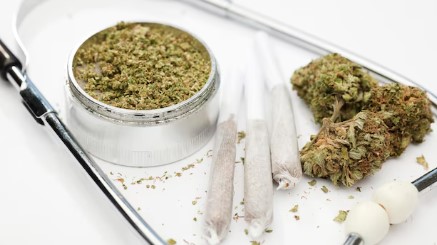
A. Pain Management
- Due to its high THC and moderate CBG content, Diesel Duff is highly effective in treating chronic pain, migraines, muscle spasms, and arthritis. The interaction between THC and caryophyllene provides relief by modulating pain perception in the endocannabinoid system.
B. Mental Health Applications
- Anxiety and Depression: The presence of limonene and myrcene helps combat anxiety and depression, providing relaxation while uplifting the mood.
- PTSD: Patients dealing with post-traumatic stress disorder may benefit from its calming effects without excessive sedation.
- ADHD/ADD: The strain’s THCV and pinene content may aid focus and cognitive function.
C. Sleep Disorders
- Diesel Duff is beneficial for individuals suffering from insomnia due to its myrcene content, which promotes sedation and relaxation.
D. Gastrointestinal Issues
- Helps with nausea, lack of appetite, and digestive disorders due to its THC and humulene effects.
- Effective for Crohn’s disease and irritable bowel syndrome (IBS).
E. Neurological Disorders
- Preliminary research suggests that the CBG content in Diesel Duff may help in treating multiple sclerosis (MS), epilepsy, and neurodegenerative diseases like Alzheimer’s and Parkinson’s disease.
Recreational Uses of Diesel Duff
A. Energetic and Creative Boost
- The sativa-dominant effects from Sour Diesel make it ideal for daytime use, boosting energy and creativity.
- Artists and musicians favor Diesel Duff for enhanced focus and inspiration.
B. Social Interaction
- Its uplifting and euphoric effects make it perfect for social gatherings, parties, and networking.
- Users experience a balanced high that enhances conversation without excessive sedation.
C. Relaxation and Stress Relief
- The indica influence from Duff OG ensures that users feel a deep sense of relaxation after the initial euphoric wave.
- Perfect for evening unwinding or post-work relaxation.
D. Sensory Enhancement
- Heightens taste, smell, and auditory senses, making activities like listening to music, watching movies, and eating food more enjoyable.
Methods of Ingesting Diesel Duff: Onset, Duration, and Bioavailability
The way Diesel Duff is consumed significantly affects its onset time, peak effects, duration, and bioavailability. Here’s a comprehensive breakdown of the various ingestion methods, their scientific effects, and the pharmacokinetics behind them.

1. Methods of Ingestion
Diesel Duff can be consumed through inhalation, oral ingestion, sublingual absorption, and topical application. Each method affects the body differently in terms of onset, potency, and duration.
A. Inhalation (Smoking & Vaping)
How it Works:
- The active cannabinoids, primarily THC, CBD, and terpenes, are absorbed directly through the alveoli in the lungs and enter the bloodstream rapidly.
- This method provides the fastest onset but has a moderate duration due to rapid metabolism.
Smoking (Joints, Pipes, Bongs)
- Onset: 1-5 minutes
- Peak Effects: 15-30 minutes
- Duration: 2-4 hours
- Bioavailability: ~25-30%
- Advantages:
- Fastest onset, immediate relief for pain and anxiety.
- Allows full-spectrum cannabinoid & terpene absorption.
- Disadvantages:
- Combustion produces carcinogens.
- Higher risk of lung irritation over prolonged use.
Vaporization (Dry Herb Vaporizers, Concentrate Pens)
- Onset: 1-3 minutes
- Peak Effects: 10-20 minutes
- Duration: 2-4 hours
- Bioavailability: 35-50% (Higher than smoking due to less combustion loss)
- Advantages:
- Fewer harmful byproducts compared to smoking.
- More efficient extraction of cannabinoids and terpenes.
- Disadvantages:
- Requires specialized equipment.
Scientific Insight:
Vaporization at lower temperatures (315-430°F or 157-220°C) preserves terpenes, leading to a richer flavor and an entourage effect. Higher temperatures release more THC, making effects stronger but potentially harsher.
B. Oral Ingestion (Edibles & Capsules)
How it Works:
- THC is absorbed through the digestive system, where the liver metabolizes it into 11-hydroxy-THC, a compound that is 5-10 times more potent than THC.
- This results in a delayed onset but a much longer duration.
Edibles (Gummies, Baked Goods, Chocolates)
- Onset: 30-90 minutes
- Peak Effects: 2-3 hours
- Duration: 6-12 hours
- Bioavailability: ~4-20% (Lower than inhalation due to first-pass metabolism)
- Advantages:
- Long-lasting effects ideal for chronic pain, insomnia, and anxiety.
- No lung irritation (smoke-free method).
- Disadvantages:
- Hard to dose accurately due to delayed onset.
- First-pass metabolism reduces bioavailability.
Scientific Insight:
Fats enhance THC absorption, which is why edibles made with butter, coconut oil, or MCT oil provide more efficient cannabinoid delivery. Taking edibles on an empty stomach leads to faster absorption, while eating them with a meal slows onset but increases potency.
Capsules & Pills
- Onset: 30-90 minutes
- Peak Effects: 2-4 hours
- Duration: 6-12 hours
- Bioavailability: 5-20%
- Advantages:
- Precise dosing compared to edibles.
- Discreet and portable.
- Disadvantages:
- Slow onset.
- Effects vary depending on metabolism.
Scientific Insight:
Capsules using nano-emulsified THC enhance bioavailability by allowing THC to bypass first-pass metabolism, leading to faster onset and stronger effects.
C. Sublingual Administration (Tinctures & Sprays)
How it Works:
- Directly absorbed through the capillaries beneath the tongue and into the bloodstream.
- Bypasses the digestive system, resulting in faster onset than edibles but longer effects than smoking.
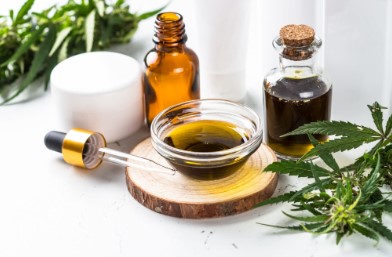
Tinctures (THC & CBD Oils)
- Onset: 15-45 minutes
- Peak Effects: 1-2 hours
- Duration: 4-6 hours
- Bioavailability: ~40-50%
- Advantages:
- Faster onset than edibles, longer effects than smoking.
- Precise dosing with dropper.
- No lung irritation.
- Disadvantages:
- Taste may be unpleasant.
- Requires holding under tongue for maximum absorption.
Sprays (Sublingual Mist)
- Onset: 10-30 minutes
- Peak Effects: 1 hour
- Duration: 3-5 hours
- Bioavailability: ~35-45%
- Advantages:
- Faster onset than edibles, portable and discreet.
- Disadvantages:
- Absorption can be inconsistent.
Scientific Insight:
Sublingual THC has a higher bioavailability than edibles because it bypasses the liver, reducing 11-hydroxy-THC conversion.
D. Topical Applications (Creams, Patches, Balms)
How it Works:
- Absorbed through the skin and interacts with CB2 receptors in the peripheral nervous system.
- Non-psychoactive (does not enter bloodstream).
Cannabis-Infused Creams & Lotions
- Onset: 15-60 minutes
- Duration: 2-6 hours
- Bioavailability: <10% (Local effects only)
- Advantages:
- Best for localized pain relief (arthritis, inflammation).
- No psychoactive effects (ideal for daytime use).
- Disadvantages:
- Does not enter bloodstream, meaning no euphoric effects.
Transdermal Patches
- Onset: 30-60 minutes
- Duration: 8-12 hours
- Bioavailability: ~30-50%
- Advantages:
- Long-lasting effects (ideal for chronic pain).
- Precise dosing.
- Disadvantages:
- Higher cost.
- Slower onset compared to inhalation.
Scientific Insight:
Transdermal patches utilize lipid-based carriers to penetrate the skin barrier, allowing THC to enter the bloodstream, making them more effective for systemic effects compared to regular topicals.
Conclusion: Best Method Based on Needs
| Use Case | Best Method | Reason |
|---|---|---|
| Fast relief | Smoking/Vaping | Quick onset |
| Long-lasting | Edibles/Capsules | 6-12 hours duration |
| Balanced effects | Tinctures | Moderate onset, precise dosing |
| Localized pain | Topicals | Direct pain relief, no high |
| Discreet & Precise | Sublingual or Patches | Avoids smoking, controlled dosing |
Scientific Analysis: How Diesel Duff Interacts with the Body
Diesel Duff interacts with the endocannabinoid system (ECS), which regulates pain, mood, appetite, and sleep.
A. THC and CB1 Receptor Activation
- The high THC content binds strongly to CB1 receptors in the brain, producing euphoric and psychoactive effects.
B. Caryophyllene and CB2 Interaction
- Caryophyllene, a unique terpene, acts as a CB2 receptor agonist, contributing to its anti-inflammatory and pain-relief properties.
C. Entourage Effect
- Diesel Duff’s terpene-cannabinoid synergy enhances overall effectiveness, a phenomenon known as the Entourage Effect.
Cultivation and Growing Conditions
Cultivating Diesel Duff Cannabis Strain
The cultivation of Diesel Duff requires a scientific approach to ensure optimal yield, cannabinoid potency, and terpene retention. Below is an in-depth analysis of the best cultivation techniques based on scientific principles.
Cultivation Environment: Indoor vs. Outdoor
Diesel Duff thrives in both indoor and outdoor settings, but indoor cultivation offers better control over environmental factors, leading to higher potency and terpene preservation.
A. Indoor Cultivation
- Optimal Temperature: 21-26°C (70-80°F) during vegetative stage; slightly lower during flowering to enhance terpene production.
- Humidity Levels:
- Vegetative Stage: 55-65% RH (Relative Humidity)
- Flowering Stage: 40-50% RH to prevent mold/mildew
- Late Flowering: 30-40% RH for enhanced resin production
- Lighting:
- Vegetative Growth: 18-24 hours of light (LED or HPS lamps)
- Flowering Stage: Twelve bright and twelve dark hours
- Recommended Wattage: ~600W HPS/LED per square meter
- Air Circulation: Proper airflow using oscillating fans and exhaust systems prevents mold and pests.
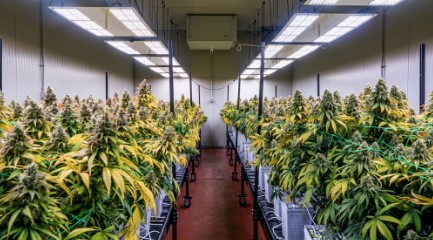
B. Outdoor Cultivation
- Prefers a Mediterranean-like climate with temperatures ranging from 18-28°C (65-82°F).
- Twelve bright and twelve dark hours
- Ensure proper spacing (4-6 feet apart) for airflow and disease prevention.
- Use greenhouse cultivation for extended growing seasons and environmental control.
Growth Stages & Nutrient Requirements
A. Seed Germination (First 5-10 Days)
- Ideal pH for water: 5.8 – 6.2
- Germinate in Rockwool cubes or Jiffy pellets for high success rate.
- Use a mild root stimulator (Auxins or Mycorrhizae) to promote root development.
B. Vegetative Stage (3-6 Weeks)
- Lighting: 18-24 hours of light to maximize growth.
- Temperature: 22-26°C (72-79°F).
- Nutrient Needs: High Nitrogen (N), moderate Phosphorus (P), and Potassium (K).
- Training Techniques:
- Topping & FIMming to create bushier plants.
- Low-Stress Training (LST): Bending stems to increase light penetration.
- Screen of Green (ScrOG): Using a net to spread out the canopy.
C. Flowering Stage (8-10 Weeks)
- Lighting Shift: 12 hours of darkness to induce flowering.
- Nutrient Needs: Lower Nitrogen (N), higher Phosphorus (P) and Potassium (K) to support bud development.
- Temperature: 20-24°C (68-75°F).
- CO₂ Enhancement:
- Maintain 1200-1500 PPM CO₂ levels to boost bud size.
- Defoliation & Pruning:
- Removing unnecessary fan leaves improves light exposure and airflow.
D. Late Flowering & Harvesting (Week 9-11)
- Flushing: 1-2 weeks before harvest, use pH-balanced water to remove excess nutrients.
- Trichome Monitoring: Use a microscope to check trichomes for ripeness:
- Clear Trichomes: Too early.
- Cloudy Trichomes: Peak THC potency.
- Amber Trichomes: More sedative effects.
- Harvest Timing: Cut plants when 70-80% trichomes are cloudy.
Advanced Techniques for Maximizing Yield & Potency
A. Hydroponic Cultivation
- Diesel Duff responds well to hydroponic setups due to increased oxygenation of roots.
- Types of Hydroponic Systems:
- Deep Water Culture (DWC) – Best for rapid vegetative growth.
- Ebb & Flow (Flood and Drain) – Prevents root rot and nutrient imbalances.
- Aeroponics – Highest efficiency but requires constant monitoring.
- EC & pH Levels:
- Vegetative: EC 1.2-1.6; pH 5.8-6.2
- Flowering: EC 1.8-2.2; pH 6.0-6.5
B. Organic Soil Cultivation
- Soil Composition:
- 40% Peat Moss / Coco Coir
- 30% Perlite (for aeration)
- 20% Compost (nutrient supply)
- 10% Worm Castings (enhances microbial life)
- Organic Nutrients:
- Fish Emulsion & Kelp Extract (Vegetative Stage)
- Bone Meal & Bat Guano (Flowering Stage)
C. Companion Planting (Pest Control & Soil Health)
- Marigolds: Repel aphids and mites.
- Basil: Enhances terpene production.
- Clover & Chamomile: Improve nitrogen fixation in soil.
Post-Harvest Processing
A. Drying Process
- Ideal Conditions:
- Temperature: 18-22°C (65-72°F)
- Humidity: 50-60%
- Duration: 7-10 days
- Hang plants upside down in a dark, well-ventilated space.
- Use carbon filters to control odor.
B. Curing for Maximum Potency
- Place dried buds in glass jars with humidity packs (58-62% RH).
- Burping Process: Open jars for 10-15 minutes daily for the first 2 weeks.
- Ideal curing duration: 4-8 weeks for full flavor and potency.
Common Challenges & Solutions
| Issue | Cause | Solution |
|---|---|---|
| Mold (Bud Rot) | High humidity, poor airflow | Improve ventilation, keep RH < 50% |
| Nutrient Burn | Over-fertilization | Reduce feeding, flush with pH water |
| Spider Mites | Poor sanitation, dry conditions | Neem oil, beneficial insects |
| Light Burn | Grow lights too close | Maintain >12” distance from canopy |
Conclusion
Diesel Duff is a powerful hybrid cannabis strain that perfectly balances euphoria, relaxation, and therapeutic benefits. With its high THC content, diverse terpene profile, and strong medicinal potential, it caters to both recreational enthusiasts and medical patients. Its versatility in effects, ease of cultivation, and resistance to pests make it a top-tier strain in the cannabis community.
Whether used for creativity, social engagement, or medical relief, Diesel Duff delivers a well-rounded experience that sets it apart in the world of cannabis.
For a complete directory of cultivars, visit our Cannabis Strain Reviews.
