Table of Contents
Diamond OG is a premium cannabis strain renowned for its high potency, complex flavor profile, and a variety of medicinal and recreational benefits. As an indica-dominant hybrid, it delivers a strong body high paired with mental relaxation, making it a popular choice among cannabis enthusiasts and medical patients alike. Known for its glittering trichomes resembling diamonds, this strain is believed to be a phenotype of OG Kush, though its exact genetic lineage remains debated.
Appearance, Aroma, and Flavor Profile
- Appearance: The buds of Diamond OG are dense and compact, with a deep green coloration that is often interspersed with orange pistils. The defining characteristic is the heavy coating of trichomes, which give the buds a sparkling, diamond-like appearance.
- Aroma: The strain’s aroma is earthy and piney, with hints of citrus and a slightly woody undertone. When broken apart, the buds release a pungent, skunky scent that underscores its OG lineage.
- Flavor: On the palate, Diamond OG offers a mix of citrusy sweetness and herbal spiciness, followed by earthy notes. The smoke is smooth yet thick, leaving a lingering piney aftertaste.
Cannabinoid and Terpene Profile
Diamond OG is celebrated for its high THC content, which can range between 17% and 27%, depending on cultivation conditions. Its CBD levels are typically low, often below 1%, but some phenotypes may contain trace amounts that enhance its therapeutic potential.
Key Cannabinoids:
- THC: The dominant cannabinoid, responsible for its psychoactive effects.
- CBD: Present in low concentrations, offering subtle therapeutic benefits.
- CBG: Often found in trace amounts, contributing to anti-inflammatory and neuroprotective effects.
Terpene Profile:
- Myrcene: This terpene is dominant in Diamond OG and is known for its sedative and muscle-relaxing properties. It contributes to the earthy and herbal notes.
- Limonene: Provides the citrusy aroma and mood-enhancing effects.
- Caryophyllene: Adds spiciness to the flavor profile and is known for its anti-inflammatory properties.
- Pinene: Contributes to the piney scent and may aid in respiratory function.
Recreational Uses
- Relaxation and Stress Relief: Diamond OG’s indica-dominant nature makes it a top choice for users seeking deep relaxation. The initial cerebral high transitions into a calming body effect, ideal for unwinding after a long day.
- Sleep Aid: Due to its sedative properties, this strain is frequently used in the evening or before bedtime. It helps to quiet the mind and relax the body, promoting restful sleep.
- Social Settings: While primarily relaxing, Diamond OG can induce a mild euphoria, making it suitable for low-key social gatherings or creative endeavors that don’t require intense focus.
- Appetite Stimulation: Like many indica strains, Diamond OG is known to stimulate appetite, making it a favorite among recreational users looking to enhance their culinary experiences.
Medical Applications
Diamond OG’s high potency and well-rounded effects make it a versatile option for medical cannabis patients. Here are its specific applications:

- Pain Management:
- Chronic Pain: The strain’s potent body high can alleviate conditions such as arthritis, fibromyalgia, and chronic back pain.
- Acute Pain: Effective for short-term relief from injuries or surgical recovery.
- Anxiety and Stress: The calming effects of Diamond OG can help reduce symptoms of anxiety, stress, and PTSD. Its ability to induce mental relaxation makes it suitable for patients struggling with racing thoughts.
- Insomnia: Many patients use Diamond OG to address insomnia due to its sedative effects. It helps to regulate sleep patterns and improve the quality of rest.
- Appetite Loss and Nausea: Patients undergoing treatments like chemotherapy or dealing with conditions such as anorexia may benefit from the appetite-stimulating and anti-nausea effects of this strain.
- Muscle Spasms and Cramps: The muscle-relaxing properties, attributed to myrcene and THC, make Diamond OG an excellent choice for conditions like multiple sclerosis or menstrual cramps.
- Inflammation: With caryophyllene’s anti-inflammatory properties, this strain can help reduce inflammation associated with conditions like Crohn’s disease or arthritis.
Scientific Insights and Mechanisms of Action
Diamond OG’s effects stem from the interaction between its cannabinoids and terpenes with the body’s endocannabinoid system (ECS). Here is a closer examination of its workings:
- THC and CB1 Receptors:
- THC binds to CB1 receptors in the brain, leading to psychoactive effects such as euphoria and relaxation.
- In peripheral tissues, this interaction helps to reduce pain perception and muscle tension.
- Terpenes and Synergy:
- Myrcene enhances the permeability of the blood-brain barrier, allowing THC to take effect more rapidly.
- Caryophyllene’s interaction with CB2 receptors provides anti-inflammatory and analgesic effects without psychoactivity.
- Neurochemical Impact:
- Diamond OG’s high THC content stimulates the release of dopamine, which contributes to mood enhancement and stress relief.
- It also modulates GABA activity, which explains its sedative and anti-anxiety effects.
Scientific Approach to Cultivating Diamond OG
1. Environmental Requirements

- Temperature: Diamond OG thrives in a temperature range of 70-80°F (21-27°C). Temperatures below this range can stunt growth, while prolonged exposure to higher temperatures may cause the plant to stress, reducing yield and potency.
- Humidity:
- Vegetative Stage: Maintain relative humidity (RH) levels between 50-70%. Higher humidity supports vigorous growth by facilitating nutrient uptake and preventing dehydration.
- Flowering Stage: Gradually reduce RH to around 40-50% to prevent mold and mildew formation, which the dense buds of Diamond OG are prone to.
- Lighting:
- In indoor setups, use full-spectrum LED lights for energy efficiency and optimal growth. Provide 18-24 hours of light per day during the vegetative stage and reduce to 12 hours in the flowering phase to simulate natural light cycles.
2. Soil and Growing Medium
- Soil Composition: Diamond OG prefers a well-aerated, nutrient-rich soil with a pH range of 6.0-7.0. Amendments like perlite and coco coir improve drainage and aeration.
- Hydroponics: While soil cultivation is common, hydroponic systems (like Deep Water Culture or drip irrigation setups) can boost growth rates and yield. These systems deliver nutrients directly to the roots, ensuring maximum absorption.
- Soilless Mixes: Peat moss or rock wool, combined with regular feeding schedules, provides a clean and controlled environment for cultivation.
3. Nutrient Requirements
- Macronutrients:
- Nitrogen (N): Essential for vegetative growth; promotes lush, green foliage.
- Phosphorus (P): Crucial during the flowering phase for robust bud development.
- Potassium (K): Supports overall plant health, improves resistance to stress, and enhances flower density.
- Micronutrients: Zinc, calcium, magnesium, and sulfur are needed in trace amounts to support enzymatic functions and structural integrity.
- Feeding Schedule:
- Vegetative Stage: Higher nitrogen levels; use a nutrient ratio of approximately 3:1:2 (N:P:K).
- Flowering Stage: Increase phosphorus and potassium; shift to a ratio like 1:3:2 to encourage bud production.
4. Watering Practices
- Keep the soil’s moisture content constant without overwatering it, as this might cause root rot.
- For hydroponic systems, monitor the Electrical Conductivity (EC) of the nutrient solution to ensure it remains in the range of 1.2-2.0 mS/cm.
- Use filtered or reverse osmosis water if your water source is high in minerals or contaminants.
5. Training Techniques
- Low-Stress Training (LST): Involves gently bending and tying down branches to expose more nodes to light, promoting uniform growth and larger yields.
- Topping and Pruning:
- Topping (cutting the main stem) encourages the plant to develop multiple colas.
- Prune lower foliage to improve airflow and focus energy on upper bud sites.
- Screen of Green (ScrOG): Utilize a horizontal screen to spread out the canopy, ensuring even light distribution across all parts of the plant.
6. Pest and Disease Management
- Common Pests: Aphids, spider mites, and fungus gnats are typical threats to Diamond OG. Introduce beneficial insects like ladybugs or predatory mites for natural pest control.
- Preventive Measures:
- Use neem oil sprays during the vegetative stage to deter pests.
- Ensure proper ventilation to reduce the risk of mold or mildew.
- Integrated Pest Management (IPM): Combines cultural, biological, and chemical strategies to manage pests without over-reliance on chemical pesticides.
7. Flowering and Harvesting
- Diamond OG enters the flowering stage after about 8-10 weeks under a 12-hour light cycle.
- Monitor trichomes with a magnifying glass or microscope:
- Clear trichomes: Buds are not ready.
- Milky/cloudy trichomes: Peak THC potency.
- Amber trichomes: THC begins converting to CBN, offering a more sedative effect.
- Harvest when 70-80% of the trichomes are cloudy and some are amber, depending on desired effects.
8. Curing and Storage
- Drying: After harvest, hang the buds in a dark, cool space with 45-55% humidity and temperatures around 60-70°F (15-21°C) for 7-10 days.
- Curing: Place dried buds in airtight jars and store in a cool, dark environment. Open the jars daily for the first two weeks to release moisture (“burping” the jars). This procedure improves overall quality, flavor, and potency.
- Storage: Store cured buds in vacuum-sealed containers to maintain freshness and prevent degradation of cannabinoids and terpenes.
9. Advanced Cultivation Techniques
- CO2 Enrichment: Increasing CO2 levels to around 1000-1500 ppm during the vegetative and flowering stages can significantly boost growth and yield. This is particularly effective in sealed grow rooms.
- Tissue Culture: A method for propagating disease-free plants with identical genetics. This technique ensures uniformity in Diamond OG desirable traits.
- Automated Systems: Utilize environmental control systems for precision management of light, temperature, humidity, and nutrients.
10. Yield Optimization
- Training: Apply LST, topping, and ScrOG techniques for maximum light penetration and space utilization.
- Defoliation: Remove excess fan leaves to focus energy on bud production and improve airflow.
- Supplemental Lighting: Use UV-B light supplementation during the flowering stage to enhance resin and trichome production, which boosts potency.
Potential Side Effects
While Diamond OG offers a range of benefits, it’s important to consider its potential side effects:
- Dry Mouth and Eyes: These are common with high-THC strains. These symptoms can be lessened by utilizing eye drops and staying hydrated.
- Dizziness: Novice users or those with a low tolerance to THC may experience dizziness, especially when consumed in higher doses.
- Paranoia or Anxiety: In some cases, especially with overconsumption, Diamond OG’s potency can lead to feelings of paranoia or heightened anxiety.
- Sedation: While beneficial for those seeking sleep aid, its sedative properties may interfere with daytime activities if consumed in large amounts.
Methods of Ingestion.
- Smoking
- Description: The most traditional and common method. Diamond OG’s dense, trichome-laden buds are ground and rolled into joints or packed into pipes and bongs.
- Onset: Rapid (1-5 minutes), as cannabinoids are absorbed through the lungs directly into the bloodstream.
- Duration: Typically lasts 2-3 hours.
- Advantages:
- Quick onset allows users to control dosing easily.
- Full flavor profile, including terpenes, is experienced.
- Disadvantages:
- Can irritate the respiratory system.
- Inefficient cannabinoid utilization, as some are lost during combustion.
- Vaporization (Vaping)
- Description: Involves heating Diamond OG flower or concentrate to release cannabinoids and terpenes without combustion.
- Onset: Rapid (1-5 minutes), similar to smoking.
- Duration: Typically lasts 2-3 hours.
- Advantages:
- Preserves terpenes for a smoother, more flavorful experience.
- Less harmful than smoking due to reduced exposure to carcinogens.
- Higher efficiency in cannabinoid delivery.
- Disadvantages:
- Requires a vaporizer, which can be costly.
- Effectiveness depends on proper temperature control (typically 356-392°F or 180-200°C for cannabinoids and terpenes).
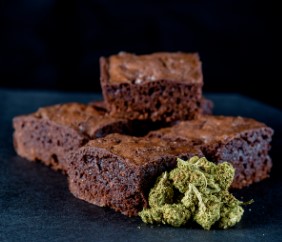
- Edibles
- Description: Diamond OG is infused into food items like gummies, baked goods, or drinks. The cannabinoids must be decarboxylated (activated by heat) during preparation.
- Onset: Slow (30-90 minutes), as cannabinoids are metabolized by the liver before entering the bloodstream.
- Duration: Effects can last 6-8 hours, with a peak around 2-4 hours after ingestion.
- Advantages:
- Discreet and long-lasting effects.
- No respiratory irritation.
- Disadvantages:
- Delayed onset makes it challenging to dose precisely.
- Effects from overconsumption can be severe and long-lasting.
- Sublingual Administration
- Description: Tinctures or oils are placed under the tongue and absorbed through the mucous membranes.
- Onset: Moderate (15-30 minutes).
- Duration: Typically lasts 4-6 hours.
- Advantages:
- Precise dosing is possible.
- Faster onset compared to edibles.
- Disadvantages:
- May have an unappealing taste.
- Requires proper measurement tools.
- Topicals
- Description: Diamond OG-infused creams, balms, or transdermal patches applied directly to the skin for localized relief.
- Onset: Variable (5-30 minutes), depending on the product.
- Duration: Effects can last 2-6 hours.
- Advantages:
- Non-psychoactive when applied topically (except transdermal patches).
- Ideal for localized pain, inflammation, or skin conditions.
- Disadvantages:
- Systemic effects that are limited unless transdermal patches are used.
- May require consistent reapplication for sustained relief.
- Concentrates (Dabbing)
- Description: Consuming high-THC extracts of Diamond OG, like wax, shatter, or resin, using a dab rig or e-nail.
- Onset: Rapid (1-3 minutes).
- Duration: 2-3 hours, though effects are often more intense.
- Advantages:
- Highly potent and immediate effects.
- Enhanced flavor profile with proper dabbing temperature (315-400°F or 157-204°C).
- Disadvantages:
- Not suitable for beginners due to high potency.
- Requires specialized equipment.
Onset, Duration, and Effects
- Onset:
- Smoking/Vaping: Rapid onset within 1-5 minutes, peaking around 15-30 minutes.
- Edibles: Slow onset (30-90 minutes), as cannabinoids are converted into 11-hydroxy-THC in the liver, which is more potent and longer-lasting.
- Sublingual: Moderate onset of 15-30 minutes as cannabinoids bypass the digestive tract.
- Topicals: Variable onset, with localized relief starting in 5-30 minutes.
- Dabbing: Almost instantaneous onset due to rapid absorption in the lungs.
- Duration:
- Smoking/Vaping: Effects last approximately 2-3 hours.
- Edibles: Longer duration of 6-8 hours due to metabolization in the liver.
- Sublingual: Moderate duration of 4-6 hours.
- Topicals: Duration depends on the formulation, generally 2-6 hours.
- Dabbing: Intense effects lasting 2-3 hours.
- Effects:
- Initial Effects:
- A euphoric cerebral high is typically the first noticeable effect of Diamond OG, accompanied by heightened sensory perception and mental relaxation.
- Intermediate Effects:
- As the high progresses, a strong body buzz develops, characterized by muscle relaxation and physical calmness.
- Final Effects:
- Sedative properties dominate, often leading to drowsiness, couch-lock, or sleepiness. This is particularly noticeable in higher doses or when used in the evening.
- Initial Effects:
Mechanisms Behind Effects
- Cannabinoid Interactions:
- THC: Binds to CB1 receptors in the brain, leading to psychoactive effects such as euphoria, altered sensory perception, and pain relief.
- CBD (low levels): Although minimal in Diamond OG, any present CBD interacts with CB2 receptors, offering subtle anti-inflammatory and anxiolytic effects.
- CBG (trace amounts): Known to support neuroprotective and anti-inflammatory processes.
- Terpene Synergy:
- Myrcene: Enhances the sedative effects of THC, contributing to the “couch-lock” sensation and body relaxation.
- Limonene: Provides uplifting, mood-enhancing effects, counteracting potential sedation.
- Caryophyllene: Works as a selective CB2 agonist, adding anti-inflammatory and pain-relieving benefits.
- Pinene: May counteract memory impairment caused by THC while enhancing focus.
- Metabolism of THC:
- When ingested (edibles), THC is metabolized in the liver to 11-hydroxy-THC, which crosses the blood-brain barrier more efficiently and produces stronger, longer-lasting psychoactive effects compared to inhalation methods.
Choosing the Right Method Based on Desired Effects
- For Quick Relief: Smoking, vaping, or dabbing offers rapid onset, making these methods ideal for acute pain, anxiety, or stress.
- For Long-Lasting Relief: Edibles or sublingual tinctures are better suited for chronic pain, insomnia, or extended relaxation.
- For Localized Issues: Topicals are most effective for targeting specific areas of pain or inflammation without psychoactive effects.
- For Discretion: Sublingual tinctures or edibles allow for subtle consumption in various settings.
Consumer Reviews and Popularity
Diamond OG consistently receives high praise for its potency, flavor, and versatility. Users often highlight its ability to provide deep relaxation without leaving them completely couch-locked, making it a well-rounded strain for both novice and experienced consumers. It’s particularly popular in states like California, where OG strains have a strong cultural foothold.
Final Thoughts
Diamond OG stands out as a luxurious and potent strain that combines the best of recreational and medicinal cannabis. Its glittering appearance, rich flavor profile, and profound effects make it a staple in dispensaries and a favorite among growers. Whether you’re seeking relief from chronic pain or simply looking to unwind, Diamond OG delivers a premium cannabis experience that lives up to its name.
Disclaimer: Always consult with a healthcare provider before using cannabis for medical purposes, especially if you are taking other medications or have underlying health conditions.
For a complete directory of cultivars, visit our Cannabis Strain Reviews.
