Table of Contents
Diablo is a potent cannabis strain known for its unique balance of effects, rich terpene profile, and wide-ranging applications in both medical and recreational use. A predominantly Indica-dominant hybrid, Diablo is a cross between Blueberry, Grapefruit, and South African Sativa. This genetic combination results in a strain with uplifting cerebral effects and deep body relaxation, making it a favorite among medical and recreational consumers alike.
With a THC content ranging between 15% and 28%, Diablo offers a potent high that can differ according on the cultivation techniques and phenotypic. The strain is also known for its distinctive aroma and flavor profile, which includes citrus, berry, and earthy undertones with a hint of spice.
Genetics and Growing Information
- Strain Type: Indica-dominant hybrid (85% Indica / 15% Sativa)
- Genetics: Blueberry x Grapefruit x South African Sativa
- THC Content: 15%-28%
- CBD Content: Low (0.1%-0.6%)
- Flowering Time: 8-10 weeks
- Yield: Moderate to high
- Preferred Growing Conditions: Thrives in warm, sunny environments but adapts well to indoor cultivation
Diablo’s resilient genetics make it a relatively easy strain to grow for both beginners and experienced cultivators. It thrives in both indoor and outdoor settings, with plants developing a medium height and bushy structure characteristic of Indica strains. The buds are dense, sticky, and coated in a generous layer of trichomes, indicative of its high THC content.
Cultivation for Diablo Cannabis Strain
Cultivating Diablo cannabis requires a scientific approach to maximize THC potency, terpene retention, and yield while ensuring plant health. Below, I’ll break down the optimal conditions, cultivation techniques, and advanced scientific methods used to produce high-quality Diablo cannabis.
1. Environmental Requirements for Optimal Growth
Diablo thrives in controlled environments where temperature, humidity, light, and soil composition are carefully managed.
A. Temperature and Humidity
- Seedling Stage (0-2 weeks):
- Temperature: 70-78°F (21-26°C)
- Humidity: 65-70% to promote healthy root development
- Lighting: 18-24 hours of light per day (LEDs or MH bulbs)
- Vegetative Stage (3-6 weeks):
- Temperature: 72-82°F (22-28°C)
- Humidity: 55-65% to avoid fungal diseases
- Lighting: 18 hours per day, preferably with full-spectrum LEDs
- Flowering Stage (7-10 weeks):
- Temperature: 68-78°F (20-26°C)
- Humidity: 40-50% to reduce mold risks
- Lighting: 12 hours light, 12 hours dark (high PAR intensity LEDs or HPS bulbs)
- Late Flowering & Harvest (10-12 weeks):
- Temperature: 65-75°F (18-24°C)
- Humidity: 35-45% to increase resin production
B. Airflow and CO₂ Enrichment
- Airflow: Proper ventilation prevents mold and pests. Oscillating fans and inline exhaust systems with HEPA filters ensure clean air circulation.
- CO₂ Levels: Enrichment of CO₂ up to 1200-1500 ppm during the vegetative and early flowering stage boosts photosynthesis and increases bud density.
2. Growing Medium and Nutrient Science
Diablo can be cultivated using soil, hydroponics, or aeroponics, each with its own advantages.
A. Soil-Based Cultivation (Organic Approach)
- Soil Composition:
- Loamy soil with high organic content is preferred.
- pH level: 6.0 – 6.8 for optimal nutrient uptake.
- Amendments: Bat guano, worm castings, mycorrhizal fungi for enhanced root development.
- Nutrient Feeding:
- Nitrogen (N) for vegetative growth.
- Phosphorus (P) and Potassium (K) during flowering.
- Calcium & Magnesium supplementation prevents deficiencies.
B. Hydroponic Cultivation (Precision Growth)
- Nutrient Solution:
- pH Level: 5.5 – 6.2
- EC Levels: 1.2 – 2.0 (adjusted per growth phase)
- NPK ratio: 3:1:2 in veg, 1:3:2 in flower.
- Hydroponic Systems:
- Deep Water Culture (DWC) for faster growth.
- Drip Irrigation for controlled nutrient uptake.
C. Aeroponics (High-Tech Approach)
- A nutrition mist is sprayed on roots that are suspended in the air.
- Pros:
- Faster growth due to high oxygen availability.
- Increased resin production due to stress adaptation.
3. Light Spectrum & Photoperiod Control
Light plays a crucial role in trichome production and cannabinoid biosynthesis.
A. Vegetative Stage
- Blue light (400-500 nm): Encourages compact growth and strong stems.
- Full-spectrum LEDs: Mimic natural sunlight.
B. Flowering Stage
- Red spectrum (600-700 nm): Triggers flowering hormones (phytochrome conversion).
- UV-B Exposure: Increases THC production by activating stress-response pathways in trichomes.
4. Advanced Techniques for Yield & Potency
Maximizing Diablo’s yield and cannabinoid production involves specific high-stress and low-stress training techniques.
A. Low-Stress Training (LST)
- Bending and tying down branches promotes horizontal growth, leading to more even light exposure and increased bud sites.
B. High-Stress Training (HST)
- Topping: Cutting the main stem early encourages multiple colas.
- Supercropping: Slightly damaging branches boosts resin production due to stress response.
C. SCROG (Screen of Green)
- A mesh net is used to train plants to grow horizontally, optimizing light penetration and airflow.
5. Watering & Flushing for Maximum Flavor
A. Watering Schedule
- Vegetative Stage: Water every 2-3 days depending on soil dryness.
- Flowering Stage: Water less frequently but ensure deep root saturation.
B. Flushing (Final 10-14 Days Before Harvest)
- Flushing removes excess salts and nutrients, improving flavor and smoke smoothness.
- Use pure pH-balanced water (pH 6.0-6.5) to force the plant to use stored nutrients.
6. Harvesting & Curing: Enhancing Terpene Retention
Proper harvesting techniques preserve Diablo’s terpenes and cannabinoid integrity.
A. Harvest Timing
- Trichome Analysis:
- Milky-white trichomes = Peak THC levels.
- Amber trichomes = Higher CBN (more sedative effect).
- Pistil Check: 70-80% of pistils should be darkened for optimal ripeness.
B. Drying Process
- Temperature: 60-70°F (15-21°C)
- Humidity: 50-60%
- Duration: 7-10 days (slow drying prevents terpene loss).
C. Curing Process
- Glass jars with humidity packs (58-62%).
- Burping (opening jars daily) to remove excess moisture and enhance flavor.
- Duration: 2-4 weeks minimum, up to 8 weeks for full potency expression.
7. Pest and Disease Management
Diablo is resistant to mold and pests, but proper IPM (Integrated Pest Management) techniques should be used.
Common Pests
- Spider mites → Make use of predatory mites or neem oil.
- Fungus gnats → Implement soil dryness cycles and yellow sticky traps.
Mold Prevention
- Humidity Control: Keep RH below 50% in flowering.
- Airflow: Constant air movement prevents moisture buildup.
Terpene Profile and Aroma
Diablo has a rich and complex terpene profile, which contributes to its effects, aroma, and medicinal benefits. The dominant terpenes include:
- Myrcene: Known for its sedative and relaxing effects, myrcene is abundant in Indica strains and enhances the “couch-lock” sensation.
- Limonene: Provides uplifting and mood-enhancing effects, often contributing to anti-anxiety benefits.
- Caryophyllene: Known for its anti-inflammatory and pain-relieving properties, this terpene interacts with the body’s endocannabinoid system.
- Pinene: Offers cognitive clarity and anti-inflammatory benefits.
- Linalool: Contributes to relaxation, anti-anxiety, and stress relief.
The aroma of Diablo is citrusy and fruity, with hints of blueberry, grapefruit, and a mild spiciness. The taste mirrors the aroma, providing a sweet and slightly earthy exhale with a lingering berry aftertaste.
Recreational Uses of Diablo Cannabis Strain
Diablo offers a well-balanced high that caters to a variety of recreational users:
- Euphoria and Mood Enhancement
- The initial effects of Diablo are cerebral and uplifting, making it an excellent choice for social gatherings and creative endeavors.
- Users report a burst of happiness and relaxation, making it ideal for relieving stress after a long day.
- Relaxation and Sedation
- As the high progresses, the Indica-dominant nature of Diablo takes effect, leading to a deeply relaxing body buzz.
- This makes it a great strain for unwinding in the evening or enjoying a laid-back movie night.
- Creativity and Focus
- Despite being Indica-dominant, Diablo’s slight Sativa influence can stimulate creativity and enhance focus in moderate doses.
- Artists and writers may find it useful for brainstorming and working on projects.
- Appetite Stimulation
- Like many potent Indica strains, Diablo is known for inducing the “munchies.”
- This makes it a great choice for those looking to enhance their appetite.
Medical Uses of Diablo Cannabis Strain
Diablo is widely used in the medical cannabis community due to its potent therapeutic effects. The strain provides relief for a variety of conditions, including:

- Chronic Pain and Inflammation
- The presence of caryophyllene and myrcene makes Diablo effective for managing chronic pain conditions such as arthritis, migraines, and muscle spasms.
- Its anti-inflammatory properties help alleviate discomfort associated with conditions like fibromyalgia and multiple sclerosis.
- Anxiety and Stress Relief
- The combination of limonene and linalool produces calming effects that help manage anxiety, PTSD, and general stress.
- It provides mental relaxation without causing excessive sedation in lower doses.
- Insomnia and Sleep Disorders
- Due to its sedative properties, Diablo is an excellent choice for those struggling with insomnia and restless sleep.
- The strain’s high myrcene content promotes deep, restorative sleep.
- Depression and Mood Disorders
- Diablo’s initial euphoric effects can help combat depression by boosting mood and motivation.
- It provides users with a sense of well-being and mental clarity.
- Nausea and Appetite Stimulation
- Medical cannabis patients undergoing chemotherapy or experiencing nausea from other medical conditions may benefit from Diablo’s ability to settle the stomach and induce hunger.
Scientific Analysis of Diablo Cannabis Strain
Diablo’s potency and effectiveness stem from its complex cannabinoid and terpene interactions. Here’s a deeper scientific breakdown:
- Cannabinoid Profile
- THC (Δ9-tetrahydrocannabinol): Responsible for psychoactive effects, pain relief, and appetite stimulation.
- CBD (Cannabidiol): Present in small amounts, it contributes to the strain’s overall relaxation and anti-inflammatory properties.
- CBG (Cannabigerol): A minor cannabinoid known for its neuroprotective and anti-inflammatory effects.
- CBC (Cannabichromene): Works synergistically with THC to enhance pain relief and mood elevation.
- Endocannabinoid System (ECS) Interaction
- THC binds primarily to CB1 receptors in the brain, producing euphoria and relaxation.
- Caryophyllene interacts with CB2 receptors, contributing to its analgesic and anti-inflammatory properties.
- The presence of terpenes like limonene and myrcene enhances the “entourage effect,” where cannabinoids and together, terpenes increase the therapeutic effects.
Ingestion Methods, Onset, and Duration
The Diablo cannabis strain, known for its high THC potency (15%-28%) and rich terpene profile, can be consumed through multiple ingestion methods, each with distinct absorption rates, onset times, peak effects, and duration. Below is a scientific breakdown of various ingestion techniques, their impact on the body, and how they interact with the endocannabinoid system (ECS).
1. Methods of Ingestion
The way Diablo cannabis is consumed affects how cannabinoids are absorbed, metabolized, and how long their effects last.
A. Inhalation Methods (Smoking & Vaping)
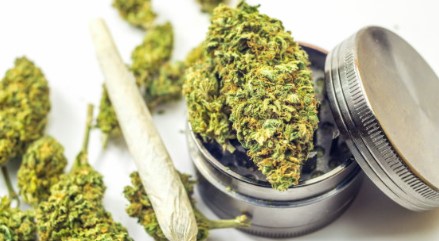
(i) Smoking (Combustion – Joints, Pipes, Bongs)
- Absorption: Cannabinoids are rapidly absorbed through the alveoli in the lungs, where they enter the bloodstream almost immediately.
- Onset Time: 1-5 minutes
- Peak Effects: 15-30 minutes post-inhalation
- Duration: 2-4 hours
- Bioavailability: 10%-35% (varies based on inhalation depth, frequency, and exhalation timing)
- Effects: Fast onset with strong cerebral euphoria followed by body relaxation.
(ii) Vaping (Convection/Conduction – Dry Herb Vaporizers, Concentrates, E-Cigs)
- Absorption: Same as smoking, but at lower temperatures (300°F – 450°F), preserving more terpenes and cannabinoids.
- Onset Time: 1-3 minutes
- Peak Effects: 10-25 minutes
- Duration: 2-4 hours
- Bioavailability: 50%-80% (higher than smoking due to less cannabinoid degradation)
- Effects: Cleaner high, enhanced flavor profile, and more controlled THC intake.
B. Oral Ingestion (Edibles, Capsules, Tinctures)
(i) Edibles (Gummies, Brownies, Infused Beverages, Chocolates, etc.)
- Absorption: Cannabinoids undergo first-pass metabolism in the liver, where THC is converted into 11-hydroxy-THC, a more potent and long-lasting psychoactive compound.
- Onset Time: 30-90 minutes (delayed due to digestion process).
- Peak Effects: 2-3 hours after ingestion.
- Duration: 4–8 hours (large doses can occasionally last up to 12 hours).
- Bioavailability: 4%-20% (varies based on metabolism and whether taken with fats).
- Effects: More intense body high, longer-lasting relaxation, and stronger sedation due to 11-hydroxy-THC.
(ii) Capsules and Pills
- Absorption: Similar to edibles, but effects are more predictable due to consistent dosing.
- Onset Time: 30-60 minutes
- Peak Effects: 2-3 hours
- Duration: 6-10 hours
- Bioavailability: 4%-15%
- Effects: Gradual onset, stronger body high, useful for medical applications (pain, insomnia).
(iii) Tinctures (Sublingual Absorption – Alcohol or Oil-Based Extracts)
- Absorption: THC and cannabinoids absorb directly into the bloodstream through the sublingual mucosa under the tongue, bypassing the digestive system.
- Onset Time: 15-45 minutes
- Peak Effects: 1-2 hours
- Duration: 3-6 hours
- Bioavailability: 10%-40% (higher than edibles due to direct bloodstream absorption).
- Effects: Milder than edibles but longer-lasting than smoking, good for fast relief without intense intoxication.

C. Topical Application (Creams, Balms, Patches)
- Absorption: Cannabinoids interact with CB2 receptors in the skin and do not enter the bloodstream (except transdermal patches).
- Onset Time: 10-30 minutes
- Peak Effects: 1-2 hours
- Duration: 2-6 hours
- Bioavailability: Localized effect (unless transdermal patches are used).
- Effects: Primarily used for pain relief, inflammation, and localized conditions like arthritis or muscle soreness.
(i) Transdermal Patches
- Unique Feature: Allows cannabinoids to enter the bloodstream, providing systemic effects similar to oral ingestion.
- Onset Time: 30-60 minutes
- Duration: Up to 12 hours
- Effects: Continuous release of cannabinoids, ideal for long-term medical relief.
2. Onset, Peak, and Duration of Effects
Each method provides a different experience based on the rate of absorption and metabolism:
| Method | Onset Time | Peak Effects | Duration | Bioavailability |
|---|---|---|---|---|
| Smoking (Joint/Pipe/Bong) | 1-5 min | 15-30 min | 2-4 hrs | 10%-35% |
| Vaping (Dry Herb/Concentrate) | 1-3 min | 10-25 min | 2-4 hrs | 50%-80% |
| Edibles (Gummies, Brownies) | 30-90 min | 2-3 hrs | 4-8 hrs | 4%-20% |
| Capsules/Pills | 30-60 min | 2-3 hrs | 6-10 hrs | 4%-15% |
| Tinctures (Sublingual) | 15-45 min | 1-2 hrs | 3-6 hrs | 10%-40% |
| Topicals (Creams, Balms) | 10-30 min | 1-2 hrs | 2-6 hrs | Localized |
| Transdermal Patches | 30-60 min | 2-4 hrs | Up to 12 hrs | Systemic |
3. Factors Affecting Onset and Duration
A. Individual Metabolism
- Fast metabolism → Shorter duration, quicker onset.
- Slow metabolism → Prolonged effects.
B. Tolerance & Dosage
- Higher THC tolerance → Shorter, less intense effects.
- Lower tolerance → Longer, stronger effects.
C. Presence of Fats in Diet
- Edibles consumed with fatty foods (butter, coconut oil) → Increased bioavailability of THC and longer-lasting effects.
D. Strain Potency & Cannabinoid Profile
- Diablo’s high THC (15%-28%) & myrcene-rich profile enhances sedation and relaxation.
- More CBD present → Modulates and reduces THC’s intensity.
Conclusion: Choosing the Right Ingestion Method
- For rapid effects & social use → Smoking or vaping.
- For long-lasting relief (pain, sleep disorders) → Edibles, capsules, or patches.
- For localized relief → Topicals or balms.
- For fast medical relief without smoking → Sublingual tinctures.
Potential Side Effects
Although Diablo has numerous benefits, it may cause some adverse effects, especially in inexperienced users or when consumed in high doses. Common side effects include:
- Dry Mouth and Dry Eyes: Typical with THC-rich strains; staying hydrated helps mitigate these effects.
- Dizziness and Lightheadedness: Can occur in those with low THC tolerance.
- Paranoia and Anxiety: In rare cases, excessive consumption can lead to heightened anxiety or paranoia.
- Sedation and Lethargy: At higher doses, the strain’s Indica dominance can result in excessive drowsiness.
Conclusion
Diablo is a versatile and potent Indica-dominant hybrid that offers a wide range of medical and recreational benefits. With its complex terpene profile, high THC content, and well-balanced effects, it’s a favorite among cannabis enthusiasts seeking relaxation, pain relief, and mood enhancement. Whether used for medical relief or recreational enjoyment, Diablo delivers a powerful and enjoyable cannabis encounter that meets a range of requirements.
For medical users, chronic pain, stress, insomnia, and appetite stimulation are among the key benefits, while recreational users will appreciate its euphoric, relaxing, and creativity-boosting effects. As always, responsible consumption is recommended to maximize the benefits and minimize potential side effects.
For a complete directory of cultivars, visit our Cannabis Strain Reviews.
