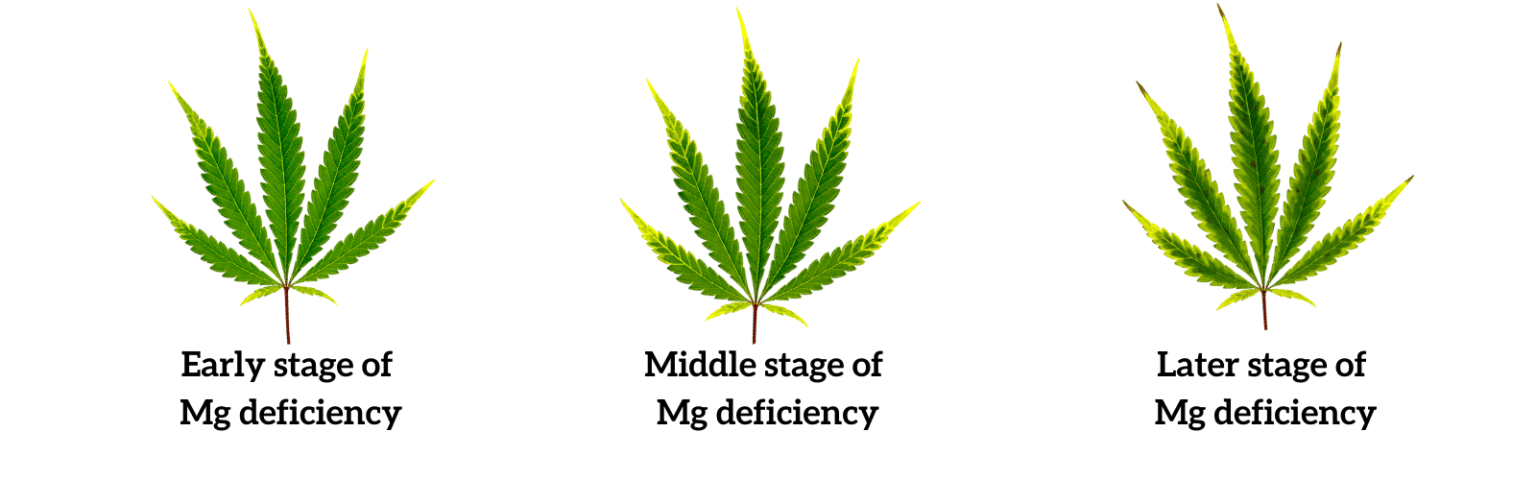
Deficiency and Excess of Magnesium in Cannabis Plants: An In-Depth Guide
Magnesium is a vital nutrient for cannabis plants, playing a critical role in various physiological processes. Both magnesium deficiency and excess can significantly impact the health and yield of cannabis. This guide provides an in-depth exploration of magnesium’s functions, the symptoms of its deficiency and excess, and practical solutions to manage these issues.
Importance of Magnesium in Cannabis Plants
Magnesium (Mg) is an essential secondary macronutrient for cannabis plants, playing a vital role in several physiological processes crucial for growth and development. Understanding the importance of magnesium helps in ensuring the health and productivity of cannabis plants. Here, we delve into the specific functions and benefits of magnesium in cannabis cultivation.
1. Chlorophyll Production
Central Role in Photosynthesis:
- Chlorophyll Molecule Structure: Magnesium is a central atom in the chlorophyll molecule, which is the pigment responsible for the green color of plants and the absorption of light energy. Without magnesium, chlorophyll cannot function, and photosynthesis would be severely impaired.
- Energy Conversion: Magnesium’s role in chlorophyll helps plants convert light energy into chemical energy through photosynthesis. This process produces the sugars and carbohydrates necessary for plant growth and development.
2. Enzyme Activation
Catalyst in Biochemical Reactions:
- Enzyme Co-Factor: Magnesium acts as a co-factor for over 300 enzymatic reactions within the plant. These enzymes are involved in critical biochemical processes, including the synthesis of DNA, RNA, proteins, and carbohydrates.
- Metabolic Processes: Enzymes that depend on magnesium are essential for metabolic processes such as glycolysis and the citric acid cycle, which are vital for energy production and growth.
3. Energy Transfer
ATP and Phosphorylation:
- Formation of ATP: The production of ATP, or adenosine triphosphate, the main energy molecule in all living things, requires magnesium. Energy transfer within cells requires ATP.
- Stabilization of ATP: Magnesium binds to ATP molecules, stabilizing them and facilitating their involvement in energy transfer reactions. This ensures that energy is efficiently transferred to where it is needed within the plant cells.
4. Nutrient Uptake and Transport
Balanced Nutrient Absorption:
- Nutrient Interaction: Magnesium plays a role in regulating the uptake and transport of other essential nutrients, such as phosphorus and iron. It helps maintain the balance and availability of these nutrients within the plant.
- Vascular Function: The vascular system of plants depends on magnesium to operate properly, which helps the plant move water and nutrients throughout its body. This guarantees that the materials required for the plant’s growth and development reach every region of the plant.
5. Protein Synthesis
Building Plant Structures:
- Amino Acid Formation: Magnesium is involved in the synthesis of amino acids, the building blocks of proteins. The construction, operation, and control of plant cells and tissues depend on proteins.
- Ribosome Stability: Magnesium helps stabilize ribosomes, the cellular structures where protein synthesis occurs. This stability is crucial for efficient and effective protein production.
6. Stress Resistance
Enhanced Plant Resilience:
- Abiotic Stress: Adequate magnesium levels help plants better withstand abiotic stresses such as drought, heat, and salinity. Magnesium contributes to the plant’s overall health and vitality, making it more resilient to environmental challenges.
- Pathogen Defense: Magnesium is also linked to the production of secondary metabolites, which can enhance the plant’s defense mechanisms against pathogens and pests.
7. Structural Integrity
Strengthening Plant Tissues:
- Cell Wall Formation: Magnesium is involved in the formation and stabilization of cell walls. Strong cell walls are essential for maintaining the structural integrity of the plant, supporting healthy growth and development.
- Root Development: Adequate magnesium levels promote robust root development, ensuring efficient nutrient and water uptake from the soil.
Magnesium Deficiency in Cannabis Plants
Magnesium deficiency in cannabis plants is a common issue that can severely impact plant health and yield. Understanding the causes, symptoms, and solutions for magnesium deficiency is crucial for maintaining healthy cannabis plants. This section provides a comprehensive overview of magnesium deficiency in cannabis plants.
Causes of Magnesium Deficiency
Magnesium deficiency in cannabis can result from several factors, including:
- Low Magnesium Levels in Soil or Nutrient Solution
- Depleted Soil: Soils that have been used for a long time without replenishment may have low magnesium levels.
- Poor-Quality Nutrient Solutions: Inadequate magnesium in hydroponic nutrient solutions can lead to deficiency.
- pH Imbalance
- Acidic or Alkaline Conditions: Magnesium availability decreases in highly acidic (pH below 6.0) or alkaline (pH above 7.0) soils or nutrient solutions. The optimal pH range for magnesium uptake in soil is 6.0 to 7.0 and in hydroponics, 5.5 to 6.5.
- High Levels of Competing Nutrients
- Nutrient Antagonism: Excessive calcium, potassium, or ammonium can interfere with magnesium absorption. These nutrients compete with magnesium for uptake by the plant roots.
- Overwatering
- Waterlogged Soil: Poor drainage and overwatering can restrict oxygen availability to roots, hindering magnesium uptake.
- Sandy or Acidic Soils
- Low Cation Exchange Capacity (CEC): Sandy soils with low CEC cannot hold onto magnesium effectively, leading to leaching and deficiency.
- Highly Acidic Soils: Acidic soils often have reduced magnesium availability due to increased solubility and leaching.
Symptoms of Magnesium Deficiency
Identifying magnesium deficiency early is crucial for timely intervention. The symptoms typically manifest as follows:
- Interveinal Chlorosis
- Yellowing Between Veins: One of the earliest signs is yellowing between the veins of older leaves while the veins themselves remain green. This pattern starts from the lower leaves and progresses upwards.
- Leaf Necrosis
- Brown or Rust-Colored Spots: As the deficiency progresses, brown or rust-colored spots (necrosis) may appear on the leaves. These patches may combine, seriously harming the leaves.
- Leaf Curling
- Edge Curling: The edges of the affected leaves may curl upwards or downwards. This is often accompanied by a brittle texture.
- Reduced Growth
- Stunted Development: Overall plant growth may slow down, with smaller and weaker stems and leaves. Bud development may also be adversely affected.
- Premature Leaf Drop
- Falling Leaves: Severely affected leaves may drop off prematurely, further reducing the plant’s photosynthetic capacity and overall health.
Diagnosing Magnesium Deficiency
Accurate diagnosis involves a combination of visual inspection and testing:
- Visual Symptoms
- Observation: Look for characteristic signs such as interveinal chlorosis, leaf necrosis, curling, and reduced growth, particularly on older leaves.
- Soil and Nutrient Solution Testing
- Magnesium Levels: Test the soil or nutrient solution for magnesium content to confirm deficiency. Soil test kits and laboratory analyses can provide precise measurements.
- pH Testing
- pH Range: Check the pH of the growing medium. Ensure it is within the optimal range for magnesium uptake (6.0 to 7.0 for soil and 5.5 to 6.5 for hydroponics).
- Leaf Tissue Analysis
- Laboratory Analysis: Send leaf samples to a laboratory for tissue analysis. This provides a detailed assessment of nutrient levels within the plant.
Solutions for Magnesium Deficiency
Addressing magnesium deficiency involves several steps:
- Adjust pH
- Soil Amendments: Use lime to raise pH in acidic soils or sulfur to lower pH in alkaline soils. This adjustment improves magnesium availability.
- pH Buffers: In hydroponics, use pH buffers to maintain the nutrient solution within the optimal range for magnesium uptake.
- Magnesium Supplements
- Epsom Salts (Magnesium Sulfate): Add Epsom salts to the soil or nutrient solution. A common dosage is 1-2 teaspoons per gallon of water for soil application or 1-2 teaspoons per 5 gallons of water for hydroponics.
- Dolomitic Lime: Use dolomitic lime to amend soil, providing both magnesium and calcium.
- Commercial Magnesium Chelates: Apply commercial magnesium chelates for a quick and efficient magnesium source.
- Foliar Feeding
- Magnesium Solution Spray: For rapid relief, apply a magnesium solution directly to the leaves. Dissolve Epsom salts in water (1 teaspoon per quart) and spray on affected leaves. This method provides immediate absorption through the leaf surface.
- Balanced Nutrient Management
- Avoid Excess Competing Nutrients: Manage the application of calcium, potassium, and ammonium to prevent competition with magnesium uptake.
- Regular Monitoring: Regularly test and adjust nutrient levels to maintain a balanced nutrient profile.
Excess Magnesium in Cannabis Plants
While magnesium deficiency is a more common issue, excess magnesium in cannabis plants can also occur and lead to significant problems. Understanding the causes, symptoms, and solutions for excess magnesium is crucial for maintaining a balanced nutrient profile and ensuring healthy plant growth.
Causes of Magnesium Excess
Excess magnesium in cannabis plants can result from several factors:
- Over-Fertilization
- Excessive Use of Magnesium-Rich Fertilizers: Applying too much magnesium-containing fertilizer can lead to an accumulation of magnesium in the soil or nutrient solution.
- Incorrect Nutrient Formulations: In hydroponic systems, using nutrient solutions with incorrect formulations or too high magnesium concentrations can cause toxicity.
- High Magnesium Content in Irrigation Water
- Hard Water: Water with high mineral content, especially well water or hard water, can contribute to elevated magnesium levels when used for irrigation over time.
- Imbalanced Nutrient Solutions
- Nutrient Mismanagement: Using nutrient solutions that are not properly balanced can result in excessive magnesium levels, especially in controlled environments like hydroponics.
Symptoms of Magnesium Excess
Excessive magnesium can lead to several symptoms that affect the plant’s health and growth:
- Nutrient Imbalance
- Interference with Other Nutrients: High magnesium levels can compete with and reduce the uptake of other essential nutrients, particularly calcium and potassium, leading to secondary deficiencies.
- Calcium Deficiency: Symptoms may include blossom end rot in fruits, tip burn in leaves, and poor root development.
- Potassium Deficiency: Symptoms may include chlorosis, necrosis, and weakened plant structure.
- Salt Build-Up
- Soil Salinity: In soil, excessive magnesium can contribute to salt build-up, leading to high soil salinity. This can affect root function, water uptake, and overall plant health.
- Hydroponic Systems: In hydroponics, high salt concentrations can create osmotic stress, reducing water uptake by the roots.
- Leaf Discoloration and Damage
- Dark Green Leaves: Leaves may become unusually dark green or develop a shiny appearance.
- Leaf Burn: The tips and edges of the leaves may show signs of burning or necrosis, similar to nutrient burn from over-fertilization.
- Reduced Growth
- Stunted Growth: Overall plant growth may be stunted, with smaller leaves, shorter internodes, and reduced bud development.
- Poor Flowering: Excessive magnesium can lead to poor flowering, affecting yield and quality.
Diagnosing Magnesium Excess
Accurate diagnosis involves a combination of visual inspection and testing:
- Visual Symptoms
- Observation: Look for characteristic signs such as dark green, shiny leaves, leaf burn, and reduced growth.
- Soil and Nutrient Solution Testing
- Magnesium Levels: Test the soil or nutrient solution for high magnesium content. Soil test kits and laboratory analyses can provide precise measurements.
- Water Testing
- Irrigation Water: Analyze the magnesium content in irrigation water, especially if using well water or hard water.
Solutions for Magnesium Excess
To correct excess magnesium, several steps can be taken:
- Flush the Growing Medium
- Leaching Excess Magnesium: Use a large volume of water to flush the growing medium, effectively leaching out excess magnesium. Ensure good drainage to prevent waterlogging.
- Hydroponic Systems: In hydroponics, replace the nutrient solution with fresh water or a balanced solution to dilute and reduce magnesium concentration.
- Adjust Fertilizer Regimen
- Reduce Magnesium Fertilizers: Reduce or eliminate the use of magnesium-containing fertilizers until levels are balanced.
- Balanced Nutrient Solutions: Use balanced nutrient formulations that provide all essential nutrients in appropriate ratios.
- Monitor Water Quality
- Low Magnesium Water: Use water with low magnesium content for irrigation. If using hard water, consider using a water softener or reverse osmosis system to remove excess minerals.
- Soil Amendments
- Organic Matter: Incorporate organic matter into the soil to improve its nutrient-holding capacity and buffer against nutrient imbalances.
- Gypsum Addition: In cases of severe magnesium excess, adding gypsum (calcium sulfate) can help displace magnesium ions and restore balance.
Preventing Magnesium Issues in Cannabis Cultivation
Preventing magnesium deficiencies and excesses is critical for maintaining the health and productivity of cannabis plants. Implementing best practices in nutrient management and cultivation techniques can help avoid these issues. Here are comprehensive strategies to prevent magnesium problems in cannabis cultivation.
1. Regular Soil and Water Testing
Consistent Monitoring:
- Soil Testing: Regularly test the soil to monitor magnesium levels and overall nutrient content. This helps in making timely adjustments before deficiencies or excesses become problematic.
- Water Testing: Analyze the irrigation water for its mineral content, including magnesium. This is especially important if using well water or hard water, which can contribute to nutrient imbalances.
2. Use of Quality Nutrients
Balanced Fertilizers:
- High-Quality Fertilizers: Use high-quality, balanced fertilizers that provide all essential nutrients, including magnesium, in appropriate ratios. Avoid over-reliance on single-nutrient supplements that can lead to imbalances.
- Customized Nutrient Solutions: In hydroponics, use nutrient solutions formulated specifically for cannabis, ensuring they provide balanced nutrition tailored to the plant’s needs.
3. Optimal pH Management
Maintaining Optimal pH:
- Soil pH: Ensure the soil pH is within the optimal range for magnesium uptake (6.0 to 7.0). Adjust pH using lime to raise it in acidic soils or sulfur to lower it in alkaline soils.
- Hydroponic pH: In hydroponic systems, maintain the nutrient solution pH between 5.5 and 6.5. Use pH buffers and regularly check pH levels to ensure they remain within this range.
4. Proper Irrigation Practices
Water Management:
- Avoid Overwatering: Maintain adequate drainage to avoid waterlogging, which may impair the absorption of magnesium. Overwatering can also lead to nutrient leaching, causing deficiencies.
- Consistent Moisture Levels: Maintain consistent soil moisture levels without causing saturation. Use irrigation techniques that promote healthy root function and efficient nutrient uptake.
5. Appropriate Soil Amendments
Soil Conditioning:
- Organic Matter: Incorporate organic matter into the soil to improve its nutrient-holding capacity and overall health. Organic matter can buffer against nutrient imbalances and enhance soil structure.
- Magnesium-Rich Amendments: Use soil amendments like dolomitic lime, which provides both magnesium and calcium, to maintain adequate magnesium levels. Apply these amendments based on soil test results.
6. Balanced Fertilization Regimen
Nutrient Management:
- Avoid Over-Fertilization: Follow recommended dosages for fertilizers to prevent nutrient excesses. Over-fertilization with magnesium-rich products can lead to toxicity.
- Nutrient Ratios: Ensure a balanced application of nutrients, particularly calcium, potassium, and magnesium, to avoid nutrient antagonism and promote optimal uptake.
7. Monitoring and Adjusting Nutrient Solutions
Hydroponic Systems:
- Regular Monitoring: In hydroponic systems, regularly monitor nutrient solution concentrations and adjust them as needed. Use nutrient meters and test kits to ensure the solution remains balanced.
- Nutrient Replenishment: Replace the nutrient solution periodically to prevent the build-up of salts and ensure a consistent supply of balanced nutrients.
8. Cultivar Selection
Choosing Resilient Strains:
- Resistant Varieties: Some cannabis strains are more resilient to nutrient imbalances than others. Selecting cultivars known for their tolerance to magnesium fluctuations can help mitigate potential issues.
- Breeder Recommendations: Follow breeder recommendations for specific nutrient needs and management practices for the chosen strains.
9. Integrated Nutrient Management (INM)
Holistic Approach:
- INM Practices: Implement integrated nutrient management practices that combine organic and inorganic sources of nutrients, tailored to the specific needs of the crop and growing conditions.
- Sustainable Practices: Focus on sustainable nutrient management practices that promote long-term soil health and fertility.
10. Education and Training
Continuous Learning:
- Stay Informed: Stay informed about the most recent findings and recommended procedures for growing cannabis and controlling nutrients. Take part in workshops, peruse trade journals, and establish connections with other cultivators.
- Training Programs: Participate in training programs to enhance knowledge and skills in diagnosing and managing nutrient issues, including magnesium-related problems.
Conclusion
Magnesium is a vital nutrient for the health and productivity of cannabis plants, playing crucial roles in photosynthesis, enzyme activation, energy transfer, nutrient uptake, protein synthesis, stress resistance, and structural integrity. Both magnesium deficiency and excess can lead to significant growth and yield issues, impacting the overall quality of the crop.
Key Points on Magnesium in Cannabis Cultivation:
- Importance of Magnesium: As the central atom in chlorophyll, magnesium is indispensable for photosynthesis and overall plant energy metabolism. It activates enzymes crucial for biochemical reactions and helps stabilize ATP for energy transfer within plant cells.
- Magnesium Deficiency: Commonly caused by low magnesium levels in soil or nutrient solutions, pH imbalances, high levels of competing nutrients, overwatering, and certain soil types. Symptoms include interveinal chlorosis, leaf necrosis, curling, reduced growth, and premature leaf drop. Solutions involve pH adjustments, magnesium supplements, foliar feeding, and balanced nutrient management.
- Magnesium Excess: Often results from over-fertilization, high magnesium content in irrigation water, and imbalanced nutrient solutions. Symptoms include nutrient imbalances, salt build-up, leaf discoloration, reduced growth, and poor flowering. Solutions include flushing the growing medium, adjusting fertilizer regimens, monitoring water quality, and amending soils appropriately.
- Preventing Magnesium Issues: Preventative strategies include regular soil and water testing, using quality nutrients, maintaining optimal pH, practicing proper irrigation, applying appropriate soil amendments, balancing fertilization, monitoring and adjusting nutrient solutions, selecting resilient cultivars, implementing integrated nutrient management, and continuous education and training.
By understanding the critical role of magnesium in cannabis cultivation and adopting best practices for nutrient management, growers can prevent both deficiencies and excesses. Regular monitoring, balanced fertilization, optimal pH management, and proper irrigation practices are essential to maintaining healthy magnesium levels, ensuring robust plant growth, maximizing yield, and achieving high-quality harvests.
Implementing these strategies will lead to healthier plants, improved resilience to stress, and higher quality cannabis products, ultimately contributing to successful and sustainable cannabis cultivation.
