Deficiency and Excess of Iron in Cannabis Plants
Iron is an essential micronutrient for cannabis plants, playing a crucial role in various physiological processes. However, maintaining the right balance is vital, as both deficiency and excess of iron can lead to significant problems. This comprehensive guide will delve into the roles of iron, symptoms of deficiency and excess, methods of diagnosis, and effective management strategies.
The Role of Iron in Cannabis Plants
Cannabis plants require iron, an important micronutrient, for proper growth and development. It is involved in various physiological processes that are vital for the plant’s health and productivity. Understanding the role of iron in cannabis plants can help growers optimize their nutrient management practices to ensure robust growth and high yields.
Importance of Iron in Plant Metabolism
Iron is a key component in several critical biochemical and physiological processes within cannabis plants, including:
- Chlorophyll Synthesis:
- Chlorophyll, the green pigment in plants that absorbs light energy during photosynthesis, is made primarily of iron. Inadequate iron levels cause chlorophyll synthesis to be hindered, which results in chlorosis (yellowing of the leaves), which adversely affects the plant’s capacity to carry out photosynthesis.
- Photosynthesis:
- Beyond its role in chlorophyll synthesis, iron is also involved in the formation of proteins and enzymes that are integral to the photosynthetic process. Iron-containing enzymes, such as ferredoxin and cytochromes, play critical roles in the electron transport chain within the chloroplasts, facilitating the conversion of light energy into chemical energy (ATP).
- Respiration:
- Iron is a component of various cytochromes and iron-sulfur proteins that are part of the plant’s respiratory electron transport chain. These proteins are essential for cellular respiration, a process that converts sugars produced during photosynthesis into usable energy (ATP) for the plant’s metabolic activities.
- Nitrogen Fixation and Assimilation:
- In symbiotic relationships with nitrogen-fixing bacteria, iron plays a crucial role. It is a component of nitrogenase, the enzyme complex responsible for converting atmospheric nitrogen into ammonia, a form of nitrogen that plants can use. Iron is also involved in nitrate and nitrite reductase enzymes, which are essential for the assimilation of nitrate into amino acids and other nitrogenous compounds.
- Enzyme Function:
- For many of the enzymes engaged in different metabolic pathways, iron serves as a cofactor. These include catalase and peroxidase enzymes, which help protect the plant from oxidative damage by breaking down harmful hydrogen peroxide into water and oxygen.
Iron Uptake and Transport
Iron uptake and transport within the cannabis plant are highly regulated processes. The availability of iron in the soil or nutrient solution, as well as the plant’s ability to absorb and mobilize iron, are critical for maintaining adequate iron levels in the tissues.
- Soil and Nutrient Solution:
- In soil, iron is present in both soluble and insoluble forms. The availability of iron to plants is influenced by soil pH, with iron being more soluble and available in acidic conditions (pH 5.5-6.5) and less available in alkaline conditions (pH above 7). In hydroponic systems, iron is typically supplied in chelated forms (e.g., EDTA, DTPA) to enhance its availability to the plants.
- Root Absorption:
- Cannabis roots absorb iron through specific transporters located in the root epidermis. These transporters facilitate the uptake of iron from the soil or nutrient solution into the root cells. Iron uptake is an active process that requires energy, and it is influenced by factors such as root health, oxygen availability, and the presence of competing ions.
- Translocation:
- Once absorbed by the roots, iron is translocated throughout the plant via the xylem. Iron must be in a soluble form (ferrous iron, Fe²⁺) to be transported efficiently. Within the plant, iron can be stored in vacuoles or bound to proteins and organic acids to prevent it from causing oxidative damage.
Iron Deficiency in Cannabis Plants
Iron deficiency is a common issue in cannabis cultivation, especially in hydroponic systems and soils with high pH levels. It is essential for efficient management to comprehend the underlying causes and symptoms.
Symptoms of Iron Deficiency
Iron deficiency typically manifests in the following ways:
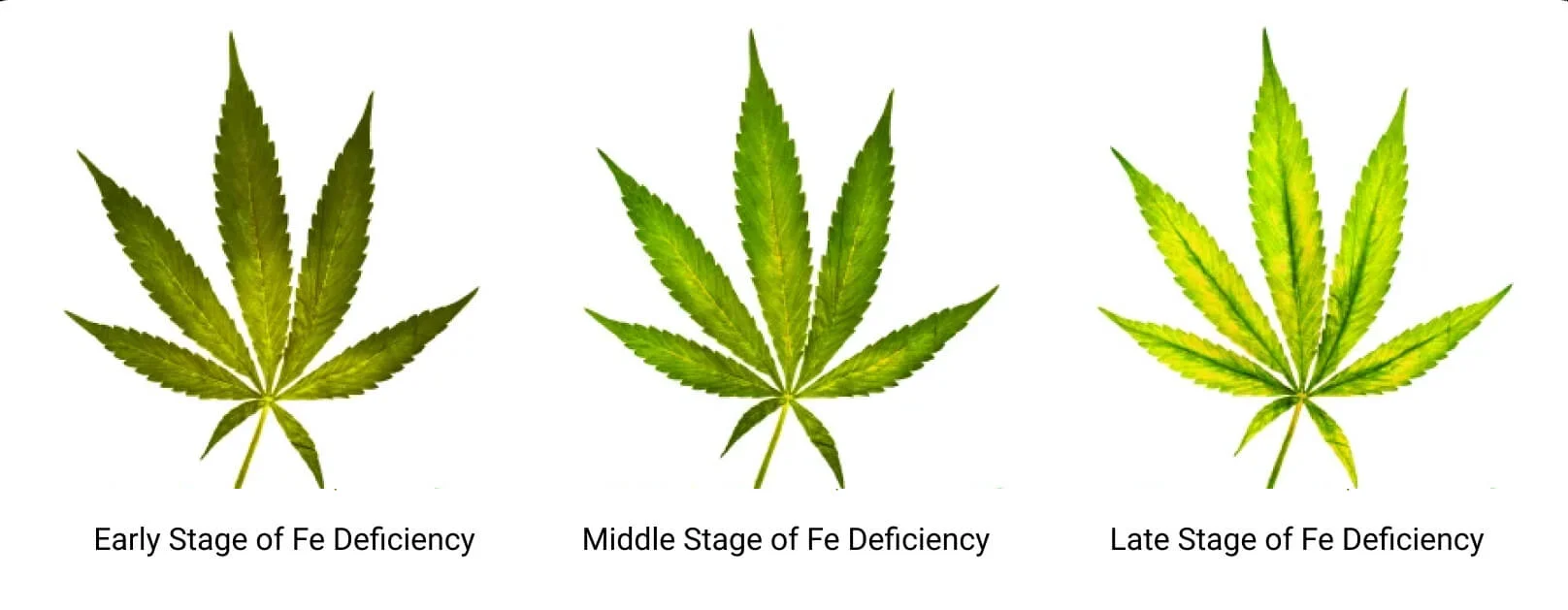
- Interveinal Chlorosis: The most distinctive symptom is the yellowing of young leaves, while the veins remain green. This interveinal chlorosis occurs because iron is immobile within the plant, affecting new growth first.
- Stunted Growth: As iron deficiency progresses, the overall growth of the plant becomes stunted. The leaves may appear smaller and the plant may exhibit poor vigor.
- Reduced Yield: In severe cases, iron deficiency can lead to a significant reduction in yield due to impaired photosynthesis and reduced energy production.
Causes of Iron Deficiency
Iron deficiency can be attributed to several factors:
- High pH Levels: Iron becomes less available to plants in alkaline soils (pH above 7). The solubility of iron decreases as pH increases, making it difficult for plants to absorb it from the soil.
- Poor Soil Aeration: Compacted or waterlogged soils can limit the availability of iron. Roots require oxygen to uptake iron efficiently, and poorly aerated soils can hinder this process.
- Imbalanced Nutrient Levels: Excessive amounts of other nutrients, such as phosphorus or manganese, can interfere with iron uptake. Nutrient antagonistic phenomena is what is called for this.
- Substrate Issues in Hydroponics: In hydroponic systems, the absence of proper iron chelates or incorrect nutrient formulations can lead to iron deficiency.
Managing Iron Deficiency
Effective management of iron deficiency involves a combination of corrective measures and preventive strategies.
Corrective Measures
- Foliar Sprays: Applying iron chelates directly to the leaves can provide a quick remedy. Foliar sprays bypass the root system and deliver iron directly to the chloroplasts where it is needed.
- Soil Amendments: If soil pH is high, adding sulfur or organic matter can help lower the pH and improve iron availability. Products such as ferrous sulfate or chelated iron can also be used to increase iron levels in the soil.
- Hydroponic Adjustments: In hydroponic systems, ensure that the nutrient solution contains adequate iron chelates. Adjusting the pH of the solution to around 5.5-6.5 can enhance iron availability.
Preventive Strategies
- Regular Soil Testing: Regularly test soil pH and nutrient levels to detect potential issues early. Soil tests can guide appropriate amendments to maintain optimal conditions.
- Balanced Fertilization: Use balanced fertilizers that provide all essential nutrients in appropriate ratios. Avoid over-application of any single nutrient that could cause antagonism.
- Organic Matter Incorporation: Incorporate organic matter into the soil to improve its structure, aeration, and microbial activity, all of which can enhance iron availability.
Iron Excess in Cannabis Plants
While iron is a critical micronutrient necessary for the healthy growth and development of cannabis plants, an excess of iron can be just as detrimental as a deficiency. Iron toxicity can lead to severe physiological disruptions, ultimately affecting plant health and yield. This section delves into the causes, symptoms, and management strategies for iron excess in cannabis cultivation.
Symptoms of Iron Excess
Identifying the symptoms of iron toxicity is crucial for timely intervention. Excessive iron can manifest in several ways:
- Leaf Discoloration:
- The leaves may turn dark green or develop a bronze hue. This discoloration usually starts at the edges of the leaves and progresses inward.
- Leaf Necrosis:
- Necrotic spots, which are dead tissue areas, can appear on the leaves. These spots can start as small patches but may spread if the toxicity is not addressed.
- Stunted Growth:
- Excess iron can inhibit overall plant growth, leading to stunted plants that are smaller and less vigorous than healthy counterparts.
- Interference with Other Nutrients:
- Iron toxicity can interfere with the uptake of other essential nutrients such as phosphorus, manganese, and zinc, leading to secondary nutrient deficiencies.
Causes of Iron Excess
Several factors can contribute to iron toxicity in cannabis plants:
- Over-Fertilization:
- The overuse of fertilizers containing iron is the most frequent cause of iron poisoning. Over-application can quickly lead to toxic levels of iron in the soil or nutrient solution.
- Low pH Levels:
- Iron is more soluble and available for plant uptake in acidic conditions (pH below 5). In such environments, iron can accumulate to toxic levels.
- Poor Drainage and Anaerobic Conditions:
- Waterlogged or poorly drained soils can exacerbate iron uptake. Anaerobic (oxygen-poor) conditions often increase the solubility of iron, making it more readily available and leading to toxicity.
- Use of Contaminated Water:
- Water sources high in iron content can contribute to iron toxicity, especially if used regularly for irrigation.
Managing Iron Excess in Cannabis Plants
Iron excess, or toxicity, can severely impact the health and productivity of cannabis plants. Effective management of iron excess involves both immediate corrective actions and long-term preventive strategies to ensure optimal plant growth. This section outlines the best practices for diagnosing, correcting, and preventing iron toxicity in cannabis cultivation.
Immediate Corrective Measures
When iron toxicity is identified, prompt action is required to mitigate its effects and restore plant health. Here are the key corrective measures to manage iron excess:
1. Flushing the Soil
Purpose: To leach out excess iron and reduce its concentration in the soil.
Method:
- Procedure: Thoroughly water the soil to flush out soluble iron. This process involves applying a large volume of water to the growing medium to wash away excess nutrients.
- Frequency: Depending on the severity of toxicity, multiple flushes may be necessary. Allow the soil to drain completely between flushes to prevent waterlogging.
- Considerations: Ensure good drainage to avoid creating anaerobic conditions, which can exacerbate iron uptake.
2. Adjusting Soil pH
Purpose: To reduce the availability of iron by raising soil pH to a more neutral level.
Method:
- Lime Application: Apply agricultural lime (calcium carbonate) or dolomitic lime (calcium magnesium carbonate) to increase soil pH. The amount required depends on the current pH and soil type.
- pH Testing: Regularly test the soil pH before and after lime application to monitor changes and avoid over-correction.
- Target pH: Aim for a soil pH of 6.5-7.0, where iron becomes less available for plant uptake.
3. Improving Soil Aeration and Drainage
Purpose: To enhance root oxygenation and prevent anaerobic conditions that can increase iron solubility.
Method:
- Organic Matter Addition: Add organic materials to the soil, such as compost, well-rotted manure, or peat moss, to help with aeration and structure.
- Soil Amendments: Use perlite, vermiculite, or sand to enhance soil drainage and prevent compaction.
- Container Management: Ensure that pots and containers have adequate drainage holes to facilitate excess water runoff.
4. Using Clean Irrigation Water
Purpose: To prevent further accumulation of iron from contaminated water sources.
Method:
- Water Testing: Test the irrigation water for iron content to determine if it contributes to the toxicity.
- Water Filtration: Use filtered or treated water to reduce iron levels. Reverse osmosis systems or iron filters can be effective in removing excess iron from irrigation water.
- Rainwater Collection: If possible, use rainwater for irrigation, as it typically contains lower iron levels compared to groundwater sources.
Long-Term Preventive Strategies
Preventing iron toxicity involves maintaining a balanced approach to nutrient management and monitoring environmental conditions to ensure the long-term health of cannabis plants. Here are key preventive strategies:
1. Monitoring Fertilizer Use
Purpose: To avoid over-fertilization and nutrient imbalances that can lead to iron toxicity.
Method:
- Balanced Fertilization: Use fertilizers specifically formulated for cannabis that provide iron in appropriate ratios with other essential nutrients.
- Adhere to Guidelines: Follow the manufacturer’s recommendations for fertilizer dosages and application schedules. Avoid the temptation to over-apply fertilizers in the belief that more nutrients will lead to better growth.
- Integrated Nutrient Management: Regularly rotate and balance nutrient applications to prevent buildup of any single nutrient.
2. Regular Soil Testing
Purpose: To monitor soil nutrient levels and pH to detect potential issues early.
Method:
- Frequency: Conduct soil tests at least twice per growing season – before planting and midway through the growth cycle.
- Parameters: Test for iron concentration, pH, and other essential nutrients to maintain a comprehensive understanding of soil health.
- Adjustments: Use the results of soil tests to guide fertilization and pH adjustment practices.
3. Maintaining Optimal Soil pH
Purpose: To ensure that iron remains available but not excessive for plant uptake.
Method:
- Regular pH Testing: Monitor soil pH regularly using pH meters or test kits.
- Amendments: Apply lime to raise pH if it drops below the optimal range or sulfur to lower pH if it becomes too high.
- Target pH: Aim for a pH of 6.0-6.5, which is optimal for cannabis growth and helps keep iron availability in check.
4. Ensuring Proper Drainage
Purpose: To prevent waterlogging and anaerobic conditions that can increase iron availability.
Method:
- Soil Structure: Use well-draining soil mixes that include perlite, vermiculite, or sand to promote good drainage.
- Container Management: Ensure pots and containers have adequate drainage holes to allow excess water to escape.
- Site Selection: Choose growing sites with naturally good drainage, or use raised beds to improve water runoff.
Diagnosis of Iron Imbalances in Cannabis Plants
Accurately diagnosing iron imbalances in cannabis plants is crucial for effective management and ensuring optimal plant health and productivity. Iron imbalances can manifest as either deficiency or excess, each presenting distinct symptoms and requiring specific diagnostic methods. This section covers the key steps in diagnosing iron imbalances, including visual inspection, soil testing, and tissue testing.
Visual Inspection
Visual inspection is often the first step in diagnosing iron imbalances. By carefully observing the symptoms exhibited by the plants, growers can identify potential issues related to iron levels.
Symptoms of Iron Deficiency
Iron deficiency typically affects new growth first and can be identified by the following symptoms:
- Interveinal Chlorosis:
- The green veins themselves stay green, but the spaces between them turn yellow in young leaves. This pattern is due to iron’s role in chlorophyll production, which is hampered in deficient conditions.
- Stunted Growth:
- Overall growth may be slowed, with leaves appearing smaller and less vigorous. Plants may exhibit poor vigor and reduced leaf size.
- Leaf Drop:
- Severe cases may cause afflicted leaves to drop early, significantly impairing photosynthetic potential.
Symptoms of Iron Excess
Iron toxicity can also be diagnosed through visual symptoms, typically affecting the entire plant:
- Leaf Discoloration:
- Leaves may turn dark green or bronze, starting from the edges and moving inward. This discoloration is a response to excess iron accumulation in the leaf tissues.
- Necrotic Spots:
- Dead tissue spots (necrosis) can appear on the leaves. These spots may initially be small but can expand if the toxicity is not addressed.
- Stunted Growth:
- Similar to iron deficiency, excessive iron can stunt plant growth, leading to smaller, less vigorous plants.
Soil Testing
Soil testing is a crucial diagnostic tool that provides precise information about the nutrient content and pH of the soil. Regular soil testing can help identify iron imbalances and guide corrective actions.
Parameters to Test
- Iron Concentration:
- Measure the available iron in the soil. High levels may indicate potential toxicity, while low levels suggest a deficiency.
- Soil pH:
- Determine the soil pH, as it significantly influences iron availability. Iron is more soluble in acidic soils and less available in alkaline conditions. Ideal soil pH for cannabis is between 6.0 and 6.5.
- Other Nutrients:
- Test for other nutrients that can interact with iron, such as phosphorus, manganese, and zinc. Imbalances in these nutrients can affect iron uptake.
Soil Testing Methods
- Sampling:
- Collect soil samples from various locations within the growing area to obtain a representative sample. Avoid areas with recent fertilizer application to get an accurate reading of the soil’s baseline nutrient levels.
- Laboratory Analysis:
- Send soil samples to a reputable laboratory for analysis. The lab will provide detailed information on nutrient levels, pH, and recommendations for amendments if needed.
- At-Home Kits:
- For quick assessments, use at-home soil testing kits. While less comprehensive than lab analysis, they can provide immediate insights into soil pH and basic nutrient levels.
Tissue Testing
Leaf tissue analysis is another effective diagnostic tool to determine the actual nutrient content within the plant. This method helps confirm whether the symptoms are due to iron deficiency or toxicity.
Parameters to Test
- Iron Content:
- Measure the iron concentration in the plant tissue. Compare the results with established sufficiency ranges to determine if iron levels are within the optimal range.
- Other Nutrients:
- Analyze the levels of other essential nutrients to identify any secondary deficiencies or toxicities that may be influencing iron uptake and utilization.
Tissue Testing Methods
- Sampling:
- Collect leaf samples from symptomatic plants. For iron deficiency, focus on new growth, while for iron toxicity, collect samples from affected areas showing discoloration or necrosis.
- Laboratory Analysis:
- Send the leaf samples to a laboratory for comprehensive analysis. The lab will provide detailed nutrient profiles and recommendations for addressing imbalances.
Combining Diagnostic Methods
For accurate diagnosis, it is often necessary to combine visual inspection with soil and tissue testing. This comprehensive approach ensures that the symptoms observed are correctly attributed to iron imbalances and not to other nutrient issues or environmental factors.
- Initial Visual Assessment:
- Start with a thorough visual inspection to identify potential symptoms of iron deficiency or toxicity.
- Confirmatory Testing:
- Follow up with soil and tissue tests to confirm the diagnosis. This step is crucial to rule out other possible causes of the observed symptoms.
- Interpreting Results:
- Use the data from soil and tissue tests to interpret the visual symptoms accurately. This combined information will guide the appropriate corrective measures.
Practical Example
Scenario: A cannabis grower notices that the young leaves of their plants are yellowing between the veins, while the older leaves remain green. Growth is stunted, and the plants appear less vigorous.
Steps Taken:
- Visual Inspection:
- The symptoms suggest iron deficiency, as interveinal chlorosis is a hallmark of this issue.
- Soil Testing:
- Soil samples are collected and sent to a laboratory. The results show low iron levels and a high soil pH of 7.5, which reduces iron availability.
- Tissue Testing:
- Leaf samples from the affected plants are analyzed, confirming low iron content in the tissue.
Diagnosis:
- The combined results of visual inspection, soil testing, and tissue testing confirm that the plants are suffering from iron deficiency due to high soil pH.
Corrective Actions:
- The grower applies an iron chelate foliar spray for immediate relief and adds sulfur to the soil to lower the pH to an optimal range. Regular monitoring and adjustments are planned to prevent future deficiencies.
Case Studies and Practical Examples
To provide a practical understanding, let’s consider a few case studies of cannabis growers dealing with iron imbalances.
Case Study 1: Hydroponic Iron Deficiency
A hydroponic cannabis grower observed yellowing of young leaves in their plants. Suspecting iron deficiency, they tested the nutrient solution and found that the iron concentration was below the recommended levels. The grower adjusted the nutrient solution to include an appropriate iron chelate and lowered the pH to 5.8. Within a week, new growth appeared healthy and green, confirming the successful correction of the deficiency.
Case Study 2: Soil Iron Toxicity
A soil-based cannabis grower noticed dark green leaves with necrotic spots on their plants. Soil tests revealed an iron concentration much higher than normal, and the soil pH was found to be 5.2. The grower applied lime to raise the pH and improve drainage. Additionally, they flushed the soil with water to leach out excess iron. Over the next few weeks, the plants recovered, showing improved health and growth.
Conclusion
Iron is a vital micronutrient for cannabis plants, essential for chlorophyll production, enzyme function, and electron transport. However, maintaining the right balance of iron is crucial, as both deficiency and excess can lead to significant problems.
Iron deficiency is commonly caused by high pH levels, poor soil aeration, imbalanced nutrient levels, and substrate issues in hydroponics. Symptoms include interveinal chlorosis, stunted growth, and reduced yield. Corrective measures involve foliar sprays, soil amendments, and hydroponic adjustments, while preventive strategies include regular soil testing, balanced fertilization, and organic matter incorporation.
Iron excess, though less common, can result from over-fertilization, low pH levels, and poor drainage. Symptoms include leaf discoloration, necrosis, and stunted growth. Managing iron excess involves flushing the soil, adjusting pH, and adding organic matter, with preventive strategies focusing on monitoring fertilizer use, regular soil testing, and ensuring proper drainage.
Accurate diagnosis of iron imbalances through visual inspection, soil testing, and tissue testing is essential for effective management. Practical case studies highlight the importance of precise diagnosis and tailored corrective measures.
By understanding the roles of iron, recognizing the symptoms of deficiency and toxicity, and implementing appropriate management strategies, cannabis growers can ensure the health and productivity of their plants, leading to successful cultivation and bountiful yields.
