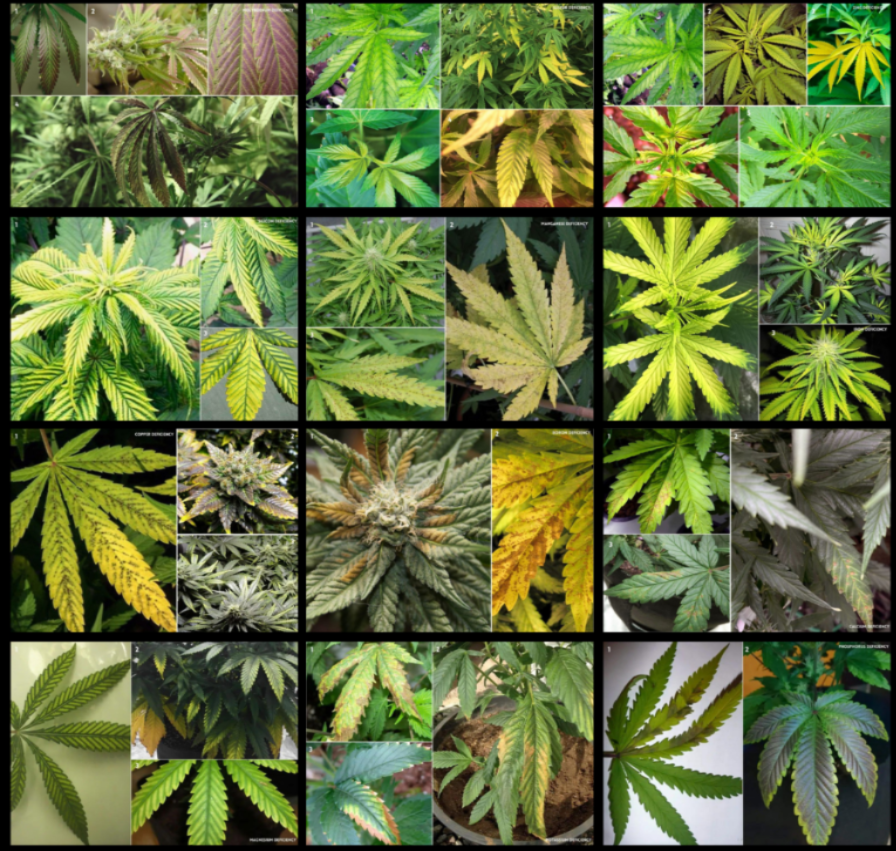
Deficiencies and Excesses in Cannabis Cultivation
Introduction
Cannabis cultivation, like any agricultural endeavor, requires a careful balance of nutrients, water, light, and other environmental factors. Both deficiencies and excesses of these elements can lead to suboptimal growth, reduced yields, and compromised plant health. Understanding the signs and symptoms of these imbalances, as well as how to correct them, is crucial for successful cannabis cultivation. This comprehensive guide will cover the common deficiencies and excesses encountered in cannabis plants, their symptoms, causes, and remedies.
Essential Nutrients for Cannabis
Cannabis plants require a range of essential nutrients for healthy growth, categorized into macronutrients and micronutrients. Nitrogen (N), phosphorus (P), and potassium (K), together known as NPK, are macronutrients that are required in greater amounts. Smaller quantities of micronutrients are needed, such as boron (B), zinc (Cl), iron (Fe), manganese (Mn), zinc (Zn), copper (Cu), and molybdenum (Mo).
Macronutrients
- Nitrogen (N)
- Role: Vital for vegetative growth, chlorophyll production, and protein synthesis.
- Deficiency Symptoms: chlorosis, or yellowing of the elder leaves, limited growth, and lower production.
- Excess Symptoms: Dark green leaves, excessive vegetative growth with delayed flowering, and susceptibility to pests and diseases.
- Phosphorus (P)
- Role: Important for energy transfer, root development, and flowering.
- Deficiency Symptoms: Dark green or purplish foliage, stunted growth, poor root development, and delayed flowering.
- Excess Symptoms: Nutrient lockout, especially of zinc and iron, leading to deficiencies in these nutrients.
- Potassium (K)
- Role: Regulates water uptake, enzyme activation, and stress resistance.
- Deficiency Symptoms: Yellowing or browning of leaf edges, weak stems, and poor resistance to diseases.
- Excess Symptoms: Nutrient imbalances, particularly of calcium and magnesium, causing deficiencies in these nutrients.
Secondary Macronutrients
- Calcium (Ca)
- Role: Cell wall structure, root development, and enzyme activity.
- Deficiency Symptoms: Curling and distorted new growth, tip burn, and weak root systems.
- Excess Symptoms: Can interfere with the uptake of other nutrients like magnesium and potassium.
- Magnesium (Mg)
- Role: Central component of chlorophyll, enzyme function, and energy production.
- Deficiency Symptoms: Interveinal chlorosis (yellowing between veins) on older leaves, leaf drop, and reduced growth.
- Excess Symptoms: Rare, but can cause imbalances with calcium and potassium.
- Sulfur (S)
- Role: Protein synthesis, enzyme function, and chlorophyll production.
- Deficiency Symptoms: Yellowing of new growth, stunted growth, and poor root development.
- Excess Symptoms: Rare, but can cause a harsh taste in the final product.
Micronutrients
- Iron (Fe)
- Role: Chlorophyll synthesis and enzyme function.
- Deficiency Symptoms: Interveinal chlorosis in young leaves, stunted growth, and pale coloration.
- Excess Symptoms: Rare, but can cause bronzing or tiny brown spots on leaves.
- Manganese (Mn)
- Role: Photosynthesis and enzyme activation.
- Deficiency Symptoms: Young leaves with necrotic patches and interveinal chlorosis.
- Excess Symptoms: Can cause toxicity symptoms similar to iron deficiency.
- Zinc (Zn)
- Role: Hormone production and enzyme function.
- Deficiency Symptoms: Interveinal chlorosis and stunted leaf growth, resulting in smaller leaves.
- Excess Symptoms: Can cause iron deficiency due to competitive uptake.
- Copper (Cu)
- Role: Enzyme function and photosynthesis.
- Deficiency Symptoms: Dark, twisted new growth, necrosis, and poor flowering.
- Excess Symptoms: Can lead to root damage and interfere with iron uptake.
- Molybdenum (Mo)
- Role: Nitrogen fixation and enzyme activity.
- Deficiency Symptoms: Interveinal chlorosis and twisted leaf growth, particularly affecting older leaves.
- Excess Symptoms: Rare, but can cause copper deficiency.
- Boron (B)
- Role: Cell wall formation and reproductive development.
- Deficiency Symptoms: Deformed growth tips, thickened, brittle leaves, and poor root development.
- Excess Symptoms: Leaf tip burn and yellowing, especially on younger leaves.
- Chlorine (Cl)
- Role: Photosynthesis and osmotic regulation.
- Deficiency Symptoms: Wilting, chlorosis, and bronzing of leaf tips and margins.
- Excess Symptoms: Leaf burn, wilting, and root toxicity.
Water and pH
Water quality and pH are critical for nutrient uptake in cannabis plants. Poor water quality or incorrect pH levels can lead to nutrient lockout, where nutrients are present but unavailable to the plant.
Water Quality
- Hard Water: Contains high levels of calcium and magnesium, which can lead to nutrient imbalances.
- Soft Water: Lacks essential minerals and can lead to deficiencies.
- Contaminants: Heavy metals, chlorine, and pathogens can harm plant health.
pH Levels
- Optimal pH Range: 6.0-7.0 for soil and 5.5-6.5 for hydroponics.
- Low pH (Acidic): Can cause deficiencies in calcium, magnesium, and phosphorus.
- High pH (Alkaline): Can lead to deficiencies in iron, manganese, and zinc.
Common Deficiencies and Their Remedies
Cannabis plants can suffer from a range of nutrient deficiencies, each presenting specific symptoms. Recognizing these deficiencies early and applying the appropriate remedies can ensure healthy plant growth and optimal yields. Below are detailed descriptions of common deficiencies and their remedies.
Nitrogen (N) Deficiency
Symptoms:
- Early Stage: Light green leaves, especially older leaves at the base of the plant.
- Advanced Stage: Yellowing of older leaves (chlorosis), starting from the tips and margins and moving inward. Stunted growth and reduced yield.
Causes:
- Poor soil fertility.
- Incorrect pH levels, causing nutrient lockout.
- Overwatering, which leaches nitrogen from the soil.
Remedies:
- Fertilization: Apply a nitrogen-rich fertilizer. Organic options include blood meal, fish meal, or composted manure. For quicker results, use a water-soluble nitrogen fertilizer.
- pH Adjustment: Ensure soil pH is between 6.0 and 7.0. Adjust pH using lime (to raise pH) or sulfur (to lower pH) as needed.
- Water Management: Improve soil drainage and avoid overwatering.
Phosphorus (P) Deficiency
Symptoms:
- Early Stage: Dark green or purplish coloration on older leaves.
- Advanced Stage: Stunted growth, poor root development, delayed flowering, and reduced yields. Leaves may appear blue-green and develop purple or red stems.
Causes:
- Cold soil temperatures, which inhibit phosphorus uptake.
- Incorrect pH levels, especially acidic soils (pH below 6.0).
- Poor soil fertility.
Remedies:
- Fertilization: Apply a phosphorus-rich fertilizer. Organic options include bone meal, rock phosphate, or fish meal. For quicker results, use a water-soluble phosphorus fertilizer.
- pH Adjustment: Ensure soil pH is between 6.0 and 7.0. Adjust pH using lime or sulfur as needed.
- Temperature Management: Ensure soil is warm enough, especially during early growth stages. Use mulch to retain soil warmth.
Potassium (K) Deficiency
Symptoms:
- Early Stage: Yellowing or browning of leaf edges (marginal chlorosis).
- Advanced Stage: Necrosis (dead tissue) on leaf edges and tips, weak stems, and poor disease resistance.
Causes:
- Poor soil fertility.
- Incorrect pH levels, causing nutrient lockout.
- Heavy rainfall, which can leach potassium from the soil.
Remedies:
- Fertilization: Apply a potassium-rich fertilizer. Organic options include wood ash, kelp meal, or greensand. For quicker results, use a water-soluble potassium fertilizer.
- pH Adjustment: Ensure soil pH is between 6.0 and 7.0. Adjust pH using lime or sulfur as needed.
- Water Management: Use mulches to retain soil moisture and prevent leaching.
Calcium (Ca) Deficiency
Symptoms:
- Early Stage: Curling and distorted new growth, tip burn on young leaves.
- Advanced Stage: Weak root systems, poor bud development, and overall stunted growth.
Causes:
- Poor soil fertility.
- Incorrect pH levels, particularly acidic soils.
- High humidity, which can inhibit calcium uptake.
Remedies:
- Fertilization: Apply a calcium-rich fertilizer. Organic options include gypsum, dolomite lime, or crushed eggshells. For quicker results, use a water-soluble calcium supplement.
- pH Adjustment: Ensure soil pH is between 6.0 and 7.0. Adjust pH using lime or sulfur as needed.
- Humidity Control: Improve air circulation and reduce humidity levels if necessary.
Magnesium (Mg) Deficiency
Symptoms:
- Early Stage: Interveinal chlorosis (yellowing between veins) on older leaves.
- Advanced Stage: Leaf drop, reduced growth, and poor overall plant health.
Causes:
- Poor soil fertility.
- Incorrect pH levels, causing nutrient lockout.
- Heavy rainfall, which can leach magnesium from the soil.
Remedies:
- Fertilization: Apply a magnesium-rich fertilizer. Organic options include Epsom salts (magnesium sulfate) or dolomite lime. For quicker results, use a water-soluble magnesium supplement.
- pH Adjustment: Ensure soil pH is between 6.0 and 7.0. Adjust pH using lime or sulfur as needed.
- Water Management: Improve soil drainage and avoid overwatering.
Sulfur (S) Deficiency
Symptoms:
- Early Stage: Yellowing of new growth, starting at the base and spreading to the tips.
- Advanced Stage: Stunted growth, poor root development, and overall poor plant health.
Causes:
- Poor soil fertility.
- Incorrect pH levels, particularly in alkaline soils.
- Low organic matter content in the soil.
Remedies:
- Fertilization: Apply a sulfur-rich fertilizer. Organic options include gypsum or composted manure. For quicker results, use a water-soluble sulfur supplement.
- pH Adjustment: Ensure soil pH is between 6.0 and 7.0. Adjust pH using sulfur (to lower pH) or lime (to raise pH) as needed.
- Organic Matter: Increase organic matter in the soil by adding compost or other organic amendments.
Iron (Fe) Deficiency
Symptoms:
- Early Stage: Interveinal chlorosis (yellowing between veins) in young leaves.
- Advanced Stage: Pale coloration, stunted growth, and poor overall plant health.
Causes:
- High pH levels, causing nutrient lockout.
- Poor soil fertility.
- Overwatering, which can reduce oxygen availability to roots.
Remedies:
- Fertilization: Apply an iron chelate or iron sulfate. Organic options include blood meal or compost. For quicker results, use a foliar spray of iron chelate.
- pH Adjustment: Ensure soil pH is between 6.0 and 7.0. Adjust pH using sulfur or iron sulfate as needed.
- Water Management: Improve soil aeration and avoid overwatering.
Manganese (Mn) Deficiency
Symptoms:
- Early Stage: Interveinal chlorosis and necrotic spots on young leaves.
- Advanced Stage: Stunted growth, poor bud development, and overall poor plant health.
Causes:
- High pH levels, causing nutrient lockout.
- Poor soil fertility.
- Excessive watering, which can leach manganese from the soil.
Remedies:
- Fertilization: Apply manganese sulfate. Organic options include compost or kelp meal. For quicker results, use a foliar spray of manganese sulfate.
- pH Adjustment: Ensure soil pH is between 6.0 and 7.0. Adjust pH using sulfur or manganese sulfate as needed.
- Water Management: Improve soil drainage and avoid overwatering.
Zinc (Zn) Deficiency
Symptoms:
- Early Stage: Interveinal chlorosis and stunted leaf growth, resulting in smaller leaves.
- Advanced Stage: Poor bud development, stunted growth, and overall poor plant health.
Causes:
- High pH levels, causing nutrient lockout.
- Poor soil fertility.
- Heavy rainfall, which can leach zinc from the soil.
Remedies:
- Fertilization: Apply zinc sulfate. Organic options include compost or kelp meal. For quicker results, use a foliar spray of zinc sulfate.
- pH Adjustment: Ensure soil pH is between 6.0 and 7.0. Adjust pH using sulfur or zinc sulfate as needed.
- Water Management: Use mulches to retain soil moisture and prevent leaching.
Copper (Cu) Deficiency
Symptoms:
- Early Stage: Dark, twisted new growth and necrosis.
- Advanced Stage: Poor flowering, stunted growth, and overall poor plant health.
Causes:
- Poor soil fertility.
- Incorrect pH levels, particularly in alkaline soils.
- High organic matter content in the soil, which can bind copper.
Remedies:
- Fertilization: Apply copper sulfate. Organic options include compost or kelp meal. For quicker results, use a foliar spray of copper sulfate.
- pH Adjustment: Ensure soil pH is between 6.0 and 7.0. Adjust pH using sulfur or copper sulfate as needed.
- Organic Matter: Improve soil aeration and reduce excessive organic matter.
Molybdenum (Mo) Deficiency
Symptoms:
- Early Stage: Interveinal chlorosis and twisted leaf growth, particularly affecting older leaves.
- Advanced Stage: Stunted growth, poor bud development, and overall poor plant health.
Causes:
- Low soil pH, causing nutrient lockout.
- Poor soil fertility.
- High sulfate levels, which can compete with molybdenum uptake.
Remedies:
- Fertilization: Apply molybdenum fertilizers. Organic options include compost or kelp meal. For quicker results, use a foliar spray of sodium molybdate.
- pH Adjustment: Ensure soil pH is between 6.0 and 7.0. Adjust pH using lime or sodium molybdate as needed.
- Soil Management: Improve soil fertility and reduce excessive sulfate levels.
Boron (B) Deficiency
Symptoms:
- Early Stage: Deformed growth tips and thickened, brittle leaves.
- Advanced Stage: Poor root development, stunted growth, and overall poor plant health.
Causes:
- Poor soil fertility.
- Incorrect pH levels, particularly in alkaline soils.
- Low organic matter content in the soil.
Remedies:
- Fertilization: Apply boron fertilizers. Organic options include compost or borax. For quicker results, use a foliar spray of boric acid.
- pH Adjustment: Ensure soil pH is between 6.0 and 7.0. Adjust pH using sulfur or boric acid as needed.
- Organic Matter: Increase organic matter in the soil by adding compost or other organic amendments.
Chlorine (Cl) Deficiency
Symptoms:
- Early Stage: Wilting, chlorosis, and bronzing of leaf tips and margins.
- Advanced Stage: Poor root development, stunted growth, and overall poor plant health.
Causes:
- Poor soil fertility.
- Low water quality, lacking essential minerals.
- High organic matter content in the soil, which can bind chlorine.
Remedies:
- Fertilization: Apply chlorine-containing fertilizers. Organic options include compost or kelp meal. For quicker results, use a foliar spray of sodium chloride.
- Water Quality: Improve water quality by using sources with adequate mineral content.
- Soil Management: Enhance soil aeration and reduce excessive organic matter.
Common Excesses and Their Remedies
While nutrient deficiencies can hinder cannabis growth, nutrient excesses can be equally detrimental. Over-fertilization or imbalances in nutrient levels can lead to toxicity symptoms, nutrient lockout, and overall poor plant health. Here, we will discuss common nutrient excesses in cannabis cultivation, their symptoms, causes, and remedies.
Nitrogen (N) Excess
Symptoms:
- Early Stage: Dark green leaves, thick and lush foliage.
- Advanced Stage: Excessive vegetative growth with delayed flowering, weak stems, and increased susceptibility to pests and diseases. Leaves may develop a shiny appearance and curl downwards (nitrogen toxicity).
Causes:
- Over-fertilization with nitrogen-rich fertilizers.
- Use of incorrect fertilizer formulations.
Remedies:
- Flush the Soil: Use clean, pH-balanced water to flush the soil and remove excess nitrogen. This facilitates the extra nutrients’ leaching out.
- Reduce Fertilizer Application: Cut back on nitrogen-rich fertilizers and switch to a balanced or lower-nitrogen formula.
- Monitor Nutrient Levels: Regularly test soil or nutrient solution to ensure appropriate nitrogen levels.
Phosphorus (P) Excess
Symptoms:
- Early Stage: Dark green foliage with possible purpling of leaf stems.
- Advanced Stage: Nutrient lockout, especially of zinc and iron, leading to deficiencies in these nutrients. Symptoms of deficiencies may include interveinal chlorosis (yellowing between veins) and stunted growth.
Causes:
- Over-fertilization with phosphorus-rich fertilizers.
- Use of incorrect fertilizer formulations.
Remedies:
- Flush the Soil: Use clean, pH-balanced water to flush the soil and remove excess phosphorus.
- Reduce Fertilizer Application: Cut back on phosphorus-rich fertilizers and use a balanced formula.
- Monitor Nutrient Levels: Regularly test soil or nutrient solution to ensure appropriate phosphorus levels.
Potassium (K) Excess
Symptoms:
- Early Stage: Dark green foliage with possible yellowing of leaf margins.
- Advanced Stage: Nutrient imbalances, particularly of calcium and magnesium, causing deficiencies in these nutrients. Symptoms of deficiencies may include interveinal chlorosis and weak stems.
Causes:
- Over-fertilization with potassium-rich fertilizers.
- Use of incorrect fertilizer formulations.
Remedies:
- Flush the Soil: Use clean, pH-balanced water to flush the soil and remove excess potassium.
- Reduce Fertilizer Application: Cut back on potassium-rich fertilizers and use a balanced formula.
- Monitor Nutrient Levels: Regularly test soil or nutrient solution to ensure appropriate potassium levels.
Calcium (Ca) Excess
Symptoms:
- Early Stage: Dark green foliage with possible leaf curling.
- Advanced Stage: Can interfere with the uptake of other nutrients like magnesium and potassium, leading to deficiencies. Symptoms may include interveinal chlorosis and necrotic spots.
Causes:
- Over-fertilization with calcium-rich fertilizers.
- Use of incorrect fertilizer formulations.
Remedies:
- Flush the Soil: Use clean, pH-balanced water to flush the soil and remove excess calcium.
- Reduce Fertilizer Application: Cut back on calcium-rich fertilizers and use a balanced formula.
- Monitor Nutrient Levels: Regularly test soil or nutrient solution to ensure appropriate calcium levels.
Magnesium (Mg) Excess
Symptoms:
- Early Stage: Dark green foliage with possible interveinal chlorosis.
- Advanced Stage: Rare, but can cause imbalances with calcium and potassium, leading to deficiencies in these nutrients.
Causes:
- Over-fertilization with magnesium-rich fertilizers.
- Use of incorrect fertilizer formulations.
Remedies:
- Flush the Soil: Use clean, pH-balanced water to flush the soil and remove excess magnesium.
- Reduce Fertilizer Application: Cut back on magnesium-rich fertilizers and use a balanced formula.
- Monitor Nutrient Levels: Regularly test soil or nutrient solution to ensure appropriate magnesium levels.
Sulfur (S) Excess
Symptoms:
- Early Stage: Dark green foliage with possible leaf tip burn.
- Advanced Stage: Rare, but can cause a harsh taste in the final product and nutrient imbalances.
Causes:
- Over-fertilization with sulfur-rich fertilizers.
- Use of incorrect fertilizer formulations.
Remedies:
- Flush the Soil: Use clean, pH-balanced water to flush the soil and remove excess sulfur.
- Reduce Fertilizer Application: Cut back on sulfur-rich fertilizers and use a balanced formula.
- Monitor Nutrient Levels: Regularly test soil or nutrient solution to ensure appropriate sulfur levels.
Iron (Fe) Excess
Symptoms:
- Early Stage: Dark green foliage with possible bronzing.
- Advanced Stage: Can cause bronzing or tiny brown spots on leaves, mimicking deficiency symptoms.
Causes:
- Over-fertilization with iron-rich fertilizers.
- Use of incorrect fertilizer formulations.
Remedies:
- Flush the Soil: Use clean, pH-balanced water to flush the soil and remove excess iron.
- Reduce Fertilizer Application: Cut back on iron-rich fertilizers and use a balanced formula.
- Monitor Nutrient Levels: Regularly test soil or nutrient solution to ensure appropriate iron levels.
Manganese (Mn) Excess
Symptoms:
- Early Stage: Dark green foliage with possible interveinal chlorosis.
- Advanced Stage: Can cause toxicity symptoms similar to iron deficiency, leading to chlorosis and necrotic spots.
Causes:
- Over-fertilization with manganese-rich fertilizers.
- Use of incorrect fertilizer formulations.
Remedies:
- Flush the Soil: Use clean, pH-balanced water to flush the soil and remove excess manganese.
- Reduce Fertilizer Application: Cut back on manganese-rich fertilizers and use a balanced formula.
- Monitor Nutrient Levels: Regularly test soil or nutrient solution to ensure appropriate manganese levels.
Zinc (Zn) Excess
Symptoms:
- Early Stage: Dark green foliage with possible interveinal chlorosis.
- Advanced Stage: Can cause iron deficiency due to competitive uptake, leading to chlorosis and stunted growth.
Causes:
- Over-fertilization with zinc-rich fertilizers.
- Use of incorrect fertilizer formulations.
Remedies:
- Flush the Soil: Use clean, pH-balanced water to flush the soil and remove excess zinc.
- Reduce Fertilizer Application: Cut back on zinc-rich fertilizers and use a balanced formula.
- Monitor Nutrient Levels: Regularly test soil or nutrient solution to ensure appropriate zinc levels.
Copper (Cu) Excess
Symptoms:
- Early Stage: Dark green foliage with possible bronzing.
- Advanced Stage: Root damage and interference with iron uptake, leading to symptoms of iron deficiency.
Causes:
- Over-fertilization with copper-rich fertilizers.
- Use of incorrect fertilizer formulations.
Remedies:
- Flush the Soil: Use clean, pH-balanced water to flush the soil and remove excess copper.
- Reduce Fertilizer Application: Cut back on copper-rich fertilizers and use a balanced formula.
- Monitor Nutrient Levels: Regularly test soil or nutrient solution to ensure appropriate copper levels.
Molybdenum (Mo) Excess
Symptoms:
- Early Stage: Dark green foliage with possible interveinal chlorosis.
- Advanced Stage: Rare, but can cause copper deficiency due to competitive uptake, leading to symptoms of copper deficiency.
Causes:
- Over-fertilization with molybdenum-rich fertilizers.
- Use of incorrect fertilizer formulations.
Remedies:
- Flush the Soil: Use clean, pH-balanced water to flush the soil and remove excess molybdenum.
- Reduce Fertilizer Application: Cut back on molybdenum-rich fertilizers and use a balanced formula.
- Monitor Nutrient Levels: Regularly test soil or nutrient solution to ensure appropriate molybdenum levels.
Boron (B) Excess
Symptoms:
- Early Stage: Dark green foliage with possible leaf tip burn.
- Advanced Stage: Leaf tip burn and yellowing, especially on younger leaves. Severe cases can cause necrosis.
Causes:
- Over-fertilization with boron-rich fertilizers.
- Use of incorrect fertilizer formulations.
Remedies:
- Flush the Soil: Use clean, pH-balanced water to flush the soil and remove excess boron.
- Reduce Fertilizer Application: Cut back on boron-rich fertilizers and use a balanced formula.
- Monitor Nutrient Levels: Regularly test soil or nutrient solution to ensure appropriate boron levels.
Chlorine (Cl) Excess
Symptoms:
- Early Stage: Dark green foliage with possible leaf burn.
- Advanced Stage: Leaf burn, wilting, and root toxicity. Severe cases can lead to plant death.
Causes:
- Over-fertilization with chlorine-rich fertilizers.
- Use of incorrect fertilizer formulations.
Remedies:
- Flush the Soil: Use clean, pH-balanced water to flush the soil and remove excess chlorine.
- Reduce Fertilizer Application: Cut back on chlorine-rich fertilizers and use a balanced formula.
- Monitor Nutrient Levels: Regularly test soil or nutrient solution to ensure appropriate chlorine levels.
Environmental Factors in Cannabis Cultivation
Environmental factors play a crucial role in the successful cultivation of cannabis. These factors include light, temperature, humidity, water quality, and airflow, all of which must be carefully controlled to create optimal growing conditions. This section explores the impact of these environmental factors on cannabis plants and provides guidelines for managing them effectively.
Light
Role:
- Photosynthesis: Light is essential for photosynthesis, the process by which plants convert light energy into chemical energy.
- Growth Phases: Different light spectra and durations are required for various growth stages, from vegetative growth to flowering.
Insufficient Light:
- Symptoms: Spindly growth, elongated stems, small leaves, reduced yields, and poor bud development.
- Remedies: Increase light intensity, use grow lights suitable for each growth phase, and ensure even light distribution.
Excessive Light:
- Symptoms: Leaf burn, bleaching, and heat stress.
- Remedies: Adjust the distance between the lights and the canopy, use light diffusers, and monitor light intensity to avoid excessive exposure.
Light Management:
- Vegetative Stage: Use blue light (400-500 nm) with a light cycle of 18-24 hours of light per day.
- Flowering Stage: Use red light (620-780 nm) with a light cycle of 12 hours of light and 12 hours of darkness per day.
Temperature
Role:
- Metabolic Processes: Temperature affects the rate of photosynthesis, respiration, and enzyme activity.
- Growth Phases: Different temperature ranges are optimal for various growth stages.
Low Temperatures:
- Symptoms: Slow growth, purpling of stems, nutrient uptake issues, increased susceptibility to pests and diseases.
- Remedies: Use heaters or heat mats to maintain optimal temperatures, especially during the night.
High Temperatures:
- Symptoms: Heat stress, wilting, leaf curl, and reduced flowering.
- Remedies: Use fans, air conditioners, or evaporative coolers to lower temperatures, and increase airflow to dissipate heat.
Temperature Management:
- Vegetative Stage: Maintain daytime temperatures between 70-85°F (21-29°C) and nighttime temperatures between 60-70°F (15-21°C).
- Flowering Stage: Maintain daytime temperatures between 65-80°F (18-26°C) and nighttime temperatures between 55-70°F (13-21°C).
Humidity
Role:
- Transpiration: Humidity affects the rate of transpiration, which influences nutrient uptake and overall plant health.
- Disease Prevention: Proper humidity levels can help prevent mold and mildew.
Low Humidity:
- Symptoms: Increased transpiration, leading to nutrient imbalances, especially calcium and magnesium deficiencies. Leaves may appear dry and brittle.
- Remedies: Use humidifiers, misting systems, or increase the frequency of watering to raise humidity levels.
High Humidity:
- Symptoms: Increased risk of mold, mildew, and root rot. Leaves may appear swollen and develop water-soaked spots.
- Remedies: Use dehumidifiers, increase airflow with fans, and ensure proper ventilation to lower humidity levels.
Humidity Management:
- Vegetative Stage: Maintain relative humidity (RH) between 40-70%.
- Flowering Stage: Maintain relative humidity (RH) between 40-50% to prevent mold and mildew.
Water Quality
Role:
- Nutrient Uptake: Water quality affects the availability of nutrients and the overall health of the plant.
- pH Balance: The pH level of water influences nutrient solubility and uptake.
Poor Water Quality:
- Symptoms: Nutrient deficiencies or toxicities, stunted growth, and poor overall plant health.
- Remedies: Use filtered or distilled water to remove contaminants. Regularly test water quality and adjust as needed.
Hard Water:
- Symptoms: High levels of calcium and magnesium, which can lead to nutrient imbalances.
- Remedies: Use water softeners or reverse osmosis systems to reduce mineral content.
Soft Water:
- Symptoms: Lack of essential minerals, which can lead to deficiencies.
- Remedies: Supplement with calcium and magnesium as needed.
Water Quality Management:
- pH Levels: Maintain water pH between 6.0-7.0 for soil-grown plants and 5.5-6.5 for hydroponic systems.
- EC/TDS Levels: Monitor and maintain appropriate electrical conductivity (EC) or total dissolved solids (TDS) levels to ensure proper nutrient concentration.
Airflow and Ventilation
Role:
- Gas Exchange: Adequate airflow ensures proper gas exchange, providing plants with CO2 and removing excess oxygen.
- Temperature and Humidity Control: In order to reduce heat stress and the growth of mold, proper ventilation helps control temperature and humidity levels.
Insufficient Airflow:
- Symptoms: Stagnant air, increased risk of mold and mildew, and poor gas exchange.
- Remedies: Use oscillating fans, exhaust fans, and intake fans to improve air circulation. Ensure proper spacing between plants to allow airflow.
Excessive Airflow:
- Symptoms: Windburn, characterized by curled and damaged leaves.
- Remedies: Adjust fan speeds and positioning to provide gentle, consistent airflow without causing damage.
Airflow Management:
- Ventilation Systems: Install and maintain an adequate ventilation system to ensure continuous air exchange.
- CO2 Enrichment: Consider using CO2 supplementation to enhance photosynthesis, especially in sealed grow environments.
Conclusion
Successful cannabis cultivation requires a thorough understanding of the nutrient needs of the plant and the potential deficiencies and excesses that can arise. By recognizing the symptoms of nutrient imbalances and implementing appropriate remedies, growers can ensure healthy, productive plants. Additionally, maintaining optimal environmental conditions such as light, temperature, and humidity is crucial for maximizing yield and quality. Through careful monitoring and management, cannabis cultivators can achieve optimal growth and produce high-quality crops.
