Table of Contents
Introduction to Decarboxylation in Oven
Decarboxylation is a crucial chemical process needed to activate the psychoactive and therapeutic properties of cannabinoids in cannabis. This process involves a chemical reaction that converts cannabinoid acids into a form that the body can easily absorb and utilize. Grasping this chemical transformation is vital for those looking to enhance the effectiveness of cannabis for both recreational and medicinal uses.
The Basics of Decarboxylation
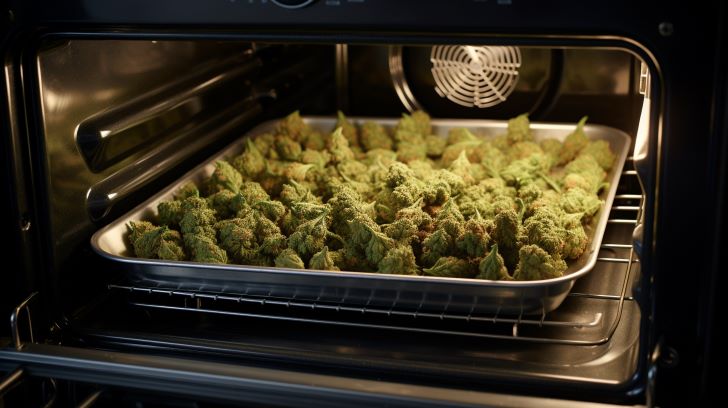
Decarboxylation entails a chemical reaction that eliminates a carboxyl group from a molecule and releases carbon dioxide (CO2). In the context of cannabis, this process primarily affects cannabinoid acids like THCA (tetrahydrocannabinolic acid), transforming it into the psychoactive compound THC (tetrahydrocannabinol). Similarly, CBDA (cannabidiolic acid) converts into CBD (cannabidiol). This transformation is crucial as THCA and CBDA are not very effective in their acidic forms at interacting with the human endocannabinoid system, which is critical for regulating various physiological and cognitive processes.
The Necessity of Heat
Heat acts as the primary catalyst in the decarboxylation process. Although some natural decarboxylation occurs as cannabis dries and cures, applying heat accelerates this transformation, ensuring that nearly all cannabinoid acids are transformed into their active states. The optimal temperature for decarboxylation typically ranges between 220-245 degrees Fahrenheit (105-120 degrees Celsius). This temperature is crucial as it is sufficient to trigger the chemical reaction without vaporizing volatile terpenes or degrading the cannabinoids.
The Role of Time
Decarboxylation also depends on time. The duration for which cannabis is heated influences the completeness of the transformation. Typically, cannabis is heated for about 30-45 minutes to optimally convert THC, and slightly longer for CBD. The precise timing can differ based on the particular cannabis strain and its moisture level. Insufficient heating may result in considerable amounts of THC and CBD remaining in their acidic forms, whereas excessive heating may lead to the degradation of these compounds.
The Chemical Equation
The chemical equation for decarboxylation is straightforward: when heated, the cannabinoid acid (THCA or CBDA) loses a carbon dioxide molecule (CO2). This loss alters the molecular structure, turning a non-psychoactive compound into one with notable psychoactive or therapeutic effects. The removal of the CO2 molecule changes how the compound interacts with cannabinoid receptors in the body, enhancing its psychoactive effects or health benefits.
Considerations for Effective Decarboxylation
To maximize the effectiveness of decarboxylation, maintaining precise control over temperature and time is crucial. Using an oven thermometer to confirm the actual oven temperature is advisable, as oven settings can often be inaccurate. Additionally, stirring the cannabis periodically during heating can help ensure even heat distribution, leading to more consistent and complete decarboxylation.
Understanding the chemical process of decarboxylation is key for anyone aiming to make the most out of cannabis, especially in edible forms where direct inhalation does not occur to naturally decarboxylate the cannabinoids. By mastering the details of this process, users can optimize the potential benefits of their cannabis products, enhancing both efficiency and effectiveness.
Preparing for Decarboxylation in Oven
Decarboxylation is a crucial preparation step for those wanting to fully activate the cannabinoids in cannabis for edibles, tinctures, and other ingestible products. Although the process is straightforward, it demands careful attention to detail to activate the cannabinoids effectively and safely. This guide will cover the necessary tools, ingredients, and specific steps to ensure successful decarboxylation.
Essential Equipment
For decarboxylation, you will need several common kitchen items:
- Oven: A standard kitchen oven is sufficient, provided it can maintain a stable temperature, as fluctuations can alter the effectiveness of the process.
- Oven Thermometer: To counteract any oven temperature discrepancies, use an oven thermometer to verify the accuracy of the oven’s settings.
- Baking Sheet: This will hold the cannabis in a single, even layer.
- Parchment Paper: Using parchment paper to line your baking sheet will prevent sticking and make cleanup easier.
- Grinder: A simple hand grinder will break the cannabis buds into smaller chunks, increasing surface area for more even heating.
Ingredients
- Cannabis: Start with high-quality, well-cured cannabis that is properly dried. The quantity of cannabis will depend on the desired potency of your final product.
Preparation Steps
- Grinding: Grind the cannabis coarsely; a fine powder is too small and can lead to uneven heat distribution.
- Spreading: Distribute the ground cannabis evenly on the parchment-lined baking sheet, ensuring there is space between pieces for uniform heating.
Decarboxylation Process
- Preheating: Heat your oven to the temperature indicated by your thermometer, ideally between 220-245°F (105-120°C).
- Heating: Place the tray in the oven and heat the cannabis for 30-45 minutes for THC, and slightly longer for CBD. Adjust time based on the specific characteristics of your oven and the cannabis strain.
- Cooling: Allow the cannabis to cool on the baking sheet at room temperature to halt the decarboxylation and preserve the cannabinoids.
Safety and Precautions
- Temperature Monitoring: Keep a close watch on the oven temperature throughout the process to avoid overheating, which can degrade the THC and CBD.
- Ventilation: Decarboxylation can emit strong odors. Maintain good kitchen ventilation by opening windows or using an exhaust fan.
- Safety Gear: Wear gloves when handling the decarboxylated cannabis if you have sensitive skin or allergies.
- Storage: Store the decarboxylated cannabis in an airtight container in a cool, dark place to protect the cannabinoids from degradation.
Proper decarboxylation is crucial for unlocking the full potential of THC and CBD in cannabis. By selecting the right equipment and ingredients, and meticulously controlling the process conditions, you can effectively enhance your cannabis, making it a potent element for various uses. Following these guidelines ensures that you maximize the benefits of your cannabis in a safe and efficient manner.
Monitoring and Controlling Oven Temperatures for Decarboxylation in Oven
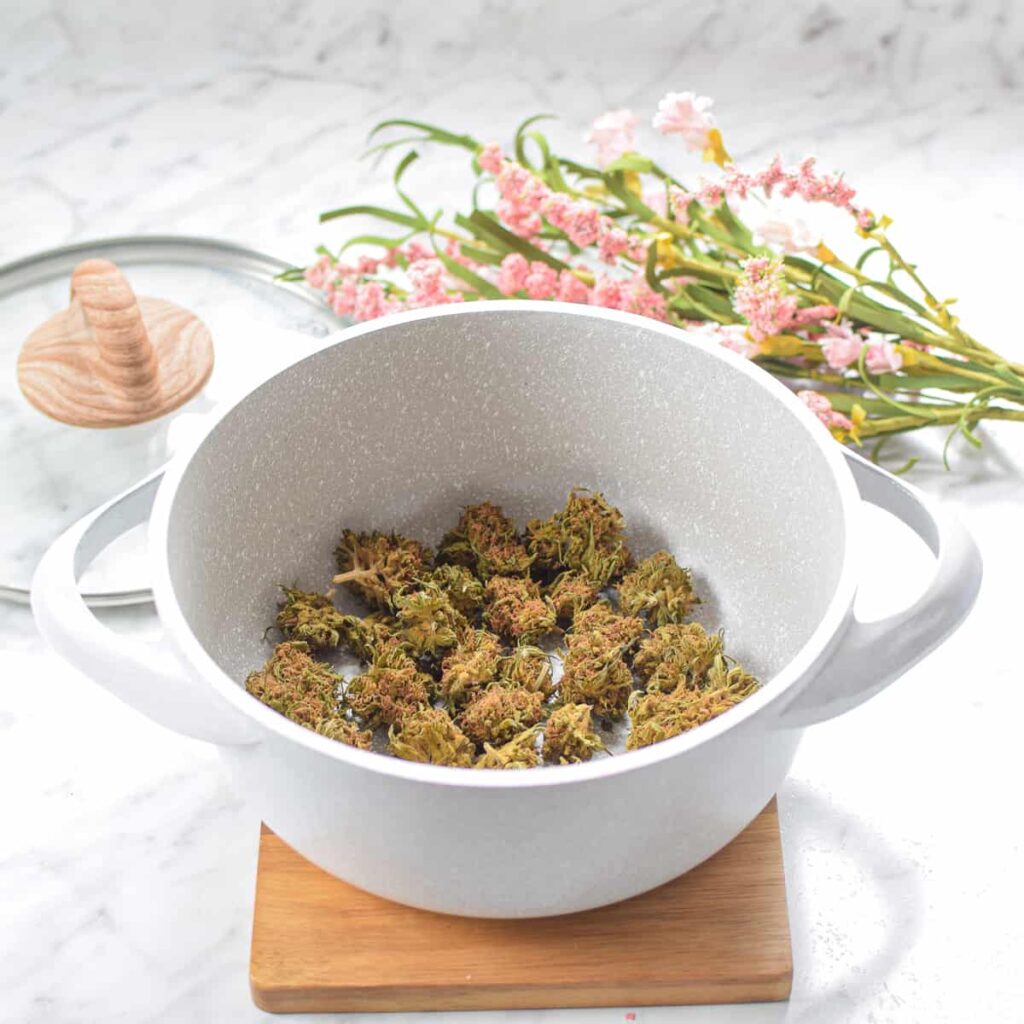
In the culinary and baking fields, controlling the exact temperature is crucial for achieving consistent and desirable outcomes, especially in activities like baking, roasting, and decarboxylating cannabis. This article will explore essential tools for accurate temperature measurement in your oven and address common problems along with strategies to mitigate them.
Tools for Precise Temperature Measurement
- Oven Thermometers: These are critical for verifying accurate oven temperatures. Standalone oven thermometers provide a more reliable read of the actual oven temperature compared to the often inaccurate built-in thermometers. They are available as:
- Dial Oven Thermometers: Durable and capable of withstanding high temperatures, these thermometers offer readings through a simple dial and are typically hung from a rack or placed on the oven floor.
- Digital Probe Thermometers: These offer precise temperature readings and frequently include alarms set to notify you when a specific temperature is reached. Some models are designed to remain in the oven throughout the cooking process for continuous monitoring.
- Infrared Thermometers: Useful for checking the surface temperatures of the oven’s interior, these thermometers can detect hot and cold spots without making contact. However, they do not measure the air temperature, which is crucial for baking and roasting.
Frequent Problems and How to Prevent Them
1. Inaccurate Oven Thermostat:
- Issue: Oven thermostats can become less sensitive or misaligned over time, leading to incorrect temperature settings and unevenly cooked meals.
- Solution: Periodically verify your oven’s temperature accuracy with an oven thermometer. If you notice consistent discrepancies, consider recalibrating your oven or adjusting your baking settings based on the thermometer’s readings.
2. Oven Hot Spots and Uneven Heating:
- Issue: Many ovens exhibit uneven heating due to design or airflow issues, which can result in unevenly baked or roasted food.
- Solution: Identify hot spots using an infrared thermometer and adjust by rotating dishes during cooking or using an oven-safe tile or pizza stone to help evenly distribute heat.
3. Fluctuating Temperatures During Cooking:
- Issue: Some ovens do not maintain a steady temperature, which can impact the cooking process.
- Solution: Use a digital probe thermometer with an alert feature to check and modify the oven temperature as necessary. Minimize door opening to avoid temperature fluctuations.
4. Lengthy Preheating Times:
- Issue: Some ovens take an excessive amount of time to reach the desired temperature, which can delay cooking.
- Solution: Keep your oven clean to ensure it operates efficiently. If slow preheating persists, consider servicing your oven to check for any functional issues.
Effective temperature monitoring and control are fundamental to successful cooking and baking. By using reliable tools like oven and infrared thermometers and being aware of potential oven issues, you can achieve precise temperature control. This not only enhances your cooking outcomes but also boosts kitchen safety and efficiency. Whether you’re a professional chef or a passionate home baker, understanding how to master your oven’s capabilities is essential for achieving the best culinary results.
After Decarboxylation: Storing and Using Your Cannabis After The Decarboxylation in Oven
After Decarboxylation: Storing and Using Your Cannabis
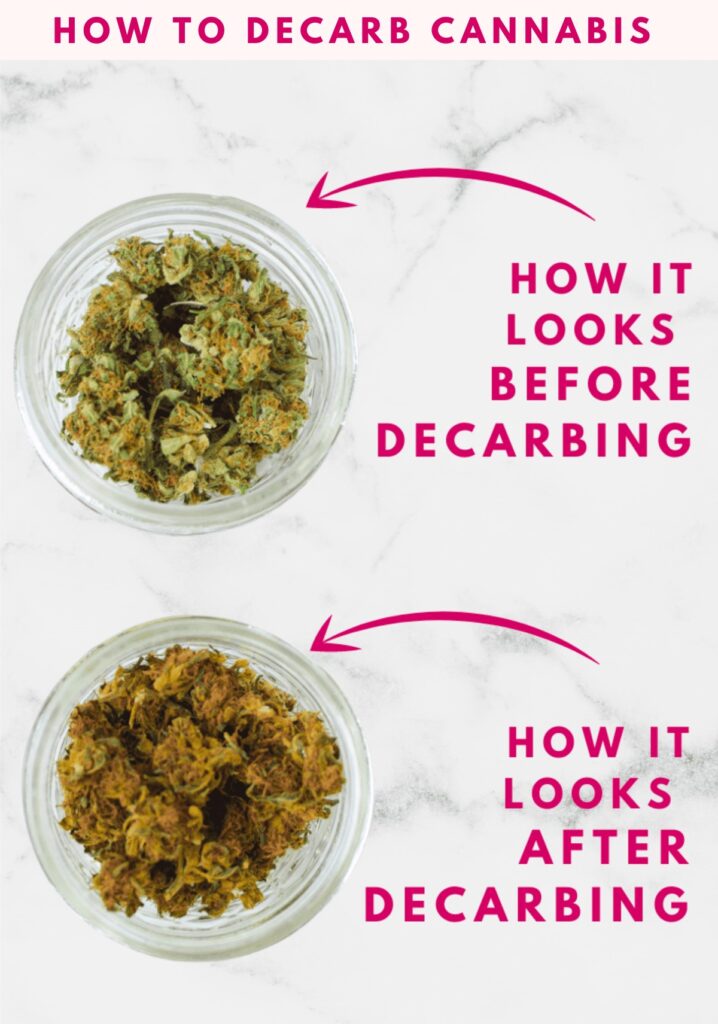
Successfully decarboxylating your cannabis is just the first step. Proper storage is essential to preserve its potency and freshness, and knowing how to incorporate it into recipes can significantly enhance your dishes with its therapeutic benefits. Here’s a guide on how to handle your cannabis after decarboxylation, focusing on effective storage methods and usage tips for culinary purposes.
Proper Storage Techniques
1. Allow Cooling Before Storage: Let the decarboxylated cannabis cool to room temperature before storage to avoid moisture accumulation that could lead to mold.
2. Select Appropriate Containers: Glass airtight containers are best for storing cannabis as they do not impart flavors and prevent air from degrading the cannabinoids and terpenes. Avoid plastic, as it can generate static that may strip trichomes from the buds.
3. Maintain a Controlled Environment: Keep your containers in a cool, dark place to protect against light, heat, and moisture, which can all degrade cannabis. Ideal storage conditions are a stable temperature of 60-70°F (15-21°C) and humidity levels between 59% and 63%.
4. Vacuum Seal for Longevity: For long-term storage, using a vacuum sealer to remove air can greatly extend the shelf life and maintain the quality of your cannabis.
5. Label Everything: Keep track of what’s in each container by labeling them with the strain, weight, date of decarboxylation, and any other relevant notes for future use.
Incorporating Decarbed Cannabis into Recipes
1. Opt for Fat-Based Ingredients: Since THC is fat-soluble, it’s best absorbed when combined with fats. Mix your decarboxylated cannabis into butter, oils, or other fats through a gentle heating process to create an effective infusion.
2. Mind the Dosage: Properly dosing your creations is key to avoid overconsumption. As a starting point, use roughly 1 teaspoon of decarbed cannabis per cup of fat, adjusting based on the strength of your cannabis.
3. Experiment with Recipes: Use your cannabis-infused fats in various recipes, from baked goods and sauces to dressings and more. This infused fat can replace regular fats in nearly any recipe.
4. Watch the Cooking Temperatures: When using cannabis-infused ingredients, maintain cooking temperatures below 350°F (175°C) to prevent THC degradation.
5. Understand Edible Dynamics: Remember that edibles take longer to take effect, typically ranging from 30 minutes to 2 hours, and the impacts can be more intense and longer-lasting than inhaled forms.
By adhering to these guidelines for storage and culinary use, you can maximize the longevity and effectiveness of your decarboxylated cannabis. Whether you’re a seasoned chef or a novice in cannabis cooking, the key is to start low, go slow, and enjoy your creations responsibly.
Frequently Asked Questions About Oven Decarboxylation in Oven
Decarboxylation is a crucial process for activating the psychoactive and therapeutic properties of cannabis. Using an oven to decarboxylate cannabis is popular due to its simplicity and accessibility. However, many users have concerns and misconceptions about this method. Here’s a detailed exploration of the most common questions, providing clear, informed answers to help demystify the process.
What is Decarboxylation?
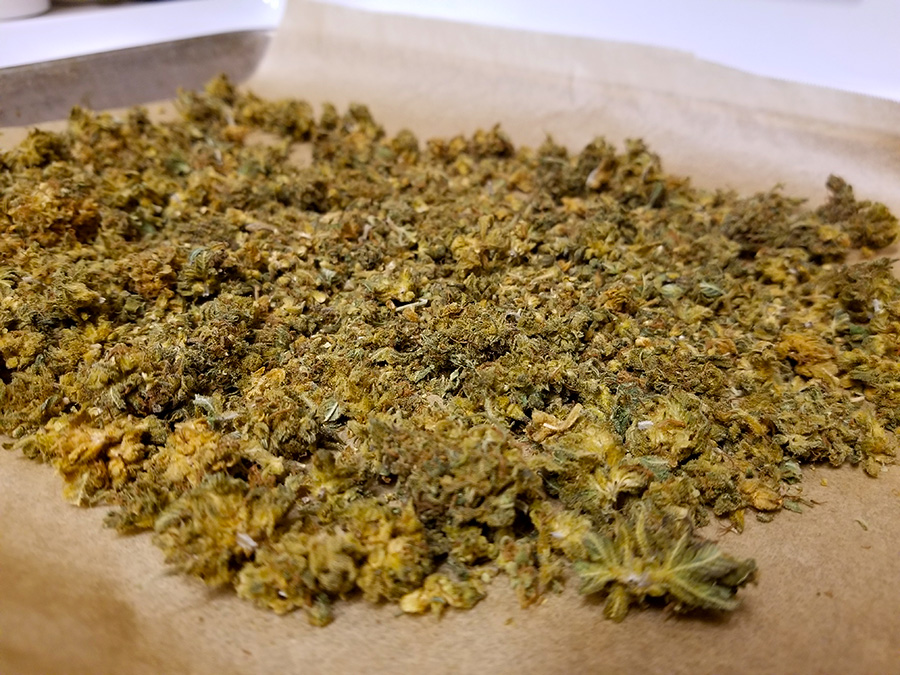
Decarboxylation is the chemical process that eliminates a carboxyl group from THC-A, converting it into the psychoactive THC. This process is necessary for experiencing the full effects of cannabis when it is ingested.
Why Use an Oven for Decarboxylation?
Ovens are a convenient tool for decarboxylation because they are readily available in most homes and can maintain the low, steady temperatures needed for the process. While there are other methods, like sous-vide or specialized cannabis decarboxylation devices, using an oven doesn’t require additional equipment.
What is the Correct Temperature and Duration for Decarboxylation?
One of the biggest concerns is determining the optimal temperature and time. The general recommendation is to decarboxylate cannabis at 240°F (115°C) for about 30 to 40 minutes. This temperature is considered ideal because it is high enough to activate THC without burning the plant material.
Does Oven Decarboxylation Smell?
Yes, decarboxylating cannabis in the oven can produce a strong odor. To minimize the smell, you can wrap your cannabis in foil or use an oven bag to contain the odors during the process. Ensuring good ventilation and using air filters or odor neutralizers can also help manage the smell.
Can I Decarboxylate CBD the Same Way as THC?
Yes, you can decarboxylate CBD in a similar way to THC. However, CBD generally requires a slightly higher temperature and longer time to fully activate. Try decarboxylating at 280°F (138°C) for about 60 to 90 minutes for optimal results.
Is It Possible to Over-Decarboxylate Cannabis?
Over-decarboxylation can occur if cannabis is exposed to too high temperatures or left in the oven too long. This can degrade the THC into CBN, a cannabinoid that has more sedative qualities but less psychoactivity. Always use an oven thermometer to monitor your oven’s actual temperature and adhere strictly to recommended times.
What Happens If I Under-Decarboxylate?
Under-decarboxylation means not all the THC-A has been converted to THC, leading to less potent effects. If you suspect your cannabis is under-decarboxylated, you can place it back in the oven, checking it frequently until you achieve better results.
How Should I Grind My Cannabis Before Decarboxylating?
A coarse grind is often recommended. Over-grinding can result in smaller particles that might burn or decarboxylate unevenly. You should aim to break your cannabis into small, even pieces, but not into a fine powder.
Does Decarboxylation Affect the Strain’s Original Effects?
While decarboxylation is necessary to activate THC, it doesn’t fundamentally change the inherent properties of the strain. The effects can feel different in edibles because of the way THC is metabolized when ingested, but the basic characteristics of the strain, like being indica or sativa, remain.
Is Oven Decarboxylation Safe?
Yes, when performed correctly, decarboxylation in an oven is safe. It’s important to remain vigilant about the oven’s temperature and to handle the hot materials carefully. Additionally, always ensure that your working area is well-ventilated.
By addressing these FAQs, users can better understand oven decarboxylation and feel more confident about using this method. Remember, the key to successful decarboxylation is precision in temperature and time management.
Conclusion
In conclusion, mastering the art of decarboxylating cannabis in an oven is crucial for anyone eager to fully harness the psychoactive and therapeutic benefits of cannabinoids. Properly performed, this technique transforms cannabinoid acids like THCA and CBDA into their active counterparts, THC and CBD, boosting their efficacy for both recreational and medicinal purposes.
Understanding the intricacies of oven decarboxylation is vital. The process involves more than simply heating the cannabis; it requires careful control of both temperature and time to activate the cannabinoids effectively without causing degradation. The guidelines provided here on optimal temperatures and durations are a starting point, but adjustments may be necessary based on your oven’s specific characteristics and the particular qualities of the cannabis used.
Post-decarboxylation, the storage and application of the cannabis are just as critical in preserving its potency and maximizing its utility. Storing the cannabis correctly in airtight containers in cool, dark environments helps maintain cannabinoid stability. Utilizing the decarboxylated cannabis in fat-based dishes not only facilitates cannabinoid absorption but also allows for diverse culinary innovations, ranging from straightforward infusions to complex recipes.
This guide also addresses common queries and misconceptions, clarifying aspects of decarboxylation for both novices and seasoned users, thus demystifying the process and enabling confident and precise execution.
The inclusion of decarboxylated cannabis into daily life, whether for therapeutic reasons or personal enjoyment, demands a comprehensive understanding of cannabinoid chemistry, their interactions with the human body, the impact of storage and usage techniques, and the culinary creativity involved in crafting effective cannabis-infused products.
Thus, this thorough discussion on oven decarboxylation serves not merely as a procedural reference but as an insightful exploration into a process that can greatly enhance cannabis users’ quality of life. By advocating a meticulous approach to preparation, execution, and application, this guide equips readers to customize their cannabis experiences to their particular needs, ensuring safe, efficacious, and satisfying results. Whether you are a longtime cannabis aficionado or a curious beginner, applying the principles laid out in this guide can lead to a more enlightened and enriched cannabis experience.
