Table of Contents
Death Bubba is a potent indica-dominant hybrid cannabis strain known for its remarkable effects and unique chemical profile. Originating in Vancouver, Canada, it was bred by Matteo Suleyman of Sea to Sky Genetics by crossing two classic strains: Death Star and Bubba Kush. With THC levels ranging from 25% to 27%, this strain is a favorite among seasoned cannabis users. Its strong sedative properties, earthy aroma, and vibrant appearance make it a sought-after choice for both medical and recreational purposes.
Characteristics of Death Bubba
Appearance
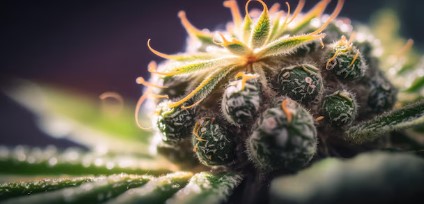
Death Bubba buds are strikingly beautiful, characterized by dense, spade-shaped nuggets with dark forest-green hues. The buds are adorned with rich purple undertones, fiery orange hairs, and a generous coating of frosty white trichomes. These trichomes indicate the strain’s potency, providing a sticky texture that underscores its high resin content.
Aroma and Flavor
The terpene profile of Death Bubba creates an intense sensory experience:
- Aroma: Dominated by earthy and musky notes, the aroma also includes subtle hints of pine and lemon. When broken apart, the buds release a pungent diesel-like scent, inherited from its Death Star lineage.
- Flavor: On inhalation, Death Bubba delivers a rich combination of earthy, woody, and sweet flavors, with a hint of spicy citrus on the exhale.
Cannabinoid Profile
- THC: 25-27%
- CBD: < 1%
- CBG: ~1%
- Terpenes: Myrcene, pinene, and caryophyllene are dominant, contributing to its therapeutic effects and distinct aroma.
Recreational Uses of Death Bubba
Euphoric Effects
Death Bubba’s high begins with an uplifting, almost euphoric head rush. Users often report feeling happy, relaxed, and slightly giggly during the onset. This cerebral stimulation makes it suitable for social gatherings, provided it is consumed in moderation.
Physical Relaxation
As the high progresses, Death Bubba’s indica dominance takes over, inducing a profound sense of physical relaxation. This strain is ideal for unwinding after a stressful day or enjoying a quiet evening at home. The sedative effects make it a favorite for activities like watching movies, meditating, or simply relaxing.
Sleep Induction
One of Death Bubba’s most notable recreational uses is its ability to induce deep sleep. It’s best suited for nighttime use due to its heavy sedative effects, which often result in couch-lock and eventual sleepiness.
Medical Uses of Death Bubba
Death Bubba is widely recognized in the medical cannabis community for its therapeutic potential. Its high THC content and terpene profile provide relief for various conditions:
Pain Management
- Chronic Pain: The strain’s potent analgesic properties help alleviate chronic pain conditions such as arthritis, fibromyalgia, and migraines.
- Muscle Spasms: Its relaxing effects ease muscle tension and spasms, making it beneficial for conditions like multiple sclerosis and spinal injuries.
Anxiety and Stress Relief
The uplifting cerebral effects of Death Bubba make it an effective choice for managing anxiety, depression, and stress. Its ability to induce relaxation helps users achieve a calm mental state.
Insomnia
One of Death Bubba’s standout medical applications is treating insomnia. Its sedative properties promote deep, restful sleep, especially for individuals with sleep disorders or those recovering from jet lag.
Appetite Stimulation
Death Bubba can stimulate appetite, making it a viable option for patients dealing with loss of appetite due to chemotherapy, eating disorders, or other medical conditions.
Inflammation Reduction
The anti-inflammatory properties of the caryophyllene terpene make Death Bubba effective in managing conditions like Crohn’s disease and irritable bowel syndrome (IBS).
Methods of Ingestion, Duration, Onset, and Effects of Death Bubba Cannabis Strain
Methods of Ingestion
Death Bubba, like most cannabis strains, can be consumed using various methods, each offering unique experiences, onset times, and durations:

- Smoking
- Description: Traditional consumption method involving joints, pipes, or bongs.
- Onset: Rapid onset, typically within 1-5 minutes.
- Duration: Effects last for about 2-4 hours, with the peak occurring within the first hour.
- Notes: Offers a full-spectrum experience as heat activates a wide range of cannabinoids and terpenes.
- Vaporization
- Description: Involves heating the flower or concentrate to release cannabinoids and terpenes without combustion.
- Onset: Quick onset within 1-3 minutes.
- Duration: Lasts for about 2-4 hours.
- Benefits: Provides a smoother experience with less lung irritation compared to smoking while preserving more terpenes.
- Edibles
- Description: Cannabis-infused foods or beverages, where THC is metabolized in the liver into 11-hydroxy-THC, a more potent and long-lasting form.
- Onset: Slow onset, ranging from 30 minutes to 2 hours.
- Duration: Effects can last 6-8 hours or longer, with a pronounced peak after 2-3 hours.
- Notes: Ideal for sustained relief but requires careful dosing to avoid overconsumption.
- Tinctures and Sublinguals
- Description: Alcohol- or oil-based cannabis extracts administered under the tongue for quick absorption.
- Onset: Onset occurs within 15-30 minutes.
- Duration: Effects last around 4-6 hours.
- Benefits: Discreet and precise dosing, making it suitable for medical use.
- Concentrates
- Description: Highly potent extracts such as shatter, wax, or oils used in dabbing or vaping.
- Onset: Almost immediate, within 1-3 minutes.
- Duration: Lasts 2-4 hours.
- Notes: Provides an intense experience due to the high THC concentration, suitable for experienced users.
- Topicals
- Description: Cannabis-infused creams, balms, or patches applied to the skin for localized relief.
- Onset: Variable, typically within 15-30 minutes.
- Duration: Effects last 4-6 hours.
- Notes: Non-psychoactive and primarily used for pain or inflammation relief.
Onset and Duration of Effects by Method
- Smoking/Vaping: Onset 1-5 minutes; duration 2-4 hours.
- Edibles: Onset 30 minutes-2 hours; duration 6-8+ hours.
- Sublinguals: Onset 15-30 minutes; duration 4-6 hours.
- Concentrates: Onset 1-3 minutes; duration 2-4 hours.
- Topicals: Onset 15-30 minutes; duration 4-6 hours (localized).
Effects
Death Bubba is a high-THC strain with effects that vary depending on the dose, user tolerance, and consumption method. The experience typically follows a biphasic pattern:
- Early Effects (Euphoria and Energy Boost)
- Cognitive: A rush of cerebral stimulation characterized by euphoria and mental clarity. This stage is uplifting and can enhance mood and focus in low doses.
- Physical: A mild sense of physical relaxation begins to set in.
- Social: Users may feel talkative or more inclined toward introspection, depending on the environment and dose.
- Intermediate Effects (Deep Relaxation)
- Cognitive: A shift from stimulation to mental tranquility, often leading to a meditative or dreamy state.
- Physical: Muscle tension eases, and the body feels increasingly heavy, promoting a profound sense of calm.
- Notes: This stage is ideal for activities like reading, meditation, or watching movies.
- Later Effects (Sedation and Sleep)
- Cognitive: As the high progresses, sedation becomes prominent, often accompanied by a foggy or detached mental state.
- Physical: Couch-lock is common, and users typically feel lethargic or immobilized.
- Sleep: The strain sedative properties make it highly effective for inducing deep, restorative sleep.
Scientific Insights Into Effects
The effects of Death Bubba are attributed to its chemical composition and how it interacts with the body endocannabinoid system:
- THC: Activates CB1 receptors in the brain, leading to euphoric and sedative effects. The high THC levels in Death Bubba amplify these effects, especially in experienced users.
- Terpenes:
- Myrcene: Enhances sedative properties, contributing to couch-lock and sleepiness.
- Caryophyllene: Acts on CB2 receptors to reduce inflammation and stress.
- Pinene: Adds mild alertness during the early stages and helps counteract memory impairment from THC.
- Synergistic Effects: The entourage effect amplifies relaxation, pain relief, and mood elevation by combining THC with terpenes like myrcene and caryophyllene.
Summary of Death Bubba Effects by Stage
| Stage | Cognitive Effects | Physical Effects | Suitable For |
|---|---|---|---|
| Early (1-30 min) | Euphoria, focus, clarity | Mild relaxation | Social activities, creativity |
| Intermediate (30 min-2 hrs) | Calm, introspection | Deep relaxation | Meditation, low-energy tasks |
| Late (2-4+ hrs) | Sedation, mental fog | Heavy couch-lock, sleepiness | Insomnia, chronic pain relief |
Scientific Insights
Terpene Contributions
- Myrcene: Known for its sedative and muscle-relaxing properties, myrcene is the most abundant terpene in Death Bubba. It enhances the strain’s calming effects and contributes to its earthy aroma.
- Pinene: This terpene provides anti-inflammatory and bronchodilatory benefits while contributing a pine-like scent.
- Caryophyllene: As the only terpene known to directly interact with CB2 receptors, caryophyllene delivers anti-inflammatory and analgesic effects, further boosting the strain’s medical applications.
Entourage Effect
The combination of cannabinoids and terpenes in Death Bubba works synergistically to enhance its effects through the entourage effect. This phenomenon amplifies therapeutic benefits and provides a balanced experience.
Pharmacological Effects
- THC Interaction: High THC levels bind with CB1 receptors in the brain, producing euphoric and sedative effects.
- Low CBD Content: Minimal CBD ensures the psychoactive properties of THC remain potent, making the strain unsuitable for those seeking mild effects.
Optimal Growing Conditions
- Environment
- Climate: Death Bubba thrives in a Mediterranean climate with plenty of sunlight and moderate humidity. Indoor environments offer the best control over these variables.
- Temperature:
- Vegetative stage: 70-85°F (21-29°C).
- Flowering stage: 65-80°F (18-26°C) to enhance resin production.
- Humidity Levels:
- Vegetative stage: 40-60%.
- Flowering stage: 30-40% to prevent mold and mildew.
- Light Cycle:
- Vegetative stage: 18-24 hours of light.
- Flowering stage: 12 hours of light and 12 hours of darkness.
- Soil and Medium
- Soil: Use nutrient-rich, well-draining soil with a pH of 6.0-6.5. Organic soil with compost or natural amendments can enhance terpene profiles.
- Hydroponics: Provides faster growth and higher yields by delivering precise nutrient control, but requires advanced knowledge and equipment.
- Nutrient Requirements
- Vegetative Stage: High levels of nitrogen (N) along with moderate phosphorus (P) and potassium (K).
- Flowering Stage: To encourage bud development, lower nitrogen and raise potassium and phosphorus.
- Micronutrients: Essential for optimal growth, including calcium, magnesium, and sulfur. Deficiencies in these can stunt growth or reduce potency.
Stages of Growth
- Seed Germination
- Optimal temperature: 70-85°F (21-29°C).
- Humidity: 70-80%.
- Method: Place seeds in a damp paper towel or germinate directly in the growing medium. Usually, germination takes three to seven days.
- Vegetative Stage (4-8 weeks)
- Encourage robust plant growth with high nitrogen levels and consistent watering.
- Use high-intensity light (e.g., metal halide or LED grow lights) for 18-24 hours daily.
- Train plants using low-stress training (LST) or topping techniques to maximize light exposure and promote lateral growth.
- Flowering Stage (8-9 weeks)
- Transition to a 12/12 light cycle to trigger flowering.
- Monitor plants for signs of stress, pests, or nutrient deficiencies.
- Support buds with trellises or stakes, as they become dense and heavy.
- Maintain lower humidity to prevent mold development.
- Harvesting (Week 8-9 of Flowering)
- Look for milky white trichomes with some amber hues using a magnifying glass or microscope.
- Pistils should turn from white to orange-brown and curl inward.
- Harvesting too early reduces potency; harvesting too late increases sedative effects due to THC degradation into CBN.
Cultivation Techniques
- Training Methods
- Low-Stress Training (LST): Bend and tie down branches to improve light penetration and airflow.
- Topping: Cut the plant main stem to encourage lateral growth and increase yield.
- ScrOG (Screen of Green): Use a screen to spread the plant canopy evenly, maximizing light exposure.
- Pest and Disease Control
- Common Pests: Spider mites, aphids, and fungus gnats. Use neem oil or insecticidal soap as organic control methods.
- Fungal Issues: Botrytis (bud rot) is a concern in high-humidity environments. Prevent by maintaining proper airflow and low humidity.
- Preventive Measures: Integrated Pest Management (IPM) techniques, including regular inspections, companion planting, and maintaining a clean grow space.
- Watering
- Maintain consistent moisture levels without overwatering to prevent root rot.
- pH Levels: Keep the water pH between 6.0 and 6.5 for soil and 5.5-6.0 for hydroponics.
- CO₂ Enrichment
- Boosts photosynthesis and growth when used during the vegetative and early flowering stages. Ideal concentrations range from 1200 to 1500 ppm in a sealed environment.
Post-Harvest Processes
- Drying
- Hang trimmed buds upside down in a dark, well-ventilated room.
- Ideal conditions: 60°F (15°C) with 50-60% humidity.
- Drying time: 7-14 days, until stems snap cleanly when bent.
- Curing
- Place dried buds in airtight glass jars.
- Store in a cool, dark place (60-70°F or 15-21°C) and burp jars daily for the first two weeks to release moisture.
- Curing enhances flavor, aroma, and potency. Aim for a curing period of 2-4 weeks or longer for the best results.
Yield Optimization
- Indoor Yield: 14-16 ounces per square meter.
- Outdoor Yield: 16-18 ounces per plant, depending on environmental conditions.
- To maximize yield:Use high-quality seeds or clones.\n – Employ training techniques like LST or ScrOG.
- Optimize light intensity and distribution.
Challenges in Cultivation
- Mold and Mildew: Death Bubba’s dense buds are prone to mold in high humidity. Regular pruning and airflow are critical.
- Nutrient Burn: Overfeeding can result in nutrient burn, indicated by browning or curling leaf tips. Follow a balanced feeding schedule.
- Stress Sensitivity: Sudden changes in light, temperature, or nutrients can stress plants, reducing yield or potency. Gradual transitions are recommended.
Scientific Insights on Death Bubba Cultivation
Incorporating beneficial microbes (e.g., mycorrhizae) into the soil promotes root health, nutrient uptake, and overall plant vigor.
Terpene Preservation:
Lower temperatures during flowering and drying stages preserve the volatile terpenes (e.g., myrcene, pinene). This enhances the strain flavor, aroma, and medicinal properties.
UV Light Exposure:
Supplementing UV-B light during flowering can increase THC levels, as UV light stimulates the production of protective trichomes.
Safety and Precautions

Dosage Considerations
- Beginners should approach Death Bubba with caution due to its high THC content.
- Start with a low dose to assess tolerance, especially for users prone to anxiety or paranoia.
Side Effects
- Dry eyes and dry mouth (cottonmouth) are common.
- In higher doses, it may cause dizziness, anxiety, or paranoia in sensitive users.
Legal Status
Ensure compliance with local laws and regulations regarding cannabis use.
Conclusion
Death Bubba is a powerful indica-dominant strain with diverse applications for both recreational and medical users. Its high THC levels, potent sedative effects, and therapeutic benefits make it a standout choice in the cannabis community. However, its potency necessitates responsible use, particularly for novice consumers. Whether seeking relief from chronic pain, insomnia, or stress, or simply looking for a relaxing evening, Death Bubba offers a robust experience tailored to meet a wide range of needs.
For a complete directory of cultivars, visit our Cannabis Strain Reviews.
