Table of Contents
The Deadwood cannabis strain, a cross between Chemdawg and Gorilla Glue #4 (GG4), is known for its unique flavor, potent effects, and robust growth characteristics. It has earned a solid reputation among growers and consumers alike for its high THC content, which can range between 18% and 24%, making it popular in both recreational and medical cannabis communities.
Genetic Background
Deadwood combines Chemdawg and Gorilla Glue #4, two legendary strains in the cannabis world. Chemdawg, known for its potent cerebral high and diesel-like aroma, brings a strong sativa component to Deadwood. GG4, a balanced hybrid, adds potency and a thick resin profile that enhances Deadwood’s overall appeal.
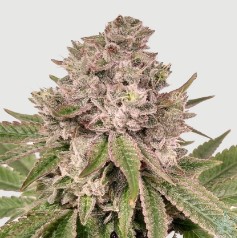
This blend gives Deadwood a rich terpene profile and a high THC level, contributing to intense effects and making it an excellent strain for both recreational and medical users.
Appearance and Aroma
Deadwood buds are typically dense, medium to large in size, and covered in a thick layer of trichomes that give them a frosty appearance. The nugs are olive green with shades of purple and orange pistils, which make the strain visually appealing.
The aroma of Deadwood is distinct, offering notes of earthy pine, diesel, and citrus, which can be traced back to its Chemdawg heritage. When broken down or combusted, it releases a more robust earthy and woody scent with undertones of spice and sweetness, adding to the unique experience of this strain.
Growing Deadwood: Cultivation Details
1. Growing Environment
Deadwood can be grown indoors or outdoors, although it generally performs best indoors where environmental conditions can be closely controlled. It thrives in a Mediterranean climate, meaning it prefers temperatures between 70-85°F (20-30°C).Both inexperienced and seasoned growers can benefit from this strain’s relative ease of cultivation.
2. Indoor Cultivation
- Lighting: Deadwood responds well to high-intensity lights, with LED or HID lights recommended for optimal growth. During the vegetative phase, the ideal light cycle is 18 hours on and 6 hours off; during flowering, this should be changed to 12 hours on and 12 hours off.
- Temperature and Humidity: Keeping a steady temperature between 70-80°F during the vegetative phase and slightly cooler (65-75°F) during flowering enhances the resin production, which improves potency and flavor. Relative humidity should be kept around 40-50% during flowering to prevent mold growth.
- Nutrients: Deadwood is moderately nutrient-hungry and requires a balanced intake of nitrogen during the vegetative phase, with an increased focus on potassium and phosphorus throughout the flowering stage to sustain bud development.

3. Outdoor Cultivation
For outdoor growers, Deadwood is best suited to areas with long, sunny days and low humidity. It can reach a medium height of around 4-5 feet when cultivated outdoors, producing a generous yield if the climate is favorable. When grown outdoors, the strain is usually ready for harvest by late September or early October.
4. Flowering Time and Yield
- Flowering Time: Deadwood has a flowering period of around 8 to 10 weeks when grown indoors. Early October is usually when outdoor plants are ready for harvest.
- Yield: Indoors, it can yield around 400-500 grams per square meter, while outdoor plants can produce around 600 grams or more per plant, contingent on the surroundings.
5. Pest and Disease Resistance
Deadwood is relatively resilient to common pests such as aphids, spider mites, and powdery mildew, which makes it a low-maintenance strain. However, regular inspection and organic pest control methods, such as neem oil or insecticidal soaps, can prevent infestations and ensure a healthy crop.
Effects of Deadwood Cannabis Strain
Deadwood is renowned for its well-rounded effects, making it popular for both recreational and medicinal use. Its high THC content leads to potent effects, often producing a balanced experience that blends both cerebral and physical sensations.
1. Recreational Effects
For recreational users, Deadwood offers a mix of euphoria, relaxation, and creativity, which unfolds gradually in stages:

- Initial Euphoria: The high begins with an uplifting sensation, which users often describe as a heady euphoria. This initial phase boosts mood and can lead to increased sociability and laughter.
- Creative Boost: Deadwood’s cerebral effects promote creativity and focus, making it an ideal strain for artistic or imaginative activities.
- Full-Body Relaxation: As the high progresses, the relaxing physical effects become more pronounced. Users typically experience a sense of calm and muscle relaxation, which can lead to mild couch-lock if consumed in higher doses.
These effects make Deadwood suitable for a variety of recreational activities, from social gatherings to solo creative pursuits.
2. Medical Benefits
Deadwood is frequently sought out by medical users due to its powerful physical and psychological effects, which can alleviate symptoms associated with various conditions.
- Chronic Pain Relief: With its high THC levels, Deadwood can effectively manage chronic pain, making it suitable for those with conditions such as arthritis, fibromyalgia, and migraines. Its strong analgesic properties provide relief without the side effects of traditional painkillers.
- Stress and Anxiety Management: The uplifting effects of Deadwood make it is beneficial for people who are struggling with depression, anxiety, and stress. The strain’s initial cerebral effects can help reduce stress levels, while the calming body high promotes relaxation.
- Insomnia Relief: The deeply relaxing effects can help medical users who struggle with insomnia. Consumed an hour or two before bed, Deadwood promotes sleepiness and helps maintain restful sleep throughout the night.
- Appetite Stimulation: Deadwood is known to stimulate appetite, making it helpful for people who are experiencing appetite loss as a result of eating disorders, chemotherapy, or other chronic conditions.
Terpene Profile
This strain has a rich terpene profile, contributing to its unique aroma, flavor, and therapeutic effects:
- Caryophyllene: This terpene smells peppery and spicy, and it is known for its anti-inflammatory and pain-relieving properties. Caryophyllene interacts with the CB2 receptors in the endocannabinoid system, making it beneficial for users seeking pain relief.
- Myrcene: Myrcene, which has a musky and earthy aroma and is linked to sedative and muscle-relaxing properties, is perfect for those seeking a calming experience.
- Limonene: This terpene provides citrus notes and is known for its mood-enhancing effects. Limonene can also have anti-anxiety and stress-relieving properties, which complement Deadwood’s uplifting effects.
Consumption Methods
Deadwood can be enjoyed in various forms, each providing unique experiences:
- Smoking or Vaping: Smoking or vaping allows users to experience Deadwood’s effects quickly, typically within minutes. The aroma is most pronounced in this form, and users can easily control dosage.
- Edibles: Infusing Deadwood into edibles provides a delayed but longer-lasting effect. This method is particularly beneficial for medical users seeking long-lasting alleviation, as the results may persist for several hours
- Concentrates: Deadwood can be processed into concentrates, such as shatter, wax, or oils, for users seeking a more potent experience. Concentrates are ideal for those who require higher THC doses to manage severe pain or other symptoms.
Potential Side Effects
As with any high-THC strain, it can produce some side consequences, particularly if consumed in large amounts:
- Dry Mouth and Dry Eyes: These are common effects associated with THC-rich strains. Using moisturizing eye drops and staying hydrated can be beneficial to alleviate these symptoms.
- Dizziness or Mild Anxiety: Some users, particularly those with a lower tolerance, may experience dizziness or anxiety. Beginning with a low dosage and progressively raising it can help manage these effects.
- Paranoia: In rare cases, high doses may lead to paranoia or heightened anxiety. Anxiety-prone users might want to approach this strain with caution.
Best Use Cases for Deadwood
This strain’s effects make it versatile for a range of activities and purposes:
- Creative Projects: Artists, writers, and musicians may find Deadwood beneficial for creative brainstorming sessions.
- Social Gatherings: The uplifting and sociable effects make it a great choice for social settings.
- Pain Management and Relaxation: Due to its potent physical effects, Deadwood is ideal for relaxing at home after a long day or for stress and pain management.
Tips for Growing Deadwood Successfully
- Monitor Humidity Levels: Since it is resistant to pests and diseases, maintaining optimal humidity and temperature levels is essential to maximize yield and prevent mold growth.
- Proper Nutrients: Deadwood benefits from a nutrient regimen high in phosphorus and potassium during flowering to enhance bud production and resin content.
- Training Techniques: Using low-stress training (LST) techniques like topping and fimming can help increase light penetration to lower branches, leading to higher yields.
- Regular Pruning: Deadwood’s dense foliage can trap humidity and restrict airflow. Regular pruning ensures good air circulation, which helps prevent mold and mildew.

Final Thoughts
This strain is a robust and versatile strain that appeals to both recreational and medicinal users due to its balanced effects and potent profile. Its manageable cultivation requirements make it suitable for growers of all skill levels, and its high yield potential makes it an attractive option for commercial cultivators as well. Whether used to alleviate pain and anxiety or enjoyed in a social or creative setting, it offers a rich experience characterized by its unique aroma, flavor, and therapeutic benefits.
For a complete directory of cultivars, visit our Cannabis Strain Reviews.
