Table of Contents
Deadhead OG is a potent hybrid cannabis strain known for its strong cerebral effects and balanced relaxation. Originating from the classic Chemdawg 91 and SFV OG Kush, this strain is revered for its high THC levels, pungent aroma, and long-lasting effects. It is widely used both recreationally and medically due to its powerful psychoactive and therapeutic benefits.
Genetic Lineage & Strain Characteristics
Deadhead OG is a cross between:
- Chemdawg 91: Known for its intense cerebral high and pungent diesel aroma.
- San Fernando Valley (SFV) OG Kush: Provides relaxing and euphoric effects with a citrusy-pine aroma.
Strain Type
- Hybrid (Indica-Dominant) – 60% Indica / 40% Sativa
- THC Content: Ranges from 20% to 26%
- CBD Content: Typically less than 1%
- Terpene Profile: Myrcene, Limonene, Caryophyllene, Humulene
Aroma & Flavor Profile
- Aroma: Pungent, earthy, diesel-like with pine and lemon undertones.
- Flavor: Earthy, woody, and citrusy with hints of skunk and spice.
Recreational Uses
Deadhead OG is popular among recreational users for its powerful and long-lasting effects that cater to both body and mind. It provides a euphoric high, enhancing social interactions, creativity, and relaxation.

Effects
- Euphoria – An immediate rush of happiness and mental uplift.
- Creativity Boost – Enhances imaginative thinking, making it ideal for artists and musicians.
- Relaxation – A full-body calm that is deeply soothing without immediate sedation.
- Increased Sociability – Makes users more talkative and engaged in conversations.
- Couch-Lock (At Higher Doses) – Can induce deep physical relaxation leading to a lazy, couch-locked state.
Best Activities
- Social gatherings
- Listening to music or watching movies
- Engaging in creative projects
- Gaming
- Unwinding after a long day
Medical Benefits
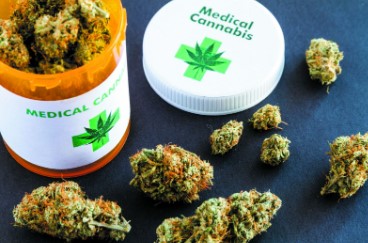
Deadhead OG is widely used in the medical cannabis community due to its potent effects on both physical and psychological conditions.
Psychological Benefits
- Depression Relief – The euphoria and mood uplift help counteract depressive thoughts and low motivation.
- Anxiety & Stress Reduction – The calming effects balance mental turbulence, making it effective for generalized anxiety disorder and PTSD.
- Insomnia Management – At higher doses, Deadhead OG helps users fall asleep faster and improves sleep quality.
- ADHD/ADD – Some users report enhanced focus and mental clarity in small doses.
Physical Benefits
- Chronic Pain Relief – Useful for pain caused by arthritis, fibromyalgia, migraines, and muscle spasms.
- Inflammation Reduction – Helps with conditions like Crohn’s disease and rheumatoid arthritis.
- Appetite Stimulation – Beneficial for those undergoing chemotherapy or suffering from eating disorders.
- Nausea Relief – Effective for reducing nausea, especially in chemotherapy patients.
Scientific Analysis of Deadhead OG
Cannabinoid Profile
Deadhead OG has a high THC concentration, making it a potent psychoactive strain. Below is a breakdown of its typical cannabinoid composition:
- THC: 20% – 26%
- CBD: <1%
- CBG: 1% – 2%
- CBC: ~0.5%
Terpene Profile & Effects
- Myrcene (Herbal, Earthy) – Sedative properties, muscle relaxation.
- Limonene (Citrus, Lemon) – Mood-enhancing, stress relief.
- Caryophyllene (Peppery, Spicy) – Anti-inflammatory, pain relief.
- Humulene (Woody, Earthy) – Appetite suppressant, antibacterial properties.
Mechanism of Action
Deadhead OG primarily acts on the endocannabinoid system (ECS) by interacting with CB1 and CB2 receptors:
- CB1 Receptors (Brain & Nervous System): Produces euphoria, pain relief, and relaxation.
- CB2 Receptors (Immune System & Inflammation): Modulates pain, inflammation, and immune responses.
Pharmacokinetics
- Absorption: Rapid onset via inhalation (5-10 minutes), slower with edibles (30-90 minutes).
- Metabolism: Processed in the liver by cytochrome P450 enzymes.
- Elimination: Half-life of THC is 20-30 hours, detected in urine for up to 30 days (depending on usage frequency).
Potential Side Effects
While Deadhead OG is highly beneficial, it also has some potential side effects:
- Dry Mouth (Cottonmouth) – Common, mitigated by hydration.
- Dry Eyes – Can cause redness and irritation.
- Paranoia & Anxiety – Possible in individuals sensitive to high THC levels.
- Dizziness – Can occur with overconsumption.
- Mild Headaches – Rare but reported in some users.
Best Consumption Methods
Methods of Ingestion & Their Pharmacokinetics
Each consumption method affects the way THC and other cannabinoids enter the bloodstream, influencing the onset, intensity, and duration of effects.
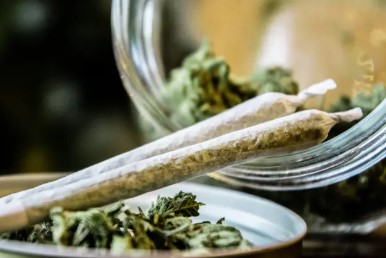
A. Inhalation (Smoking & Vaping)
Mechanism of Absorption:
- Route: Pulmonary absorption via alveolar-capillary interface in the lungs.
- Bioavailability: ~20-56% (Highly efficient due to direct absorption into the bloodstream).
- Peak Plasma Concentration: Reached in 5-15 minutes.
- Metabolism: Liver (CYP450 enzymes convert THC → 11-OH-THC, a more potent metabolite).
- Excretion: Primarily through feces (65%) and urine (20%).
Onset & Duration:
| Factor | Smoking | Vaping |
|---|---|---|
| Onset | 1-5 minutes | 1-5 minutes |
| Peak Effects | 30-60 minutes | 30-60 minutes |
| Total Duration | 2-4 hours | 2-4 hours |
Pros & Cons:
✔ Fast onset, easy to dose
✔ Immediate effects suitable for acute pain & anxiety relief
✖ Harsh on lungs (Combustion releases harmful byproducts in smoking)
✖ Shorter duration than edibles
Scientific Insight: Vaping is more efficient than smoking because it preserves terpenes and cannabinoids, preventing combustion loss.
B. Oral Consumption (Edibles, Capsules, Tinctures)
Mechanism of Absorption:
- Route: Absorbed through the digestive tract, metabolized in the liver.
- Bioavailability: 4-20% (Lower than inhalation due to first-pass metabolism).
- Metabolism:
- THC → 11-OH-THC (More psychoactive and crosses the blood-brain barrier more efficiently).
- Effects are stronger and longer-lasting than inhalation.
- Excretion: Urine and feces.

Onset & Duration:
| Factor | Edibles | Capsules | Tinctures (Sublingual) |
|---|---|---|---|
| Onset | 30-90 minutes | 30-90 minutes | 15-45 minutes |
| Peak Effects | 2-4 hours | 2-4 hours | 1-2 hours |
| Total Duration | 6-12 hours | 6-12 hours | 3-6 hours |
Pros & Cons:
✔ Long-lasting effects, ideal for chronic pain & insomnia
✔ More intense psychoactive effects due to 11-OH-THC
✔ Discreet (No smoke/smell)
✖ Slow onset makes dosing difficult
✖ Higher risk of overconsumption
Scientific Insight: The conversion of THC to 11-OH-THC in the liver explains why edibles feel stronger than smoking despite lower bioavailability.
C. Buccal & Sublingual (Tinctures, Sprays)
Mechanism of Absorption:
- Route: Absorbed through the mucous membranes in the mouth (bypasses digestive system).
- Bioavailability: 15-35% (Higher than edibles but lower than inhalation).
- Metabolism: Partial first-pass metabolism in the liver.
- Excretion: Urine and feces.
Onset & Duration:
| Factor | Sublingual Tinctures |
|---|---|
| Onset | 15-45 minutes |
| Peak Effects | 1-2 hours |
| Total Duration | 3-6 hours |
Pros & Cons:
✔ Faster onset than edibles
✔ Easier dosing
✔ Less impact on lungs than smoking
✖ Shorter duration than edibles
✖ Bitter taste in some tinctures
Scientific Insight: Sublingual administration allows direct absorption into capillaries, providing quicker effects than edibles.
D. Transdermal Patches & Topicals
Mechanism of Absorption:
- Route: Transdermal (through skin, into bloodstream) or localized application (topicals).
- Bioavailability: Transdermal: ~30-40%, Topical: <5% (Minimal systemic absorption).
- Metabolism: Avoids first-pass metabolism.
Onset & Duration:
| Factor | Transdermal Patch | Topicals (Creams, Balms) |
|---|---|---|
| Onset | 30-60 minutes | 15-30 minutes |
| Peak Effects | 1-2 hours | Localized, no peak |
| Total Duration | 8-12 hours | 2-6 hours |
Pros & Cons:
✔ Transdermal patches provide steady release for prolonged relief
✔ Topicals are non-psychoactive (great for localized pain/inflammation)
✖ Limited availability of transdermal options
✖ Topicals do not enter the bloodstream significantly
Scientific Insight: Transdermal THC bypasses liver metabolism, ensuring consistent plasma levels over time.
2. Comparing Ingestion Methods: Onset, Peak, Duration
| Method | Onset Time | Peak Effects | Total Duration |
|---|---|---|---|
| Smoking | 1-5 min | 30-60 min | 2-4 hours |
| Vaping | 1-5 min | 30-60 min | 2-4 hours |
| Edibles | 30-90 min | 2-4 hours | 6-12 hours |
| Capsules | 30-90 min | 2-4 hours | 6-12 hours |
| Sublingual | 15-45 min | 1-2 hours | 3-6 hours |
| Transdermal | 30-60 min | 1-2 hours | 8-12 hours |
| Topicals | 15-30 min | Local only | 2-6 hours |
Conclusion: Best Ingestion Methods for Different Needs
- Fast relief → Smoking, Vaping, Sublingual Tinctures
- Long-lasting effects → Edibles, Capsules, Transdermal Patches
- Localized relief (No high) → Topicals
- Controlled release → Transdermal Patches
- Discreet use → Capsules, Edibles, Sublingual Tinctures
Final Takeaway
- Inhalation (Smoking/Vaping) = Fast onset, short duration
- Oral (Edibles/Capsules) = Slow onset, long duration
- Sublingual (Tinctures) = Moderate onset & duration
- Topicals & Transdermal = Localized effects, minimal psychoactivity
Cultivation & Growing Information
Cultivation Methods for Deadhead OG
Cultivating Deadhead OG requires a strategic approach, balancing environmental control, nutrient management, and pest prevention to maximize yield and potency. Below is a detailed scientific breakdown of optimal cultivation practices.
1. Environmental Conditions
To achieve high-quality Deadhead OG yields, maintaining optimal environmental factors is crucial.
A. Temperature & Humidity Control
- Vegetative Stage:
- Temperature: 70-80°F (21-27°C)
- Humidity: 50-60% (prevents excessive transpiration)
- Flowering Stage:
- Temperature: 65-75°F (18-24°C)
- Humidity: 40-50% (prevents bud rot and mold)
- Late Flowering / Curing:
- Temperature: 60-70°F (16-21°C)
- Humidity: 30-40% (preserves terpene profile)
Scientific Reasoning: Lowering humidity in the flowering stage reduces pathogen growth (mildew, botrytis). Stable temperatures enhance terpene and cannabinoid biosynthesis.
2. Lighting & Photoperiod
- Indoor Growing:
- Vegetative Stage: 18/6 light/dark cycle
- Flowering Stage: 12/12 light/dark cycle (triggers flowering)
- Recommended Lighting:
- LED Grow Lights (Full-spectrum 400-700 nm)
- HPS (High-Pressure Sodium) (best for flowering due to red spectrum)
- Outdoor Growing:
- Best Season: From late spring to early autumn
- Sunlight Needs: 8-12 hours of direct sunlight per day
Scientific Insight: The phytochrome system in cannabis responds to the red and far-red spectrum. Shifting from high blue light (veg stage) to high red light (flowering) enhances bud development.
3. Medium & Soil Composition
- Best Growing Medium:
- Soil (Organic super soil mix rich in beneficial microbes)
- Coco Coir (Enhances aeration, prevents root rot)
- Hydroponics (For advanced high-yield growth)
Soil Composition (Ideal mix for Deadhead OG)
- Loamy texture (Optimal drainage and aeration)
- pH level: 6.0 – 6.5
- Nutrients:
- Nitrogen (N) – Promotes vegetative growth
- Phosphorus (P) – Enhances root and flower development
- Potassium (K) – Improves water uptake and disease resistance
- Calcium & Magnesium – Prevents nutrient deficiencies
Scientific Note: Mycorrhizal fungi in the soil increase phosphorus absorption, improving root health and plant vigor.
4. Nutrient Schedule & Feeding
Deadhead OG is a heavy feeder requiring precise macronutrient and micronutrient balance.
Feeding Schedule
Vegetative Stage (Weeks 1-4)
- Nitrogen (N): High – Encourages robust leaf and stem growth.
- Phosphorus (P): Moderate – Helps root development.
- Potassium (K): Moderate – Enhances overall plant strength.
- Supplement:
- Silica (Enhances cell wall strength, prevents pests)
- Humic & Fulvic Acids (Improves nutrient uptake)
Flowering Stage (Weeks 5-10)
- Nitrogen (N): Low – Excess N can cause excessive foliage instead of buds.
- Phosphorus (P): High – Essential for large, dense buds.
- Potassium (K): High – Aids in sugar transport and trichome production.
- Supplements:
- Amino Acids (Enhances terpene synthesis)
- Molasses (Feeds beneficial microbes, increases sugar production in buds)
Scientific Principle: High phosphorus and potassium ratios in flowering improve trichome density and cannabinoid production.
5. Watering & Irrigation System
- Best Water pH: 5.8 – 6.5 (Ensures proper nutrient absorption)
- Watering Frequency:
- Soil: Every 2-3 days
- Coco Coir: Daily (Retains less moisture)
- Hydroponics: Continuous (With monitored EC & pH)
Hydroponic Advantages
- Faster Growth – Nutrients are directly available.
- Higher Yields – Controlled conditions increase bud size.
- Less Pest Exposure – Soil-borne pests are eliminated.
Scientific Basis: Controlled irrigation ensures proper osmotic pressure in plant cells, preventing stress and maximizing photosynthesis efficiency.
6. Pest & Disease Prevention
Deadhead OG is moderately resistant to pests but can suffer from spider mites, powdery mildew, and root rot.
Organic Pest Control Methods
- Neem Oil Spray – Natural pesticide (prevents spider mites, aphids).
- Diatomaceous Earth – Physical barrier against soft-bodied insects.
- Companion Plants – Marigolds and basil deter common cannabis pests.
- Beneficial Insects – Ladybugs and predatory mites control pest populations.
Scientific Insight: Chitin-based pesticides (e.g., neem oil) activate systemic acquired resistance (SAR), strengthening plant immunity.
7. Harvesting & Curing
- Harvest Window:
- Early Harvest: More energetic high (higher THCV, lower CBN).
- Late Harvest: More relaxing high (higher CBN, degraded THC).
Harvest Indicators
- Trichome Color (Observed under a microscope):
- Clear → Not ready
- Milky white → Peak THC content
- Amber → More sedative effects (CBN formation)
- Pistil Color Change:
- 50-70% brown/orange = Peak potency
- 80%+ brown = More relaxing, sedative effects
Curing Process (Improves Flavor & Potency)
- Step 1: Hang-dry buds for 7-14 days (60°F, 55% RH).
- Step 2: Store in glass jars with burping for 2-4 weeks (prevents mold, enhances terpene profile).
- Step 3: Maintain humidity at 55-62% in storage jars.
Scientific Significance: Slow curing preserves monoterpenes (limonene, myrcene), preventing degradation into off-flavor sesquiterpenes.
Final Summary
Key Takeaways for Cultivating Deadhead OG Successfully
| Factor | Optimal Conditions |
|---|---|
| Temperature | 70-80°F (Veg), 65-75°F (Flower) |
| Humidity | 50-60% (Veg), 40-50% (Flower) |
| Lighting | 18/6 (Veg), 12/12 (Flower) |
| Soil pH | 6.0-6.5 |
| Nutrient Focus | High N (Veg), High P & K (Flower) |
| Pest Control | Neem Oil, Companion Plants, Beneficial Insects |
| Harvest Indicators | Milky-white trichomes, 70% brown pistils |
| Curing | 60°F, 55% RH for 2-4 weeks |
Conclusion
Deadhead OG is a powerful hybrid strain with a unique balance of euphoria, relaxation, and pain relief. It is highly sought after by both recreational and medical cannabis users due to its potent effects and diverse therapeutic applications. While it has some potential side effects, responsible use ensures a pleasant and beneficial experience.
Who Should Use Deadhead OG?
- Recreational Users looking for a potent high with creative stimulation.
- Medical Patients seeking relief from pain, anxiety, depression, or sleep disorders.
- Growers interested in cultivating a moderately challenging yet rewarding strain.
Whether you’re using Deadhead OG to unwind after a long day, enhance creativity, or manage medical conditions, its strong genetics and robust effects make it a standout strain in the cannabis world.
For a complete directory of cultivars, visit our Cannabis Strain Reviews.
