Table of Contents
Dawgfather OG is a potent indica-dominant hybrid strain, descending from two legendary parents: Chemdawg and OG Kush. This genetic pairing creates a strain that embodies the best of both worlds—Chemdawg’s cerebral stimulation and OG Kush’s deep body effects. The resulting hybrid offers a complex array of psychoactive effects and therapeutic benefits, making it a favorite among both medical and recreational cannabis users.
- Genetics: Dawgfather OG is a Indica-dominant hybrid (estimated 70% indica, 30% sativa)
- Parent strains: Chemdawg × OG Kush
- THC Content: 20–26% (varies by phenotype and cultivation)
- CBD Content: Typically low (<1%)
Appearance and Morphological Features
Dawgfather OG exhibits classic indica characteristics in its structure:
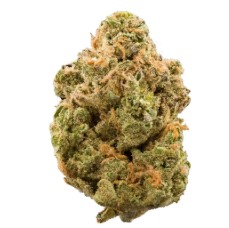
- Buds: Dense, large, and sticky with abundant resin
- Color: Rich forest green with purple undertones in some phenotypes
- Trichomes: Coated in a thick layer of milky-white glandular trichomes
- Pistils: Bright orange to reddish, contrasting with the dark green and violet hues
The high trichome production not only contributes to its potency but also makes Dawgfather OG a good candidate for concentrates and extracts.
Aroma and Flavor Profile
Dawgfather OG offers a robust and pungent sensory experience:
- Aroma: Earthy, diesel-like base with sharp pine and citrus notes, inherited from OG Kush and Chemdawg
- Flavor: A mix of spicy diesel, earthy herbs, and sweet undertones, often followed by a lingering chemical taste
These olfactory features are driven by its rich terpene profile, which includes myrcene, limonene, caryophyllene, and pinene.
Cannabinoid and Terpene Profile

Primary Cannabinoids:
- THC (Δ9-tetrahydrocannabinol): Ranges from 20% to 26%, responsible for the euphoric and psychoactive effects
- CBD (Cannabidiol): Generally under 1%, not a primary focus in this strain but contributes mild anxiolytic effects
- CBG (Cannabigerol): Often present in small amounts (~0.5%), can aid in anti-inflammatory responses
- CBN (Cannabinol): Found in aged samples, contributes to sedative properties
Major Terpenes and Their Effects:
- Myrcene:
- Concentration: High
- Effects: Sedative, muscle relaxant, enhances THC’s psychoactive potential
- Medical potential: Useful for pain, insomnia, and muscle spasms
- Limonene:
- Concentration: Moderate
- Effects: Uplifting, mood-elevating, anti-anxiety
- Medical potential: Antidepressant, antifungal, anti-inflammatory
- Caryophyllene:
- Concentration: Moderate to high
- Effects: Anti-inflammatory, analgesic
- Medical potential: Binds to CB2 receptors; helps with chronic pain and inflammation
- Pinene:
- Concentration: Low to moderate
- Effects: Bronchodilator, memory enhancement
- Medical potential: Asthma relief, neuroprotective
This terpene blend contributes to Dawgfather OG’s duality—calming yet mentally clear effects.
Medical Applications
Chronic Pain and Neuropathic Disorders
Mechanism of Action:
- THC binds to CB1 receptors in the brain and spinal cord, modulating nociceptive signaling by inhibiting glutamate and substance P release.
- β-Caryophyllene selectively activates CB2 receptors in immune cells, reducing inflammation and immune-mediated pain.
- Myrcene enhances THC’s permeability across the blood–brain barrier, potentiating analgesic effects.
Relevant Conditions:
- Fibromyalgia
- Neuropathy (e.g., diabetic or chemotherapy-induced)
- Migraine
- Rheumatoid arthritis
- Sciatica
Scientific Insight:
A 2020 review in Current Neuropharmacology showed that CB1 agonists significantly reduce pain scores in neuropathic pain models. Caryophyllene was found to inhibit inflammatory markers like TNF-α and IL-1β via CB2 activation.
Insomnia and Sleep Disorders
Mechanism of Action:
- High THC + Myrcene content depresses the central nervous system, mimicking GABAergic sedative effects.
- Myrcene acts as a muscle relaxant and sedative, reducing sleep latency and increasing deep-wave (slow-wave) sleep.
- THC reduces REM sleep duration, which can be therapeutic in PTSD-related nightmares.
Relevant Conditions:
- Primary insomnia
- Sleep apnea (adjunct to CPAP)
- PTSD-related nightmares
- Circadian rhythm disorders
Scientific Insight:
A 2017 study in Frontiers in Pharmacology showed that myrcene-rich cannabis strains increased total sleep time in animal models. THC’s modulation of hypothalamic sleep centers via CB1 binding decreases sleep-onset latency.
Anxiety and PTSD
Mechanism of Action:
- Low-to-moderate THC reduces activity in the amygdala, the brain’s fear center.
- Limonene interacts with serotonin 5-HT1A receptors, reducing cortisol levels and anxiety symptoms.
- CBD (when present in trace amounts) buffers the anxiogenic effects of THC.
Relevant Conditions:
- Generalized Anxiety Disorder (GAD)
- Social anxiety
- Panic disorder
- Post-Traumatic Stress Disorder (PTSD)
Scientific Insight:
Limonene in Dawgfather OG has demonstrated anxiolytic effects comparable to benzodiazepines in rodent studies, likely via serotonergic and dopaminergic modulation. Functional MRI studies show THC reduces amygdala reactivity to negative stimuli at lower doses.
Caution: At high doses, Dawgfather OG’s THC may induce anxiety in sensitive individuals due to dopaminergic overstimulation or CB1 overactivation.
Appetite Stimulation (Cachexia, Anorexia)
Mechanism of Action:
- THC stimulates ghrelin secretion and activates pro-opiomelanocortin (POMC) neurons in the hypothalamus, increasing hunger.
- Dopaminergic reward signaling in the nucleus accumbens enhances food anticipation and pleasure.
Relevant Conditions:
- Cancer-related cachexia
- HIV/AIDS wasting syndrome
- Anorexia nervosa
- Post-surgical appetite suppression
Scientific Insight:
A 2011 clinical study showed that THC increased caloric intake by up to 40% in patients with severe weight loss, partly through modulation of endocannabinoid tone in the hypothalamic–pituitary–adrenal (HPA) axis.
Depression and Mood Disorders
Mechanism of Action:
- THC n Dawgfather OG enhances dopamine release in the mesolimbic pathway, improving motivation and hedonic tone.
- Limonene’s in Dawgfather OG interaction with 5-HT1A and dopaminergic pathways promotes mood elevation.
- Caryophyllene in Dawgfather OG reduces neuroinflammation implicated in depression.
Relevant Conditions:
- Mild-to-moderate depression
- Seasonal Affective Disorder (SAD)
- Bipolar depression (adjunct)
Scientific Insight:
Chronic stress decreases endocannabinoid levels in the hippocampus. THC and caryophyllene in Dawgfather OG partially restore this balance, promoting neurogenesis and plasticity in preclinical models (Journal of Neuroscience, 2018).
Inflammatory and Autoimmune Conditions
Mechanism of Action:
- CB2 activation by β-caryophyllene reduces cytokine expression and macrophage activation.
- THC inhibits COX-2 enzyme expression, decreasing prostaglandin synthesis and inflammation.
- Pinene contributes bronchodilatory and anti-inflammatory action.
Relevant Conditions:
- Crohn’s disease
- Ulcerative colitis
- Rheumatoid arthritis
- Lupus
- Psoriasis
Scientific Insight:
Caryophyllene is one of the few dietary cannabinoids with GRAS (Generally Recognized as Safe) status by the FDA. It reduces leukocyte adhesion and interleukin production—mechanisms crucial in autoimmune control.
Muscle Spasms and Spasticity
Mechanism of Action:
- THC modulates motor neuron excitability in the spinal cord, reducing spasticity.
- Myrcene acts on TRPV1 receptors, decreasing muscle hyperactivity.
- Anti-inflammatory pathways reduce pressure on affected nerve roots.
Relevant Conditions:
- Multiple sclerosis (MS)
- Cerebral palsy
- Parkinsonian rigidity
- ALS (Amyotrophic Lateral Sclerosis)
Scientific Insight:
The Sativex clinical trials (a THC:CBD oromucosal spray) demonstrated significant spasticity reduction in MS patients. Dawgfather OG, with high THC, offers similar benefits when inhaled.
Anti-Nausea and Chemotherapy Support
Mechanism of Action:
- THC activates CB1 receptors in the area postrema of the brainstem, reducing emetic signals.
- Limonene enhances GI motility and reduces nausea-related serotonin release.
Relevant Conditions:
- Chemotherapy-induced nausea and vomiting (CINV)
- Post-operative nausea
- Hyperemesis gravidarum (under physician supervision)
- Motion sickness
Scientific Insight:
THC is a known antiemetic agent, approved in the form of dronabinol (Marinol). Dawgfather OG, with rapid onset and potent THC content, provides near-immediate relief when vaporized or smoked.
Neuroprotection and Antioxidant Support
Mechanism of Action:
- THC and caryophyllene reduce oxidative stress via Nrf2 pathway activation.
- Pinene inhibits acetylcholinesterase, preserving acetylcholine in the brain.
- THC supports neurogenesis in the hippocampus.
Relevant Conditions:
- Early-stage Alzheimer’s and Parkinson’s
- Traumatic brain injury (TBI) support
- Neuroinflammation
- Stroke recovery (post-ischemic phase)
Scientific Insight:
Studies from Molecular Psychiatry show cannabinoids reduce beta-amyloid aggregation and neuroinflammation, suggesting long-term neuroprotective effects when dosed appropriately.
Potential for Adjunct Cancer Therapy
While not curative, Dawgfather OG may help with symptom relief and tumor modulation:
Mechanism of Action:
- THC induces apoptosis in certain tumor cell lines via ceramide accumulation
- Inhibits angiogenesis and cancer cell migration in vitro
- Supports immune modulation and quality of life
Conditions (experimental/adjunct):
- Glioblastoma
- Breast cancer
- Pancreatic cancer
- Colon cancer
Scientific Insight:
In Nature Reviews Cancer (2016), cannabinoids showed efficacy in cell cycle arrest and VEGF suppression, particularly in glioma cells. Research is ongoing; human trials are limited but promising.
Summary Table of Medical Applications
| Medical Use | Primary Compounds Involved | Mechanism |
|---|---|---|
| Chronic Pain | THC, Caryophyllene | CB1/CB2 activation, anti-inflammatory |
| Insomnia | Myrcene, THC | Sedative synergy, GABAergic effects |
| Anxiety/PTSD | Limonene, THC (low) | Serotonin + amygdala modulation |
| Appetite Loss | THC | Ghrelin + dopamine activation |
| Depression | Limonene, THC | Dopaminergic reward pathway |
| Inflammation | Caryophyllene, THC | Cytokine inhibition |
| Muscle Spasms | Myrcene, THC | Motor neuron suppression |
| Nausea | THC, Limonene | Area postrema CB1 inhibition |
| Neuroprotection | THC, Pinene | Antioxidant + neurogenesis support |
| Cancer Support | THC | Apoptosis, angiogenesis inhibition |
Recreational Uses and Psychoactive Effects
Dawgfather OG delivers a powerful, layered high, evolving through multiple phases:
Initial Onset (0–10 minutes):
- Euphoric uplift, cerebral buzzing, slight energy boost
- Users report enhanced sensory perception and creative thoughts
Plateau Phase (10–60 minutes):
- Calm mental clarity combined with a heavy, warm body stone
- Mild couch-lock begins to set in depending on tolerance
- Perfect for watching movies, meditating, or listening to music
Late Phase (60–180+ minutes):
- Deep sedation, strong physical relaxation
- Ideal for nighttime use and sleep induction
Mood and Sensory Effects:
- Happiness
- Stress relief
- Body euphoria
- Time dilation
This strain is best enjoyed in the evening or nighttime due to its heavy body effects.
Potential Side Effects
Despite its benefits, Dawgfather OG can cause some adverse effects, especially in high doses:
- Dry mouth and dry eyes: Common due to THC’s effect on salivary glands
- Dizziness or lightheadedness: Especially in novice users
- Paranoia or anxiety: In sensitive individuals or at very high doses
- Sedation: May interfere with daytime productivity
To mitigate these effects, users should start with low doses and stay hydrated.
Scientific Mechanisms of Action
Endocannabinoid System (ECS) Interaction:
- THC acts as a partial agonist at CB1 receptors in the brain, altering neurotransmitter release (GABA, glutamate, dopamine)
- CBD (when present) modulates THC’s psychoactivity by altering CB1 signaling and boosting anandamide levels
- Caryophyllene selectively binds to CB2 receptors, offering non-psychoactive therapeutic effects
Neurochemical Modulation:
- Dopamine release: THC increases dopamine in the mesolimbic pathway, enhancing mood and pleasure
- GABAergic inhibition: Myrcene and THC enhance GABA effects, contributing to muscle relaxation and sedation
- Serotonin signaling: Limonene may modulate serotonin 5-HT1A receptors, aiding in anxiety reduction
Pharmacokinetics:
- Onset: 5–15 minutes (inhalation), 30–90 minutes (edibles)
- Duration: 2–4 hours (inhalation), 4–8 hours (edibles)
- Metabolism: Primarily in the liver via CYP2C9 and CYP3A4 enzymes
Cultivation Information
1. Genetic Traits and Morphological Behavior
Dawgfather OG inherits dominant indica morphology: compact, bushy growth with strong apical dominance. It expresses:
- Short internodal spacing: Promotes dense bud clusters
- Broad leaves: Efficient photosynthesis at lower light intensity
- Thick resin coating: Adaptive defense mechanism against pests and UV radiation
From a genetic expression standpoint, it has robust trichome-producing genes inherited from OG Kush, and stress-resilient growth behavior from Chemdawg, which also contributes to its pungent aroma through enhanced terpene biosynthesis.
2. Optimal Environmental Parameters
| Variable | Vegetative Stage | Flowering Stage |
|---|---|---|
| Temperature (Day) | 22–26°C (71–79°F) | 20–25°C (68–77°F) |
| Temperature (Night) | ~18°C (64°F) | ~17°C (62°F) |
| Humidity (RH) | 55–70% | 40–50% |
| CO₂ Enrichment | Up to 1000 ppm | Up to 1200 ppm |
| pH (Soil) | 6.2–6.5 | 6.0–6.2 |
| pH (Hydroponics) | 5.6–5.9 | 5.6–5.8 |
Key physiological insight: In flowering, reduced temperature and humidity stimulate anthocyanin and terpene production, especially if the cultivar has a purple phenotype.
3. Light Requirements and Photoperiod Response
- Vegetative light cycle: 18/6 (light/dark)
- Flowering light cycle: 12/12
- PPFD (Photosynthetic Photon Flux Density):
- Veg: 400–600 µmol/m²/s
- Flowering: 600–1000 µmol/m²/s
Dawgfather OG benefits greatly from full-spectrum LED lighting that mimics solar radiation, particularly with far-red (FR) and blue light in the spectrum to enhance flower development and trichome density.
Photomorphogenesis Note: Far-red exposure at end-of-day (EOD-FR) can increase stretch slightly, useful for tightly compact plants, but must be monitored.
4. Nutrient Management
Macronutrients (N-P-K) Regimen by Growth Stage:
| Stage | N | P | K | Notes |
|---|---|---|---|---|
| Seedling | Low | Low | Low | Use diluted starter feed (EC 0.4–0.6) |
| Veg | High | Moderate | Moderate | Promote leaf and root mass (EC 1.0–1.4) |
| Pre-Flower | Medium | High | High | Stimulate flowering sites |
| Flower | Low | High | Very High | Boost trichome and terpene production (EC 1.6–2.0) |
Micronutrients: Iron (Fe), Zinc (Zn), Magnesium (Mg), and Calcium (Ca) are essential. Dawgfather OG is calcium and magnesium-hungry during flower—deficiencies can lead to leaf curling or necrosis.
Tip: Use Cal-Mag supplements, especially under LED lighting which accelerates uptake demand.
5. Training and Canopy Management
Low Stress Training (LST):
- Ideal for expanding canopy and increasing lateral bud exposure
- Enhances light penetration to lower branches
Topping / FIMing:
- Reduces apical dominance, encourages even growth
- Should be done early in vegetative stage
ScrOG (Screen of Green):
- Highly effective due to Dawgfather OG’s compact nature
- Allows for even canopy and maximum bud site exposure
Defoliation (Selective Leaf Removal):
- Especially useful in late veg and week 2–3 of flowering
- Removes large fan leaves that block light and reduce airflow
- Must be done strategically to avoid stress-induced hermaphroditism
6. Stress Response and Genetic Stability
While Dawgfather OG is fairly stable genetically, it’s moderately sensitive to high-stress conditions:
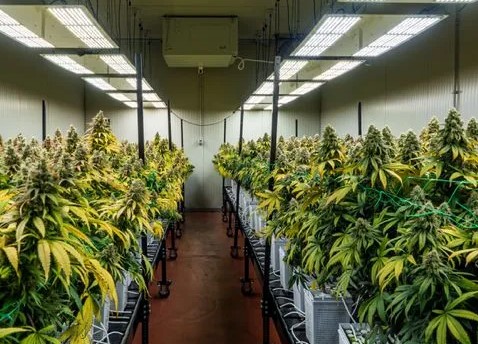
- Light stress: Excessive intensity (PPFD > 1200) can bleach top colas
- Heat stress: Above 29°C (85°F) reduces terpene retention
- Humidity stress: RH > 60% in late flower increases risk of Botrytis (bud rot)
Scientific Insight: Under stress, the plant shifts metabolic energy from cannabinoid biosynthesis to protective secondary metabolites like flavonoids. This often results in lower THC yields unless the environment is tightly controlled.
7. Flowering and Harvest Timing
- Flowering Time: 8–10 weeks (typically 9 weeks for peak potency and flavor)
- Trichome Monitoring: Harvest when 10–15% amber, 85% cloudy for optimal THC/CBD ratio
- Flushing: Begin 10–14 days before harvest to remove residual nutrients
Trichome maturation is critical—Dawgfather OG shows terpene volatility if harvested too early or too late. Use jewelers’ loupe or digital microscope to monitor.
8. Post-Harvest Curing
- Initial Drying: 7–10 days in 50% RH, 18–21°C (64–70°F) with air circulation
- Curing: 2–4 weeks in airtight jars, opened daily for 10–15 minutes (burping)
- Goal: Reduce chlorophyll and stabilize terpene profile
Curing Dawgfather OG properly enhances the diesel-pine-chemdawg aroma and reduces harshness from unconverted starches or sugars.
9. Organic vs. Hydroponic Cultivation
| Method | Pros | Cons |
|---|---|---|
| Organic Soil | Superior terpene development; microbial life support | Slightly slower growth; more variable yields |
| Hydroponics | Faster growth; precise nutrient delivery | Risk of pH/nutrient lockout; less flavor complexity |
| Coco Coir | Balanced hybrid method; high oxygenation | Requires daily feeding and close EC monitoring |
Dawgfather OG tends to express more terpene complexity and resin production in organic or living soil systems, but for yield optimization, hydroponics or coco is preferred.
10. Common Pests and Preventative Biology
- Spider Mites: Common in Dawgfather OG under warm, dry conditions—use neem oil or predatory mites (Phytoseiulus)
- Fungus Gnats: Prevent with good drainage and use of Bacillus thuringiensis (Bt)
- Powdery Mildew: Risk in high humidity—spray with potassium bicarbonate or lactobacillus culture
Using integrated pest management (IPM) with biological controls (e.g., nematodes, companion planting with basil or marigolds) can reduce chemical reliance.
Best Uses and User Profiles
Ideal For Medical Users Who:
- In need of sleep aids or alleviation from persistent pain
- Struggle with appetite loss or stress-related disorders
- Require high THC potency with terpene synergy
Ideal For Recreational Users Who:
- Prefer potent, long-lasting body highs
- Enjoy evening relaxation or pre-bedtime rituals
- Appreciate pungent, classic cannabis flavors with modern intensity
Recommended Pairings:
- Activities: Movies, stargazing, light stretching, deep music listening
- Companion Strains: OG Kush (for familiarity), Granddaddy Purple (if deeper sedation is desired), Chemdawg (for increased mental alertness)
Conclusion
Dawgfather OG is a masterful blend of old-school potency and therapeutic versatility. Its high THC content, deep indica relaxation, and nuanced terpene profile make it a go-to for experienced users and patients alike. Scientifically, its effects are rooted in strong interactions with the endocannabinoid system, combining psychoactive stimulation with body-centered relief. Recreational users value its power and flavor, while medical users turn to its effective symptom relief for conditions ranging from pain to PTSD.
Whether grown for personal use or selected for medicinal needs, Dawgfather OG offers a profound, grounded experience—true to its royal lineage of cannabis genetics.
For a complete directory of cultivars, visit our Cannabis Strain Reviews.
