Table of Contents
Dark Side of the Moon is an indica-dominant hybrid strain celebrated for its potent effects and unique profile. Named after the legendary Pink Floyd album, this strain offers users an immersive experience characterized by deep relaxation and cerebral euphoria. Known for its stunning appearance, rich flavor, and therapeutic benefits, Dark Side of the Moon has garnered attention from recreational and medical cannabis users alike. This guide delves into the strain’s origins, effects, medical applications, and scientific insights.
Origins and Genetics
Dark Side of the Moon is a product of meticulous breeding, combining the genetics of Spirit in the Sky and Green Ribbon. This lineage imparts the strain with its distinct characteristics:
- Spirit in the Sky: A hybrid strain known for its uplifting and euphoric effects, as well as its sweet and fruity flavor profile.
- Green Ribbon: A balanced hybrid offering a combination of relaxation and energy, with earthy and citrus undertones.
Together, these parent strains produce Dark Side of the Moon’s unique profile of effects, flavors, and therapeutic benefits.
Appearance, Aroma, and Flavor
Appearance:
Dark Side of the Moon is visually striking, with dense, resin-coated buds. Its deep green coloration is complemented by hints of purple, which are enhanced when the plant is exposed to cooler growing conditions. Bright orange pistils weave through the buds, creating a beautiful contrast against the dark hues. The trichomes are plentiful, giving the buds a frosty and sticky texture.
Aroma:
The strain boasts a rich and complex aroma that blends earthy, fruity, and floral notes. Upon breaking the buds apart, users are greeted with a pungent scent of sweet berries and fresh pine, underscored by a subtle spiciness.
Flavor:
Dark Side of the Moon offers a smooth smoking or vaping experience. The taste mirrors its aroma, with dominant notes of sweet fruit and earthy pine. Hints of grape and berry linger on the palate, making it a favorite for connoisseurs.
Cannabinoid Profile
Dark Side of the Moon typically features a balanced cannabinoid profile that enhances its therapeutic potential:
- THC Levels: Ranging between 18% and 22%, this strain is potent enough to deliver strong impacts without being too much for the majority of users.
- CBD Levels: Low, typically under 1%, making it more suitable for conditions that respond to THC-dominant strains.
- Terpenes: The terpene profile includes myrcene, pinene, and caryophyllene, which contribute to the strain’s relaxing and therapeutic effects.
Terpene Breakdown:
- Myrcene: Dominant in many indica strains, this terpene is known for its sedative and relaxing properties.
- Pinene: Offers anti-inflammatory and bronchodilatory benefits while providing a refreshing pine aroma.
- Caryophyllene: Known for its anti-inflammatory and analgesic properties, it also imparts a peppery and spicy flavor.
Effects
Dark Side of the Moon is best suited for evening or nighttime use due to its deeply relaxing and sedative properties. Its effects can be broken down into two phases:
Initial Effects:
- A gentle cerebral euphoria that uplifts mood and promotes mental clarity.
- Enhanced sensory perception, making music, art, or movies more enjoyable.
Later Effects:
- A profound sense of physical relaxation spreads through the body, alleviating tension and promoting tranquility.
- Couch-lock may occur with higher doses, making it ideal for unwinding after a long day or before bedtime.
Users often report feelings of happiness, calmness, and introspection, making it a great choice for relaxation and self-reflection.
Medical Applications
Dark Side of the Moon’s therapeutic benefits stem from its potent cannabinoid and terpene profile. It is commonly used to address various physical and mental health conditions:
Physical Conditions:
- Chronic Pain: The combination of THC and caryophyllene in Dark Side of the Moon provides significant relief from chronic pain conditions, including arthritis, fibromyalgia, and migraines.
- Insomnia: Its sedative properties make it effective for promoting restful sleep, especially for those with sleep disorders.
- Muscle Spasms: The strain’s relaxing effects help reduce muscle tension and spasms, offering relief for conditions such as multiple sclerosis or restless leg syndrome.
- Appetite Stimulation: Dark Side of the Moon can increase appetite, making it beneficial for individuals undergoing chemotherapy or dealing with conditions like anorexia.
Mental Health Conditions:
- Anxiety: The calming effects of myrcene and pinene help reduce anxiety and promote a sense of well-being.
- Depression: Its uplifting cerebral effects can help combat depressive symptoms by enhancing mood and energy levels.
- Stress: The strain’s ability to relax both mind and body makes it a great choice for stress relief.
Recreational Uses
For recreational users, Dark Side of the Moon offers a multi-faceted experience:

- Relaxation: Dark Side of the Moon is ideal for unwinding after a stressful day, the strain’s effects are soothing and comforting.
- Social Settings: In lower doses, it can enhance social interactions by reducing inhibitions and promoting a cheerful demeanor.
- Creative Pursuits: The initial cerebral boost in Dark Side of the Moon can inspire creativity and enhance artistic endeavors.
- Entertainment: Enhanced sensory perception makes music, movies, and other forms of entertainment more enjoyable.
Cultivating Dark Side of the Moon
Cultivating Dark Side of the Moon cannabis strain requires an understanding of its genetic and environmental preferences. Below is a detailed exploration of scientific approaches and best practices for growing this strain.
1. Optimal Growing Environment
- Climate: As an indica-dominant hybrid, Dark Side of the Moon thrives in a controlled environment that mimics a Mediterranean climate.
- Temperature: Maintain a range of 68–80°F (20–27°C) during the vegetative stage. Lower temperatures during flowering (60–70°F, or 15–21°C) enhance purple pigmentation.
- Humidity: Keep humidity levels at 40–50% during the vegetative stage, reducing to 30–40% during flowering to prevent mold development.
- Lighting: This strain responds well to full-spectrum LED lighting, which mimics natural sunlight while being energy efficient.
2. Growth Phases
- Germination:
- Use a damp paper towel method or plant seeds directly into a peat pellet for optimal moisture and germination rates.
- Maintain a temperature of 70–75°F (21–24°C) with high humidity (60–70%) for best results.
- Vegetative Stage:
- Light Cycle: Provide 18–24 hours of light per day.
- Nutrients: Use nitrogen-rich fertilizers during this phase. A nutrient formula with a 3:1:2 NPK ratio is recommended.
- Training Techniques: Apply low-stress training (LST) and topping to encourage even canopy growth and better light distribution.
- Flowering Stage:
- Light Cycle: Switch to 12 hours of light and 12 hours of darkness per day.
- Nutrients: Shift to a phosphorus and potassium-rich nutrient mix (1:3:3 NPK) to encourage bud formation and resin production.
- pH Levels: Maintain soil or hydroponic pH at 6.0–6.5 for optimal nutrient uptake.
3. Soil vs. Hydroponics
- Soil Cultivation:
- Use organic, well-draining soil enriched with compost or worm castings for a natural nutrient source.
- Adding perlite or coco coir improves aeration and prevents root rot.
- Soil provides a buffer for pH fluctuations, making it more beginner-friendly.
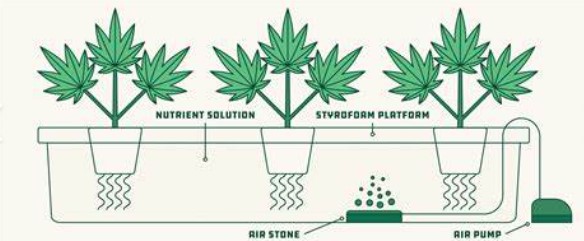
- Hydroponic Cultivation:
- A hydroponic system, such as deep water culture (DWC) or nutrient film technique (NFT), ensures faster growth due to direct nutrient delivery.
- Monitor and maintain water temperature at 65–70°F (18–21°C).
- Use a high-quality nutrient solution designed for cannabis.
4. Terpene Enhancement
- Temperature Control: Lowering temperatures during the late flowering stage enhances terpene production, particularly myrcene and pinene.
- Stress Techniques: Apply techniques like light defoliation or controlled water stress to boost trichome and terpene production.
- UV Light: Introducing UV-B light in controlled doses during flowering can stimulate resin and terpene synthesis.
5. Pest and Disease Management
- Common Pests:
- Aphids, spider mites, and fungus gnats are typical threats.
- Use neem oil or predatory insects (e.g., ladybugs) for organic pest control.
- Diseases:
- Powdery mildew and bud rot are risks in high humidity.
- Ensure proper air circulation using oscillating fans and maintain low humidity levels during flowering.
6. Yield Maximization
- Pruning: Remove lower leaves and small branches that don’t receive sufficient light to redirect energy to the upper buds.
- SCROG (Screen of Green): This technique trains the plant to grow horizontally across a screen, improving light exposure and increasing yield.
- CO2 Supplementation: Introducing CO2 at 1200–1500 ppm during the vegetative and early flowering stages can significantly boost growth and yield.
7. Post-Harvest Considerations
- Harvest Timing: Monitor trichomes using a magnifying glass. Harvest when 70–80% of trichomes turn cloudy with a hint of amber for maximum potency.
- Drying:
- Hang buds upside down in a dark room with 50–60% humidity and temperatures between 60–70°F (15–21°C).
- Proper drying takes 7–10 days.
- Curing:
- Place dried buds in airtight glass jars and open them daily for the first week to release excess moisture (burping).
- Cure for 2–4 weeks to enhance flavor, aroma, and potency.
8. Scientific Monitoring Tools
- pH Meters: Essential for maintaining optimal nutrient absorption in soil or hydroponics.
- EC (Electrical Conductivity) Meters: Measures nutrient concentration in the growing medium.
- PAR Meters: Ensure adequate light intensity and spectrum for healthy growth.
- Microscopes: Use to inspect trichome development and assess pest infestations.
Methods of Ingestion
- Smoking:
- Overview: The most common method for cannabis use, smoking delivers cannabinoids rapidly through the lungs into the bloodstream.
- Onset: 1–5 minutes.
- Duration: 1.5–3 hours.
- Benefits: Provides immediate relief for acute conditions such as pain, stress, and nausea.
- Drawbacks: Potential respiratory irritation from combustion byproducts.
- Vaporization:
- Overview: Vaporizers heat cannabis to release cannabinoids and terpenes without combustion.
- Onset: 1–5 minutes.
- Duration: 2–4 hours.
- Benefits: Preserves terpenes, providing a more flavorful experience. Lessens exposure to dangerous combustion byproducts.
- Drawbacks: Requires a vaporizer, which can be cost-prohibitive for some users.
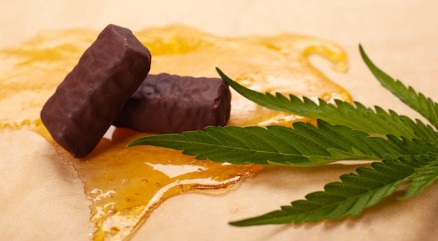
- Edibles:
- Overview: Cannabinoids are infused into food or beverages, then metabolized by the liver.
- Onset: 30–90 minutes (varies based on individual metabolism and whether consumed with other food).
- Duration: 4–8 hours, with peak effects occurring around 2–3 hours.
- Benefits: Long-lasting effects, suitable for chronic conditions like persistent pain or insomnia.
- Drawbacks: Difficult to dose accurately; effects can be overwhelming for inexperienced users.
- Tinctures:
- Overview: Cannabis extracts are dissolved in alcohol or oil and administered sublingually (under the tongue).
- Onset: 15–45 minutes (faster if held under the tongue).
- Duration: 4–6 hours.
- Benefits: Allows for precise dosing and discreet consumption.
- Drawbacks: Requires accurate measurement for proper dosing.
- Topicals:
- Overview: Cannabinoid-infused lotions, balms, or patches applied to the skin.
- Onset: 15–30 minutes.
- Duration: 2–6 hours.
- Benefits: Non-psychoactive when applied locally; effective for localized pain and inflammation.
- Drawbacks: Limited to targeted, surface-level relief.
- Concentrates (e.g., dabs, oils, waxes):
- Overview: Highly potent cannabis extracts consumed via vaporization or dabbing.
- Onset: Instantaneous (within 1–3 minutes).
- Duration: 1–3 hours.
- Benefits: Delivers high potency rapidly, ideal for users with a high tolerance or severe symptoms.
- Drawbacks: May cause overwhelming effects for inexperienced users due to high THC concentration.
Duration and Onset of Effects
The onset and duration of Dark Side of the Moon‘s effects depend heavily on the method of ingestion and the individual’s physiology.
| Method | Onset Time | Peak Effects | Duration |
|---|---|---|---|
| Smoking | 1–5 minutes | 15–30 minutes | 1.5–3 hours |
| Vaporization | 1–5 minutes | 15–45 minutes | 2–4 hours |
| Edibles | 30–90 minutes | 2–3 hours | 4–8 hours |
| Tinctures | 15–45 minutes | 30–90 minutes | 4–6 hours |
| Topicals | 15–30 minutes | N/A (local effects) | 2–6 hours |
| Concentrates | 1–3 minutes | 15–30 minutes | 1–3 hours |
Effects by Phase
Dark Side of the Moon produces effects that evolve over time, influenced by its high THC levels (18–22%) and terpene profile (myrcene, pinene, caryophyllene):
- Initial Effects (Onset):
- Cerebral Uplift: Users often report an immediate mood boost and mild euphoria. This phase is marked by heightened sensory perception, which can enhance music, art, and other creative pursuits.
- Energy Surge: In low doses, users may feel a slight burst of energy and focus.
- Middle Effects (Peak):
- Body Relaxation: The indica-dominant traits become more pronounced as a wave of physical relaxation sets in, relieving tension and discomfort.
- Calm and Introspection: This phase often induces a tranquil state of mind, ideal for unwinding or meditating.
- Late Effects (Aftermath):
- Sedation: Higher doses or prolonged use often result in a deeply sedative state, making it effective for combating insomnia.
- Couch-Lock: Users may experience immobility, particularly if consumed in high quantities.
Scientific Basis of Effects
The effects of Dark Side of the Moon are a result of its interaction with the endocannabinoid system (ECS). Here’s how key components contribute to its impact:
- THC (Tetrahydrocannabinol):
- Binds to CB1 receptors in the brain, inducing psychoactive effects, euphoria, and pain relief.
- Responsible for the strain uplifting cerebral onset and subsequent sedation.
- Terpenes:
- Myrcene: Contributes to the strain sedative and muscle-relaxing effects. It facilitates the entry of cannabinoids into the bloodstream, enhancing the overall potency.
- Pinene: Provides anti-inflammatory and bronchodilatory effects while counteracting THC-induced short-term memory impairment.
- Caryophyllene: Interacts with CB2 receptors, offering anti-inflammatory and analgesic properties.
- Entourage Effect:
- The synergy between THC, terpenes, and minor cannabinoids amplifies therapeutic benefits, enhancing relaxation, pain relief, and mood improvement.
- Metabolism in the Body:
- When ingested orally (e.g., edibles), THC is metabolized into 11-hydroxy-THC, a more potent compound, leading to prolonged and intensified effects compared to smoking or vaporizing.
Factors Influencing Duration and Effects
- Tolerance:
- Higher dosages may be necessary for regular cannabis users to get the same results.
- Metabolism:
- Faster metabolisms process cannabinoids more quickly, reducing the duration of effects.
- Body Fat:
- THC is lipophilic and stored in fat tissues, which can extend its presence in the body and influence long-term detection.
- Dose:
- Higher doses intensify effects but may increase the risk of adverse reactions (e.g., paranoia, dizziness).
- Method of Ingestion:
- Inhalation methods provide rapid but shorter-lasting effects compared to ingestion, which is slower but longer-lasting.
Adverse Effects
While Dark Side of the Moon is generally well-tolerated, some users may experience side effects, particularly at higher doses:
- Common: Dry mouth (cottonmouth), dry eyes, mild dizziness.
- Less Common: Anxiety or paranoia, particularly in THC-sensitive individuals.
- Rare: Headaches or nausea in cases of overconsumption.
Scientific Insights
The effects and therapeutic potential of Dark Side of the Moon can be explained by its interplay of cannabinoids and terpenes:
- Endocannabinoid System (ECS):
- THC interacts with CB1 receptors in the brain to produce psychoactive effects and pain relief.
- Caryophyllene’s interaction with CB2 receptors provides anti-inflammatory benefits.
- Entourage Effect:
- The combination of THC, terpenes, and other cannabinoids enhances the strain’s overall effects, making it more effective for therapeutic use.
- Neuroprotection:
- Studies suggest that THC and pinene may have neuroprotective properties, potentially benefiting conditions like Alzheimer’s disease.
- Analgesic Properties:
- Myrcene and THC work together to reduce pain perception, making this strain effective for chronic pain management.
Potential Side Effects
As with any cannabis strain, Dark Side of the Moon may cause side effects, especially in higher doses:
- Dry Mouth and Eyes: Common and treatable with eye drops and water.
- Dizziness: May occur in new or sensitive users.
- Paranoia: Rare but possible in users prone to anxiety.
- Couch-Lock: More likely with higher doses, limiting physical activity.
Conclusion
Dark Side of the Moon is a versatile strain that offers a harmonious blend of relaxation and euphoria. Its therapeutic benefits make it a valuable tool for managing various physical and mental health conditions, while its recreational appeal ensures a satisfying experience for users seeking relaxation, creativity, or sensory enhancement. With its rich flavor, stunning appearance, and potent effects, Dark Side of the Moon stands out as a top choice for cannabis enthusiasts and medical patients alike.
Whether you’re a seasoned user or a curious newcomer, this strain invites you to explore the “dark side” in a safe, enjoyable, and therapeutic way.
For a complete directory of cultivars, visit our Cannabis Strain Reviews.
