Table of Contents
Dank Schrader is an indica-dominant hybrid that has gained popularity for its potent effects and high THC content. Named as a play on words referencing “dank” (a term often associated with high-quality cannabis) and Hank Schrader from Breaking Bad, Dank Schrader is well-known for its sedative properties, intense relaxation, and potential medical applications.
It is frequently recommended for users seeking relief from chronic pain, stress, insomnia, and anxiety. With its rich terpene profile and high THC concentration, Dank Schrader provides a pungent, earthy, and skunky aroma with sweet and diesel-like undertones.
Genetic Lineage and Background
Dank Schrader is thought to have been bred from a powerful indica-dominant lineage, with genetics linked to Rockstar Kush and possibly Pink Kush or Death Bubba. Dank Schrader’s genetic profile contributes to its heavy indica effects, making it a go-to strain for nighttime use.
- Parent Strains: Rockstar Kush × Death Bubba (suspected lineage)
- Dominance: Indica (85%) / Sativa (15%)
- THC Content: Ranges between 22% and 28%
- CBD Content: Low (<1%)
- CBG Content: Around 1%
The high THC concentration makes this strain ideal for medical and recreational users who require deep relaxation and a full-body high.
Appearance, Aroma, and Flavor Profile
Appearance
Dank Schrader has dense, tightly packed buds that exhibit the classic indica structure. Its dark green nugs are often adorned with purple hues and fiery orange pistils, all covered in a thick layer of white trichomes, signifying its potency.
- Bud Structure: Compact and resinous
- Color: Deep green with hints of purple
- Trichome Coverage: High, giving it a frosty look
- Pistils: Vivid orange hairs interwoven throughout
Aroma and Scent Profile
Dank Schrader is notorious for its pungent, earthy scent with a mixture of diesel, skunk, and pine undertones. Upon breaking the buds, one may notice spicy herbal notes combined with a strong woody musk.
- Primary Aromas: Earthy, skunky, diesel
- Secondary Aromas: Sweet, herbal, piney, musky
Flavor Profile
The taste of Dank Schrader is robust and pungent, much like its aroma. It delivers an initial earthy, spicy, and diesel-like flavor, followed by a smooth sweetness and herbal undertone upon exhaling.
- Inhale: Strong diesel, spice, and earthiness
- Exhale: Sweet and slightly woody finish
- Aftertaste: Lingering skunk with hints of spice
Cannabinoid and Terpene Profile
Dank Schrader contains a high THC percentage, often reaching up to 28%, making it one of the stronger indica strains available. While its CBD content is minimal, it does contain CBG and other minor cannabinoids.
Primary Cannabinoids
| Cannabinoid | Percentage |
|---|---|
| THC | 22% – 28% |
| CBD | <1% |
| CBG | ~1% |
The low CBD but high THC content makes it unsuitable for those seeking mild psychoactive effects but highly beneficial for chronic pain and insomnia relief.
Terpene Profile
Terpenes play a key role in Dank Schrader’s effects, influencing both the flavor and therapeutic properties.
| Terpene | Effects | Aroma/Flavor |
|---|---|---|
| Myrcene | Sedative, relaxing, pain relief | Earthy, musky, herbal |
| Limonene | Mood-enhancing, stress relief, anti-anxiety | Citrus, sweet |
| Caryophyllene | Anti-inflammatory, analgesic, stress relief | Spicy, peppery |
| Humulene | Appetite suppression, anti-inflammatory | Woody, herbal |
| Pinene | Bronchodilator, memory retention, alertness | Pine, fresh |
Entourage Effect
The combination of myrcene, limonene, and caryophyllene enhances Dank Schrader’s sedative and pain-relieving properties. Pinene and humulene contribute to mental clarity and reduced inflammation, making Dank Schrader beneficial for both mental and physical health conditions.
Medical Benefits and Applications
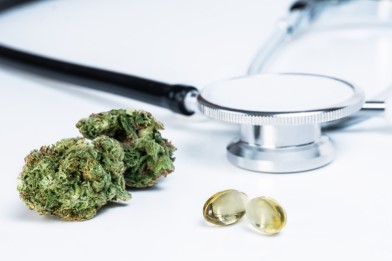
Dank Schrader is widely used for medicinal purposes due to its powerful indica effects. Patients suffering from chronic pain, anxiety, insomnia, and stress-related disorders often find relief with this strain.
Primary Medical Uses
- Chronic Pain Management
- High THC levels work as a natural analgesic.
- Caryophyllene and myrcene contribute to anti-inflammatory effects.
- Recommended for arthritis, migraines, and muscle spasms.
- Insomnia and Sleep Disorders
- Sedative properties make it highly effective for inducing sleep.
- Myrcene and limonene promote deep relaxation.
- Anxiety and Stress Relief
- Limonene helps reduce anxiety and boost mood.
- Best used in low doses to avoid paranoia.
- Depression and Mood Disorders
- Euphoria-inducing effects help uplift mood.
- Ideal for usage at night or in the evening.
- Appetite Stimulation
- Induces munchies, making it effective for loss of appetite due to medical conditions such as chemotherapy or eating disorders.
- Muscle Spasms and Neuropathy
- High THC content alleviates muscle tension and nerve pain.
Potential Side Effects
- Dry mouth and eyes (common)
- Dizziness or mild headaches (if overconsumed)
- Paranoia and anxiety (in THC-sensitive users)
Recreational Uses
Dank Schrader is best enjoyed in the evening or at night due to its sedative and body-heavy effects. Recreational users love it for its potent couch-lock and euphoric high.

Best Recreational Uses
- Relaxation and Stress Relief
- Dank Schrader is ideal for winding down after a long day.
- Movie Nights or Gaming
- Provides an immersive, relaxed experience.
- Social Gatherings (Low Doses)
- Creates a calm, euphoric atmosphere.
- Creative Inspiration
- Some users report enhanced imaginative thinking.
- Enhancing Music and Sensory Experiences
- Heightens sound perception and relaxation.
Not Ideal For:
- Daytime use (due to sedative effects)
- Social events requiring high energy
- Novice users prone to paranoia
Methods of Ingestion, Onset, and Duration
The way Dank Schrader is consumed significantly impacts its onset, peak effects, duration, and bioavailability. Below is a scientific breakdown of different ingestion methods, their efficiency, and pharmacokinetics.
1. Methods of Ingestion
Dank Schrader can be consumed through various methods, including inhalation, oral ingestion, sublingual absorption, and topical application. Each method has different onset times, bioavailability, and duration of effects.
A. Inhalation (Smoking & Vaping)
1. Smoking (Joints, Bongs, Pipes)
Method: Combustion of cannabis flower and inhalation of the smoke.
- Onset: 1-5 minutes (Rapid absorption through alveoli)
- Peak Effects: 30-60 minutes
- Duration: 2-4 hours
- Bioavailability: 10-35% (Varies due to combustion loss)
Scientific Explanation:
- THC enters the bloodstream via alveoli in the lungs and reaches the brain within minutes.
- Peak plasma concentration of THC occurs within 10 minutes.
- Downsides: Smoke contains carcinogens and tar, which can irritate the lungs.
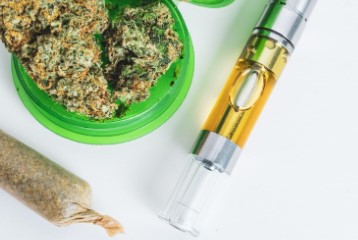
2. Vaporization (Dry Herb or Concentrates)
Method: Heating cannabis at 160-220°C (320-428°F) to release cannabinoids as vapor without combustion.
- Onset: 1-5 minutes
- Peak Effects: 30-60 minutes
- Duration: 2-4 hours
- Bioavailability: 40-56% (Higher than smoking due to less combustion loss)
Scientific Explanation:
- Vaping Dank Schrader preserves more cannabinoids and terpenes (less degradation than smoking).
- Avoids toxic byproducts like benzene and tar from combustion.
Best for: Users wanting lung-friendly inhalation with higher potency effects.
B. Oral Ingestion (Edibles, Capsules, Beverages)
1. Edibles (Gummies, Brownies, Drinks)
Method: Cannabis-infused food or drinks that go through first-pass metabolism in the liver before entering the bloodstream.
- Onset: 30-120 minutes (Delayed due to digestion)
- Peak Effects: 2-3 hours
- Duration: A lot longer than inhalation, 6–12 hours
- Bioavailability: 4-20% (Lower due to digestion loss)
Scientific Explanation:
- Δ9-THC is metabolized in the liver into 11-Hydroxy-THC (11-OH-THC).
- 11-OH-THC is more potent and crosses the blood-brain barrier faster, leading to a stronger, longer-lasting high.
- Slower onset due to gastric digestion and metabolism.
Best for: Users needing long-lasting relief for pain, anxiety, or sleep disorders.
2. Capsules & Tinctures (Swallowed)
- Same onset & duration as edibles (processed via first-pass metabolism).
- More precise dosing than traditional edibles.
C. Sublingual Absorption (Tinctures, Oils, Dissolvable Strips)
Method: Dank Schrader extract is placed under the tongue and absorbed directly into the bloodstream through mucosal membranes.
- Onset: 15-30 minutes
- Peak Effects: 1-2 hours
- Duration: 4-6 hours
- Bioavailability: 20-35% (Higher than edibles, but lower than inhalation)
Scientific Explanation:
- THC bypasses first-pass metabolism, leading to a faster onset than edibles.
- More controlled, predictable effects than smoking or vaping.
Best for: Patients needing fast relief but who want to avoid inhalation.
D. Topical Use (Transdermal Patches, Lotions, and Creams)
Method: Cannabis-infused balms or patches applied to the skin for localized relief.
- Onset: 10-30 minutes (Depends on skin permeability)
- Peak Effects: 1-2 hours
- Duration: 4-12 hours (Longer with transdermal patches)
- Bioavailability: Varies (Higher for transdermal, lower for creams)
Scientific Explanation:
- Cannabinoids bind to CB1 and CB2 receptors in the skin and underlying tissues.
- Transdermal patches allow systemic absorption, unlike topical creams which remain localized.
Best for: Arthritis, localized pain, and inflammation without psychoactive effects.
2. Comparison of Ingestion Methods
| Method | Onset Time | Peak Effects | Duration | Bioavailability | Best For |
|---|---|---|---|---|---|
| Smoking (Joints/Bongs) | 1-5 min | 30-60 min | 2-4 hours | 10-35% | Quick relief, recreational use |
| Vaping (Flower or Concentrates) | 1-5 min | 30-60 min | 2-4 hours | 40-56% | Healthier than smoking, fast onset |
| Edibles (Gummies, Brownies, Drinks) | 30-120 min | 2-3 hours | 6-12 hours | 4-20% | Long-lasting effects, chronic pain, sleep |
| Capsules | 30-120 min | 2-3 hours | 6-12 hours | 4-20% | Precise dosing, medical patients |
| Sublingual (Tinctures, Oils) | 15-30 min | 1-2 hours | 4-6 hours | 20-35% | Fast relief without inhalation |
| Topicals (Creams, Patches) | 10-30 min | 1-2 hours | 4-12 hours | Varies | Localized relief, arthritis |
3. Factors Affecting Onset and Duration
A. Metabolism & Body Fat
- THC is fat-soluble, meaning users with higher fat stores may experience longer effects.
- Individuals with faster metabolism may process THC more quickly.
B. Dosage & Potency
- Higher THC content leads to faster onset and longer duration.
- Low doses in edibles (~5mg THC) may take longer to feel compared to higher doses (~20-50mg).
C. Tolerance & Experience
- Frequent users develop tolerance to THC, requiring higher doses for the same effects.
- First-time users may experience stronger effects even with small doses.
D. Interactions with Food
- Consuming edibles with fatty foods (butter, oils) increases THC absorption.
- Empty stomach consumption may lead to faster onset but increased intensity.
4. Conclusion & Recommendations
Dank Schrader is a high-THC indica strain with strong sedative effects, making method of ingestion a crucial factor in its use.
Best for Immediate Effects: Smoking or vaping
Best for Long-Lasting Effects: Edibles or capsules
Best for Precise Dosing & Medical Use: Tinctures or sublingual strips
Best for Localized Pain Relief: Topical creams or transdermal patches
For beginners, start with low doses (2.5-5mg THC for edibles, 1-2 puffs for inhalation) to gauge tolerance.
Cultivation Information
Cultivating Dank Schrader requires a precise approach to light cycles, temperature, humidity, nutrient balance, and pest control to achieve high THC potency, dense buds, and optimal yield. Below is a scientific breakdown of how to grow Dank Schrader effectively.
1. Optimal Growing Conditions
A. Indoor vs. Outdoor Cultivation
Dank Schrader is best suited for indoor cultivation due to its dense bud structure, which makes it prone to mold and mildew in high humidity. However, it can thrive outdoors in warm, Mediterranean-like climates.
| Factor | Indoor Cultivation | Outdoor Cultivation |
|---|---|---|
| Climate | 20-26°C (68-79°F), humidity control | Dry, warm climates with low humidity |
| Lighting | 600W – 1000W LED/HPS | Natural sunlight, at least 6+ hrs/day |
| Soil Type | Organic, well-draining with high microbial activity | Loamy, nutrient-rich soil |
| Yield | 400-500g/m² | ~500g per plant |
| Flowering Time | 8-9 weeks | Late September to early October |
Scientific Explanation:
- Indoor growth provides controlled conditions (light, humidity, temperature), allowing for higher cannabinoid and terpene production.
- Outdoor growth is viable if the climate is dry with consistent sunlight, but requires more pest control.
2. Propagation and Germination
A. Seed Germination Methods
The paper towel method is a reliable germination technique:
- Place seeds between moist (not soaked) paper towels.
- Keep them in a dark, warm environment (22-25°C or 71-77°F).
- Within 2-5 days, seeds should sprout a taproot.
- Transfer sprouted seeds into pre-moistened soil or Rockwool cubes.
B. Cloning for Genetic Stability
For growers seeking consistent quality, cloning from a healthy mother plant ensures:
- Genetic stability (preserving THC and terpene profiles).
- Faster vegetative growth (skipping germination).
- Higher resistance to environmental stress.
3. Vegetative Stage (4-6 Weeks)
During this phase, Dank Schrader plants focus on leaf and root development.
Optimal Conditions
- Light Cycle: 18/6 (18 hours of light, 6 hours of darkness)
- Humidity: 55-70%
- Temperature: 22-26°C (72-78°F)
- CO₂ Enrichment: 1000-1500 PPM (for faster growth)
- Soil pH: 6.0-6.5 (optimal nutrient absorption)
Nutrient Requirements
- Nitrogen (N): Encourages the growth of leaves and stems.
- Phosphorus (P): Supports root expansion.
- Potassium (K): Strengthens plant immunity and stress tolerance.
- Calcium & Magnesium: Prevents deficiencies that cause leaf discoloration.
Scientific Insight:
- CO₂ enrichment boosts photosynthesis efficiency, leading to faster growth.
- Proper airflow and pruning prevent mold from forming on the bushy indica structure.
4. Flowering Stage (8-9 Weeks)
The flowering phase is where Dank Schrader produces dense, resin-coated buds.
A. Light Cycle Shift
- Change to 12/12 light cycle (12 hours light, 12 hours darkness).
- Use warmer spectrum lighting (HPS or full-spectrum LED) for bud production.
B. Humidity & Temperature
- Early flowering (Weeks 1-4): 50-55% RH (Relative Humidity)
- Late flowering (Weeks 5-9): 40-45% RH (Prevents bud rot)
- Temperature: 20-24°C (68-75°F) to preserve terpenes
C. Nutrient Adjustments
- Reduce nitrogen to prevent excess leafy growth.
- Increase phosphorus (P) and potassium (K) for bud density and resin production.
- Micronutrients: Boost calcium, magnesium, and sulfur for trichome development.
Scientific Insight:
- Trichome production is influenced by light intensity, temperature, and terpene biosynthesis.
- Lowering humidity in the later flowering phase increases resin production.
5. Harvesting and Curing
A. Harvest Timing
- Trichome Color Check (Microscope Method)
- Clear trichomes: Too early
- Milky white trichomes: Peak THC potency (best time to harvest)
- Amber trichomes: Higher CBN, or more sedative effects
- Pistil Method
- When 70-90% of pistils turn amber/brown, it’s ready.
B. Drying Process
- Temperature: 18-22°C (64-72°F)
- Humidity: 50-55%
- Drying Time: 7-14 days
- Air Circulation: Essential to prevent mold
C. Curing Process
- Store dried buds in glass jars.
- Maintain humidity at 58-62% using humidity packs.
- “Burp” jars daily for the first 2 weeks (release excess moisture).
- Total curing time: 4-8 weeks (improves terpene expression and smoothness).
Scientific Insight:
- Curing allows for terpene stabilization and the breakdown of chlorophyll, improving taste and potency.
6. Common Cultivation Issues and Solutions
A. Nutrient Deficiencies
| Deficiency | Symptoms | Solution |
|---|---|---|
| Nitrogen Deficiency | Yellowing lower leaves | Increase nitrogen in veg stage |
| Phosphorus Deficiency | Purple/red stems, slow flowering | Boost phosphorus in bloom stage |
| Potassium Deficiency | Burnt leaf edges, weak stems | Increase potassium |
| Calcium Deficiency | Curling leaves, brown spots | Add calcium supplements |
| Magnesium Deficiency | Yellowing between veins | Epsom salt (MgSO₄) foliar spray |
B. Mold & Pest Prevention
- Mold Prevention: Keep humidity under 50% in late flowering.
- Pest Control: Use neem oil or predatory insects (e.g., ladybugs for spider mites).
7. Advanced Techniques for Higher Yield & Potency
A. Low-Stress Training (LST)
- Bending branches outward improves light penetration and airflow, maximizing bud sites.
B. High-Stress Training (HST)
- Topping (cutting the main cola) forces more lateral growth.
- Supercropping (gentle stem bending) strengthens branches and increases bud production.
C. Flushing Before Harvest
- Stop all nutrients 2 weeks before harvest.
- Flush with pH-balanced water (6.0-6.5) to remove excess salts and fertilizers.
- Improves smoothness and purity of the final product.
8. Final Thoughts on Growing Dank Schrader
Key Takeaways:
Best grown indoors for controlled climate & resin production.
Temperature & humidity control is essential for preventing mold.
High THC and terpene content can be enhanced with proper light intensity.
LST, pruning, and CO₂ supplementation boost yield and potency.
Proper curing (4+ weeks) enhances flavor & smoothness.
Final Thoughts
Dank Schrader is a potent, heavy-hitting indica with therapeutic and recreational benefits. Its high THC, rich terpene profile, and strong sedative effects make it perfect for pain relief, relaxation, and sleep aid. However, due to its potency, novice users should start with a small dose to avoid overwhelming effects.
Summary of Key Points:
Best for: Nighttime use, pain relief, anxiety, insomnia
Effects: Full-body relaxation, couch-lock, mood uplift
Flavors: Earthy, diesel, skunky, sweet
Best suited for: Experienced users and medical patients
Not recommended for: Daytime use or beginners with low THC tolerance
For a complete directory of cultivars, visit our Cannabis Strain Reviews.
