Table of Contents
Dancehall is a hybrid cannabis strain that leans slightly toward the sativa side, boasting a unique profile that combines high CBD content with moderate THC levels. Named after the lively and vibrant Jamaican dancehall culture, this strain is renowned for its uplifting effects and therapeutic benefits. Dancehall is a cross between the high-CBD strain Juanita La Lagrimosa and the sativa-leaning strain Kalijah. Its balanced cannabinoid profile and terpene-rich nature make it a popular choice among both medical and recreational cannabis users.
Genetic Lineage
- Parent Strains: Juanita La Lagrimosa x Kalijah
- Type: Hybrid (Sativa-dominant, approximately 60% sativa, 40% indica)
- CBD:THC Ratio: Typically ranges from 15:1 to 20:1, with CBD levels averaging 15-20% and THC levels rarely exceeding 1%.
Terpene Profile
Dancehall is celebrated for its rich and complex terpene profile, which contributes to its distinctive aroma, flavor, and therapeutic effects. The dominant terpenes include:
- Myrcene: Offers earthy and herbal notes, known for its sedative and anti-inflammatory properties.
- Pinene: Adds a fresh, piney aroma and may enhance focus and respiratory health.
- Limonene: Provides citrusy undertones and is associated with mood elevation and stress relief.
- Caryophyllene: Delivers spicy, peppery notes and interacts with CB2 receptors to offer anti-inflammatory effects.
- Humulene: Contributes woody, earthy flavors and may suppress appetite.
Appearance
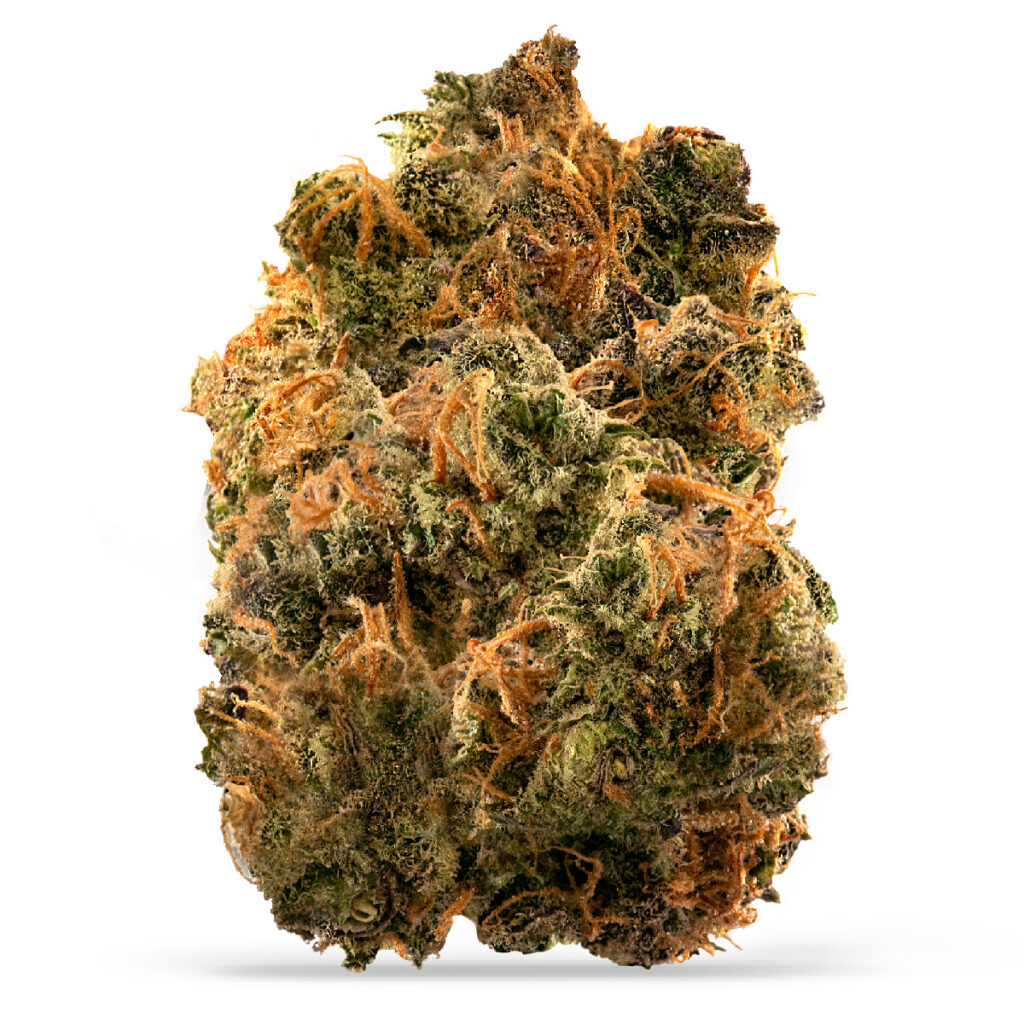
Dancehall features medium-sized, densely packed buds with a sativa-like structure. The nugs are light green, accented by deep purple hues and vibrant orange pistils. A generous coating of trichomes gives the buds a frosty appearance, indicative of its resin-rich content. Its aromatic complexity matches its visual appeal.
Aroma and Flavor Profile
Dancehall’s aromatic bouquet is a harmonious blend of fruity, floral, and earthy notes. The scent often includes hints of mango, citrus, and wildflowers, underpinned by a subtle spiciness. On the palate, users can expect a sweet and tangy flavor with herbal undertones, giving connoisseurs a pleasurable experience.
Recreational Uses
While Dancehall is primarily sought for its medical benefits, its recreational applications should not be overlooked. Due to its low THC content and high CBD levels, Dancehall offers a non-intoxicating experience that can improve artistic endeavors and social interactions. Recreational users often describe the effects as:
- Uplifting and Energizing: Dancehall’s sativa dominance provides a gentle cerebral buzz that promotes focus and mental clarity without overwhelming psychoactive effects.
- Sociability: The strain fosters a sense of connection and ease, making it an excellent choice for social gatherings or group activities.
- Creativity: Artists and creators may find Dancehall helpful in unlocking inspiration and innovative ideas.
- Stress Relief: Its calming properties can take the edge off a busy day, offering relaxation without sedation.
Medical Benefits
Dancehall’s high CBD content makes it a versatile and effective option for managing various medical conditions. Its non-intoxicating nature ensures that patients can benefit from its therapeutic properties without experiencing significant psychoactive effects.
1. Chronic Pain Relief
Dancehall interacts with the body’s endocannabinoid system (ECS) to reduce inflammation and alleviate pain. Conditions like arthritis, fibromyalgia, and neuropathy respond well to the strain’s analgesic properties.
2. Anxiety and Depression
The combination of CBD’s calming effects and limonene’s mood-enhancing properties makes Dancehall an excellent choice for managing symptoms of anxiety and depression. Users often report a sense of emotional balance and mental clarity.
3. Epilepsy and Seizure Disorders
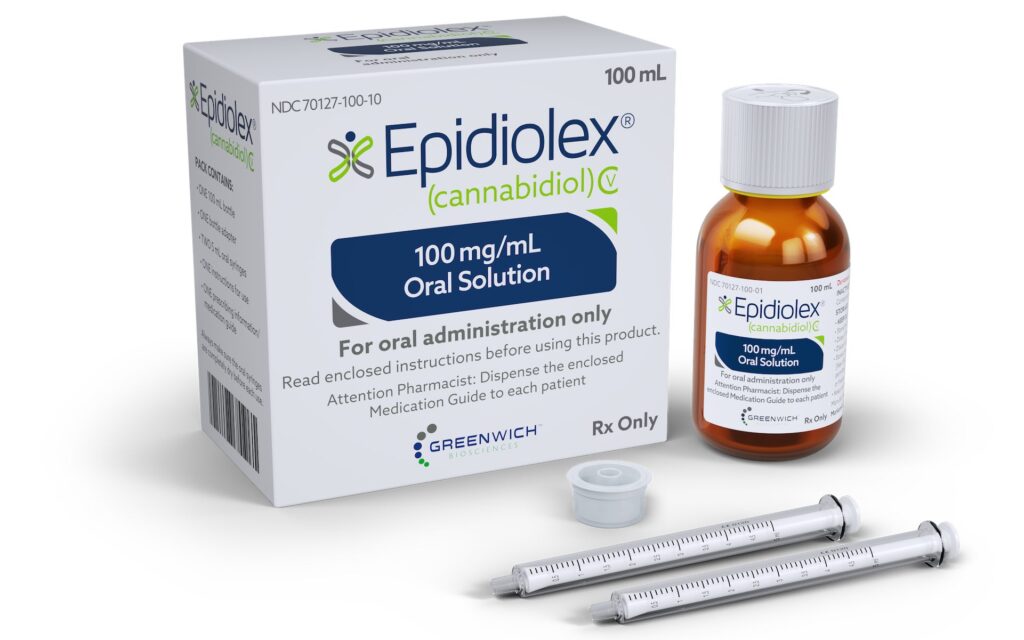
With its high CBD levels, Dancehall may help reduce the frequency and severity of seizures in patients with conditions like epilepsy. It operates similarly to FDA-approved CBD-based medications such as Epidiolex.
4. Inflammation and Autoimmune Disorders
The strain’s anti-inflammatory properties, attributed to CBD and caryophyllene, make it beneficial for conditions like Crohn’s disease, multiple sclerosis, and lupus.
5. Insomnia and Sleep Disorders
Though not inherently sedative, Dancehall’s calming effects can help users unwind, making it easier to fall asleep and stay asleep.
6. Nausea and Appetite Regulation
Dancehall can alleviate nausea and stimulate appetite, making it helpful for patients undergoing chemotherapy or dealing with eating disorders.
7. Neuroprotective Effects
CBD’s potential neuroprotective properties may benefit individuals with neurodegenerative diseases such as Alzheimer’s, Parkinson’s, and Huntington’s disease.
Scientific Insights
- Cannabinoid Synergy: Dancehall’s high CBD-to-THC ratio exemplifies the “entourage effect,” where cannabinoids and terpenes work synergistically to enhance therapeutic benefits. Research suggests that this synergy amplifies the strain’s anti-inflammatory and anxiolytic properties.
- Interaction with the ECS: Dancehall’s cannabinoids interact with CB1 and CB2 receptors in the ECS. While THC’s activity at CB1 receptors causes psychoactive effects, CBD’s influence is more regulatory, modulating immune responses and promoting homeostasis.
- Anti-Inflammatory Mechanisms: Studies indicate that CBD inhibits the production of pro-inflammatory cytokines, reducing inflammation at the molecular level. Caryophyllene’s activity at CB2 receptors further enhances these effects.
- Neuroprotective Potential: Preclinical studies have demonstrated CBD’s ability to reduce oxidative stress and promote neurogenesis, offering hope for treating neurodegenerative disorders.
- Anti-Seizure Activity: CBD’s interaction with GABA receptors in the brain helps stabilize neuronal activity, reducing the likelihood of seizures.
Methods for Dancehall Cultivation
1. Genetic Optimization
Dancehall’s genetic stability can be enhanced through tissue culture propagation or genetic mapping:
- Tissue Culture: Micropropagation techniques allow growers to clone genetically identical plants under sterile conditions. This method ensures uniform cannabinoid profiles and eliminates pathogens.
- Genetic Mapping: Analyzing Dancehall’s genome using CRISPR or other gene-editing technologies can help identify and enhance traits such as CBD production, terpene profiles, and pest resistance.
2. Precision Agriculture
Modern tools in precision agriculture optimize Dancehall’s growth:
- Sensors and IoT Integration: Use environmental sensors to monitor humidity, temperature, and light in real time. Internet of Things (IoT) devices can automate adjustments, maintaining ideal growing conditions.
- Drones and Imaging: Drones equipped with multispectral cameras detect stress signs, nutrient deficiencies, and pest outbreaks, enabling proactive management.
- Automated Irrigation Systems: Drip irrigation systems with sensors can adjust water delivery based on soil moisture, ensuring optimal hydration.
3. Hydroponic and Aeroponic Systems
Hydroponic and aeroponic systems allow growers to cultivate Dancehall with greater efficiency:
- Hydroponics: Nutrient Film Technique (NFT) and Deep-Water Culture (DWC) deliver nutrients directly to the roots, maximizing growth rates and cannabinoid output. Adjust Electrical Conductivity (EC) levels to 1.6–2.2 mS/cm for optimal nutrient uptake.
- Aeroponics: Roots are suspended in air and misted with nutrient solutions, promoting rapid growth and higher yields while using less water than traditional methods.
4. Terpene and Cannabinoid Enhancement
- Light Spectrum Adjustment: Blue light during vegetative growth promotes leaf and root development, while red light during flowering enhances bud growth. Ultraviolet (UV-B) light exposure in the late flowering stage can increase trichome and resin production, boosting CBD and terpene levels.
- Carbon Dioxide (CO₂) Enrichment: Maintain CO₂ levels between 1,200–1,500 ppm during daylight hours to enhance photosynthesis, resulting in increased yields and quicker growth.
- Biostimulants: Use organic additives like seaweed extracts or humic acids to enhance nutrient absorption and terpene synthesis.
5. Soil Microbiology
- Living Soil: Cultivating in living soil enriched with beneficial microbes (e.g., mycorrhizal fungi and nitrogen-fixing bacteria) supports root health and nutrient cycling.
- Compost Teas: Brewed teas from compost, molasses, and microbial inoculants can improve soil microbial diversity, enhancing plant vigor and CBD production.
6. IPDM stands for Integrated Pest and Disease Management.
- Biological Controls: Introduce beneficial organisms like predatory mites for spider mites or parasitic wasps for aphids.
- Microbial Fungicides: Bacillus subtilis or Trichoderma species can protect against root rot and powdery mildew.
- Companion Planting: Grow pest-deterring plants like marigolds or basil alongside Dancehall to reduce pest populations naturally.
7. Advanced Data Analysis
- AI and Machine Learning: Implement artificial intelligence algorithms to analyze environmental and growth data. These systems predict optimal conditions for yield maximization and identify stress factors before visible symptoms appear.
- Cannabinoid Testing: Regularly test for cannabinoid levels using high-performance liquid chromatography (HPLC) or gas chromatography-mass spectrometry (GC-MS) to ensure desired CBD potency.
8. Sustainable Practices
- Water Recycling: Closed-loop systems collect and filter runoff water, reducing resource consumption.
- Renewable Energy: Use solar panels or wind turbines to power cultivation facilities, minimizing the carbon footprint.
- Biodegradable Materials: Replace synthetic grow media and fertilizers with biodegradable alternatives to promote sustainability.
Methods of Ingestion, Onset, Duration, and Effects of Dance World CBD Cannabis Strain
Dance World CBD cannabis offers various methods of ingestion, each with distinct onset times, durations, bioavailability, and physiological effects. Understanding these can help users select the most suitable method for their needs and preferences. Below is a detailed and comprehensive overview of these methods:
Smoking
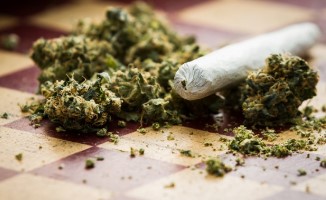
Smoking involves combusting the dried flowers of Dance World and inhaling the resulting smoke. This method delivers cannabinoids rapidly into the bloodstream through the alveoli in the lungs. The onset of effects is nearly instantaneous, typically occurring within 1-3 minutes. The effects last for approximately 2-3 hours. Bioavailability for smoking ranges from 30% to 50%, making it a fast and efficient method for acute symptom relief, such as sudden pain or anxiety. However, smoking produces combustion byproducts, which can irritate the respiratory system and are less desirable for long-term use.
Vaping
Vaping heats Dance World flower or concentrates to a temperature that releases cannabinoids and terpenes as vapor, avoiding combustion. Like smoking, the onset of effects occurs within 1-3 minutes, but the duration of effects tends to be slightly longer, lasting about 2-4 hours. The bioavailability of vaping is similar to smoking (30-50%), but vaping is considered healthier due to the absence of harmful combustion byproducts. Additionally, vaping preserves the terpene profile, providing a flavorful and aromatic experience. Specialized equipment, such as a vaporizer, is required, which can be a barrier for some users.
Sublingual Administration
Sublingual consumption involves placing oils, tinctures, or extracts under the tongue, where they are absorbed through the sublingual glands and straight into the bloodstream. This method bypasses the digestive system, leading to a faster onset time of 15-30 minutes. Effects last for 4-6 hours, with bioavailability ranging from 20% to 35%. Sublingual administration is ideal for users seeking precise and consistent dosing without the delay associated with oral ingestion. However, the taste of some tinctures may be off-putting for some users.
Edibles
Edibles include cannabis-infused foods, beverages, or gummies. After ingestion, cannabinoids are metabolized in the liver, which delays the onset of effects to 30-90 minutes. The duration of effects is significantly longer, typically lasting 6-8 hours. The bioavailability of edibles is lower, around 6-15%, due to first-pass metabolism. However, the conversion of THC to 11-hydroxy-THC in the liver enhances potency and prolongs the effects. Edibles are discreet and convenient, making them suitable for sustained symptom relief. Their delayed onset, however, requires careful dosing to avoid overconsumption.
Topical Application
Topical cannabis products, including creams, balms, and transdermal patches, are applied directly to the skin. They interact with localized cannabinoid receptors without entering the bloodstream. Onset occurs within 15-30 minutes, and effects last for 2-6 hours. Bioavailability is minimal and localized, making topicals effective for targeted relief of pain, inflammation, or skin disorders like psoriasis and eczema. Topicals are non-psychoactive, as cannabinoids do not reach the brain. They are particularly useful for users who need localized treatment without systemic effects.
Capsules and Softgels
Capsules and softgels provide pre-measured doses of Dance World CBD oil or powder for oral ingestion. Similar to edibles, the onset of effects is delayed to 30-90 minutes due to digestion and liver metabolism. Effects last 6-8 hours, offering prolonged relief. Bioavailability ranges from 6-15%. Capsules are discreet and allow for consistent dosing, making them ideal for medical users requiring precise administration. However, like edibles, the delayed onset limits their use for acute symptoms.
Dabbing
Dabbing involves the flash vaporization of concentrated cannabis extracts on a heated surface (dab rig or e-nail). This method delivers cannabinoids almost instantaneously, with an onset time of 1-3 minutes and a duration of effects lasting 2-4 hours. Bioavailability is high, between 50% and 80%, depending on the quality of the concentrate and the technique used. Dabbing provides potent and immediate effects, making it suitable for experienced users seeking rapid relief. It requires specialized equipment and expertise, which may not be ideal for beginners.
Onset, Duration, and Effects
The onset and duration of Dance World effects are influenced by the chosen method of ingestion, individual metabolism, tolerance levels, and dosage.
Onset
- Smoking and vaping: Immediate onset within 1-3 minutes.
- Sublingual: Moderate onset within 15-30 minutes.
- Edibles and capsules: Delayed onset of 30-90 minutes due to digestion and liver metabolism.
- Topical: Localized effects within 15-30 minutes.
- Dabbing: Almost immediate onset within 1-3 minutes.
Duration
- Smoking and vaping: Short duration of 2-3 hours.
- Sublingual: Moderate duration of 4-6 hours.
- Edibles and capsules: Long duration of 6-8 hours.
- Topical: Localized relief lasting 2-6 hours.
- Dabbing: Moderate duration of 2-4 hours.
Effects
Dance World high CBD-to-THC ratio provides mild psychoactivity and pronounced therapeutic benefits. Users commonly report:
- Physical effects: Relaxation, reduced pain and inflammation, muscle relaxation.
- Psychological effects: Calmness, reduced anxiety, enhanced focus and clarity.
- Emotional effects: Mood elevation, stress relief, and improved sociability.
Factors Influencing Effects
Several factors influence the bioavailability, onset, and duration of Dance Worldeffects:
- Metabolism: Faster metabolisms result in quicker onset and shorter durations.
- Tolerance: Regular CBD users may require higher doses to achieve desired effects.
- Consumption Method: Inhalation methods provide quick relief but shorter durations, while oral methods offer prolonged effects.
- Terpene Synergy: Dance World terpene profile, including myrcene, caryophyllene, and limonene, modulates the effects through the entourage effect.
- Dosage: Higher doses produce more pronounced effects but increase the likelihood of mild side effects like dry mouth or drowsiness.
Scientific Mechanisms Underlying Effects
Bioavailability
Bioavailability refers to the percentage of cannabinoids absorbed into the bloodstream. Methods that bypass the digestive system, such as inhalation and sublingual administration, offer higher bioavailability than oral ingestion.
Endocannabinoid System (ECS)
Dance World cannabinoids interact with the ECS, which regulates physiological processes such as pain, mood, inflammation, and immune response. The main non-cannabinoid receptors that CBD interacts with are:
- 5-HT1A serotonin receptors: Modulates mood, anxiety, and nausea.
- TRPV1 receptors: Reduces pain and inflammation.
- GABA receptors: Promotes relaxation and reduces hyperactivity in the nervous system.
Side Effects
Despite its many benefits, Dancehall may cause minor side effects, particularly in higher doses:
- Dry Mouth and Eyes: Common among cannabis strains, these effects can be mitigated by staying hydrated.
- Dizziness: Rare but may occur in sensitive users.
- Mild Anxiety: Uncommon due to low THC levels but possible in individuals highly prone to anxiety.
Comparisons with Other CBD Strains
- ACDC: Both strains are high in CBD, but ACDC typically has a more pronounced earthy flavor, while Dancehall offers a fruitier, spicier profile.
- Charlotte’s Web: Known for its use in epilepsy treatment, Charlotte’s Web has similar medical applications but lacks Dancehall’s sociability and uplifting effects.
- Harlequin: Dancehall leans more sativa, making it better for daytime use compared to the more balanced hybrid Harlequin.
Conclusion
Dancehall CBD cannabis strain is a remarkable example of how cannabis can cater to diverse needs. Its unique combination of high CBD levels, flavorful terpenes, and minimal THC makes it a standout choice for medical patients and recreational users alike. Whether used for its therapeutic potential or its ability to elevate social interactions and creativity, Dancehall remains a favorite in the cannabis community. With growing research into its mechanisms of action and potential applications, this strain continues to capture the interest of both enthusiasts and scientists.
For a complete directory of cultivars, visit our Cannabis Strain Reviews.
