Table of Contents
Dakini Kush is an indica-dominant hybrid strain known for its potent effects, deep relaxation, and rich terpene profile. A cross between Hindu Kush and Pre-98 Bubba Kush, this strain inherits powerful sedative properties, making it a favorite among medical and recreational users alike. Its resinous buds, unique terpene composition, and robust cannabinoid content contribute to its effectiveness for a variety of uses. This document provides an in-depth analysis of Dakini Kush, including its genetics, medical applications, recreational benefits, and scientific insights.
Genetics and Origins
Dakini Kush is a hybrid strain with a genetic lineage that includes two legendary indica-dominant strains:
- Hindu Kush – A pure indica landrace strain known for its heavy resin production, earthy flavors, and potent relaxing effects. It originates from the mountain range between Pakistan and Afghanistan, providing Dakini Kush with its deeply calming properties.
- Pre-98 Bubba Kush – A classic indica strain that has been cherished since the late ’90s for its stress-relieving effects, coffee-like aroma, and ability to induce a deep body high.
The combination of these two powerhouse strains results in a cultivar that boasts an exceptional ability to induce relaxation, ease stress, and provide profound medicinal benefits.
Appearance, Aroma, and Flavor Profile
Appearance:
Dakini Kush showcases dense, chunky buds covered in a thick layer of trichomes. The nugs are typically dark green with deep purple hues, accented by burnt orange pistils. Its resin production is high, making it a prime candidate for extracts and concentrates.
Aroma:
The scent profile of Dakini Kush is a blend of earthy, piney, and sweet floral notes with hints of spice and musk. The presence of myrcene and caryophyllene contributes to its strong, almost incense-like aroma.
Flavor:
Upon inhalation, Dakini Kush delivers a rich, complex flavor profile. Users often describe tasting a mix of sweet berries, earthy pine, and a subtle hint of citrus. The exhale leaves a creamy, hash-like aftertaste with a touch of spice.
Cannabinoid and Terpene Profile
Dakini Kush is known for its balanced chemical composition, which enhances its therapeutic and recreational effects.
Cannabinoid Content:
- THC: 20-26%
- CBD: 0.1-1%
- CBG: ~1%
- CBC, CBN: Trace amounts
Primary Terpenes:
- Myrcene – Known for its sedative properties, myrcene enhances the strain’s relaxing effects.
- Caryophyllene – A spicy, peppery terpene that interacts with CB2 receptors, offering anti-inflammatory benefits.
- Limonene – Adds a citrusy touch and contributes to mood elevation and stress relief.
- Humulene – Exhibits appetite-suppressant and anti-inflammatory properties.
Medical Applications
Dakini Kush is highly valued for its wide range of medical benefits, primarily attributed to its potent indica effects. Below are the specific conditions it can help manage:

Pain Relief
- The high THC content and strong indica properties make Dakini Kush effective for chronic pain, muscle spasms, arthritis, and neuropathic pain.
- Caryophyllene’s anti-inflammatory effects further enhance its pain-relieving abilities.
Stress, Anxiety, and Depression
- The presence of limonene contributes to its uplifting effects, counteracting stress and anxiety.
- High levels of myrcene and THC create deep relaxation, making it beneficial for those suffering from chronic stress.
- Although useful for mood disorders, it should be used cautiously by those prone to paranoia due to its potent effects.
Insomnia and Sleep Disorders
- Due to its strong sedative effects, Dakini Kush is widely used by individuals struggling with insomnia.
- The combination of THC and myrcene enhances sleep quality and duration, making it an excellent nighttime strain.
Appetite Stimulation and Digestive Issues
- Although not as hunger-inducing as some indica strains, Dakini Kush can help improve appetite in those with eating issues or those receiving chemotherapy.
- It may also aid digestion and reduce nausea due to its calming effects on the gastrointestinal system.
Neurological Disorders
- Some anecdotal evidence suggests that Dakini Kush may help with conditions like multiple sclerosis (MS) and Parkinson’s disease by reducing muscle spasms and promoting relaxation.
Cultivation for Dakini Kush
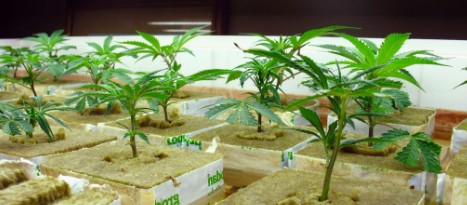
Dakini Kush, being an indica-dominant hybrid with robust genetics from Hindu Kush and Pre-98 Bubba Kush, thrives under specific growing conditions that maximize its potency, resin production, and terpene profile. Below is a scientific breakdown of optimal cultivation methods for Dakini Kush.
1. Environmental Conditions for Growth
Dakini Kush prefers a controlled environment where temperature, humidity, and light cycles are carefully managed.
a. Temperature & Humidity
- Vegetative Stage: 70-80°F (21-27°C) with 55-65% relative humidity (RH).
- Flowering Stage: 65-75°F (18-24°C) with 40-50% RH to prevent mold growth.
- Late Flowering (Ripening): Slight temperature drop (60-70°F or 16-21°C) and RH around 30-40% to enhance terpene retention and trichome density.
b. Light Cycle
- Indoor Cultivation: Dakini Kush requires a 18/6 (18 hours light, 6 hours darkness) cycle during vegetative growth.
- Flowering Phase: 12/12 light cycle to trigger bud development.
Using high-intensity discharge (HID) lamps such as HPS (High-Pressure Sodium) for flowering and MH (Metal Halide) for vegetative growth ensures optimal photosynthesis and energy absorption. LED grow lights with full-spectrum capabilities are also effective for energy efficiency and terpene production.
2. Growing Medium & Nutrient Management
Dakini Kush thrives in both soil and hydroponic setups, with each method offering unique benefits.
a. Soil Cultivation (Organic Approach)
- Best Medium: High-quality organic soil with aeration (e.g., coco coir, perlite mix).
- Nutrient Enrichment: Compost teas, worm castings, bat guano, and mycorrhizal fungi enhance microbial activity for nutrient absorption.
- pH Range: Maintain a 6.0-6.5 range for proper nutrient uptake.
b. Hydroponic Cultivation (Controlled Growth)
- Best Methods: Deep Water Culture (DWC) or Nutrient Film Technique (NFT) allows for rapid growth and higher yields.
- pH & EC Levels: Maintain a 5.5-6.2 pH and EC (Electrical Conductivity) between 1.5-2.5 mS/cm for optimal nutrient absorption.
- Nutrient Ratios:
- Vegetative Stage: High nitrogen (N), moderate phosphorus (P), and potassium (K) (e.g., N-P-K 3:1:2).
- Flowering Stage: Increased phosphorus and potassium for bud development (e.g., N-P-K 1:3:4).
- Late Flowering: Lower nitrogen levels to focus on resin production and cannabinoid synthesis.
3. Training Techniques for Higher Yields
a. Low-Stress Training (LST)
- Gently bending and tying down branches encourages lateral growth, improving light penetration and bud production.
- Useful for maximizing yields in limited grow spaces.
b. Screen of Green (ScrOG)
- A mesh screen is used to train Dakini Kush branches for even canopy distribution.
- Enhances bud site exposure to light, leading to larger colas.
c. Supercropping
- A high-stress training method where stems are pinched to create knuckled joints, leading to increased cannabinoid and terpene production.
4. Flowering & Harvesting Techniques
a. Flowering Time & Bud Development
- Dakini Kush typically flowers within 8-10 weeks, depending on the phenotype and growing conditions.
- During the last 2-3 weeks of flowering, avoid excessive nitrogen to enhance resin and terpene production.
b. Flushing Before Harvest
- Flush the plants with pure water (pH 6.0) for 10-14 days before harvesting to remove nutrient buildup, improving smoothness and flavor.
- Use reverse osmosis (RO) water for a cleaner flush.
c. Trichome Maturity for Harvesting
- Monitor trichomes using a jewelers’ loupe (60x magnification):
- Clear trichomes: Too early to harvest.
- Milky white trichomes: Maximum THC potency.
- Amber trichomes: Higher CBN, inducing sedative effects (best for medical use).
5. Post-Harvest Processing: Drying & Curing
- Hang buds upside-down in a dark room with 60°F (15°C) and 50% RH for 7-10 days to prevent mold growth.
- Ensure good airflow with oscillating fans, but avoid direct air on buds to preserve terpenes.
a. Drying Process
b. Curing for Terpene & Cannabinoid Enhancement
- Place dried buds in glass jars (two-thirds full) and store in a cool, dark place at 60-65% RH.
- Burp jars daily for the first two weeks to release excess moisture and enhance flavor.
- The curing process should last 4-8 weeks for peak terpene and cannabinoid preservation.
6. Pest & Disease Management
a. Common Pests
- Spider Mites & Aphids: Use neem oil, insecticidal soap, or predatory mites (Phytoseiulus persimilis).
- Fungus Gnats: Maintain dry topsoil and introduce beneficial nematodes.
b. Disease Prevention
- Powdery Mildew & Botrytis (Bud Rot): Ensure proper airflow, low humidity, and silica-based supplements.
- Root Rot: Avoid overwatering and use beneficial microbes like Trichoderma fungi.
7. Enhancing Cannabinoid & Terpene Production
a. UV-B Light Exposure
- Exposing Dakini Kush plants to UV-B light (280-315 nm) in the last 2-3 weeks of flowering increases THC and terpene production.
- Use UV-B lamps for 2-3 hours per day during peak light hours.
b. Cold Temperature Induction
- Lowering nighttime temperatures by 5-10°F (2-5°C) in the last weeks of flowering enhances anthocyanin production, resulting in deep purple hues and richer terpene profiles.
Recreational Uses and Effects
Beyond its medicinal benefits, Dakini Kush is also a favorite among recreational cannabis users for its potent and relaxing effects.
Relaxation and Stress Reduction
- The high myrcene and THC content create a deeply relaxing body high, making it perfect for unwinding after a long day.
- Users often report a “melt-into-the-couch” sensation, ideal for stress relief and tranquility.
Euphoria and Mood Enhancement
- Dakini Kush provides an initial wave of euphoria that lifts the mood before the heavier sedative effects set in.
- It’s a good choice for social settings in small doses, though larger doses may lead to couch-lock.
Creativity and Focus
- While not typically known as a productivity-enhancing strain, some users experience heightened creativity before the full-body relaxation takes over.
- Best suited for artistic endeavors that don’t require too much movement or coordination.
Methods of Ingestion, Onset, and Duration of Effects
Dakini Kush, as a high-THC indica-dominant strain, offers potent effects that vary depending on the method of ingestion. Each consumption method influences bioavailability (absorption rate), onset time, peak effects, and duration. Below is a scientific breakdown of the primary ingestion methods and their pharmacokinetics.
1. Inhalation Methods (Smoking & Vaping)
A. Smoking (Combustion)
Process:
- The cannabis flower is burned at ~600-900°C, and the active compounds are inhaled as smoke.
- Decarboxylation occurs instantly, converting THCA → THC for immediate psychoactive effects.
Bioavailability & Onset:
- Absorption Rate: ~15-30% (Highly variable based on lung capacity & smoking technique).
- Onset Time: 1-5 minutes after inhalation.
- Peak Effects: 20-30 minutes after inhalation.
- Duration: 2-4 hours, with up to 6 hours of residual effects.
Advantages:
✔ Fast-acting effects, ideal for acute pain and stress relief.
✔ Allows for easy dose titration.
Disadvantages:
✘ Combustion destroys some cannabinoids and terpenes (~30-50%).
✘ Smoke contains combustion byproducts (benzene, tar, polycyclic aromatic hydrocarbons) that may cause lung irritation.
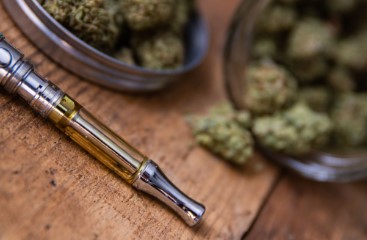
B. Vaporization (Dry Herb & Concentrates)
Process:
- The cannabis flower or concentrate is heated to 160-220°C, allowing cannabinoids and terpenes to vaporize without combustion.
- This preserves the full spectrum of terpenes and cannabinoids, enhancing the entourage effect.
Bioavailability & Onset:
- Absorption Rate: 30-50% (Higher than smoking due to better THC preservation).
- Onset Time: 1-5 minutes.
- Peak Effects: 20-30 minutes after inhalation.
- Duration: 3-5 hours, with residual effects lasting up to 7 hours.
Advantages:
✔ Higher bioavailability than smoking (more THC absorbed).
✔ Reduces harmful combustion byproducts.
✔ More efficient terpene retention, enhancing flavor & effects.
Disadvantages:
✘ Requires specialized equipment.
✘ Slower learning curve to find the best vaporization temperature.
Best Temperature Settings for Dakini Kush:
- 160-180°C (320-356°F) → Maximizes terpenes like myrcene & limonene for relaxation.
- 180-220°C (356-428°F) → Releases more THC & CBN for stronger sedation.
2. Oral Ingestion Methods (Edibles, Tinctures, Capsules)
A. Edibles
Process:
- Cannabis is infused into butter, oil, or sugar-based carriers, and the THCA → THC conversion occurs through heat.
- After ingestion, THC is metabolized by the liver, converting it into 11-hydroxy-THC, which is significantly more potent than regular THC.
Bioavailability & Onset:
- Absorption Rate: ~4-20% (Highly variable due to the first-pass metabolism effect).
- Onset Time: 30-120 minutes (Depends on metabolism, stomach contents, and individual physiology).
- Peak Effects: 2-4 hours after ingestion.
- Duration: 6-12 hours, with some residual effects lasting up to 24 hours.
Advantages:
✔ Long-lasting effects (Ideal for pain, sleep disorders, and anxiety).
✔ No lung irritation or combustion byproducts.
✔ Stronger psychoactive effects due to 11-hydroxy-THC formation.
Disadvantages:
✘ Slow onset makes dosage titration difficult.
✘ Overconsumption risk due to delayed effects.
B. Sublingual Tinctures & Oils
Process:
- Cannabis extract (oil or alcohol-based tincture) is placed under the tongue, where it bypasses digestion, it passes straight past the mucous membranes into the bloodstream.
Bioavailability & Onset:
- Absorption Rate: ~40-50% (Higher than edibles but lower than vaping).
- Onset Time: 15-45 minutes (Faster than edibles, slower than inhalation).
- Peak Effects: 1-2 hours.
- Duration: 4-8 hours, with gradual tapering effects.
Advantages:
✔ Faster onset than edibles, better for precise dosing.
✔ No lung irritation.
✔ Bypasses the first-pass metabolism, increasing efficiency.
Disadvantages:
✘ Some tinctures have an unpleasant taste.
✘ Less bioavailable than inhalation.
C. Cannabis Capsules & Pills
Process:
- Capsules contain pre-dosed cannabis oil or powdered decarboxylated cannabis.
- Absorption occurs through the digestive system, similar to edibles.
Bioavailability & Onset:
- Absorption Rate: ~5-15% (Lower than tinctures due to digestion).
- Onset Time: 45-120 minutes.
- Peak Effects: 2-4 hours after ingestion.
- Duration: 6-10 hours, with sustained release effects.
Advantages:
✔ Discreet, easy to dose.
✔ Long-lasting therapeutic effects.
Disadvantages:
✘ Slower onset than tinctures.
✘ Variable absorption rates depending on individual metabolism.
3. Transdermal & Suppository Methods
A. Transdermal Patches
Process:
- Cannabinoids are infused into a patch, which slowly releases THC & CBD through the skin into the bloodstream over several hours.
Bioavailability & Onset:
- Absorption Rate: ~50% (Higher than oral ingestion).
- Onset Time: 30-60 minutes.
- Duration: 12-24 hours (Ideal for chronic pain management).
Advantages:
✔ Long-lasting, steady-release cannabinoids.
✔ No psychoactive effects unless formulated with THC.
✔ Great for pain management & inflammation control.
Disadvantages:
✘ Limited recreational use (not ideal for quick onset).
✘ Can be pricey in comparison to alternative techniques.
B. Rectal & Vaginal Suppositories
Process:
- Cannabis-infused oil or cocoa butter is inserted rectally or vaginally for direct absorption into the bloodstream, bypassing digestion.
Bioavailability & Onset:
- Absorption Rate: ~50-70% (Highest among non-inhaled methods).
- Onset Time: 10-30 minutes.
- Duration: 4-8 hours.
Advantages:
✔ High bioavailability, rapid relief.
✔ No psychoactive effects (THC is absorbed without affecting CB1 receptors in the brain).
✔ Ideal for pain relief, menstrual cramps, or post-surgery recovery.
Disadvantages:
✘ Not a widely preferred method due to application.
Final Comparison of Methods
| Method | Onset | Peak | Duration | Bioavailability | Best For |
|---|---|---|---|---|---|
| Smoking | 1-5 min | 20-30 min | 2-4 hrs | 15-30% | Fast relief, social use |
| Vaping | 1-5 min | 20-30 min | 3-5 hrs | 30-50% | High terpene retention |
| Edibles | 30-120 min | 2-4 hrs | 6-12 hrs | 4-20% | Long-lasting effects |
| Tinctures | 15-45 min | 1-2 hrs | 4-8 hrs | 40-50% | Fast-acting, precise dosing |
| Capsules | 45-120 min | 2-4 hrs | 6-10 hrs | 5-15% | Discreet & consistent dosage |
Scientific Insights: Mechanism of Action
The effects of Dakini Kush can be attributed to its interaction with the body’s endocannabinoid system (ECS), which regulates pain, mood, sleep, and immune responses. Here’s how its key compounds work:
- THC (Tetrahydrocannabinol):
- Binds to CB1 receptors in the brain, inducing euphoria, relaxation, and pain relief.
- Enhances dopamine release, contributing to its mood-lifting properties.
- CBD (Cannabidiol):
- Interacts with CB2 receptors, reducing inflammation and counteracting some of THC’s psychoactive effects.
- Myrcene:
- Enhances THC’s ability to cross the blood-brain barrier, intensifying its sedative effects.
- Caryophyllene:
- Directly interacts with CB2 receptors, reducing inflammation and pain.
- Limonene:
- Elevates mood by increasing serotonin levels, countering stress and anxiety.
Potential Side Effects and Considerations
While Dakini Kush is highly beneficial, it can cause some adverse effects, especially in high doses:
- Dry Mouth and Dry Eyes – Common with most cannabis strains, mitigated by staying hydrated.
- Dizziness and Lightheadedness – More likely at high doses, particularly in novice users.
- Paranoia or Anxiety – May occur in sensitive users due to its high THC content.
- Sedation and Couch-lock – Ideal for nighttime use, but may impair daytime functioning if taken in large amounts.
Conclusion
Dakini Kush is a potent indica-dominant hybrid that delivers deep relaxation, pain relief, and stress reduction. Its combination of Hindu Kush and Pre-98 Bubba Kush genetics gives it a powerful sedative effect, making it ideal for insomnia, chronic pain, and anxiety. With its rich cannabinoid and terpene profile, Dakini Kush provides both medical and recreational users with a highly effective and enjoyable experience. However, its potency should be respected, and new users should start with a low dose to assess tolerance.
Whether seeking relief from medical conditions or simply looking to unwind, Dakini Kush remains a top-tier strain in the cannabis world.
For a complete directory of cultivars, visit our Cannabis Strain Reviews.
