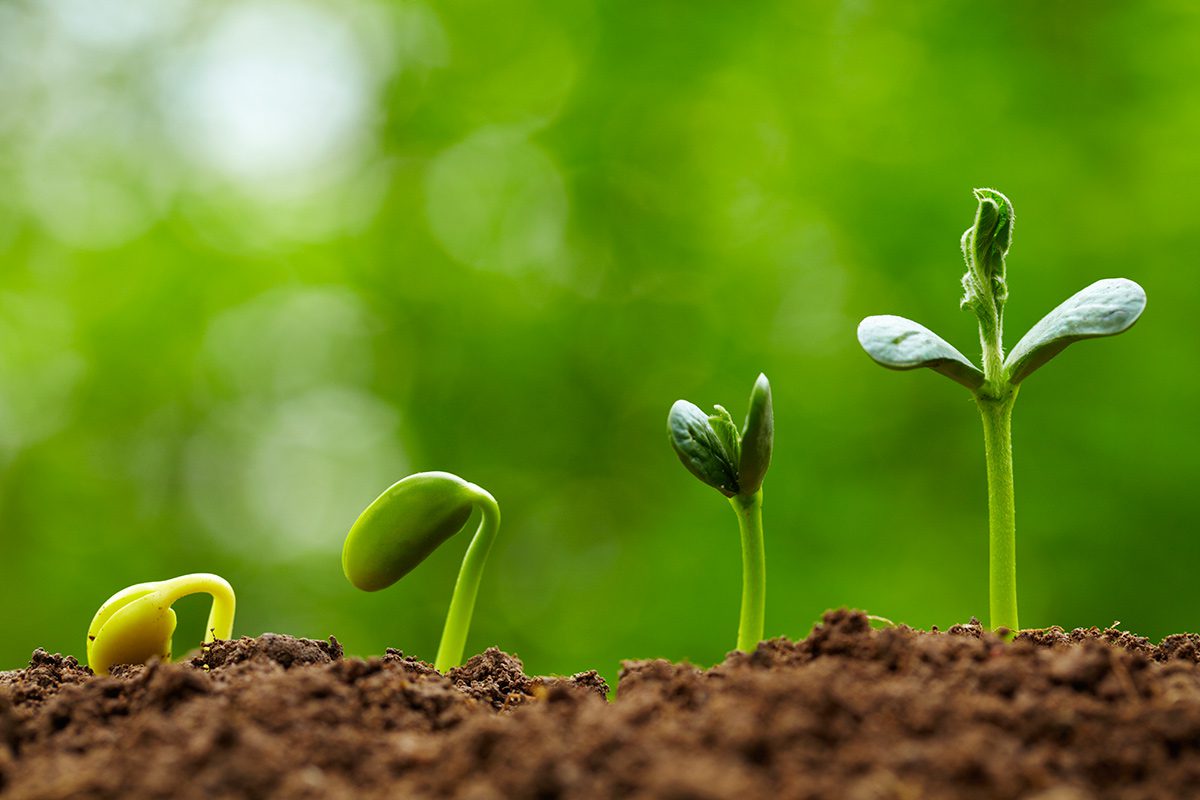
Cultivation of Medical Cannabis: Seedling Stage
Cultivating medical cannabis involves a meticulous process, starting from the seedling stage. This phase is critical for ensuring the health and vigor of the plants, which will ultimately influence their medicinal quality. This guide will delve into the detailed process of nurturing cannabis seedlings, focusing exclusively on medical cultivation and excluding any recreational use.
1. Introduction to the Seedling Stage
The seedling stage is the initial growth phase after germination, where the cannabis plant develops its first true leaves and begins to establish its root system. This stage typically lasts for two to three weeks. This stage of growth lays the groundwork for the plant’s general health and output, therefore proper care is essential.
2. Selecting Quality Seeds
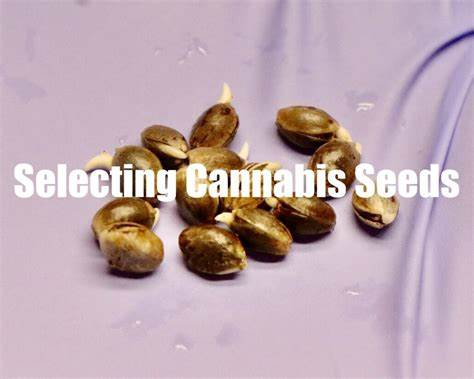
For medical purposes, the quality of seeds is paramount. Here are some key considerations:
- Genetics: Choose strains with known medical benefits, such as high CBD content for anti-inflammatory and analgesic properties or balanced THC
ratios for conditions like chronic pain and anxiety. - Source: Purchase seeds from reputable suppliers who provide detailed strain information, including cannabinoid profiles and medical efficacy.
3. Germination Process
Germination is the process where the seed sprouts into a seedling. Here’s how to ensure successful germination:
- Soaking Seeds: Begin by soaking seeds in distilled water for 12-24 hours. This softens the seed shell and initiates the germination process.
- Paper Towel Method: Place the soaked seeds between moist paper towels. Keep them in a dark, warm environment (70-85°F or 21-29°C). Make sure the towels stay damp by checking them often.
- Planting: Once the seeds have sprouted (with a visible taproot of about 1/4 inch or 6 mm), they are ready to be planted in a suitable growing medium.
4. Choosing the Right Growing Medium
The choice of growing medium significantly impacts the seedling’s development. Popular options include:
- Soil: Use high-quality, organic soil with good drainage and aeration. It should be rich in nutrients but not too “hot” (nutrient-dense) for delicate seedlings.
- Soilless Mixes: These include coco coir, peat moss, or a mix of perlite and vermiculite. They offer excellent drainage and aeration, and nutrients can be precisely controlled through feeding.
- Hydroponics: For experienced growers, hydroponic systems can accelerate growth by delivering nutrients directly to the roots. They do, however, need to be managed and observed carefully.
5. Planting and Initial Care
Planting cannabis seedlings correctly and providing optimal care during the early days is crucial:
- Depth: Plant the germinated seeds about 1/4 inch (6 mm) deep in the growing medium, with the taproot facing down.
- Lighting: Provide a gentle light source immediately. Fluorescent lights or LED grow lights with a blue spectrum (450-500 nm) are ideal, as they promote vegetative growth without overwhelming the seedlings.
- Temperature and Humidity: Maintain a temperature range of 70-80°F (21-27°C) and relative humidity of 65-70%. These conditions promote healthy growth and prevent stress.
6. Watering Seedlings
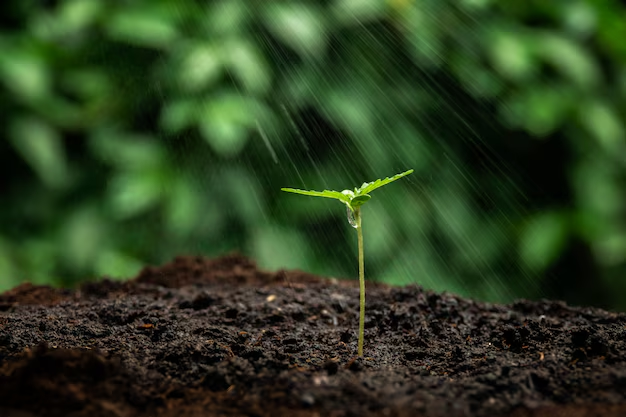
In order to avoid frequent problems like root rot and damping-off, a fungal disease, proper irrigation is essential:
- Frequency: Water seedlings lightly but frequently to keep the growing medium moist but not waterlogged. Overwatering is a common mistake.
- Water Quality: Use filtered or distilled water with a neutral pH (around 6.0-7.0). Avoid hard water or water with high chlorine content.
7. Nutrient Management
Seedlings have specific nutrient requirements. Overfeeding can damage young plants, so it’s important to proceed cautiously:
- Initial Feeding: For the first two weeks, seedlings generally don’t require additional nutrients if planted in a quality soil mix. Soilless and hydroponic systems may need very dilute nutrient solutions (around 1/4 strength).
- Signs of Deficiency: Watch for signs of nutrient deficiency, such as yellowing leaves, which may indicate the need for a gentle feeding regimen.
8. Transplanting Seedlings
Transplanting is necessary as seedlings outgrow their initial containers. Proper technique minimizes transplant shock:
- Timing: When seedlings have three to four sets of genuine leaves and a robust root system, transplant them. This usually occurs 2-3 weeks after germination.
- Procedure: Handle seedlings gently by the leaves (not the stem) and transfer them to larger containers or final growing sites. Ensure the new medium is pre-moistened and the environment is stable.
9. Monitoring and Troubleshooting
Vigilant monitoring is essential to catch and address issues early:
- Pests and Diseases: Inspect seedlings regularly for pests (e.g., aphids, spider mites) and diseases (e.g., damping-off). To avoid infestations, maintain cleanliness and employ organic pest control techniques.
- Environmental Stress: Adjust temperature, humidity, and lighting to prevent stress symptoms like curling leaves or stunted growth.
10. Preparing for Vegetative Growth
As seedlings transition to the vegetative stage, their care requirements change:
- Lighting: Increase light intensity and adjust the spectrum to include more red light (620-750 nm) for robust vegetative growth.
- Nutrient Regimen: Gradually introduce a balanced nutrient solution tailored for vegetative growth, ensuring a higher nitrogen content to support leaf and stem development.
11. Best Practices for Optimal Seedling Health
To ensure seedlings thrive and develop into healthy, productive plants, follow these best practices:
- Consistent Care: Maintain a consistent care routine, avoiding sudden changes in the environment.
- Record-Keeping: Keep detailed records of growing conditions, nutrient regimens, and any issues encountered. This data can help refine future cultivation practices.
- Learning and Adaptation: Stay informed about the latest advancements in cannabis cultivation and be prepared to adapt techniques based on new knowledge and experiences.
Detailed Steps and Considerations
To provide a comprehensive guide, here are more detailed steps and considerations for each phase of the seedling stage.
1. Germination Techniques
Different germination techniques cater to varying levels of grower expertise and preferences. Here are three common methods:
- Direct Soil Planting: Plant seeds directly in the growing medium. This method is less stressful for the plant since there is no need to handle the delicate seedling.
- Rockwool Cubes: Soak rockwool cubes in pH-balanced water and place seeds in the holes. This method is popular in hydroponic systems and provides excellent moisture retention.
- Peat Pellets: These are small, compressed discs that expand when soaked in water. Place the seed in the expanded pellet, which can later be transplanted into a larger medium without disturbing the roots.
2. Environmental Control
Maintaining optimal environmental conditions is crucial for seedling health. Here are specific parameters to monitor:
- Air Circulation: To avoid mold and to fortify the seedlings, make sure there is adequate air circulation. Use small fans to create a gentle breeze.
- Light Cycles: Maintain an 18/6 light cycle (18 hours of light, 6 hours of darkness) to encourage strong vegetative growth. Avoid 24-hour light cycles, as plants benefit from a rest period.
- Humidity Control: Use a humidifier to maintain proper humidity levels. Gradually decrease humidity to 50-60% as seedlings grow to acclimate them to lower humidity levels.
3. Watering Techniques
Proper watering techniques are essential for avoiding common pitfalls:
- Drip Irrigation: This automated system delivers precise amounts of water to each plant, reducing the risk of overwatering and ensuring consistent moisture.
- Bottom Watering: Place seedling trays in a shallow water tray and allow the growing medium to absorb water from the bottom. This lessens the chance of damping-off and promotes root growth.
4. Nutrient Management
Nutrient management during the seedling stage is delicate. Here’s how to balance it:
- pH Balance: Maintain the pH of the growing medium between 6.0 and 6.5. Use pH-adjusting products to correct any deviations.
- Organic vs. Synthetic Nutrients: For medical purposes, organic nutrients are preferred to avoid chemical residues. Compost teas, fish emulsion, and seaweed extracts are excellent choices.
- Foliar Feeding: Spray a very dilute nutrient solution directly onto the leaves. This method provides nutrients quickly and can help correct deficiencies without overloading the root zone.
5. Pest and Disease Prevention
Preventing pests and diseases is critical for medical cannabis cultivation:
- Integrated Pest Management (IPM): Implement an IPM plan that includes preventative measures, monitoring, and control methods. Use beneficial insects, neem oil, and insecticidal soaps as organic control options.
- Sterile Environment: Keep the growing area clean and sterile. Disinfect tools, containers, and surfaces regularly to prevent the spread of pathogens.
- Quarantine New Plants: Isolate any new plants introduced into the growing area for at least two weeks to ensure they are free of pests and diseases.
6. Transplanting Techniques
Proper transplanting techniques minimize stress and promote healthy growth:
- Root Zone Preparation: This lessens the chance of damping-off and promotes root growth. Water the new medium before transplanting to ensure it is moist.
- Handling Seedlings: Handle seedlings by the leaves, not the stem, to avoid damaging the delicate stem. Gently tease out the root ball if it is compacted.
- Aftercare: Water the transplanted seedlings lightly and provide a mild nutrient solution. Monitor closely for signs of transplant shock, such as wilting or slowed growth.
7. Lighting Considerations
Lighting is crucial for seedling health and development:
- Light Intensity: Start with a light intensity of 200-400 PPFD (photosynthetic photon flux density) and gradually increase as the seedlings grow.
- Distance from Light Source: Position lights 12-24 inches above the seedlings, depending on the light intensity. Adjust the distance to prevent light burn or stretching.
- Spectrum Adjustments: Use full-spectrum lights that mimic natural sunlight. Adjust the spectrum to include more blue light during the seedling stage and transition to a more balanced spectrum for vegetative growth.
8. Transition to Vegetative Stage
As seedlings transition to the vegetative stage, their care needs change:
- Pot Size: Transplant seedlings into larger pots (3-5 gallons) to accommodate their growing root system. Ensure the new medium is nutrient-rich and well-aerated.
- Nutrient Schedule: Transition to a vegetative nutrient schedule with higher nitrogen levels. Gradually increase the nutrient concentration to full strength as the plants mature.
- Training Techniques: Begin low-stress training (LST) or topping to encourage bushier growth and more bud sites. These techniques promote higher yields and better light penetration.
9. Advanced Tips for Medical Cultivation
For medical cannabis cultivation, precision and attention to detail are key:
- Strain Selection: Continuously evaluate new strains for medical efficacy. Focus on strains with high CBD content, balanced THC
ratios, and specific terpene profiles that enhance therapeutic effects. - Testing and Analysis: Regularly test plant tissue and soil samples for nutrient levels and contaminants. Use laboratory analysis to ensure the final product is free of pesticides, heavy metals, and microbial contaminants.
- Patient Feedback: Collect feedback from patients to refine strain selection and cultivation practices. Understanding patient needs and preferences helps tailor cultivation to produce the most effective medicine.
Restrictions on Using Cannabis in the Medical Field as a Last Resort
Cannabis as a medical treatment has garnered significant attention due to its therapeutic potential for various conditions. However, its use is often subject to stringent regulations and restrictions, particularly when considered as a last-resort option. These are the main limitations and things to think about:
1. Regulatory Approval and Legal Framework
- Approval Status: Cannabis must be approved by relevant health authorities (e.g., FDA in the U.S., EMA in Europe) for specific medical conditions. Its use as a last resort is often restricted to cases where conventional treatments have failed.
- Prescription Requirements: Only qualified healthcare professionals can prescribe medical cannabis. They must follow strict guidelines to ensure it is used appropriately and only when other treatments are ineffective.
- Patient Eligibility: Patients must meet specific criteria to qualify for medical cannabis. This includes having a diagnosed condition for which cannabis is approved and documented evidence of inadequate response to standard treatments.
2. Medical Supervision and Monitoring
- Ongoing Assessment: Patients using medical cannabis must be under continuous medical supervision. Healthcare providers need to monitor treatment efficacy, side effects, and overall patient health.
- Periodic Reviews: Regular follow-up appointments are necessary to assess the long-term impact of cannabis treatment and make any necessary adjustments.
- Documentation: Detailed records of cannabis use, including dosage, frequency, and patient response, must be maintained to ensure compliance and monitor outcomes.
3. Specific Conditions and Indications
- Designated Conditions: Medical marijuana is usually only prescribed for certain ailments such multiple sclerosis, epilepsy, chronic pain, and nausea from chemotherapy. Its use outside these approved indications is generally prohibited.
- Second-Line or Third-Line Therapy: Cannabis is often considered a second-line or third-line therapy, meaning it is only used after other treatments have failed. This ensures that it is truly a last-resort option.
Monitoring THC Levels in Medications to Prevent Psychoactive Effects
Tetrahydrocannabinol (THC) is the primary psychoactive compound in cannabis, responsible for its mind-altering effects. For medical purposes, it is crucial to monitor and control THC levels to prevent unwanted psychoactive effects in patients. Here are the strategies and best practices for achieving this:
1. Formulation and Standardization
- Controlled Dosage Forms: Medical cannabis products should be formulated with precise THC concentrations. This includes standardized extracts, tinctures, capsules, and other dosage forms that ensure consistent THC content.
- Labeling and Transparency: Products must be accurately labeled with THC content and dosage instructions. Patients and healthcare providers should have clear information on the THC levels in each product.
2. CBD
Ratios
- Balancing Ratios: Cannabidiol (CBD), another major cannabinoid, can counteract some of the psychoactive effects of THC. Formulations with balanced CBD
ratios (e.g., 1:1, 2:1) are often used to minimize psychoactivity while maintaining therapeutic benefits. - Customized Ratios: Depending on the medical condition and patient response, healthcare providers can recommend specific CBD
ratios to optimize treatment efficacy and minimize psychoactive effects.
3. Pharmacovigilance and Patient Monitoring
- Patient Education: Patients should be educated about the potential psychoactive effects of THC and the importance of adhering to prescribed dosages. They ought to know how to identify and handle any psychotic symptoms.
- Regular Monitoring: Healthcare providers must monitor patients for any signs of psychoactivity, such as changes in mood, cognition, or behavior. Depending on the patient’s reaction, changes to the dosage or product choice can be required.
- Adverse Event Reporting: Any adverse effects related to THC use should be promptly reported and documented. This information helps in refining treatment protocols and improving patient safety.
4. Regulatory Standards and Testing
- Quality Control: Medical cannabis products must undergo rigorous quality control testing to ensure they meet regulatory standards for THC content. Testing for pollutants, potency, and purity is part of this.
- Batch Testing: Each batch of medical cannabis product should be tested to verify THC levels and consistency. This guarantees that the drugs patients receive are trustworthy and secure.
5. Low-THC and THC-Free Options
- Low-THC Products: For patients who are particularly sensitive to THC, low-THC formulations (e.g., <1% THC) can be used to provide therapeutic benefits with minimal psychoactive risk.
- THC-Free Products: In some cases, THC-free CBD products may be recommended, especially for conditions where THC’s psychoactive effects are undesirable or contraindicated.
Practical Implementation
To effectively implement these restrictions and monitoring practices, healthcare providers and patients must collaborate closely. Here’s a practical approach:
1. Comprehensive Patient Assessment
- Medical History: Evaluate the patient’s medical history, including any previous treatments and their outcomes. Identify any contraindications for THC use.
- Risk Factors: Assess risk factors for psychoactive effects, such as age, mental health status, and sensitivity to cannabinoids.
2. Individualized Treatment Plans
- Personalized Dosage: Develop individualized treatment plans based on the patient’s condition, treatment history, and response to cannabinoids. Start with low doses and adjust gradually.
- Therapeutic Goals: Clearly define therapeutic goals and expected outcomes. Review and modify treatment plans frequently to make sure they support these objectives.
3. Patient Support and Resources
- Education and Counseling: Provide thorough education on the use of medical cannabis, including potential side effects and the importance of adherence to prescribed dosages. Offer counseling and support to address any concerns or issues that arise during treatment.
- Access to Information: Ensure patients have access to reliable information and resources about medical cannabis, including product availability, dosing guidelines, and legal considerations.
4. Technology and Tools
- Electronic Health Records (EHRs): Utilize EHRs to track patient progress, document treatment plans, and record any adverse events. Treatment regimens can be improved and patient outcomes can be enhanced with the use of this data.
- Monitoring Devices: Consider using monitoring devices, such as apps or wearables, to track patient adherence and response to treatment. These tools can provide valuable real-time data for healthcare providers.
Conclusion
The cultivation and medical use of cannabis, particularly during the seedling stage, require a thorough understanding of the plant’s needs and careful management of various factors to ensure optimal growth and medicinal efficacy. This process involves selecting quality seeds, providing the right environmental conditions, managing nutrients carefully, and monitoring the plants for any signs of stress or disease. Transplanting techniques, lighting considerations, and transitioning to the vegetative stage are also crucial components that contribute to the overall health and productivity of the plants.
When considering cannabis for medical use, it is essential to adhere to stringent regulatory guidelines and restrictions, especially when it is deemed a last-resort option. Ensuring that cannabis is used only when other treatments have failed, under strict medical supervision, and with continuous monitoring is critical for patient safety and treatment efficacy. Regulatory approval, precise prescription protocols, and comprehensive patient eligibility criteria help maintain the integrity and safety of medical cannabis use.
Monitoring THC levels in medical cannabis products is vital to prevent psychoactive effects and ensure that patients receive the therapeutic benefits without unwanted side effects. This involves careful formulation and standardization of products, balancing CBD
ratios, patient education, and regular monitoring of patient responses. Quality control through rigorous testing, along with the availability of low-THC and THC-free options, further ensures that medical cannabis can be used safely and effectively.
In practice, implementing these restrictions and monitoring practices requires a collaborative approach between healthcare providers and patients. Comprehensive patient assessments, individualized treatment plans, continuous support, and the use of technology and monitoring tools are all essential components of a successful medical cannabis program. By maintaining detailed records and utilizing data to refine treatment protocols, healthcare providers can optimize the therapeutic use of cannabis and improve patient outcomes.
In conclusion, the cultivation of medical cannabis from the seedling stage and its use in the medical field involve a multifaceted approach that prioritizes patient safety, regulatory compliance, and therapeutic efficacy. By adhering to best practices in cultivation, maintaining stringent controls over THC levels, and ensuring that cannabis is used appropriately as a last-resort treatment, healthcare providers can harness the medicinal potential of cannabis to enhance the quality of life for patients in need.
