Table of Contents
Crystal is a potent hybrid cannabis strain known for its shimmering trichomes and powerful effects. Crystal is a cross between White Widow and Northern Lights, two legendary cannabis varieties celebrated for their potency, resilience, and therapeutic benefits. With its high THC content and a balanced blend of indica and sativa effects, Crystal offers a versatile experience suitable for both recreational and medicinal users.
Genetic Lineage
Crystal inherits its genetics from two highly acclaimed strains:
- White Widow – A world-renowned hybrid known for its resin production, cerebral high, and balanced effects.
- Northern Lights – A pure indica strain famous for its sedative properties, pain relief, and stress reduction.
This lineage results in a strain that boasts high resin production, a strong body high, and uplifting cerebral effects.
Appearance, Aroma, and Flavor
- Appearance: Crystal gets its name from its thick coating of glittering trichomes, which cover its dense, dark green buds. The buds often have amber-colored pistils, giving them an appealing aesthetic.
- Aroma: A pungent mix of earthy, pine, and skunky scents with subtle citrus undertones.
- Flavor: A rich combination of sweet, spicy, and woody flavors, accompanied by a hint of citrus upon exhale.
Cannabinoid and Terpene Profile
- THC Content: Ranges between 20% and 25%, making Crystal a highly potent strain.
- CBD Content: Generally low, usually below 1%.
- Terpenes:
- Myrcene – Offers sedative and relaxing effects.
- Caryophyllene – Known for anti-inflammatory and pain-relieving properties.
- Limonene – Contributes uplifting and anti-stress effects.
- Pinene – Provides alertness and respiratory benefits.
Effects and Usage
Recreational Uses
Crystal is a well-balanced hybrid that provides both euphoria and deep relaxation. Users often report:
- Energizing head high: The initial effects are cerebral, uplifting, and euphoric.
- Body relaxation: As the high progresses, it transitions into a calming body buzz.
- Creativity boost: Some users experience enhanced creativity and motivation.
- Mild couch-lock: Higher doses can lead to deep relaxation and even sedation.
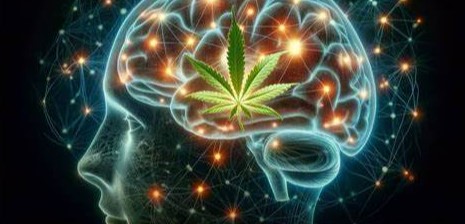
Because of its potency, Crystal is ideal for use in the late afternoon or evening, especially for those looking to unwind while maintaining mental clarity.
Medical Uses
Crystal has a diverse range of therapeutic benefits, making it a popular choice among medical cannabis users. It is particularly useful for:
1. Pain Management
- The combination of THC and caryophyllene helps in reducing chronic pain, arthritis, migraines, and muscle spasms.
2. Stress and Anxiety Relief
- The uplifting and calming effects of limonene and myrcene make Crystal effective for reducing stress, anxiety, and PTSD symptoms.
3. Insomnia Treatment
- The strong indica effects make Crystal a good option for those suffering from insomnia and sleep disorders.
4. Appetite Stimulation
- THC interacts with the endocannabinoid system, triggering hunger, which can benefit patients with loss of appetite due to chemotherapy or medical conditions like HIV/AIDS.
5. Mood Enhancement
- Patients dealing with depression or mood disorders may find Crystal beneficial for elevating mood and fostering a sense of well-being.
Cultivation Information
Cultivating Crystal cannabis strain efficiently requires a scientific approach that maximizes yield, potency, and plant health. Below are advanced cultivation techniques backed by research and best practices.
1. Genetic Optimization & Seed Selection
- Stabilized Genetics: Ensure the seeds come from a reputable breeder to maintain genetic consistency.
- Phenotype Selection: Grow multiple plants and select the best-performing phenotype based on yield, THC content, and terpene profile.
- Tissue Culture Propagation: Advanced cultivators use micropropagation to maintain genetic purity and pathogen-free plants.
2. Ideal Growing Conditions
Environmental Control
- Temperature: Maintain 20-26°C (68-79°F) in the vegetative phase and 18-24°C (64-75°F) in the flowering phase.
- Humidity: Adjust according to growth stage:
- Seedling: 65-70% RH
- Vegetative: 50-60% RH
- Flowering: 40-50% RH
- Late Flowering: 30-40% RH (reduces mold risk)
- Airflow & Ventilation: Use oscillating fans and exhaust systems to prevent mold and pests.
3. Light Management (Photoperiod Control)
- Indoor Cultivation:
- Veg Phase: 18/6 (18 hours light, 6 hours dark)
- Flowering Phase: 12/12 cycle to induce bud production
- PPFD (Light Intensity): Maintain 400-700 µmol/m²/s for optimal photosynthesis.
- Spectrum:
- Vegetative Stage: Blue spectrum (400-500nm)
- Flowering Stage: Red spectrum (600-700nm)
- Best Grow Lights:
- LED (Full-Spectrum) – Energy efficient and provides customizable spectrums.
- HPS (High-Pressure Sodium) – Traditional for high yields but generates more heat.
4. Soil vs. Hydroponic Systems
Soil-Based Cultivation
- Organic Super Soil:
- Composed of coco coir, peat moss, perlite, and worm castings.
- Enrich with mycorrhizal fungi for root health.
- pH Range: Maintain 6.0-6.8 for optimal nutrient uptake.
Hydroponic Cultivation (Advanced)
- Nutrient Film Technique (NFT): Delivers nutrients in a continuous water flow.
- Deep Water Culture (DWC): Roots are submerged in an oxygenated nutrient solution.
- Aeroponics: Uses misted nutrients, promoting rapid growth and higher yields.
- Hydroponic pH Range: Maintain 5.5-6.5.
5. Nutrient & Feeding Regimen
- Macronutrients:
- Nitrogen (N) – For vegetative growth.
- Phosphorus (P) – For root and bud development.
- Potassium (K) – For disease resistance and overall health.
- Micronutrients: Calcium (Ca), Magnesium (Mg), and Sulfur (S) improve plant metabolism.
- Feeding Schedule:
- Vegetative: High N, moderate P and K.
- Early Flowering: Lower N, higher P and K.
- Late Flowering: Flush out excess nutrients with pure pH-balanced water.
6. Training Techniques for Higher Yields
Low-Stress Training (LST)
- Tying down branches to create an even canopy.
- Encourages multiple colas instead of a single dominant one.
High-Stress Training (HST)
- Topping: Cutting the plant’s main stem to promote lateral growth.
- Super Cropping: Slightly damaging stems to increase THC production.
Screen of Green (ScrOG)
- Uses a netting system to spread out branches for better light penetration.
Sea of Green (SOG)
- Growing multiple small plants close together, maximizing space efficiency.
7. Pest & Disease Prevention
- Companion Planting: Use marigold, basil, and peppermint to repel pests.
- Beneficial Insects: Introduce ladybugs and predatory mites to control aphids and spider mites.
- Neem Oil & Organic Pesticides: Safe for controlling pests without harming trichomes.
8. Harvesting & Post-Harvest Processing
Trichome Maturity Check
- Use a jeweler’s loupe (30-60x magnification) to examine trichomes:
- Clear trichomes: Too early to harvest.
- Milky white trichomes: Peak potency.
- Amber trichomes: More sedative effects.
Proper Harvesting Techniques
- Cut branches with sharp shears to prevent damage.
- Trim leaves carefully to preserve terpene-rich buds.
Curing Process
- Dry buds in a dark, well-ventilated room at 18-22°C (65-72°F) for 7-10 days.
- Jar cure for 2-4 weeks, opening daily to release moisture and enhance flavor.
The method of consuming Crystal cannabis strain significantly impacts onset time, duration, bioavailability, and overall effects. Below is a scientific breakdown of various ingestion methods, their mechanisms, and what users can expect in terms of onset and duration.
1. Inhalation Methods (Smoking & Vaping)
A. Smoking (Joints, Bongs, Pipes)
- Bioavailability: ~20-37% THC absorption
- Onset: 1-5 minutes
- Peak Effects: 30-60 minutes
- Total Duration: 2-4 hours
Mechanism:
- When Crystal cannabis is inhaled, THC enters the lungs and diffuses into the bloodstream almost instantly.
- The compound crosses the blood-brain barrier within minutes, leading to rapid psychoactive effects.
- The high peaks within the first hour and gradually diminishes.
Pros & Cons
Fast-acting effects
Easily controllable dosage
Can irritate lungs (due to combustion byproducts)
Less efficient THC absorption than vaping
B. Vaporization (Dry Herb or Concentrate Vaping)
- Bioavailability: ~40-60% THC absorption
- Onset: 1-3 minutes
- Peak Effects: 30-45 minutes
- Total Duration: 2-5 hours
Mechanism:
- Unlike smoking, vaping heats cannabis at a lower temperature (~160-220°C or 320-428°F), avoiding combustion.
- This preserves terpenes and cannabinoids, resulting in smoother hits and stronger effects per dose.
Pros & Cons
Higher THC bioavailability than smoking
Less lung irritation
Better flavor retention (due to preserved terpenes)
Requires a vaporizer device
Can be costly compared to smoking
2. Oral Consumption (Edibles, Capsules, Tinctures)
Oral consumption undergoes first-pass metabolism, where THC is converted into 11-hydroxy-THC, a more potent and longer-lasting metabolite.
A. Edibles (Brownies, Gummies, Drinks, etc.)
- Bioavailability: ~4-20% THC absorption
- Onset: 30-90 minutes
- Peak Effects: 2-4 hours
- Total Duration: 6-12 hours
Mechanism:
- THC is processed by the liver, converting it into 11-hydroxy-THC.
- 11-hydroxy-THC is more potent than inhaled THC, leading to a stronger and longer-lasting high.
- Effects last much longer than smoking or vaping.
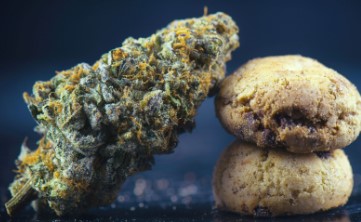
Pros & Cons
Long-lasting effects
No lung irritation
More body-centered high (good for pain relief, insomnia)
Delayed onset can lead to overconsumption
Difficult to dose accurately
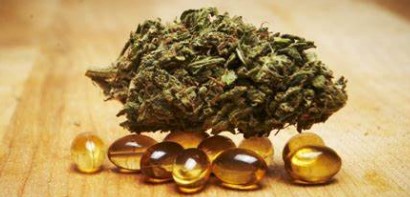
B. Capsules & THC Pills
- Bioavailability: ~6-30% (depends on formulation)
- Onset: 30-90 minutes
- Peak Effects: 2-4 hours
- Total Duration: 6-12 hours
Mechanism:
- Capsules work similarly to edibles, but their absorption rate depends on formulation (lipid-based capsules improve bioavailability).
Pros & Cons
Discreet and precise dosing
Long-lasting relief
No lung irritation
Slow onset
Can cause stronger psychoactive effects
C. Sublingual Tinctures (THC Oils)
- Bioavailability: ~12-35% THC absorption
- Onset: 15-45 minutes
- Peak Effects: 1-2 hours
- Total Duration: 4-8 hours
Mechanism:
- Placed under the tongue, allowing THC to enter the bloodstream directly through sublingual glands.
- Avoids first-pass metabolism, leading to a faster onset than edibles but a slightly shorter duration.
Pros & Cons
Faster onset than edibles
Discreet and easy to dose
No lung irritation
Shorter duration than edibles
May have an unpleasant taste
3. Topical Application (Creams, Lotions, Patches)
- Bioavailability: Variable (Depends on transdermal formulation)
- Onset: 15-60 minutes
- Peak Effects: 1-2 hours
- Total Duration: 2-8 hours
Mechanism:
- Topical creams/lotions interact with CB2 receptors in the skin without entering the bloodstream.
- Transdermal patches do enter the bloodstream, allowing THC and CBD to provide systemic effects.
Pros & Cons
Non-psychoactive (for localized pain relief)
Long-lasting relief
No lung or digestive irritation
Slow onset for some products
Limited effects on deep pain compared to ingestion
4. Other Ingestion Methods
A. Dabbing (Concentrates)
- Bioavailability: 50-80% THC absorption
- Onset: Seconds to 2 minutes
- Peak Effects: 20-40 minutes
- Total Duration: 1-3 hours
Mechanism:
- Uses high-THC concentrates (wax, shatter, rosin) heated to vaporization.
- Highly potent and fast-acting, ideal for high-tolerance users.
Pros & Cons
Extremely high THC potency
Instant effects
Less plant material inhaled
Harsh on lungs
Not beginner-friendly
Comparing Onset & Duration Across Methods
| Method | Onset | Peak Effects | Total Duration | Bioavailability |
|---|---|---|---|---|
| Smoking | 1-5 min | 30-60 min | 2-4 hrs | ~20-37% |
| Vaping | 1-3 min | 30-45 min | 2-5 hrs | ~40-60% |
| Edibles | 30-90 min | 2-4 hrs | 6-12 hrs | ~4-20% |
| Capsules | 30-90 min | 2-4 hrs | 6-12 hrs | ~6-30% |
| Tinctures | 15-45 min | 1-2 hrs | 4-8 hrs | ~12-35% |
| Topicals | 15-60 min | 1-2 hrs | 2-8 hrs | Varies |
| Dabbing | Seconds-2 min | 20-40 min | 1-3 hrs | ~50-80% |
Conclusion
- If you want fast effects, smoking, vaping, or dabbing are best.
- If you need long-lasting relief, edibles, capsules, or tinctures are ideal.
- For localized pain relief, topicals work well without psychoactive effects.
Scientific Insights
Mechanism of Action
The effects of Crystal are driven by its interactions with the endocannabinoid system (ECS):
- THC binds to CB1 receptors, causing euphoria, pain relief, and appetite stimulation.
- Terpenes like limonene and pinene interact with neurotransmitters, potentially enhancing mood and focus.
- Caryophyllene interacts with CB2 receptors, exerting anti-inflammatory effects.
Potential Medical Research
- Pain Management: Studies suggest that THC-rich strains like Crystal can significantly reduce chronic pain and neuropathic pain.
- Anxiolytic Properties: Research indicates terpenes like myrcene and limonene contribute to stress relief and anti-anxiety effects.
- Sleep Disorders: Indica-dominant strains, including Crystal, have shown potential in treating insomnia and improving sleep quality.
Potential Side Effects
Like any potent cannabis strain, Crystal may cause:
- Dry mouth and dry eyes – Common side effects of Crystal that can be managed by staying hydrated.
- Dizziness – Some users report mild dizziness, especially with higher doses.
- Paranoia or anxiety – Rare but possible in users sensitive to high THC levels.
- Couch-lock – High doses may induce extreme relaxation, making it unsuitable for daytime use.
Conclusion
Crystal is a highly potent and versatile cannabis strain with a rich genetic background and diverse therapeutic applications. Whether used for recreational enjoyment or medicinal benefits, it delivers a well-balanced high with profound relaxation and euphoria. With its high THC levels, aromatic profile, and manageable cultivation, it remains a popular choice among both novice and experienced cannabis users.
For those seeking relaxation, pain relief, and stress reduction, Crystal offers an excellent option with long-lasting and enjoyable effects. However, due to its potency, it is recommended for moderate to experienced users who can handle its intense psychoactive properties.
For a complete directory of cultivars, visit our Cannabis Strain Reviews.
