Table of Contents
Critical Skunk is a renowned cannabis strain recognized for its potent effects, balanced genetics, and therapeutic benefits. As a hybrid that combines the legendary Skunk #1 with Critical Mass, it has gained significant popularity among both recreational and medical users. This document explores the detailed scientific, medical, and recreational aspects of Critical Skunk, providing an in-depth analysis of its properties and applications.
Genetic Lineage and Composition
Critical Skunk is a hybrid strain with a slightly indica-dominant genetic profile. It originates from two well-established strains:
- Critical Mass – Known for its large yields and strong indica effects, Critical Mass contributes to Critical Skunk’s relaxing and sedative properties.
- Skunk #1 – A foundational strain in cannabis breeding, Skunk #1 provides robust genetics, strong aromatic compounds, and balanced hybrid effects.
Cannabinoid and Terpene Profile
Critical Skunk typically features a THC content ranging between 18% and 22%, with some phenotypes reaching up to 25%. It also contains small amounts of CBD (typically below 1%), making it primarily a high-THC strain. The dominant terpenes found in Critical Skunk include:
- Myrcene – Known for its sedative and muscle-relaxant properties.
- Limonene – Provides citrusy notes and contributes to mood enhancement.
- Caryophyllene – A terpene with potential anti-inflammatory and analgesic benefits.
- Humulene – Recognized for its appetite-suppressing effects and earthy aroma.
Medical Applications
Critical Skunk has a wide range of medicinal benefits, making it a preferred strain for patients suffering from various conditions.

1. Pain Management
The high THC content in Critical Skunk activates CB1 receptors in the brain, leading to the modulation of pain perception. The presence of caryophyllene, a terpene known to interact with CB2 receptors, further enhances its pain-relieving properties. Patients with chronic pain, arthritis, and fibromyalgia have reported significant relief after using Critical Skunk.
2. Stress and Anxiety Reduction
Limonene plays a key role in providing anti-anxiety effects. Studies suggest that this terpene, along with THC and CBD, promotes serotonin and dopamine production, leading to improved mood and reduced stress levels. Medical cannabis patients suffering from generalized anxiety disorder (GAD), post-traumatic stress disorder (PTSD), and social anxiety disorder may find relief with this strain.
3. Insomnia Treatment
Due to the sedative properties of myrcene and THC, Critical Skunk is effective in promoting sleep. It helps reduce the time it takes to fall asleep and enhances sleep quality, making it a valuable option for those suffering from insomnia and other sleep disorders.
4. Appetite Stimulation
This strain is beneficial for individuals experiencing appetite loss due to medical treatments such as chemotherapy or conditions like HIV/AIDS. THC is known to stimulate the hunger hormone, ghrelin, increasing appetite in patients undergoing treatment.
5. Anti-inflammatory Benefits
The presence of caryophyllene contributes to the strain’s anti-inflammatory effects. This makes Critical Skunk useful for patients with autoimmune diseases, Crohn’s disease, and multiple sclerosis, where inflammation is a significant concern.
6. Neuroprotective Potential
Emerging research suggests that THC and other cannabinoids in Critical Skunk may have neuroprotective effects. Patients with neurodegenerative disorders such as Alzheimer’s disease, Parkinson’s disease, and multiple sclerosis may benefit from its properties.
Recreational Uses
Beyond its medical applications, Critical Skunk is widely enjoyed by recreational users for its well-balanced effects.
1. Euphoria and Mood Enhancement
The combination of THC and limonene provides an uplifting and euphoric sensation, making it a great choice for users looking to enhance their mood. Many consumers report feelings of happiness and mental clarity after consuming Critical Skunk.
2. Relaxation and Stress Relief
Due to its indica-leaning genetics, Critical Skunk is an excellent strain for relaxation. It helps users unwind after a long day, reducing both physical and mental tension.
3. Creativity and Focus
Despite its relaxing effects, the Skunk #1 lineage brings a slight cerebral stimulation, making it a suitable strain for creative activities, brainstorming sessions, and artistic endeavors.
4. Social Enjoyment
Critical Skunk’s balanced effects make it a great choice for social settings. It can induce laughter, stimulate conversation, and enhance social interactions without overwhelming users with sedation.
5. Sensory Enhancement
Many users report heightened sensory experiences, including enhanced appreciation for music, food, and visual stimuli. This makes it a favorite for activities like watching movies, attending concerts, or enjoying a gourmet meal.
Scientific Insights
Mechanism of Action
The effects of Critical Skunk are largely mediated by its interaction with the endocannabinoid system (ECS), a sophisticated receptor network that controls a number of physiological functions. THC binds primarily to CB1 receptors in the brain, leading to psychoactive effects such as euphoria and relaxation. Caryophyllene, acting as a CB2 agonist, provides anti-inflammatory and analgesic benefits.
Potential Side Effects
Like all cannabis strains, Critical Skunk has some potential side effects, which include:
- Dry Mouth (Cottonmouth) – Due to reduced saliva production, which can be managed with hydration.
- Dry Eyes – Often alleviated with eye drops.
- Dizziness – More common in novice users or those with low THC tolerance.
- Paranoia or Anxiety – Possible in individuals sensitive to THC; microdosing can help mitigate this effect.
- Sedation and Couch-lock – High doses can lead to extreme relaxation, making it unsuitable for daytime use.
Methods of Ingestion, Onset, and Duration of Effects
Understanding the ingestion methods, onset time, and duration of Critical Skunk is essential for both medical and recreational users. Different methods alter the way cannabinoids are absorbed and metabolized, influencing the overall experience.
1. Methods of Ingestion
The primary methods of consuming Critical Skunk include inhalation (smoking/vaporization), oral ingestion (edibles, tinctures, capsules), and sublingual application. Each method affects the pharmacokinetics, bioavailability, and duration of effects.

A. Inhalation (Smoking & Vaping)
Inhalation is the most common and immediate method of consuming cannabis. This involves heating the flower or concentrate and inhaling the active compounds.
How It Works (Pharmacokinetics)
- THC absorption occurs rapidly through the alveoli in the lungs, where it enters the bloodstream.
- Bioavailability: Around 30–50% (depends on lung efficiency and inhalation technique).
- Peak Plasma Concentration: Reached within 2–10 minutes.
- Metabolism: THC is metabolized by the liver (CYP2C9, CYP2C19, and CYP3A4 enzymes) into 11-hydroxy-THC, a more potent psychoactive metabolite.
- Half-Life: Around 1.6–2 hours in occasional users but longer in chronic users.
Onset & Duration
| Factor | Time |
|---|---|
| Onset | 1–3 minutes |
| Peak Effects | 10–30 minutes |
| Duration | 2–4 hours |
| Aftereffects | 6–24 hours (trace amounts in system) |
Advantages
Fast onset – ideal for immediate symptom relief (e.g., pain, anxiety, nausea).
Easier dose control – effects can be titrated by taking small puffs.
Higher bioavailability than oral ingestion.
Disadvantages
Shorter duration – may require frequent dosing.
Potential lung irritation – smoking produces carcinogens and tar.
B. Oral Ingestion (Edibles, Capsules, Beverages)
Oral ingestion provides a delayed but longer-lasting effect compared to inhalation.
How It Works (Pharmacokinetics)
- THC absorption occurs in the digestive system and is metabolized by the liver before entering the bloodstream.
- Bioavailability: Around 4–20% due to first-pass metabolism in the liver.
- Peak Plasma Concentration: Reached in 1.5–3 hours.
- Metabolite Potency: 11-hydroxy-THC is significantly more psychoactive than THC, leading to a stronger effect.
Onset & Duration
| Factor | Time |
|---|---|
| Onset | 30–120 minutes (varies with metabolism & food intake) |
| Peak Effects | 2–4 hours |
| Duration | 6–8 hours |
| Aftereffects | Up to 24 hours in some cases |
Advantages
Longer-lasting effects – ideal for chronic pain and sleep disorders.
Discreet and odorless – no combustion or vapor production.
Stronger psychoactive effects – due to the 11-hydroxy-THC metabolite.
Disadvantages
Delayed onset – easy to overconsume before effects set in.
Lower bioavailability than inhalation.
Metabolic variability – effects can be unpredictable based on an individual’s metabolism.
C. Sublingual Administration (Tinctures, Sprays, Strips)
Sublingual ingestion bypasses the digestive system, leading to faster absorption than edibles.
How It Works (Pharmacokinetics)
- THC is absorbed directly into the bloodstream through mucous membranes under the tongue.
- Bioavailability: Around 10–35%, higher than edibles but lower than smoking.
- Peak Plasma Concentration: Reached within 30–90 minutes.
- Metabolism: Some THC undergoes first-pass metabolism, but the majority enters circulation directly.
Onset & Duration
| Factor | Time |
|---|---|
| Onset | 15–45 minutes |
| Peak Effects | 1–2 hours |
| Duration | 4–6 hours |
| Aftereffects | 6–12 hours |
Advantages
Faster onset than edibles – effects appear within 15–45 minutes.
No lung damage – avoids combustion and vapor inhalation.
More predictable dosing compared to edibles.
Disadvantages
Shorter duration than edibles but longer than smoking.
Some people may find the taste unpleasant.
Lower bioavailability than inhalation.
D. Topical Application (Creams, Patches, Balms)
Topical products infused with cannabis are designed for localized relief and do not produce psychoactive effects (except transdermal patches).
How It Works (Pharmacokinetics)
- CBD & THC interact with CB2 receptors in the skin but do not enter the bloodstream (except with transdermal patches).
- Absorption Rate: Depends on carrier oils and skin permeability.
- Onset: Varies between 15 minutes to 2 hours.
Onset & Duration
| Factor | Time |
|---|---|
| Onset | 15–60 minutes |
| Peak Effects | 1–3 hours |
| Duration | 4–6 hours |
| Aftereffects | None (unless transdermal) |
Advantages
Targeted relief for pain, inflammation, and muscle tension.
No intoxicating effects (unless transdermal patches are used)
Safe for frequent application without cognitive impairment.
Disadvantages
Limited absorption – does not enter the bloodstream effectively.
Not effective for systemic conditions (except with transdermal patches).
Comparing Methods of Ingestion
| Ingestion Method | Onset | Peak Effects | Duration | Bioavailability |
|---|---|---|---|---|
| Smoking/Vaping | 1–3 min | 10–30 min | 2–4 hrs | 30–50% |
| Edibles | 30–120 min | 2–4 hrs | 6–8 hrs | 4–20% |
| Sublingual (Tinctures) | 15–45 min | 1–2 hrs | 4–6 hrs | 10–35% |
| Topicals | 15–60 min | 1–3 hrs | 4–6 hrs | Minimal (except transdermal) |
Conclusion
The method of ingestion significantly affects the experience of Critical Skunk, influencing onset time, duration, and potency.
- Smoking and vaping provide rapid effects but with a shorter duration.
- Edibles offer a powerful and long-lasting experience but require patience.
- Sublingual tinctures strike a balance between onset speed and duration.
- Topicals are ideal for non-psychoactive, localized relief.
Cultivating Critical Skunk
Cultivating Critical Skunk requires a strategic approach to maximize yield, potency, and terpene production. Below, we explore the scientific methods used in growing this strain efficiently, covering both indoor and outdoor cultivation practices.
1. Genetic Optimization and Seed Selection
- Phenotype Selection: Cultivators should select high-quality Critical Skunk seeds from reputable breeders to ensure genetic stability.
- Cloning Techniques: To maintain consistency, cloning from a strong mother plant with desirable traits (high THC content, resistance to pests, and high yield) is an effective method.
2. Environmental Conditions
- Temperature: Critical Skunk thrives in a temperature range of 70–85°F (21–29°C). Sudden fluctuations can cause stress and reduce yield.
- Humidity Control:
- Vegetative Stage: 50–70% RH (Relative Humidity) for healthy leaf growth.
- Flowering Stage: 40–50% relative humidity to avoid mildew and mold.
- CO₂ Enrichment: Increasing CO₂ levels (1,000–1,500 ppm) during the vegetative and early flowering stages enhances photosynthesis and boosts plant growth.
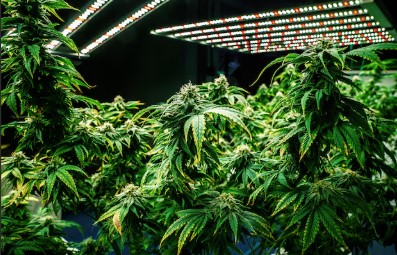
3. Light Requirements and Optimization
Indoor Cultivation:
- Lighting Spectrum:
- Vegetative Growth: Full-spectrum LED or Metal Halide (MH) lamps (400–650 nm range).
- Flowering: High-Pressure Sodium (HPS) lamps (600–700 nm) enhance bud production.
- Light Intensity: PPFD (Photosynthetic Photon Flux Density) of 600–900 µmol/m²/s is optimal.
- Light Cycle:
- Vegetative: 18/6 (18 hours of light, 6 hours of darkness).
- Flowering: 12/12 cycle to trigger bud formation.
Outdoor Cultivation:
- Sunlight Exposure: 8+ hours of direct sunlight ensures robust growth.
- Best Climate: Mediterranean-like climates with warm summers and mild winters are ideal.
4. Soil and Nutrient Management
Soil Preparation
- pH Range: 6.0–6.5 for optimal nutrient absorption.
- Soil Type: A mix of loamy soil with perlite and coco coir improves drainage and aeration.
- Microbial Enhancements: Mycorrhizal fungi and beneficial bacteria improve root health and nutrient uptake.
Nutrient Schedule
Macronutrients
- Nitrogen (N): Crucial during the vegetative stage for foliage growth.
- Phosphorus (P): Enhances root and bud development in flowering.
- Potassium (K): Improves disease resistance and terpene production.
Micronutrients
- Calcium & Magnesium: Prevents nutrient lockout and enhances cell wall strength.
- Silica: Increases stress resistance against pests and environmental fluctuations.
Feeding Schedule
| Growth Stage | N | P | K | Other Nutrients |
|---|---|---|---|---|
| Seedling | Low | Low | Low | Calcium, Magnesium |
| Vegetative | High | Medium | Medium | Silica, Micronutrients |
| Flowering | Low | High | High | Boost Phosphorus & Potassium |
5. Watering Techniques & Irrigation
- pH-Balanced Watering: Maintain a pH of 6.0–6.5 in soil or 5.5–6.0 in hydroponic setups.
- Hydroponic Systems: Nutrient Film Technique (NFT) or Deep Water Culture (DWC) enhances nutrient absorption and rapid growth.
- Drip Irrigation: Reduces water wastage and maintains consistent moisture levels.
6. Training Techniques for Yield Maximization
- Low-Stress Training (LST): Bending stems carefully to expose lower buds to light.
- High-Stress Training (HST): Topping and super-cropping promote lateral growth and increase canopy density.
- Screen of Green (ScrOG): Using a mesh net to spread branches evenly for light exposure.
7. Pest and Disease Prevention
Common Pests:
- Spider Mites: Controlled with neem oil and predatory mites (Phytoseiulus persimilis).
- Fungus Gnats: Avoid overwatering and use sticky traps.
- Aphids: Introduce ladybugs or insecticidal soap.
Disease Prevention:
- Powdery Mildew: Ensure adequate airflow and maintain humidity below 50%.
- Root Rot: Use well-aerated soil and avoid waterlogging.
- Botrytis (Bud Rot): Defoliate dense foliage to improve air circulation.
8. Harvesting and Post-Harvest Processing
Harvest Timing:
- Trichome Analysis: Harvest when trichomes turn from clear to milky white with some amber for peak potency.
- Pistil Observation: Around 70-80% of pistils should be orange-brown.
Curing Process:
- Drying: 60–65°F (15–18°C) with 50–55% RH for 7–14 days.
- Curing: Store buds in airtight glass jars, burping them daily for 2–4 weeks to enhance flavor and smoothness.
Conclusion
Critical Skunk is a versatile and well-rounded strain with a strong genetic lineage, making it a great option for both recreational and medical users. Its balanced effects, high potency, and therapeutic benefits have solidified its status as a popular cannabis strain. Whether used for pain relief, stress management, or social enjoyment, Critical Skunk offers a comprehensive range of effects that cater to a wide audience. As research on cannabinoids and terpenes advances, Critical Skunk’s medical potential may continue to expand, further enhancing its reputation in the cannabis community.
For a complete directory of cultivars, visit our Cannabis Strain Reviews.
