Table of Contents
Critical Sensi Star is an indica-dominant hybrid strain that has gained recognition among cannabis enthusiasts and medical patients alike. Known for its potent effects and robust terpene profile, Critical Sensi Star is a cross between Critical Mass and Sensi Star, two highly regarded cultivars. The combination results in a plant with high THC levels, deep relaxation properties, and a distinctive citrus-pine aroma.
This document provides an extensive analysis of Critical Sensi Star, covering its genetics, cannabinoid and terpene profile, effects, medical benefits, cultivation characteristics, and scientific insights into its chemical composition and potential applications.
Genetics and Background
Critical Sensi Star is a hybrid strain that leans heavily toward the indica spectrum, usually 80% indica and 20% sativa. Critical Sensi Star was bred by Delicious Seeds, combining the heavy-yielding Critical Mass with the powerful and resinous Sensi Star.
- Parent Strains:
- Critical Mass (Afghani x Skunk #1) – Known for its high yield and moderate THC content.
- Sensi Star (Unknown Afghani lineage) – Renowned for its high THC levels and couch-locking effects.
This genetic mix results in a plant that delivers the best of both worlds: the high yield of Critical Mass and the potency of Sensi Star.
Cannabinoid Profile
Critical Sensi Star is recognized for its high THC content, which ranges between 18-24%. Some phenotypes may even test higher, reaching 26% THC under optimal growing conditions. CBD levels are relatively low, usually around 0.2-1%, making Critical Sensi Star that leans heavily toward psychoactive effects.
- THC: 18-26%
- CBD: 0.2-1%
- CBG: 0.5-1%
- Other cannabinoids: Trace amounts of CBN, CBC, and THCV
The high THC concentration makes it a powerful option for pain relief, relaxation, and sedation, while the minimal CBD presence means it is less effective for conditions requiring balanced THC:CBD ratios.
Terpene Profile
Terpenes are essential to cannabis strains’ flavor, aroma, and effects. Critical Sensi Star features a terpene profile rich in:
- Myrcene (0.6-1.2%) – Contributes to Critical Sensi Star’s sedative effects and earthy aroma.
- Limonene (0.5-0.9%) – Provides a citrusy fragrance and potential mood-enhancing properties.
- Caryophyllene (0.3-0.7%) – Offers peppery notes and anti-inflammatory effects.
- Pinene (0.1-0.3%) – Adds a pine-like aroma and may aid in bronchodilation and cognitive clarity.
- Linalool (0.2-0.5%) – Provides floral notes and enhances relaxation and anti-anxiety effects.
This combination creates a unique flavor profile with citrus, pine, and earthy notes, along with a subtle spicy undertone.
Effects and Recreational Uses
Due to its indica dominance, Critical Sensi Star is known for its deeply relaxing and sedative effects, making it ideal for evening use. Users often report a powerful body high accompanied by mental tranquility. The onset of effects is fast-acting, usually within 10-15 minutes after inhalation or ingestion.

Primary Effects:
- Euphoria: Provides an initial cerebral uplift, improving mood and stress relief.
- Relaxation: Strong body sedation, making Critical Sensi Star an excellent strain for relaxation.
- Sleepiness: Higher doses often lead to drowsiness and deep sleep.
- Pain Relief: The high THC content contributes to its potent analgesic properties.
- Appetite Stimulation: May trigger hunger, often referred to as the “munchies.”
Recreational Applications:
- Evening and Nighttime Use: Its sedative effects make it unsuitable for daytime productivity but ideal for unwinding after work.
- Movie and Music Enjoyment: Critical Sensi Star enhances sensory perception, making music and films more immersive.
- Social Relaxation: Works well for small gatherings where relaxation is the goal.
- Creative Inspiration: Some users experience brief spurts of creativity before the full sedative effects take over.
Medical Applications
Critical Sensi Star has numerous medical applications, particularly for conditions requiring high THC levels and strong relaxation.
Medical Benefits:
- Chronic Pain Relief:
- Effective against conditions such as arthritis, fibromyalgia, multiple sclerosis, and migraines.
- Works by reducing inflammation and altering pain perception.
- Insomnia Treatment:
- Its sedative effects make it one of the best strains for insomnia and sleep disorders.
- Anxiety and Stress Reduction:
- Limonene and linalool contribute to its anti-anxiety properties, helping individuals with GAD (Generalized Anxiety Disorder) and PTSD.
- Appetite Stimulation:
- Useful for patients suffering from cachexia, cancer treatment side effects, and eating disorders.
- Muscle Relaxation and Spasms:
- Beneficial for Parkinson’s disease, multiple sclerosis, and spinal cord injuries.
Cultivation Information
Cultivating Critical Sensi Star successfully requires a scientific approach to optimize yield, potency, and plant health. Below are detailed methods and best practices based on agronomic and horticultural principles:
1. Environmental Conditions and Climate
Critical Sensi Star thrives in a controlled indoor environment but can also be grown outdoors under the right conditions.
Indoor Cultivation Parameters:
- Temperature: 21-27°C (70-80°F) during the day, 16-21°C (60-70°F) at night.
- Humidity Levels:
- Vegetative stage: 50-70% RH (Relative Humidity)
- Flowering stage: RH of 40–50% to avoid mold
- Light Cycle:
- Vegetative Phase: 18/6 (18 hours light, 6 hours dark)
- Flowering Phase: 12/12 (12 hours light, 12 hours dark)
- Lighting: High-intensity LED or HPS lamps with at least 600W per square meter.
- Ventilation: Oscillating fans and an exhaust system to maintain CO₂ exchange and prevent stagnant air.
Outdoor Cultivation Considerations:
- Climate: Best suited for Mediterranean, warm-temperate, and subtropical climates.
- Harvest Period: Late September to early October in the Northern Hemisphere.
- Soil pH: 6.0 – 6.5, with good aeration and drainage.
- Sunlight Exposure: 6+ hours of direct sunlight per day.
2. Growth Stages and Optimal Nutrient Regimen
The nutrient profile for Critical Sensi Star changes through its life cycle. Understanding the plant’s metabolic needs enhances yield and cannabinoid production.
A. Seed Germination (Week 1)
- Germination Method:
- Paper towel method with a pH-balanced (6.0-6.5) water soak.
- Maintain temperature 21-26°C (70-78°F).
- Lighting: Low-intensity CFL or LED lights for 18-24 hours daily.
- Nutrients: None needed; only RO (reverse osmosis) or distilled water.
B. Vegetative Growth (Weeks 2-6)
- Light Intensity: LED or MH lights with PPFD (Photosynthetic Photon Flux Density) ~400-600 µmol/m²/s.
- Nutrients:
- High Nitrogen (N) for leaf and stem growth.
- N-P-K ratio: 3-1-2 (e.g., 3% nitrogen, 1% phosphorus, 2% potassium).
- Supplementary micronutrients: Calcium (Ca), Magnesium (Mg), Iron (Fe).
- pH and EC (Electrical Conductivity): Maintain soil pH at 6.0-6.5, hydroponic pH at 5.5-6.0.
- CO₂ Enhancement: 400-800 ppm CO₂ levels can increase photosynthesis efficiency.
C. Pre-Flowering Stage (Weeks 7-9)
- Light Adjustment: Gradual shift from 18/6 to 12/12 light cycle to trigger flowering.
- Training Techniques: Low-Stress Training (LST), Supercropping, or Topping to encourage multiple colas.
- Nutrient Shift:
- Reduce nitrogen slightly.
- Increase phosphorus (P) and potassium (K) for bud formation.
- N-P-K ratio: 2-2-3.
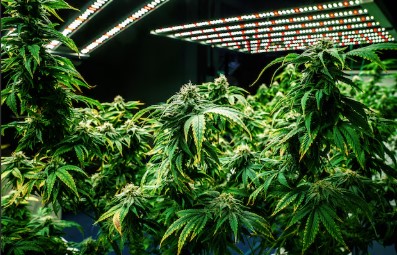
D. Flowering Stage (Weeks 10-14)
- Light Intensity: PPFD ~800-1000 µmol/m²/s with red spectrum enhancement.
- Temperature & Humidity:
- Lower temperature to 20-24°C (68-75°F) to preserve terpenes.
- Humidity should be reduced to 40-50% to prevent bud rot.
- Nutrients:
- Further reduction in nitrogen (N).
- High phosphorus (P) and potassium (K) for resin production.
- N-P-K ratio: 1-3-4 (for maximum cannabinoid synthesis).
- Flushing: Stop feeding nutrients 10-14 days before harvest and flush with pH-balanced water to improve flavor.
3. Advanced Cultivation Techniques
To maximize yield and THC content, growers often use scientific methods such as hydroponics, aeroponics, and training techniques.
A. Hydroponic and Soilless Methods
- Deep Water Culture (DWC):
- Allows rapid nutrient uptake and oxygenation for faster growth.
- Requires precise monitoring of EC and pH levels.
- Risks: Root rot if oxygenation is inadequate.
- Coco Coir Medium:
- Enhances aeration and drainage.
- Requires additional calcium and magnesium supplementation.
- Aeroponics:
- Nutrient mist and airborne suspension characterize roots.
- Provides maximum oxygenation, leading to faster cannabinoid biosynthesis.
B. Training Techniques for Higher Yields
- Screen of Green (SCROG):
- Uses a net to spread out the canopy evenly.
- Increases light penetration for maximum bud sites.
- Topping & FIMing:
- Encourages multiple cola formation, leading to higher yields.
- Defoliation:
- Strategic removal of lower leaves improves airflow and light penetration.
- Helps prevent mold and pests.
4. Post-Harvest Processing
Proper curing and drying are essential for maximizing potency, flavor, and smoothness.
A. Drying Process
- Ideal Temperature: 18-22°C (65-72°F).
- Humidity: 50-60% RH to prevent excessive terpene loss.
- Air Circulation: Ensure gentle airflow using oscillating fans.
B. Curing Process
- Store buds in airtight glass jars at 55-62% RH.
- Burp the jars once a day for the first two weeks.
- Cure for a minimum of 4 weeks for optimal potency.
5. Scientific Research on Growth Optimization
Several studies and ongoing research efforts focus on enhancing cannabis growth efficiency and potency. Some key areas include:
- UV-B Light Exposure:
- Studies suggest UV-B exposure increases THC production by up to 30%.
- Controlled UV-B light supplementation in the flowering stage can boost cannabinoid content.
- CO₂ Enrichment Studies:
- Increasing CO₂ concentration to 800-1200 ppm enhances photosynthesis and yield by up to 20%.
- Microbial Inoculants (Mycorrhizae & Beneficial Bacteria):
- Promotes root health and enhances nutrient uptake.
- Reduces the need for synthetic fertilizers.
Methods of Ingestion, Onset, and Duration
Understanding the ingestion methods, onset time, duration of effects, and bioavailability of Critical Sensi Star is crucial for optimizing its therapeutic and recreational use. Below is a scientific breakdown of these aspects.
1. Methods of Ingestion
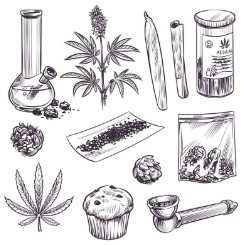
Critical Sensi Star can be consumed in multiple ways, each affecting the bioavailability, onset time, and duration of effects. The method of ingestion influences how cannabinoids (THC, CBD, CBG) and terpenes are absorbed and metabolized in the body.
A. Inhalation Methods (Smoking, Vaping, Dabbing)
Bioavailability: 20-56% (high efficiency)
Onset: 1-5 minutes
Peak Effects: 30-60 minutes
Duration: 2-4 hours
i. Smoking (Joints, Pipes, Bongs)
- Mechanism: Cannabinoids are combusted and inhaled into the lungs, where they pass directly into the bloodstream via alveoli.
- Pros: Fast onset, high bioavailability, full-spectrum terpene experience.
- Cons: Combustion byproducts (tar, CO, carcinogens) may irritate the respiratory system.
ii. Vaporization (Dry Herb Vaporizers, Oil Pens)
- Mechanism: Heats cannabis at lower temperatures (~180-220°C) to release cannabinoids and terpenes as vapor, avoiding combustion.
- Pros: Higher bioavailability, preserves terpenes, fewer harmful byproducts.
- Cons: Requires specialized equipment, effects may feel milder than smoking.
iii. Dabbing (Concentrates, Rosin, Wax, Shatter)
- Mechanism: Involves vaporizing highly concentrated cannabis extracts (~70-90% THC) on a heated surface and inhaling the vapor.
- Pros: Extremely potent, rapid onset, highly efficient.
- Cons: Can cause tolerance build-up and overwhelming effects, not suitable for beginners.
B. Oral Consumption (Edibles, Tinctures, Capsules)
Bioavailability: 4-20% (low efficiency but long duration)
Onset: 30-90 minutes
Peak Effects: 2-4 hours
Duration: 6-12 hours
i. Edibles (Gummies, Baked Goods, Beverages)
- Mechanism: THC is metabolized in the liver into 11-Hydroxy-THC, which is more potent and longer-lasting than Delta-9-THC.
- Pros: Extended effects, intense body high, no lung irritation.
- Cons: Slow onset, difficult to dose, potential for overconsumption.
ii. Sublingual (Tinctures, Oils, Sprays)
- Mechanism: Cannabinoids are absorbed directly through mucous membranes under the tongue, bypassing the liver.
- Pros: Faster onset than edibles (~15-45 min), easier to dose.
- Cons: Shorter duration than edibles, some find taste unpleasant.
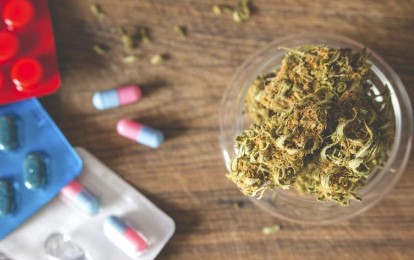
iii. Capsules & Pills
- Mechanism: Similar to edibles, but with precisely measured dosages for consistent effects.
- Pros: Discreet, easy dosing, long-lasting effects.
- Cons: Slow onset, low bioavailability unless combined with fats.
C. Topical & Transdermal Applications
Bioavailability: Low (localized relief, unless transdermal patch)
Onset: Varies (5-20 min for topicals, 1-2 hours for transdermal)
Duration: 2-12 hours
i. Topicals (Creams, Balms, Lotions)
- Mechanism: Cannabinoids interact with CB1 and CB2 receptors in the skin without entering the bloodstream.
- Pros: Ideal for localized pain relief, inflammation, and skin conditions.
- Cons: No psychoactive effects, short-lived effects unless transdermal.
ii. Transdermal Patches
- Mechanism: Delivers cannabinoids systemically through the skin into the bloodstream.
- Pros: Long-lasting, steady absorption, avoids first-pass metabolism.
- Cons: Expensive, limited availability.
2. Onset and Duration of Effects
The method of ingestion directly impacts how quickly the effects of Critical Sensi Star are felt and how long they last.
| Method | Onset Time | Peak Effects | Total Duration | Bioavailability |
|---|---|---|---|---|
| Smoking (Joint, Pipe, Bong) | 1-5 min | 30-60 min | 2-4 hrs | 20-45% |
| Vaping (Dry Herb, Oil Pens) | 1-5 min | 30-60 min | 2-4 hrs | 30-56% |
| Dabbing (Concentrates) | 1-3 min | 15-45 min | 2-3 hrs | 50-75% |
| Edibles (Gummies, Brownies) | 30-90 min | 2-4 hrs | 6-12 hrs | 4-20% |
| Tinctures (Sublingual) | 15-45 min | 1-3 hrs | 4-6 hrs | 20-40% |
| Capsules/Pills | 30-90 min | 2-4 hrs | 6-12 hrs | 4-20% |
| Topicals (Creams, Balms) | 5-20 min | 30-90 min | 2-4 hrs | Low |
| Transdermal Patch | 1-2 hrs | 3-6 hrs | 8-12 hrs | High |
3. Pharmacokinetics of THC in Critical Sensi Star
The pharmacokinetics of THC (how it is absorbed, distributed, metabolized, and excreted) varies with ingestion method:
- Inhalation:
- Absorption through the alveoli in the lungs → Direct entry into bloodstream → Fast onset (~1-5 min)
- Peak plasma THC levels within 10-30 min
- Elimination half-life: ~1-2 hours
- Oral (Edibles, Capsules):
- THC is first metabolized in the liver into 11-Hydroxy-THC, which is more psychoactive
- Slower onset (~30-90 min), but stronger and longer-lasting effects
- Peak plasma levels at ~2-4 hours
- Elimination half-life: ~3-12 hours
- Topical:
- THC binds to CB2 receptors in the skin without systemic absorption.
- Transdermal THC enters bloodstream slowly for prolonged effects.
Scientific Insights and Future Research
The high THC content and unique terpene profile of Critical Sensi Star make it a subject of interest for scientific research in areas such as:
- Pain Management Studies: Examining the strain’s impact on chronic pain conditions and opioid reduction strategies.
- Neurological Disorders: Exploring potential benefits for neuroprotection and neuroplasticity enhancement.
- Mental Health Treatment: Investigating its efficacy in treating PTSD, anxiety, and depression.
- Cancer Research: Research into anti-tumoral effects of THC and caryophyllene.
Potential Risks and Side Effects:
While beneficial, Critical Sensi Star has some potential drawbacks:
- Dry Mouth & Eyes: Common in THC-rich strains.
- Dizziness or Anxiety: Can occur in users sensitive to high THC levels.
- Couch Lock: High doses may lead to excessive sedation.
Conclusion
Critical Sensi Star is a powerful indica-dominant hybrid known for its high THC content, strong relaxation effects, and medical applications. It is widely used for pain relief, insomnia, anxiety reduction, and appetite stimulation. While its recreational appeal lies in its sedative and euphoric properties, medical patients find relief from chronic pain, stress, and sleep disorders. The strain’s high yield and resilience make it a favorite among cultivators.
As cannabis research continues, Critical Sensi Star remains a promising candidate for scientific exploration in pain management, mental health, and neuroprotection.
