Table of Contents
Critical Kush is a hybrid strain with a slight indica dominance, created by crossing Critical Mass and OG Kush. This strain has gained immense popularity for its high THC content, ranging from 20% to 25%, and its rich terpene profile. It is favored by both recreational users seeking relaxation and medical patients needing symptom relief.
Origins and Genetic Lineage
- Critical Mass: Known for its substantial yields and balanced effects, Critical Mass contributes to Critical Kush’s robust growth characteristics and soothing properties.
- OG Kush: A legendary strain renowned for its potency and earthy, piney flavor, OG Kush imparts its calming and euphoric effects to Critical Kush.
The fusion of these parent strains results in a potent hybrid that embodies the best traits of both, offering a well-rounded experience.
Appearance, Aroma, and Flavor
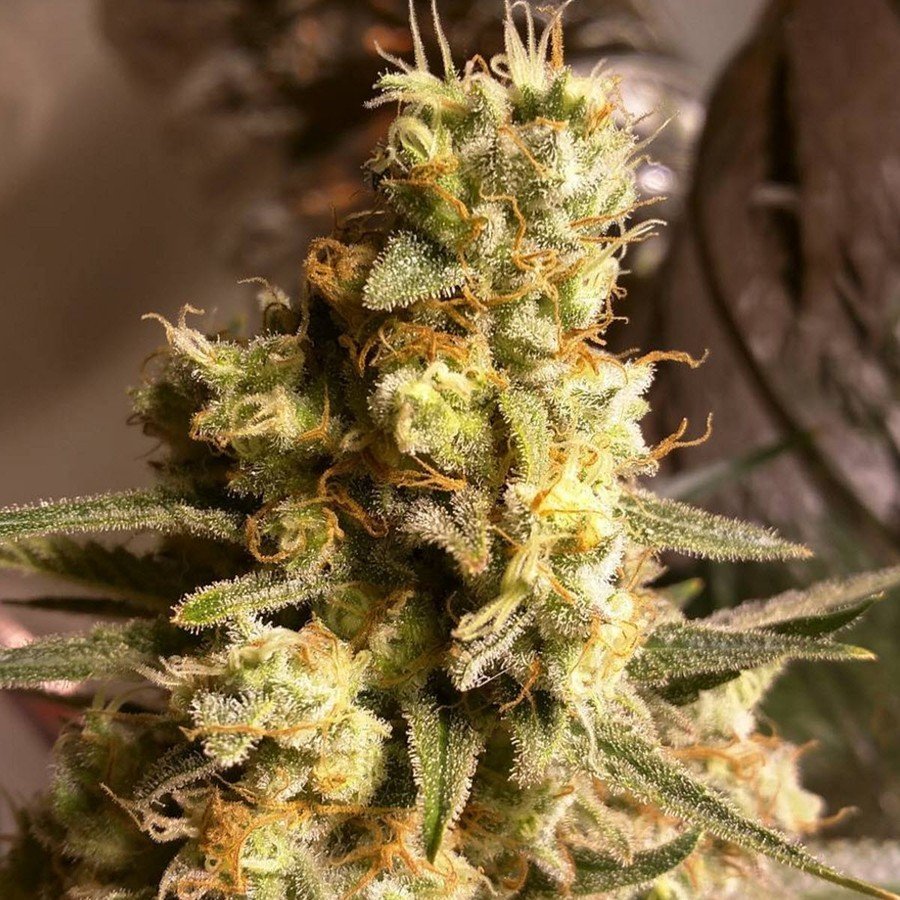
- Appearance: Critical Kush plants are characterized by dense, medium-sized buds with a striking forest green hue. Often, a thick layer of trichomes covers the buds, giving them a frosty appearance, and are interspersed with vibrant orange pistils.
- Aroma: The strain’s aroma is earthy and pungent with hints of pine and citrus, complemented by faint hints of sweetness and spice.
- Flavor: Users often describe the flavor as a blend of earthy richness with notes of herbal spiciness, lemon, and a slightly woody finish.
Cannabinoid Profile
- THC: 20%-25%, contributing to its potent psychoactive effects.
- CBD: Typically less than 1%, making it a THC-dominant strain.
- CBG: Often present in small amounts, around 0.5%-1%, contributing to potential anti-inflammatory effects.
Terpene Profile
The terpene profile of Critical Kush enhances its aroma, flavor, and effects. Key terpenes include:
- Myrcene: Dominant in Critical Kush, contributing to its earthy aroma and sedative effects.
- Limonene: Adds a citrusy note and potential stress-relief benefits.
- Caryophyllene: Has anti-inflammatory qualities and peppery, spicy notes.
- Pinene: Provides piney flavors and may enhance focus.
- Humulene: Adds an earthy, woody scent and potential appetite-suppressant properties.
Effects
Critical Kush’s effects are largely attributed to its indica dominance, offering deep relaxation and mental tranquility.
- Onset: Users report a gradual onset, starting with a cerebral uplift and euphoria.
- Body Effects: As the high progresses, it transitions to profound physical relaxation and sedation.
- Duration: The effects can last for several hours, making it suitable for evening use.
Medical Uses
Critical Kush is highly regarded in the medical cannabis community for its therapeutic benefits. Below are the specific conditions it is known to help with:
- Pain Management
- Effective for chronic pain, migraines, arthritis, and muscle spasms.
- The high THC content interacts with the endocannabinoid system to reduce pain perception.
- Stress and Anxiety
- Its calming effects make it suitable for reducing stress and symptoms of anxiety disorders.
- The myrcene and limonene terpenes may enhance these effects.
- Insomnia
- Renowned for its sedative qualities, which induce sleep.
- Ideal for individuals struggling with insomnia or irregular sleep patterns.
- Appetite Stimulation
- Can help patients with appetite loss due to medical treatments like chemotherapy.
- Inflammation
- The caryophyllene content provides anti-inflammatory effects, benefiting conditions like Crohn’s disease and fibromyalgia.
- Depression
- The uplifting cerebral effects may temporarily alleviate depressive symptoms.
Recreational Uses
For recreational users, Critical Kush offers a unique blend of relaxation and euphoria. Key uses include:

- Relaxation and Stress Relief
- Popular for unwinding after a long day, thanks to its deeply calming effects.
- Social Settings
- While predominantly relaxing, its initial euphoric buzz can make users more sociable and talkative.
- Creative Activities
- The slight mental stimulation can inspire creativity before transitioning into relaxation.
- Evening Use
- Ideal for evening or nighttime use due to its sedative effects, enhancing experiences like watching movies or listening to music.
Cultivation Overview
Critical Kush is well-suited for both indoor and outdoor growing environments. Its genetic lineage combines the robust structure of Critical Mass with the potency and resilience of OG Kush, making it a reliable option for growers of all experience levels.
Ideal Environmental Conditions
- Climate:
- Indoor: Preferred temperatures are 20–26°C (68–79°F) during the day and no lower than 18°C (64°F) at night.
- Outdoor: Thrives in Mediterranean climates with ample sunlight and low humidity.
- Humidity:
- Vegetative stage: 55–70% relative humidity (RH).
- Flowering stage: 40–50% RH to prevent mold and mildew.
- Light:
- Indoor setups require a full-spectrum light source, with an emphasis on blue light during vegetation and red light during flowering.
- Soil and Nutrients:
- Soil: A well-aerated, nutrient-rich organic soil is ideal. The ideal pH range for soil is 6.0 to 6.5.
- Nutrients:
- Nitrogen-rich nutrients during the vegetative stage.
- Phosphorus and potassium dominance during flowering to support bud development.
- Air Circulation:
- Strong airflow is essential to prevent stagnant air, which can lead to pest and mold issues.
- Use oscillating fans in indoor setups and ensure good spacing between plants for outdoor growth.
Growth Stages and Care
- Germination:
- Use high-quality Critical Kush seeds.
- Optimal temperature: 20–25°C (68–77°F).
- Germination medium: Damp paper towels, rock wool cubes, or a seed starter mix.
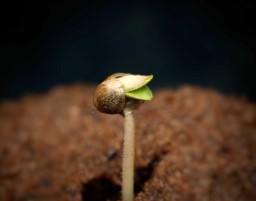
- Duration: Seeds typically sprout within 2–7 days.
- Seedling Stage (First 2–3 weeks):
- Light Requirements: 18–24 hours of light daily (preferably 18/6 light cycle).
- Watering: Don’t let the soil get too wet.
- Nutrients: Minimal nutrient requirements; nitrogen is critical but in diluted concentrations.
- Vegetative Stage (4–8 weeks):
- Growth Characteristics: Rapid growth with thick stems and broad leaves.
- Training:
- Low-Stress Training (LST): Bends branches to optimize light exposure.
- Topping: Encourages lateral growth, increasing potential bud sites.
- Watering: Regular watering when the top inch of soil is dry.
- Nutrients:
- Nitrogen-heavy feed.
- Maintain soil pH at 6.0–6.5 for nutrient absorption.
- Flowering Stage (8–10 weeks):
- Light Cycle: 12/12 (12 hours of light and 12 hours of darkness).
- Bud Development:
- Dense buds covered in trichomes form during this stage.
- Proper airflow is critical to prevent mold on dense buds.
- Nutrients:
- Phosphorus and potassium are prioritized.
- Reduce nitrogen to encourage flower formation.
- Pruning:
- Remove excess leaves to enhance airflow and light penetration to lower branches.
- Pest Control:
- Use organic pest repellents or beneficial insects to mitigate infestations.
- Harvesting:
- Timing: When 70–90% of pistils change from white to amber and trichomes are mostly milky with some amber.
- Method: Hand-trim buds carefully to preserve trichomes.
Indoor Cultivation Techniques
- Hydroponics:
- Delivers nutrients directly to roots, allowing faster growth and higher yields.
- pH levels must be monitored strictly (5.5–6.5).
- Requires careful maintenance of nutrient reservoirs.
- Soilless Mediums:
- Coco coir or peat moss can be used for improved drainage and oxygenation.
- Regular feeding with a nutrient solution is essential, as soilless mediums lack natural nutrients.
- Lighting Systems:
- LED grow lights: Energy-efficient and produce less heat.
- High-Pressure Sodium (HPS) lights: Effective for flowering but produce significant heat.
- Training Methods:
- Screen of Green (ScrOG): Encourages horizontal growth using a screen to spread branches evenly.
- Sea of Green (SOG): Promotes fast turnover by growing many small plants with a single main cola.
Outdoor Cultivation Considerations
- Location:
- Choose a site with ample sunlight (at least 6 hours daily).
- Make sure the region is shielded from severe weather and wind.
- Soil Preparation:
- Enrich the soil with compost or organic amendments to enhance fertility.
- Conduct a soil test to determine nutrient and pH levels.
- Pest and Disease Management:
- Use natural deterrents like neem oil or diatomaceous earth.
- Keep a lookout for common pests such as spider mites, aphids, and caterpillars.
- Watering:
- To maintain constant moisture levels, use drip irrigation.
- Avoid overwatering to prevent root rot.
- Harvest Timing:
- Harvest outdoor plants in late September to early October, depending on the local climate and flowering duration.
Optimization Strategies
- Maximizing Yield:
- Use LST or ScrOG techniques to expose buds to more light.
- Maintain consistent temperature and humidity levels.
- Provide adequate nutrients tailored to each growth stage.
- Enhancing Potency:
- Focus on maintaining healthy trichome development.
- Avoid excessive stress during flowering to preserve cannabinoid and terpene profiles.
- Reducing Environmental Risks:
- Monitor humidity to prevent mold or mildew on dense Critical Kush buds.
- Ensure pest control measures are organic to avoid chemical contamination.
- Post-Harvest:
- Proper drying and curing are essential to preserve potency and flavor.
- Dry buds in a dark, ventilated space at 18–22°C (65–72°F) with 50–60% RH.
- Cure buds in airtight jars, burping daily for 1–2 weeks to enhance flavor and smoothness.
Critical Kush’s Growth Characteristics
- Compact Size: Plants remain medium-sized, making them ideal for indoor grows with space limitations.
- Flower Density: Produces dense, resinous buds with heavy trichome coverage.
- Resilience: High resistance to pests and diseases, particularly mold and mildew, due to its sturdy genetics.
Scientific Insights
Critical Kush’s effects and medical benefits are supported by its chemical composition and interaction with the body’s endocannabinoid system (ECS). Here’s a breakdown:
- Interaction with ECS
- THC binds to CB1 receptors in the brain, producing psychoactive effects and pain relief.
- Caryophyllene interacts with CB2 receptors, contributing to anti-inflammatory effects.
- Terpenes and the Entourage Effect
- The combination of terpenes and cannabinoids creates a synergistic effect, enhancing the strain’s therapeutic potential.
- Neuroprotective Properties
- Studies suggest that THC and CBD may offer neuroprotective benefits, potentially aiding conditions like Alzheimer’s or Parkinson’s disease.
- Mood Regulation
- Limonene and myrcene contribute to mood enhancement and stress relief by influencing serotonin and dopamine levels.
Methods of Ingestion and Their Dynamics
1. Smoking
- Process: Combustion of the cannabis flower releases cannabinoids and terpenes, which are inhaled into the lungs.
- Onset: 2–5 minutes.
- Duration: 1.5–3 hours.
- Bioavailability: Approximately 25–30% of cannabinoids are absorbed.
- Effects:
- Immediate euphoria and cerebral relaxation.
- Gradual transition into deep physical relaxation.
- Notes: While effective, smoking introduces byproducts of combustion (e.g., tar), which may irritate the respiratory system.
2. Vaporization
- Process: Cannabis is heated below the combustion point (typically 160–230°C), releasing cannabinoids and terpenes without harmful byproducts.
- Onset: 2–5 minutes.
- Duration: 1.5–3 hours.
- Bioavailability: Higher than smoking, estimated at 40–50%.
- Effects:
- Similar to smoking but often smoother due to reduced throat irritation.
- Full terpene profile is preserved, enhancing flavor and potential therapeutic effects.
- Notes: Preferred for those seeking a cleaner, more efficient method of consumption.
3. Edibles
- Process: Cannabinoids are infused into foods or beverages and metabolized in the liver after ingestion.
- Onset: 30 minutes to 2 hours (dependent on metabolism and food intake).
- Duration: 6–8 hours, with some effects lasting up to 12 hours in sensitive users.
- Bioavailability: Approximately 4–20%, as cannabinoids are partially degraded in the digestive tract and liver.
- Effects:
- Stronger and more prolonged body effects due to the conversion of THC to 11-Hydroxy-THC in the liver, which is more potent and long-lasting.
- Potential for more sedative effects and a “couch-lock” sensation.
- Notes: Ideal for those seeking sustained relief or a discreet consumption method. Dosing is critical due to delayed onset.
4. Tinctures
- Process: Cannabis extracts dissolved in alcohol or oil, administered sublingually or added to foods/beverages.
- Onset: 15–30 minutes (sublingual); up to 2 hours (ingested).
- Duration: 4–6 hours.
- Bioavailability: Moderate (15–25%) for sublingual use, lower when ingested.
- Effects:
- Balanced cerebral and physical effects.
- Reliable and precise dosing makes it ideal for therapeutic use.
- Notes: Particularly suitable for medical users seeking discreet and controlled dosing.
5. Topicals
- Process: Cannabis-infused creams, balms, or oils applied directly to the skin.
- Onset: Within minutes for localized effects.
- Duration: 2–6 hours, depending on the formulation.
- Bioavailability: Cannabinoids do not enter the bloodstream but act locally on CB2 receptors in the skin.
- Effects:
- Localized alleviation of skin disorders, pain, and inflammation.
- Non-psychoactive.
- Notes: Effective for targeted therapy without systemic effects.
Factors Influencing Onset, Duration, and Effects
- Metabolism: Individuals with faster metabolisms experience quicker onset but potentially shorter durations.
- Tolerance: Frequent cannabis users may experience reduced effects and shorter durations.
- Consumption Context:
- Empty stomach: Faster onset but shorter duration for edibles.
- Full stomach: Slower onset but prolonged effects.
- Strain-Specific Properties:
- The high THC content in Critical Kush ensures potent psychoactive effects.
- Terpenes like myrcene and caryophyllene contribute to the strain relaxing, sedative effects.
- Method-Specific Factors:
- Smoking and vaping prioritize rapid relief, suitable for acute symptoms like pain or anxiety.
- Edibles and tinctures are better for sustained effects and chronic conditions.
Duration and Intensity Comparison Table
| Method | Onset Time | Peak Effects | Total Duration | Intensity (Relative to Dose) |
|---|---|---|---|---|
| Smoking | 2–5 minutes | 30–90 minutes | 1.5–3 hours | Medium to High |
| Vaporization | 2–5 minutes | 30–90 minutes | 1.5–3 hours | Medium to High |
| Edibles | 30 min–2 hours | 2–4 hours | 6–8 hours | High to Very High |
| Tinctures | 15–30 minutes | 1–2 hours | 4–6 hours | Medium to High |
| Topicals | 5–15 minutes (local) | N/A | 2–6 hours (local) | None (localized effects) |
Key Scientific Insights on Effects
- Rapid Delivery via Lungs:
- Smoking and vaporizing deliver cannabinoids directly into the bloodstream via the alveoli in the lungs. This results in rapid absorption and onset.
- THC activation of CB1 receptors in the brain causes the immediate euphoric and relaxing effects.
- Metabolism of Edibles:
- The liver converts delta-9 THC into 11-Hydroxy-THC, a more potent compound that crosses the blood-brain barrier more efficiently.
- This metabolic process explains the stronger, prolonged effects of edibles.
- Localized Effects of Topicals:
- Cannabinoids bind to CB2 receptors in the skin, reducing inflammation and pain without systemic absorption.
- This makes topicals ideal for individuals seeking relief without psychoactivity.
- Role of Terpenes in Modulating Effects:
- Myrcene: Enhances sedative effects by reducing resistance in the blood-brain barrier, allowing THC to enter more easily.
- Limonene: Reduces stress and may enhance mood through serotonin and dopamine pathways.
- Caryophyllene: Binds to CB2 receptors, providing anti-inflammatory benefits.
Combining Methods for Optimal Results
- Smoking or Vaping + Topicals: Combines fast-acting relief with localized therapeutic effects for conditions like arthritis or muscle pain.
- Edibles + Tinctures: Balances immediate effects (tinctures) with sustained relief (edibles) for chronic conditions.
Potential Side Effects
While Critical Kush is well-tolerated, it may cause some side effects, particularly in higher doses:
- Dry Mouth and Eyes: Typical of the majority of cannabis strains.
- Dizziness: May occur, especially for new users or those with low tolerance.
- Paranoia or Anxiety: Rare, but possible in individuals sensitive to THC.
Conclusion
Critical Kush is a versatile strain that excels in both recreational and medical applications. Its potent effects, rich terpene profile, and ease of cultivation make it a favorite among users and growers alike. Whether you’re seeking relaxation, symptom relief, or a flavorful experience, Critical Kush delivers on all fronts.
By understanding its unique properties and applications, users can make informed decisions to optimize their cannabis experience. As research into cannabis continues to evolve, Critical Kush remains a prime example of how strains can be tailored to meet diverse needs, blending science, cultivation, and personal enjoyment.
For a complete directory of cultivars, visit our Cannabis Strain Reviews.
