Table of Contents
Critical Jack is a highly sought-after cannabis strain that blends the best traits of its parent strains, Critical+ and Jack Herer. Known for its balanced effects and robust terpene profile, Critical Jack is celebrated among cannabis enthusiasts for its versatility and potency. This sativa-dominant hybrid (typically around 60% sativa and 40% indica) offers an energizing and uplifting experience, making it a popular choice for both medical and recreational users.
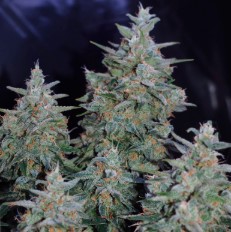
The strain originated from the breeders at Dinafem Seeds, who aimed to combine the prolific yields and resilience of Critical+ with the cerebral stimulation and creative boost of Jack Herer. This genetic pairing resulted in a strain that boasts high THC levels (ranging from 18% to 21%) and a diverse range of terpenes, contributing to its unique effects and flavors.
Genetic Lineage and Composition
Critical Jack is the result of a careful crossbreeding process:
- Critical+: Known for its high yields, rapid flowering time, and indica-heavy relaxation effects.
- Jack Herer: A legendary strain celebrated for its cerebral and euphoric properties, as well as its medicinal potential.
Together, these parent strains create a hybrid with a complex cannabinoid and terpene profile. While THC is the dominant cannabinoid, Critical Jack also contains moderate levels of CBD (typically around 0.5%-1%), which contributes to its therapeutic properties.
Terpene Profile
The unique effects and aroma of Critical Jack stem from its rich terpene composition. This strain contains the following main terpenes:
- Myrcene: Provides earthy and musky undertones, contributing to the strain’s relaxing effects.
- Pinene: Adds a fresh pine aroma and enhances mental clarity and focus.
- Limonene: Responsible for the citrusy notes and contributes to the uplifting and mood-enhancing effects.
- Caryophyllene: Offers spicy, peppery notes and is known for its anti-inflammatory properties.
- Terpinolene: A less common terpene that adds floral and herbal complexity, contributing to the strain’s energizing properties.
Appearance, Aroma, and Flavor
- Appearance: Critical Jack buds are dense and elongated, with a vibrant green hue accented by orange pistils and a thick layer of icy trichomes. These trichomes indicate the strain’s potency and terpene richness.
- Aroma: The strain emits a delightful blend of sweet citrus, pine, and floral notes, with subtle hints of earthiness and spice.
- Flavor: Upon inhalation, users experience a smooth, citrus-forward taste with undertones of pine and herbs. The exhale often leaves a sweet and slightly peppery aftertaste.
Recreational Uses
Critical Jack is highly regarded in the recreational cannabis community for its balanced and versatile effects. Key uses include:
- Creative Enhancement:
- The strain’s sativa dominance and terpene profile make it an excellent choice for artistic endeavors, brainstorming sessions, or problem-solving activities. Increased creativity and mental clarity are reported by users.
- Social Interactions:
- Critical Jack’s uplifting and euphoric effects make it ideal for social gatherings. It helps reduce social anxiety and encourages lively conversations.
- Energy Boost:
- Unlike heavy indicas that can induce sedation, Critical Jack provides an energizing boost, making it suitable for daytime use. It’s a popular choice for outdoor activities like hiking or attending festivals.
- Stress Relief:
- Recreational users often turn to Critical Jack to unwind without feeling lethargic. Its balanced effects provide relaxation while maintaining focus and motivation.
Medical Applications
Critical Jack’s cannabinoid and terpene profile offer a range of therapeutic benefits. It is used to manage various physical and mental health conditions, including:

- Chronic Pain:
- The strain’s moderate CBD levels and anti-inflammatory terpenes like caryophyllene make it effective for managing pain from ailments like fibromyalgia, migraines, and arthritis.
- Depression and Anxiety:
- The uplifting effects of limonene and the strain’s overall mood-enhancing properties help alleviate symptoms of depression and anxiety. It provides a sense of calm without excessive sedation.
- Fatigue:
- With its energizing properties, Critical Jack can combat fatigue and promote alertness, making it an excellent choice for individuals with chronic fatigue syndrome or other energy-draining conditions.
- Appetite Stimulation:
- Myrcene’s presence can enhance appetite, benefiting individuals undergoing treatments like chemotherapy or those with eating disorders.
- Focus and ADHD:
- Pinene’s ability to improve focus and mental clarity makes Critical Jack a potential aid for individuals with attention deficit disorders.
- PTSD and Stress Management:
- The strain’s euphoric and calming effects can help individuals manage symptoms of PTSD, such as hypervigilance and emotional dysregulation.
Scientific Insights
Cannabinoids
Critical Jack’s high THC levels are complemented by smaller amounts of CBD, resulting in a well-rounded effect. Research suggests that:
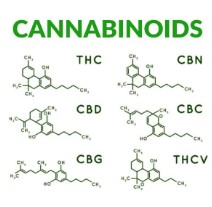
- THC: Provides the primary psychoactive effects, including euphoria, pain relief, and appetite stimulation.
- CBD: Modulates THC’s psychoactive properties, reducing potential side effects like anxiety or paranoia while adding anti-inflammatory and neuroprotective benefits.
Terpenes and the Entourage Effect
The entourage effect occurs when cannabinoids and terpenes work synergistically to enhance therapeutic outcomes. Critical Jack’s diverse terpene profile contributes to its versatility:
- Myrcene: Enhances the absorption of cannabinoids, potentially amplifying their effects.
- Pinene: Counteracts THC-induced short-term memory loss while promoting focus.
- Caryophyllene: Binds directly to CB2 receptors, providing anti-inflammatory and analgesic benefits.
- Limonene and Terpinolene: Enhance mood and provide stress relief.
Pharmacology
- The interaction between THC and the body’s endocannabinoid system (ECS) underpins Critical Jack’s effects. THC activates CB1 receptors in the brain, influencing mood, memory, and perception.
- CBD’s interaction with CB2 receptors modulates immune responses and inflammation.
- Terpenes further influence neurotransmitter activity, contributing to the strain’s energizing or relaxing effects depending on the user’s biochemistry.
Scientific Principles of Critical Jack Cultivation
1. Optimal Growth Conditions
- Light Requirements:
- Critical Jack, as a sativa-dominant strain, thrives under intense light. Full-spectrum lighting (mimicking natural sunlight) is ideal for indoor growth.
- During the vegetative phase, provide 18-20 hours of light per day.
- During the flowering phase, reduce light to 12 hours per day to induce bud production.
- Temperature Range:
- Ideal daytime temperature: 20-27°C (68-80°F).
- Nighttime temperature: 15-21°C (59-70°F).
- Temperature control prevents heat stress, which can reduce trichome production and cannabinoid potency.
- Humidity Levels:
- Vegetative phase: 50-70% relative humidity (RH).
- Flowering phase: Gradually reduce RH to 40-50% to prevent mold and mildew during bud development.
2. Soil and Nutrient Composition
- Soil Choice:
- Use well-aerated soil rich in organic matter, such as a mix of loam, perlite, and compost.
- pH level: Maintain a slightly acidic soil pH of 6.0-6.5 for optimal nutrient uptake.
- Nutrient Regimen:
- Nitrogen (N): Required in higher amounts during the vegetative phase to support robust leaf and stem growth.
- Phosphorus (P): Crucial for root development and bud formation, especially during the flowering phase.
- Potassium (K): Enhances overall plant vigor and resistance to stress.
- Micronutrients: Calcium, magnesium, and sulfur are essential for enzyme activation and chlorophyll production.
- Use nutrient blends specifically formulated for cannabis or customize a feeding schedule based on growth stage.
3. Watering Techniques
- Water Quality:
- Use filtered or distilled water with low mineral content to avoid salt buildup in the soil.
- pH of irrigation water: 6.0-6.5.
- Irrigation Frequency:
- Water only when the top inch of soil is dry to prevent overwatering and root rot.
- Implement a wet-dry cycle to encourage root expansion and nutrient uptake.
- Drainage:
- Ensure proper drainage to avoid waterlogged soil, which can suffocate roots and promote fungal diseases.
Advanced Cultivation Techniques
1. Hydroponics
- Method: Growing Critical Jack in a soilless medium with nutrient-enriched water.
- Advantages:
- Faster growth rates due to direct nutrient absorption.
- Precise control over nutrient levels and pH.
- Reduced risk of soil-borne pests and diseases.
- Popular Systems:
- Deep Water Culture (DWC): Roots are submerged in oxygenated nutrient solutions.
- Drip Irrigation: Delivers nutrients directly to the root zone for efficient uptake.
2. Screen of Green (ScrOG)
- Technique:
- Train the plant’s branches to grow horizontally along a screen.
- This maximizes light exposure to all bud sites, increasing yield.
- Application:
- Ideal for indoor cultivation where vertical space is limited.
- Encourages even canopy development, reducing the risk of overshadowed buds.
3. Low-Stress Training (LST)
- Method:
- Bend and secure the plant’s branches using soft ties to manipulate growth direction without causing damage.
- Benefits:
- Increases light penetration and airflow to lower bud sites.
- Enhances yield by promoting multiple main colas rather than a single dominant one.
4. Defoliation and Pruning
- Defoliation:
- Remove excess fan leaves that block light from reaching lower bud sites.
- Perform strategically to avoid stressing the plant.
- Pruning:
- Trim weak or underdeveloped branches to direct energy toward more productive areas.
Pest and Disease Management
- Integrated Pest Management (IPM):
- Introduce beneficial insects like ladybugs and predatory mites to control pests such as spider mites and aphids.
- Use organic sprays like neem oil as a preventive measure.
- Common Pests:
- Fungus gnats, spider mites, and whiteflies.
- Fungal Issues:
- Botrytis (bud rot) and powdery mildew are common threats during the flowering stage.
- Maintain proper airflow and reduce humidity to mitigate risks.
Environmental Controls
- Ventilation:
- Use oscillating fans and exhaust systems to maintain air circulation and CO2 levels.
- CO2 Enrichment:
- Increasing CO2 concentration to 1000-1500 ppm can significantly boost growth and yield, especially in sealed grow rooms.
- Air Filtration:
- Carbon filters help control the strong odor of Critical Jack during flowering.
Harvesting and Post-Harvest Techniques
- Harvest Timing:
- Observe trichome coloration using a magnifying glass or microscope:
- Clear trichomes: Premature.
- Cloudy trichomes: Peak THC potency.
- Amber trichomes: Higher CBD content and more sedative effects.
- Observe trichome coloration using a magnifying glass or microscope:
- Drying:
- Hang harvested buds upside down in a dark, well-ventilated room with a temperature of 15-20°C (60-70°F) and 45-55% RH.
- Curing:
- Store dried buds in airtight glass jars, opening them daily to release moisture and preserve terpenes.
- Cure for 2-6 weeks for optimal flavor, aroma, and potency.
Methods of Ingestion
1. Smoking
- Description: Inhalation of smoke from combusted cannabis flower.
- Onset: 1-3 minutes.
- Duration: 1-3 hours.
- Mechanism:
- Combustion releases cannabinoids, terpenes, and flavonoids into smoke, which are absorbed into the bloodstream via the alveoli in the lungs.
- THC reaches the brain rapidly, binding to CB1 receptors in the endocannabinoid system (ECS).
- Effects:
- Rapid onset of euphoria and energizing effects.
- High bioavailability (15-30%), though some cannabinoids are lost during combustion.
2. Vaporization
- Description: Heating cannabis flower or concentrates to a temperature that vaporizes cannabinoids without combustion.
- Onset: 1-3 minutes.
- Duration: 2-3 hours.
- Mechanism:
- Vaporization preserves more cannabinoids and terpenes compared to smoking, resulting in a smoother, cleaner inhalation.
- Effects:
- Similar to smoking but with enhanced terpene profiles and reduced harshness on the lungs.
- Bioavailability ranges from 30-50%, depending on the vaporizer’s efficiency.
3. Edibles
- Description: Ingesting cannabis-infused foods or beverages.
- Onset: 30-90 minutes.
- Duration: 4-8 hours.
- Mechanism:
- THC is metabolized in the liver into 11-hydroxy-THC, a potent metabolite with stronger and longer-lasting effects.
- Effects:
- Delayed onset but more intense and sedative.
- Suited for prolonged symptom relief, such as chronic pain or anxiety.
4. Sublingual (Tinctures or Sprays)
- Description: Applying cannabis extracts under the tongue.
- Onset: 15-30 minutes.
- Duration: 2-4 hours.
- Mechanism:
- Cannabinoids are absorbed directly into the bloodstream through sublingual capillaries, bypassing the digestive system.
- Effects:
- Faster onset than edibles but less intense.
- Allows precise dosing and a more controlled experience.
5. Topicals
- Description: Applying cannabis-infused creams, balms, or patches to the skin.
- Onset: 15-60 minutes.
- Duration: 2-6 hours.
- Mechanism:
- Cannabinoids interact with CB2 receptors in localized areas, providing relief without psychoactive effects.
- Effects:
- Beneficial for skin disorders, inflammation, and localized pain.
- Non-psychoactive due to minimal systemic absorption.
6. Concentrates (Dabbing or Oils)
- Description: Inhalation or ingestion of highly concentrated cannabis extracts.
- Onset: 1-3 minutes.
- Duration: 2-4 hours.
- Mechanism:
- Concentrates provide a high dose of THC and terpenes, absorbed rapidly into the bloodstream.
- Effects:
- Intense and immediate, suitable for experienced users.
- High bioavailability (50-80%).
Onset and Duration of Effects
| Method | Onset | Duration | Potency | Bioavailability |
|---|---|---|---|---|
| Smoking | 1-3 minutes | 1-3 hours | Moderate-High | 15-30% |
| Vaporization | 1-3 minutes | 2-3 hours | High | 30-50% |
| Edibles | 30-90 minutes | 4-8 hours | Very High | 4-12% |
| Sublingual | 15-30 minutes | 2-4 hours | Moderate | 20-35% |
| Topicals | 15-60 minutes | 2-6 hours | Low (Localized) | Minimal |
| Concentrates | 1-3 minutes | 2-4 hours | Very High | 50-80% |
Effects of Critical Jack
Short-Term Effects
- Physical:
- Mild relaxation without heavy sedation.
- Energizing sensations due to sativa dominance.
- Mental:
- Enhanced focus and clarity from terpenes like pinene.
- Euphoria and creativity boosted by THC and limonene.
- Mood:
- Uplifted and happy demeanor.
- Reduces stress and anxiety in moderate doses.
Long-Term Benefits (Medical Users)
- Pain Relief:
- Caryophyllene anti-inflammatory properties combined with THC analgesic effects.
- Improved Appetite:
- Stimulated by myrcene and THC.
- Mental Health Support:
- May reduce symptoms of depression, PTSD, and anxiety with consistent use.
Factors Influencing Effects
- Tolerance:
- Frequent users may require higher doses to achieve the same effects.
- Biochemistry:
- Genetic differences in CB1 and CB2 receptors can affect sensitivity to THC and CBD.
- Method of Ingestion:
- Different methods alter the onset and intensity of effects due to absorption rates and metabolism.
- Dose:
- Low doses typically provide uplifting effects, while higher doses may induce sedation or anxiety.
- Set and Setting:
- A user environment and mental state significantly impact the overall experience.
Potential Side Effects
While Critical Jack is generally well-tolerated, some users may experience:
- Dry Mouth and Eyes: Common among cannabis strains; staying hydrated can alleviate discomfort.
- Dizziness or Paranoia: May occur in individuals sensitive to THC or those consuming large doses.
- Mild Anxiety: Typically seen in users with low tolerance to sativa-dominant strains.
User Experiences and Reviews
Cannabis enthusiasts often describe Critical Jack as a “jack of all trades” strain. Its ability to uplift the mind while relaxing the body has garnered praise from both recreational and medical users. Common feedback includes:
- “Perfect for daytime use! Keeps me alert and concentrated without giving me the chills.
- “Helped immensely with my chronic pain and depression. Love the citrusy aroma too.”
- “Great for creative projects. I’ve written some of my best work after a session with Critical Jack.”
Conclusion
Critical Jack stands out as a versatile and potent strain that appeals to a broad spectrum of cannabis users. Its balanced effects, therapeutic potential, and robust growth characteristics make it a staple in the cannabis community. Whether you’re seeking relief from medical conditions or an energizing boost for your day, Critical Jack delivers on all fronts, making it a true hybrid masterpiece.
For a complete directory of cultivars, visit our Cannabis Strain Reviews.
