Table of Contents
Critical Glue is a well-regarded hybrid cannabis strain known for its potent effects, robust terpene profile, and broad spectrum of medical and recreational uses. This strain is the result of crossing Critical Mass and Gorilla Glue #4 (GG4), two iconic strains celebrated for their high potency and unique characteristics. Critical Glue inherits the best traits of its parent strains, offering a harmonious blend of relaxation, euphoria, and therapeutic benefits.
Genetic Profile and Appearance
Critical Glue combines the genetics of Critical Mass, known for its high yield and relaxing effects, with Gorilla Glue #4, famed for its exceptional potency and sticky resin production. This lineage creates a balanced hybrid with a genetic composition typically leaning slightly toward indica dominance (approximately 60% indica and 40% sativa).
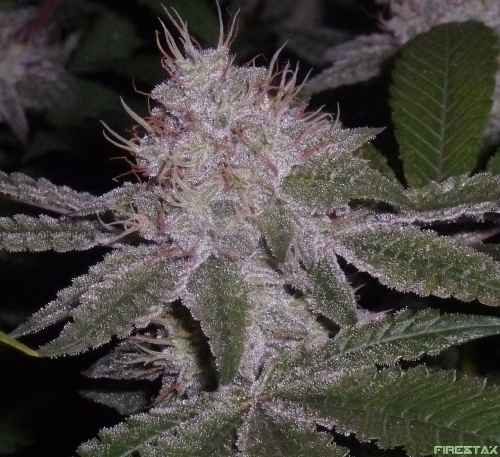
The strain is visually striking, featuring dense, chunky buds that are heavily coated in trichomes, giving them a frosty appearance. The buds are typically a vibrant green hue, with orange pistils weaving through the foliage. The dense coating of trichomes not only contributes to its sticky texture but also signifies its high cannabinoid content, particularly THC.
Terpene Profile
The terpene profile of Critical Glue plays a significant role in its aroma, flavor, and effects. Prominent terpenes include:
- Myrcene: Known for its earthy, musky aroma with hints of fruit, myrcene contributes to the strain’s relaxing effects.
- Caryophyllene: This spicy, peppery terpene has anti-inflammatory properties and interacts with the body’s endocannabinoid system to provide pain relief.
- Limonene: Adding a citrusy, zesty aroma, limonene is associated with mood enhancement and stress relief.
- Pinene: Offering a fresh pine scent, pinene has potential anti-inflammatory and bronchodilatory effects.
Together, these terpenes create a complex aroma that combines earthy, woody, and citrusy notes with subtle hints of spice. The flavor profile mirrors the aroma, delivering a smooth smoking experience with a blend of sweet, citrus, and earthy undertones.
Cannabinoid Profile
Critical Glue is renowned for its high THC content, which typically ranges from 20% to 27%, depending on cultivation methods and phenotypes. The strain also contains trace amounts of CBD (usually below 1%), which, while not significant, can modulate the effects of THC and contribute to its therapeutic properties.
Effects and Recreational Uses
Critical Glue’s effects are powerful and multifaceted, making it a favorite among recreational users seeking a versatile experience. The strain’s effects can be divided into three primary phases:
- Initial Cerebral Euphoria: Upon consumption, users often experience an uplifting and euphoric cerebral high. This initial effect boosts mood, enhances creativity, and promotes sociability, making it an excellent choice for social gatherings or creative endeavors.
- Balanced Relaxation: As the high progresses, the indica traits become more pronounced, delivering a calming body relaxation. This phase is characterized by a sense of physical ease and tranquility without inducing couch-lock, allowing users to remain functional.
- Mild Sedation: In higher doses, the strain’s sedative properties may become more evident, making it suitable for unwinding after a long day or aiding sleep.
Recreational users appreciate Critical Glue for its versatility, as it can be enjoyed during the day in moderate amounts or in the evening for relaxation. It’s particularly favored for activities that require a balance of focus and relaxation, such as gaming, watching movies, or engaging in artistic pursuits.
Medical Applications
Critical Glue’s high THC content and diverse terpene profile contribute to its wide range of therapeutic benefits. Among the most popular medical applications are:

- Pain Management:
- The strain’s potent analgesic properties make it effective for managing chronic pain conditions, such as arthritis, fibromyalgia, and migraines. The combination of caryophyllene and THC works synergistically to reduce inflammation and alleviate discomfort.
- Stress and Anxiety Relief:
- The uplifting effects of limonene and the calming properties of myrcene make Critical Glue an excellent choice for reducing stress and anxiety. It helps users feel more relaxed and at ease without overwhelming sedation.
- Depression:
- The euphoric and mood-enhancing effects can provide temporary relief from depressive symptoms. Users often report a sense of positivity and motivation after consuming the strain.
- Sleep Disorders:
- In higher doses, the sedative effects of Critical Glue can aid individuals with insomnia or other sleep-related issues. The strain promotes a restful night’s sleep by relaxing both the body and mind.
- Appetite Stimulation:
- Like many high-THC strains, Critical Glue is known to induce the “munchies,” making it beneficial for individuals experiencing appetite loss due to medical treatments or conditions such as chemotherapy or HIV/AIDS.
- Muscle Spasms and Tension:
- The strain’s relaxing effects extend to the muscles, making it a suitable option for relieving spasms, cramps, and general tension.
Methods of Ingestion
Critical Glue’s versatility extends to the variety of ingestion methods available. Each method affects the onset, duration, and intensity of effects due to differences in how cannabinoids like THC are absorbed and metabolized.
1. Smoking
- Description: The most traditional and common method of cannabis ingestion. Smoking involves combusting the plant material (e.g., in joints, pipes, or bongs) and inhaling the smoke.
- Onset: Effects are typically felt within 1–5 minutes of inhalation.
- Duration: Lasts 1–3 hours, depending on tolerance and dosage.
- Advantages:
- Fast-acting, providing near-instant relief for medical conditions like pain or anxiety.
- Allows for controlled dosage by gradually inhaling more as needed.
- Disadvantages:
- Potential irritation to the lungs and throat due to smoke inhalation.
- Loss of some cannabinoids and terpenes during combustion.
2. Vaporization (Vaping)
- Description: Involves heating the cannabis flower or concentrate to a temperature that vaporizes cannabinoids and terpenes without combustion.
- Onset: Effects are noticeable within 2–5 minutes.
- Duration: Effects generally last 1–3 hours.
- Advantages:
- Considered a healthier alternative to smoking as it reduces exposure to harmful byproducts of combustion.
- Preserves more terpenes, enhancing flavor and potential therapeutic effects.
- Disadvantages:
- Requires a vaporizer, which can be costly initially.
- Risk of using low-quality cartridges or oils with harmful additives in concentrates.
3. Edibles
- Description: Cannabis-infused foods, beverages, or capsules containing THC and other cannabinoids.
- Onset: Slow, with effects typically felt within 30–120 minutes due to digestion and liver metabolism.
- Duration: Longer-lasting effects, often 4–8 hours, with residual effects up to 12 hours.
- Advantages:
- Discreet and long-lasting, suitable for medical users seeking sustained relief.
- Avoids lung irritation as there is no inhalation.
- Disadvantages:
- Difficult to control dosage due to delayed onset, increasing the risk of overconsumption.
- Effects may feel more intense due to the conversion of THC to 11-hydroxy-THC in the liver, a more potent metabolite.
4. Tinctures
- Description: Alcohol or oil-based cannabis extracts that can be administered sublingually (under the tongue) or added to food and drinks.
- Onset:
- Sublingual: 15–30 minutes.
- Ingested: 30–120 minutes.
- Duration: Typically 3–6 hours, depending on the method of administration.
- Advantages:
- Precise dosing with droppers.
- Faster onset when used sublingually compared to edibles.
- Suitable for users seeking discretion.
- Disadvantages:
- Slightly bitter taste in some tinctures.
- Effects are slower if ingested rather than absorbed sublingually.
5. Topicals
- Description: Cannabis-infused creams, balms, and patches applied directly to the skin.
- Onset: Effects felt within 15–30 minutes.
- Duration: Localized relief lasting 2–6 hours.
- Advantages:
- Ideal for localized pain, inflammation, or skin conditions without psychoactive effects (THC does not typically enter the bloodstream via topicals).
- Disadvantages:
- Limited use for those seeking psychoactive or full-body effects.
- Effectiveness can vary based on the product formulation.
6. Dabbing (Concentrates)
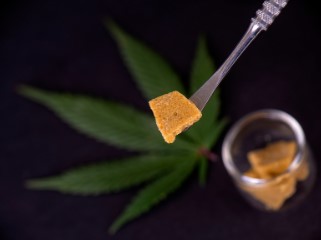
- Description: Involves vaporizing Critical Glue cannabis concentrates like shatter, wax, or rosin using a dab rig.
- Onset: Immediate effects within seconds to 2 minutes.
- Duration: 1–3 hours.
- Advantages:
- Extremely potent and fast-acting, making it suitable for experienced users or those needing immediate relief.
- High terpene content for a robust flavor profile.
- Disadvantages:
- Not beginner-friendly due to its high potency.
- Requires specialized equipment and expertise to avoid overheating the concentrate.
Onset, Duration, and Effects
Onset of Effects
- Inhalation (Smoking/Vaping/Dabbing):
- Effects are nearly instantaneous (within seconds to a few minutes) because cannabinoids directly enter the bloodstream through the lungs.
- Oral Ingestion (Edibles/Tinctures):
- Effects have a delayed onset (30–120 minutes) due to digestive processing.
- Sublingual (Tinctures):
- Faster than oral ingestion, with effects felt in 15–30 minutes.
- Topical Application:
- Localized relief typically begins within 15–30 minutes.
Duration of Effects
- Short-Lasting:
- Inhalation methods (1–3 hours).
- Long-Lasting:
- Edibles (4–8 hours) and certain tinctures (3–6 hours).
- Localized:
- Topicals (2–6 hours, without systemic effects).
Intensity of Effects
- Factors affecting intensity include dosage, THC concentration, individual tolerance, and method of consumption. For instance:
- Smoking and vaping provide moderate-to-strong effects, ideal for immediate relief.
- Edibles often feel more intense due to the formation of 11-hydroxy-THC.
- Dabbing produces the most potent effects due to concentrated cannabinoids.
Specific Effects of Critical Glue
Cognitive Effects
- Euphoria: Initial waves of cerebral upliftment and positivity.
- Focus and Creativity: Enhanced in moderate doses, suitable for creative projects or brainstorming.
- Relaxation: Mental calmness develops as the high progresses.
Physical Effects
- Body Relaxation: The indica dominance brings soothing body effects without heavy sedation at moderate doses.
- Pain Relief: Effective in reducing chronic pain, muscle spasms, and tension.
- Sedation: At higher doses, the strain may lead to couch-lock or drowsiness.
Psychoactive Effects
- Sensory Perception: Enhanced senses, such as heightened appreciation for music, art, or food.
- Mood Enhancement: A noticeable uplift in mood and reduction in stress.
- Potential Downsides: Overconsumption may result in paranoia, anxiety, or confusion in sensitive users.
Scientific Insights
From a scientific perspective, Critical Glue’s effects are mediated by its interaction with the endocannabinoid system (ECS), a network of receptors and signaling molecules that regulate various physiological processes, including mood, pain perception, and immune response. Key insights into the strain’s mechanisms include:
- THC and CB1 Receptors:
- The high THC content of Critical Glue binds to CB1 receptors in the brain, leading to the release of dopamine and the characteristic psychoactive effects. This interaction also modulates pain signals and mood.
- Caryophyllene and CB2 Receptors:
- As a unique terpene that acts as a cannabinoid, caryophyllene binds to CB2 receptors, primarily found in the immune system. This contributes to its anti-inflammatory and analgesic properties.
- Entourage Effect:
- The combination of cannabinoids and terpenes in Critical Glue creates an entourage effect, enhancing the therapeutic potential of the strain. This synergy explains why the strain’s effects are more profound than those of isolated THC or CBD.
- Neuroprotective Potential:
- Preliminary research suggests that THC and certain terpenes may have neuroprotective properties, potentially benefiting conditions such as multiple sclerosis and neurodegenerative disorders. While further studies are needed, Critical Glue’s cannabinoid and terpene profile makes it a candidate for future therapeutic exploration.
Cultivation Requirements for Critical Glue
1. Genetics and Growth Characteristics
- Parent Strains: Critical Glue is a hybrid of Critical Mass and Gorilla Glue #4, inheriting the high yield of Critical Mass and the resin-heavy traits of Gorilla Glue #4.
- Structure: Medium to tall plants with a bushy appearance, dense foliage, and heavy resin production. These traits require proper pruning and training to optimize light penetration and airflow.
- Flowering Time: 8–9 weeks indoors; outdoor harvest typically occurs in late September or early October.
- Yield:
- Indoor: 500–600 grams per square meter.
- Outdoor: 600–800 grams per plant under optimal conditions.
2. Environmental Conditions
Temperature and Humidity
- Temperature:
- Ideal range: 70–85°F (21–29°C).
- Lower temperatures during the late flowering phase (65–70°F or 18–21°C) can enhance trichome production and preserve terpenes.
- Humidity:
- Vegetative stage: 50–60% relative humidity to promote healthy growth.
- Flowering stage: 40–50% relative humidity to reduce the risk of mold or bud rot due to dense flowers.
Light Requirements
- Photoperiod: Critical Glue responds to standard light cycles:
- Vegetative stage: 18–24 hours of light per day.
- Flowering stage: 12 hours of light and 12 hours of darkness to trigger flowering.
- Intensity:
- Use high-intensity lights like LEDs or HPS for maximum yield and resin production.
- Optimal light intensity: PPFD (Photosynthetic Photon Flux Density) of 600–900 µmol/m²/s during flowering.
CO₂ Enrichment
- Enhancing CO₂ levels to 1,200–1,500 ppm during the vegetative and early flowering stages can boost growth rates and increase yields. Ensure proper ventilation to prevent CO₂ accumulation in enclosed spaces.
3. Growing Mediums and Nutrients
Soil-Based Cultivation
- Soil pH: Maintain between 6.0 and 7.0 for optimal nutrient uptake.
- Use well-draining soil enriched with organic matter to provide essential nutrients.
Hydroponic Systems
- Advantages: Faster growth, precise control over nutrient delivery, and higher yields compared to soil.
- pH Range: Maintain the nutrient solution at 5.5–6.5.
- EC Levels: Electrical Conductivity (EC) should range from:
- Vegetative stage: 1.2–1.6 mS/cm.
- Flowering stage: 1.6–2.2 mS/cm.
Nutrient Management
- Critical Glue benefits from a three-phase nutrient schedule:
- Seedling/Cloning: Low nitrogen (N) and moderate phosphorus (P) and potassium (K).
- Vegetative Stage: High nitrogen to promote vigorous foliage growth.
- Flowering Stage: Reduced nitrogen and increased phosphorus and potassium to support bud development.
- Use supplements like calcium, magnesium (Cal-Mag), and micronutrients (iron, manganese, zinc) to prevent deficiencies.
4. Training Techniques
- (LST) Low-Stress Training: Twist and secure branches to ensure a uniform canopy and optimize light exposure.
- Topping and FIMing: Remove the main growth tip to encourage lateral growth and more bud sites.
- Screen of Green (ScrOG): Use a screen to spread branches horizontally, ensuring uniform light distribution.
- Defoliation: Remove excess fan leaves to improve airflow and light penetration during the flowering phase.
5. Pest and Disease Management
Critical Glue’s dense buds and resin production can make it susceptible to pests and diseases if not properly managed.
Common Pests
- Spider Mites: Treat with neem oil or predatory insects like ladybugs.
- Aphids: Use insecticidal soap or introduce beneficial insects like lacewings.
- Fungus Gnats: Avoid overwatering and use sticky traps or BTI (Bacillus thuringiensis israelensis) to control larvae.
Common Diseases
- Powdery Mildew: Maintain low humidity and good airflow; treat with sulfur-based sprays or potassium bicarbonate.
- Bud Rot (Botrytis): Prevent by keeping humidity below 50% during flowering and ensuring proper ventilation.
6. Harvesting and Post-Harvest Handling
Harvest Timing
- Use a magnifying loupe or microscope to monitor trichome development:
- Clear trichomes: Not ready.
- Milky/cloudy trichomes: Peak THC levels, ideal for a balanced high.
- Amber trichomes: More sedative effects, suitable for indica-dominant users.
Drying
- Dry in a dark, well-ventilated space at 60–70°F (15–21°C) with 50–60% humidity for 7–14 days.
- Aim for a slow drying process to preserve terpenes and cannabinoids.
Curing
- After drying, cure buds in glass jars stored in a cool, dark place at 60–65% humidity. Open jars daily for the first week to release excess moisture, then less frequently. Curing for 2–4 weeks enhances flavor, potency, and smoothness.
7. Genetic Preservation
- Cloning: Preserve Critical Glue’s genetics by taking cuttings from healthy, vigorous plants.
- Seed Storage: Store seeds in a cool, dark, and dry environment to maintain viability for future cultivation.
Advanced Techniques for Enhancing Yield and Potency
- UV-B Light Exposure:
- Introducing UV-B light during the late flowering phase can stimulate trichome production and increase THC levels.
- Flushing:
- Flush plants with pure water (pH 6.0–6.5) in the final two weeks of flowering to remove excess nutrients and improve taste.
- Integrated Pest Management (IPM):
- Combine biological controls, cultural practices, and organic treatments to maintain a pest- and disease-free environment.
- Terpene Maximization:
- Maintain optimal temperature and humidity to prevent terpene degradation.
- Use organic amendments like bat guano, kelp meal, or molasses to enhance terpene synthesis.
Potential Side Effects
Like any potent cannabis strain, Critical Glue may cause side effects, especially when consumed in large amounts. Common side effects include:
- Dry Mouth and Dry Eyes:
- These are the most commonly reported side effects and can be mitigated by staying hydrated and using lubricating eye drops.
- Dizziness:
- Some users may experience mild dizziness, particularly if they are new to cannabis or have a low tolerance.
- Paranoia or Anxiety:
- In rare cases, high doses may induce feelings of paranoia or anxiety. Consuming the strain in moderation and in a comfortable environment can help prevent these effects.
- Couch-Lock:
- Overindulgence may lead to heavy sedation and couch-lock, which could be undesirable for users seeking a more functional experience.
Conclusion
Critical Glue stands out as a versatile and potent hybrid strain that appeals to both recreational and medical cannabis users. Its balanced effects, robust terpene profile, and therapeutic potential make it a valuable addition to the cannabis market. Whether you’re seeking relief from chronic pain, stress, or insomnia, or simply looking for an enjoyable recreational experience, Critical Glue delivers on all fronts.
For medical users, the strain’s combination of high THC levels and beneficial terpenes provides a natural alternative to pharmaceutical treatments. For recreational enthusiasts, its ability to uplift and relax makes it suitable for various occasions and activities.
As research into cannabis continues to evolve, strains like Critical Glue highlight the importance of understanding the interplay between cannabinoids, terpenes, and the endocannabinoid system. This strain exemplifies the potential of cannabis as a multifaceted plant with applications that extend far beyond recreational use.
For a complete directory of cultivars, visit our Cannabis Strain Reviews.
