Table of Contents
Critical Crack is a well-balanced hybrid strain that combines the genetics of Critical Mass and Green Crack, two legendary cannabis strains known for their potent effects, high yields, and robust terpene profiles. This strain exhibits characteristics of both its parent strains, resulting in a powerful hybrid that both recreational and medical users will find appealing. With a rich cannabinoid profile, including high THC levels and moderate CBD, Critical Crack offers a complex range of effects beneficial for both mental and physical well-being.
Genetics and Strain Profile
Parent Strains
- Critical Mass – A heavy indica known for its sedative effects and high yield production, originating from Afghani and Skunk #1 genetics.
- Green Crack – A sativa-dominant strain renowned for its stimulating cerebral high and sharp focus, derived from Skunk #1 and unknown Afghani genetics.
Cannabinoid Content
- THC Levels: 18-24%
- CBD Levels: 0.5-2%
- CBG: ~1%
- Minor Cannabinoids: CBN, CBC, THCV (trace amounts)
Terpene Profile
- Myrcene – Sedative, muscle relaxant, enhances THC effects.
- Limonene – Uplifting, mood-enhancing, and stress-relieving.
- Caryophyllene – Anti-inflammatory, potential pain relief properties.
- Pinene – Enhances memory, alertness, and reduces inflammation.
- Humulene – Appetite suppressant, anti-inflammatory properties.
Aroma and Flavor
- Aroma: A strong citrus and earthy scent with hints of spice and skunk.
- Flavor: Sweet, citrusy, with an undertone of woodiness and spice.
Medical Applications
Critical Crack’s balanced nature makes it ideal for managing a wide array of medical conditions. Its mix of indica and sativa properties provides relief for both psychological and physiological issues.

Mental Health Applications
- Anxiety & Stress: The limonene and myrcene work synergistically to provide a calming yet uplifting effect, reducing symptoms of stress and anxiety.
- Depression: The euphoric and mood-enhancing effects help uplift individuals dealing with depression and mood disorders.
- ADHD/ADD: Due to its Green Crack lineage, Critical Crack can promote focus, making it beneficial for attention deficit disorders.
- PTSD: The combination of relaxation and mental clarity helps mitigate symptoms of PTSD, reducing intrusive thoughts and emotional instability.
Physical Health Applications
- Chronic Pain: The anti-inflammatory and analgesic effects of caryophyllene and myrcene provide relief for chronic pain disorders include migraines, fibromyalgia, and arthritis.
- Muscle Spasms & Cramps: The indica properties help with muscle relaxation, making it useful for conditions like multiple sclerosis and restless leg syndrome.
- Insomnia: While not a pure indica, Critical Crack’s relaxing components can aid in sleep induction for individuals struggling with insomnia.
- Appetite Stimulation: The strain’s interaction with CB1 receptors may help individuals experiencing appetite loss due to chemotherapy or eating disorders.
- Neuroprotective Benefits: The presence of minor cannabinoids like CBG and THCV may offer neuroprotective effects beneficial for conditions such as Alzheimer’s and Parkinson’s disease.
Recreational Uses
For recreational consumers, Critical Crack offers a dynamic and enjoyable experience, catering to those who aim for both physical and mental relaxation.
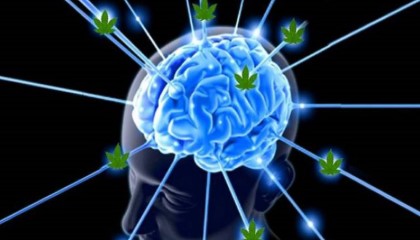
Effects Profile
- Initial Onset (5-10 minutes): A euphoric rush accompanied by an increase in focus and motivation.
- Peak (30-60 minutes): Balanced cerebral stimulation with physical relaxation, making it ideal for social settings or creative activities.
- Comedown (2-3 hours): A gentle relaxation phase that transitions into a mild couch-lock or sedation, depending on dosage.
Ideal Use Cases
- Creative Activities: Writers, artists, and musicians may find inspiration and mental clarity.
- Social Gatherings: The uplifting effects make it a great strain for parties and friendly meetups.
- Outdoor Activities: Due to its energizing effects, it pairs well with hiking, biking, and other outdoor pursuits.
- Evening Relaxation: In moderate to high doses, the strain’s indica effects become more pronounced, aiding in relaxation after a long day.
Potential Side Effects
- Dry Mouth & Dry Eyes: Common among high-THC strains such as Critical Crack.
- Paranoia & Anxiety: May occur in individuals sensitive to THC or those who consume high doses.
- Dizziness: Rare but possible in new users or when overconsumed.
- Increased Heart Rate: Due to its sativa effects, users prone to cardiovascular conditions should consume cautiously.
Methods of Ingestion, Onset, and Duration
Critical Crack, being a potent hybrid cannabis strain, can be consumed in various ways, each affecting the onset, duration, and bioavailability of cannabinoids like THC, CBD, and terpenes. Below is a scientific breakdown of its ingestion methods, their pharmacokinetics, and expected effects.
Methods of Ingestion
Each method of ingestion affects how THC and other cannabinoids enter the bloodstream, influencing potency, onset, and duration of effects.
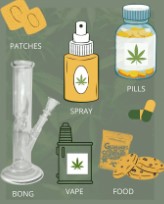
A. Inhalation (Smoking & Vaping)
- Bioavailability: ~20-56% (varies based on depth of inhalation and frequency).
- Onset: 1-5 minutes (fastest method).
- Peak Effects: 15-30 minutes after consumption.
- Duration: 2-4 hours before tapering off.
- Metabolism: Cannabinoids enter the bloodstream through the lungs and reach the brain rapidly.
Methods:
- Smoking (Joints, Pipes, Bongs)
- Pros: Immediate onset, high bioavailability.
- Cons: Combustion can destroy some cannabinoids and terpenes; potential respiratory irritation.
- Vaporization (Dry Herb Vaporizers, Dab Rigs, Vape Pens)
- Pros: More efficient than smoking, preserves terpenes, reduces harmful combustion byproducts.
- Cons: High-quality vaporizers can be expensive.
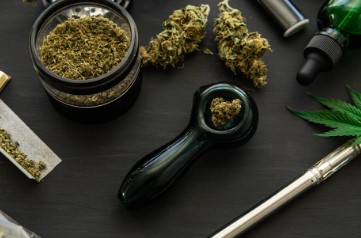
B. Oral Consumption (Edibles, Tinctures, Capsules)
- Bioavailability: ~4-20% (lower due to first-pass metabolism).
- Onset: 30-90 minutes (depends on metabolism and stomach content).
- Peak Effects: 1.5-3 hours after ingestion.
- Duration: 6-8 hours, with some lingering effects up to 12 hours.
- Metabolism: THC is converted into 11-hydroxy-THC, a more potent and longer-lasting metabolite in the liver.
Methods:
- Edibles (Brownies, Gummies, Beverages)
- Pros: Long-lasting effects, precise dosing.
- Cons: Slower onset can lead to overconsumption; metabolism varies among individuals.
- Capsules & Pills
- Pros: Precise dosing, no taste, discreet.
- Cons: Similar delayed onset as edibles.
- Tinctures & Sublingual Absorption (Drops, Sprays)
- Bioavailability: ~20-35% (higher than edibles).
- Onset: 15 to 45 minutes (slower than inhalation, but faster than edibles).
- Duration: 4-6 hours.
- Mechanism: Absorbed through mucous membranes, bypassing first-pass metabolism.
C. Topical & Transdermal Applications
- Bioavailability: Variable, dependent on skin permeability and formulation.
- Onset: 15-45 minutes (localized).
- Duration: 2-6 hours.
- Metabolism: Cannabinoids do not enter the bloodstream unless through transdermal patches.
Methods:
- Topical Creams, Lotions, and Balms
- Pros: Best for localized pain relief and inflammation.
- Cons: Does not produce psychoactive effects.
- Transdermal Patches
- Pros: Provides steady, long-lasting cannabinoid absorption.
- Cons: Expensive and not as widely available.
D. Dabbing & Concentrates
- Bioavailability: 50-80% (highest efficiency).
- Onset: Instant (within seconds).
- Peak Effects: 10-20 minutes.
- Duration: 2-4 hours.
- Mechanism: THC is rapidly absorbed through the lungs into the bloodstream.
Methods:
- Wax, Shatter, Live Resin, Rosin
- Pros: Extreme potency, fast onset.
- Cons: High tolerance build-up, risk of overconsumption.
Onset & Duration of Effects
The speed and duration of Critical Crack’s effects vary by consumption method:
| Method | Onset Time | Peak Effects | Total Duration |
|---|---|---|---|
| Smoking/Vaping | 1-5 min | 15-30 min | 2-4 hrs |
| Edibles | 30-90 min | 1.5-3 hrs | 6-8 hrs |
| Sublingual | 15-45 min | 1-2 hrs | 4-6 hrs |
| Topicals | 15-45 min | Localized | 2-6 hrs |
| Dabbing | Instant | 10-20 min | 2-4 hrs |
Factors Influencing Onset and Duration
A. Individual Metabolism
- A faster metabolism results in a shorter duration and a speedier beginning.
- Slower metabolism = delayed onset, prolonged effects.
B. Tolerance & Dosage
- Low tolerance: More pronounced, long-lasting effects.
- High tolerance: Shorter duration, higher dosage needed.
C. Full vs. Empty Stomach
- Full stomach: Slower absorption of edibles.
- Empty stomach: Faster onset but can cause more intense effects.
D. Cannabinoid & Terpene Interaction (Entourage Effect)
- Myrcene: Increases permeability, speeding onset.
- Limonene: Enhances mood-lifting effects.
- Caryophyllene: Adds pain relief potential.
Scientific Considerations for Optimal Consumption
- Fast relief needed? → Use vaping, smoking, or dabbing.
- Long-lasting effects? → Opt for edibles or capsules.
- Targeted relief without psychoactivity? → Use topicals or transdermal patches.
- Precise dosage control? → Use tinctures or capsules.
Scientific Analysis and Mechanisms of Action
How Critical Crack Affects the Brain and Body
Critical Crack interacts with the endocannabinoid system (ECS) through its cannabinoids, primarily THC and CBD. Here’s how its components exert their effects:
- THC Activation: Binds to CB1 receptors in the brain, creating psychoactive and euphoric effects while reducing pain and stimulating appetite.
- CBD Modulation: Weakly binds to CB1 and CB2 receptors, helping to counteract anxiety and inflammation.
- Terpene Synergy: The entourage effect in Critical Crack enhances therapeutic benefits, increasing the strain’s overall efficacy.
- Dopaminergic Influence: Increases dopamine release, which enhances mood, focus, and motivation.
- Neuroprotective Properties: The presence of CBG and THCV suggests potential in protecting against neurodegenerative diseases.
Scientific Studies Supporting Its Uses
- Pain Relief: Studies indicate that high-THC cannabis strains are effective in managing chronic pain through CB1 receptor activation.
- Anxiety & Stress Reduction: Research suggests limonene and myrcene contribute to mood stabilization and relaxation.
- Anti-Inflammatory Effects: Caryophyllene acts as a CB2 agonist, reducing inflammation.
- Cognitive Enhancement: Some studies support the idea that moderate THC consumption may improve creativity and divergent thinking.
Growing Information
Cultivation for Critical Crack Cannabis
Cultivating Critical Crack requires a well-planned approach to maximize yield, potency, and overall plant health. Below are scientifically backed cultivation methods, environmental factors, and techniques used by growers to achieve optimal results.
1. Growth Medium Selection
The choice of the growth medium significantly impacts the plant’s nutrient uptake, root development, and resistance to diseases.
Hydroponics vs. Soil:
- Hydroponics:
- Faster growth and higher yield of Critical Crack due to direct nutrient absorption.
- Requires careful pH monitoring (5.5-6.5 range).
- Best suited for controlled environments like grow tents or greenhouses.
- Popular systems: Deep Water Culture (DWC), Ebb & Flow, Drip Irrigation.
- Soil-Based Growth:
- More forgiving for beginners due to natural nutrient buffering.
- Organic soil (e.g., with mycorrhizal fungi and worm castings) enhances terpene production.
- Recommended pH: 6.0-7.0 for optimal nutrient uptake.
2. Light Requirements & Photoperiod Management
- Indoor Cultivation:
- Uses LED (Full-Spectrum), HPS, or CMH lights for energy-efficient growth of Critical Crack.
- Optimal light cycle:
- Vegetative Phase: 18-20 hours of light.
- Flowering Phase: 12 hours of light, 12 hours of darkness.
- Recommended PPFD (Photosynthetic Photon Flux Density): 600-900 µmol/m²/s for vegetative growth, 900-1500 µmol/m²/s for flowering.
- Outdoor Cultivation:
- Best suited for Mediterranean climates with direct sunlight exposure for at least 8-12 hours/day.
- Harvest season: Late September to early October for Northern Hemisphere.
3. Nutrient Regimen & Deficiency Management
Critical Crack has a moderate-to-high nutrient demand, especially during flowering.
- Vegetative Phase (Weeks 1-5):
- High Nitrogen (N) for leaf development.
- Phosphorus (P) and Potassium (K) at moderate levels.
- Essential micronutrients: Calcium (Ca), Magnesium (Mg), Iron (Fe), Zinc (Zn).
- Flowering Phase (Weeks 6-9):
- Shift to a higher Phosphorus and Potassium (P-K) ratio to enhance bud formation.
- Reduce Nitrogen to avoid excess leafy growth.
- Ideal NPK ratio: 4-8-8 or 3-10-10 during bloom.
- Use organic boosters like bat guano, bone meal, or kelp extract for terpene enhancement.
- Deficiency Symptoms & Fixes:
- Yellowing leaves: Nitrogen deficiency – Increase N in veg stage.
- Purple stems: Magnesium or Phosphorus deficiency – Adjust pH to improve absorption.
- Brown spots on leaves: Calcium deficiency – Supplement with Cal-Mag.
4. Advanced Cultivation Techniques for High Yield
- SCROG (Screen of Green):
- Uses a net to train branches horizontally, increasing light exposure and bud production.
- Improves airflow, reducing mold risk.
- LST (Low-Stress Training):
- Involves bending and securing branches without cutting.
- Maximizes bud sites without causing plant stress.
- Topping & FIMing:
- Topping: severing the main stem to promote branching development.
- FIMing: Partial cut to stimulate bushier growth.
- Defoliation:
- Removing fan leaves one at a time to increase light penetration.
- Helps prevent mold and encourages bigger buds.
5. Climate & Environmental Conditions
- Temperature Range:
- Vegetative: 72-82°F (22-28°C)
- Flowering: 65-78°F (18-25°C) to enhance color and terpene production.
- Humidity Levels:
- Vegetative: 50-70% RH
- Flowering: 40-50% RH to prevent bud rot.
- Late Flowering (Week 7+): <40% RH for resin preservation.
- Air Circulation & CO₂ Supplementation:
- Proper ventilation prevents mold and strengthens stems.
- Adding CO₂ (1000-1500 ppm) in sealed grow rooms increases photosynthesis and yield.
6. Harvesting & Curing for Maximum Potency
- Harvest Timing:
- Check trichomes under a magnifying glass:
- Milky Trichomes: Peak THC content (ideal harvest time).
- Amber Trichomes: More sedative effects.
- Best time to harvest: When 60-70% of trichomes turn milky.
- Check trichomes under a magnifying glass:
- Drying:
- Hang buds in a dark, ventilated room at 60°F (15°C) and 50% RH for 7-10 days.
- Curing:
- Store dried buds in airtight glass jars at 65°F (18°C) and burp them daily for 2-4 weeks.
- This enhances flavor, smoothness, and potency.
Conclusion
Critical Crack is an exceptional hybrid strain that merges the best traits of Critical Mass and Green Crack, resulting in a versatile cannabis variety. Whether used for medical relief or recreational enjoyment, its well-rounded effects, potent cannabinoid profile, and rich terpene composition make it a top-tier choice for cannabis enthusiasts. With energizing cerebral stimulation and soothing physical relaxation, Critical Crack is ideal for users seeking a balanced and multi-functional experience. For growers, its high yields and moderate cultivation difficulty make it a rewarding strain to cultivate.
Whether you’re looking for pain relief, mental clarity, stress reduction, or an enjoyable high, Critical Crack offers a unique combination of therapeutic and recreational benefits, making it a valuable addition to any cannabis repertoire.
For a complete directory of cultivars, visit our Cannabis Strain Reviews.
