Table of Contents
Critical 47 is an exceptional hybrid strain that has gained significant recognition in the cannabis community for its balanced effects, robust growth, and rich terpene profile. It is a cross between Critical Mass and AK-47, two legendary strains known for their high potency and distinct effects. This hybrid boasts a well-balanced mix of indica and sativa traits, making it a flexible option for both recreational and medical users.
With THC levels averaging between 18% and 22%, Critical 47 is a powerful strain that delivers a euphoric yet relaxing experience. It is favored for its strong fruity aroma, rapid flowering time, and high yield, making it a top choice for cultivators and consumers alike.
Genetic Lineage and Characteristics
Critical 47 is a 50/50 hybrid, though some phenotypes may lean slightly more indica or sativa, depending on the cultivation environment and genetic variations.
Parent Strains
- Critical Mass: A heavy indica known for its massive bud production, high resin content, and deeply relaxing effects.
- AK-47: A sativa-dominant hybrid famous for its cerebral stimulation and euphoric high.
The combination of these two powerful strains results in a well-balanced hybrid with a complex flavor profile, moderate-to-high THC levels, and a broad range of effects suitable for both medical and recreational use.
Physical Characteristics
- Bud Structure: Large, dense buds with a bright green hue and orange pistils.
- Trichome Coverage: Thick coating of resinous trichomes, making it ideal for extractions and concentrates.
- Aroma and Flavor: Sweet and fruity with hints of citrus, mango, and vanilla, accompanied by earthy and spicy undertones.
Cannabinoid and Terpene Profile
Critical 47 has a rich chemical composition that contributes to its potency and therapeutic effects.
Cannabinoid Content
- THC: 18%–22% (potent but not overwhelming)
- CBD: <1% (low but still present for mild therapeutic effects)
- CBG: 1%–2% (supports anti-inflammatory properties)
- Other Cannabinoids: Small traces of CBC and CBN, which contribute to the entourage effect.
Terpene Profile
- Myrcene (dominant) – Sedative, relaxing, and pain-relieving.
- Limonene – Mood-enhancing, citrus aroma, and anti-anxiety.
- Caryophyllene – Anti-inflammatory, analgesic, and stress-relieving.
- Pinene – Enhances focus, memory retention, and anti-inflammatory effects.
Medical Applications of Critical 47
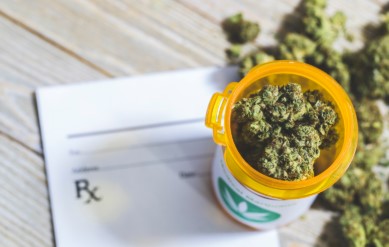
Due to its well-balanced effects and high THC levels, Critical 47 is highly valued for medical applications. It provides both physical relief and mental relaxation, making it suitable for a variety of conditions.
Mental Health Benefits
- Anxiety and Stress Reduction
- The presence of limonene and myrcene helps alleviate stress, promoting a sense of calm and well-being.
- Users report a euphoric onset that transitions into deep relaxation, reducing symptoms of anxiety.
- Depression Relief
- With uplifting and mood-enhancing effects, Critical 47 can be useful for individuals dealing with mild to moderate depression.
- The interaction of THC with the endocannabinoid system (ECS) promotes serotonin and dopamine release, contributing to improved mood.
- PTSD and Trauma-Related Disorders
- Some patients report relief from PTSD-related symptoms, including intrusive thoughts and nightmares.
- The calming body high can help individuals manage hyperarousal and restlessness.
Pain Management and Physical Conditions
- Chronic Pain
- The analgesic properties of THC and anti-inflammatory effects of caryophyllene and myrcene make Critical 47 an effective pain-relieving strain.
- Suitable for conditions like arthritis, migraines, and fibromyalgia.
- Muscle Spasms and Multiple Sclerosis
- Myrcene in Critical 47 contributes to muscle relaxation, making it helpful for patients with spasticity-related disorders.
- Nausea and Appetite Stimulation
- The strong mango and citrus terpene profile contributes to anti-nausea effects.
- Advantageous for those dealing with eating issues or enduring chemotherapy.
- Insomnia and Sleep Disorders
- While not a heavy sedative, Critical 47’s indica traits help induce relaxation, making it useful for people who struggle to get to sleep or stay asleep.
Recreational Effects and Usage
Critical 47 is a favorite among recreational users due to its well-rounded effects, making it suitable for various activities.
Onset and Duration
- Fast-acting (effects felt within 5–10 minutes when smoked/vaped).
- Lasts 2–4 hours, depending on dosage and consumption method.
Effects
- Initial Euphoria – Uplifting head high that promotes a positive mood.
- Creative Boost – Enhances artistic and creative thinking.
- Relaxing Body High – Muscle relaxation without heavy sedation.
- Social and Talkative – Great for social gatherings.
- Balanced Finish – Leaves users feeling calm yet clear-headed.
Best Recreational Settings
- Daytime or Early Evening Use (depending on the individual’s tolerance)
- Social Settings – Good for hanging out with friends, concerts, or game nights.
- Outdoor Activities – Works well for moderate hiking, casual walks, or beach outings.
- Creative Pursuits – Useful for music, writing, or brainstorming sessions.
Cultivation Information
Cultivating Critical 47 effectively requires scientific precision to optimize yield, potency, and plant health. Below is a detailed, science-backed approach covering environmental conditions, nutrient management, growth phases, and pest/disease control.
1. Optimal Growing Conditions
To ensure a successful crop, Critical 47 requires specific environmental conditions.
A. Temperature & Humidity Control
- Vegetative Stage:
- Temperature: 22–28°C (72–82°F)
- Humidity: 55–70%
- CO₂ Levels: 400–800 ppm (boosts photosynthesis)
- Flowering Stage:
- Temperature: 20–26°C (68–79°F)
- Humidity: 40–50% (reduces mold risk)
- CO₂ Levels: 800–1200 ppm (increases bud density)
- Late Flowering (Last 2 Weeks)
- Temperature: 18–24°C (64–75°F)
- Humidity: 30–40%
- Purpose: Enhances terpene production and resin development.
B. Light Spectrum & Photoperiod
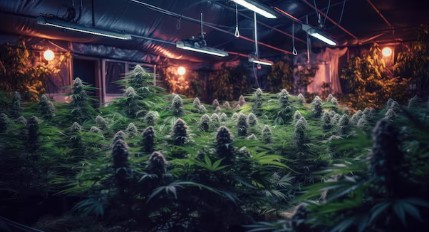
- Indoor:
- Vegetative Phase (18/6 or 20/4 light cycle)
- Light Type: Full-spectrum LED or MH (Metal Halide)
- Intensity: 400–600 μmol/m²/s
- Flowering Phase (12/12 light cycle)
- Light Type: HPS (High-Pressure Sodium) or LED
- Intensity: 600–900 μmol/m²/s
- UV-B Exposure: Last 3 weeks of flowering to boost THC levels.
- Vegetative Phase (18/6 or 20/4 light cycle)
- Outdoor:
- Requires 8+ hours of direct sunlight.
- Best grown in warm climates (Mediterranean, California-like regions).
2. Growth Phases and Scientific Cultivation Methods
A. Germination (0–7 Days)
- Best Method: Soaking seeds in pH-balanced water (6.0–6.5) for 12–24 hours, then planting in a wet rock wool cube or paper towel.
- Germination Temperature: 22–26°C (72–78°F)
- Light Exposure: Low intensity (~200 μmol/m²/s)
B. Seedling Stage (7–14 Days)
- Ideal Medium: Coco coir, soil, or hydroponic starter cubes.
- Light Intensity: 250–400 μmol/m²/s (18/6 cycle).
- Humidity: 65–75% (prevents stress).
- Nutrients: Low-dose nitrogen (N) and root stimulators.
C. Vegetative Stage (2–6 Weeks)
- Nutrient Needs:
- N-P-K Ratio: 4:2:3 (Higher nitrogen for leaf and stem growth)
- Micronutrients: Iron (Fe), calcium (Ca), and magnesium (Mg)
- Supplement: Silica to strengthen stems.
- Training Techniques:
- Low-Stress Training (LST): Bending stems to expose more bud sites.
- Topping (FIMing): Encourages multiple colas.
- SCROG (Screen of Green): Increases canopy light exposure.
D. Flowering Stage (7–9 Weeks)
- Light Cycle: 12/12 to trigger flowering.
- Nutrient Needs:
- Early Flower (Weeks 1–3):
- N-P-K Ratio: 2:4:4 (Less nitrogen, more phosphorus & potassium)
- Mid to Late Flower (Weeks 4–9):
- N-P-K Ratio: 1:5:6
- Sulfur (S) & Potassium (K) boost terpene and resin production.
- Final 2 Weeks: Flush with pure water (pH 6.0) to remove excess salts.
- Early Flower (Weeks 1–3):
- CO₂ Boost: Increasing CO₂ to 1200 ppm can enhance bud size and THC potency.
3. Hydroponic vs. Soil Cultivation
A. Hydroponic Growing (NFT, DWC, or Drip Systems)
- Advantages:
- Faster growth and higher yield.
- Controlled nutrient delivery.
- Less pest risk (no soil pathogens).
- Best Nutrients: pH-balanced (5.5–6.2), high in Ca & Mg.
- Monitoring Tools:
- EC (Electrical Conductivity) Meter: 1.2–1.8 mS/cm.
- TDS (Total Dissolved Solids): 800–1500 ppm.
B. Organic Soil Growing
- Advantages:
- Better flavor and aroma due to terpene-rich soil microbes.
- More forgiving to pH/nutrient fluctuations.
- Best Soil Mix:
- 50% Coco Coir or Peat Moss
- 30% Perlite/Vermiculite (aeration)
- 20% Organic Compost/Worm Castings (microbes)
- Ideal pH Range: 6.0–6.8.
4. Advanced Cultivation Techniques
A. CO₂ Enrichment for Higher THC Levels
- Studies show that cannabis grown with CO₂ levels of 1000–1200 ppm can have 25–30% higher yield and up to 10% more THC.
- Implemented using CO₂ tanks or fermentation bags.
B. UV-B Light Exposure
- UV-B exposure (280–315 nm) during flowering triggers a stress response, leading to increased trichome production and THC levels.
C. Defoliation and Pruning
- Week 3–4 of flowering: Removing lower fan leaves allows more light penetration to lower bud sites, increasing yield.
D. Cold Shock for Enhanced Color & Flavors
- Lowering nighttime temperature to 16–18°C (60–65°F) during the final 2 weeks enhances anthocyanin production, leading to Critical 47 purple hues and richer flavors.
5. Pest & Disease Control: Scientific Approach
- Common Pests: Spider mites, aphids, thrips.
- Organic Solutions: Neem oil, predatory mites (Phytoseiulus persimilis).
- Common Diseases: Powdery mildew, bud rot.
- Prevention: Air circulation, 40% humidity during flower.
- Treatment: Bacillus subtilis (biological fungicide).
6. Harvesting & Curing for Maximum Potency
A. When to Harvest?
- Trichome Check (Best Scientific Method):
- Clear Trichomes = Too Early
- Cloudy Trichomes = Peak THC
- Amber Trichomes = More sedative effect
- Ideal Harvest Window: 60–70% cloudy, 20–30% amber.
B. Drying Process
- Temperature: 18–22°C (65–72°F).
- Humidity: 50–60%.
- Duration: 7–14 days (slow drying preserves terpenes).
C. Curing for Maximum Potency
- Glass jars (burping method) at 62% RH.
- Curing Time: 4–8 weeks for full flavor development.
- Effect: Enhances THC conversion and smoothness of smoke.
7. Yield and Potency Optimization
- Indoor Yield: 500–600g/m².
- Outdoor Yield: 700g per plant.
- THC Boosting Methods:
- UV-B exposure in late flower.
- Cold temperature manipulation.
- CO₂ enrichment.
- Organic nutrient supplementation.
Scientific Insights and Pharmacological Aspects
Recent studies on cannabis highlight the synergistic effects of cannabinoids and terpenes, enhancing both medicinal and psychoactive properties.
Entourage Effect
- The combination of THC, CBG, and terpenes contributes to enhanced therapeutic benefits.
- Caryophyllene (a rare terpene that interacts with CB2 receptors) helps modulate the immune response and inflammation.
Neurological Benefits
- Studies suggest that cannabinoids in Critical 47 may protect against neurodegenerative diseases like Alzheimer’s and Parkinson’s.
- CBG and THC show potential neuroprotective effects, supporting cognitive function.
Endocannabinoid System (ECS) Interaction
- THC primarily binds to CB1 receptors in the brain, leading to euphoric effects.
- CBG and CBD modulate CB2 receptors, contributing to anti-inflammatory and pain-relieving properties.
Methods, Onset, and Duration of Critical 47 Cannabis Strain
The method of ingestion significantly impacts the onset time, duration, and bioavailability of Critical 47’s active compounds, particularly THC, CBD, and terpenes. Below is a comprehensive scientific breakdown of various consumption methods.
1. Methods of Ingestion
Critical 47 can be consumed in several ways, each offering different effects, onset times, and durations.
A. Inhalation (Smoking/Vaping)
- Bioavailability: 25–35%
- Onset: 1–5 minutes
- Peak Effects: 20–30 minutes
- Duration: 2–4 hours
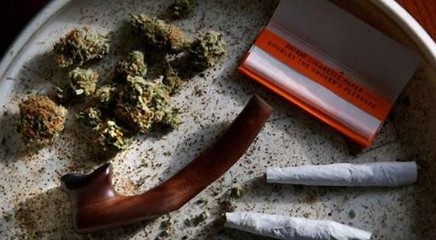
1. Smoking (Joints, Pipes, Bongs)
- Mechanism: THC is rapidly absorbed through the alveoli in the lungs, reaching the bloodstream in seconds.
- Best for: Quick relief from stress, anxiety, pain, and nausea.
- Downsides:
- Combustion creates harmful byproducts (carbon monoxide, tar).
- Heat destroys some terpenes (~30–40% loss).
- Irritation to lungs and throat.
2. Vaping (Dry Herb Vaporizers, Concentrate Pens)
- Mechanism: Heats cannabis to ~160–220°C (320–428°F), releasing cannabinoids without combustion.
- Best for: Cleaner, terpene-rich experience with fewer respiratory risks.
- Pros:
- More efficient cannabinoid absorption (~35% bioavailability).
- Terpenes and minor cannabinoids are better preserved.
- Cons:
- Initial cost of vaporizers.
- Requires regular cleaning for optimal performance.
B. Oral Consumption (Edibles, Capsules, Sublingual)
- Bioavailability: 6–15% (lower than smoking/vaping due to first-pass metabolism).
- Onset: 30–120 minutes (depends on metabolism and stomach contents).
- Peak Effects: 2–4 hours
- Duration: 4–8 hours (sometimes up to 12 hours at high doses).
1. Edibles (Gummies, Brownies, Beverages)
- Mechanism: THC is converted to 11-hydroxy-THC in the liver, which is more potent and longer-lasting.
- Best for: Chronic pain, sleep disorders, extended stress relief.
- Pros:
- Long-lasting effects.
- Stronger body high due to metabolite conversion.
- Cons:
- Delayed onset (risk of overconsumption).
- Varied absorption rates (affected by individual metabolism).
2. Sublingual Administration (Tinctures, Sprays, Dissolvable Strips)
- Bioavailability: 20–35% (bypasses first-pass metabolism).
- Onset: 15–45 minutes
- Peak Effects: 1–2 hours
- Duration: 4–6 hours
- Mechanism: THC is absorbed directly into the bloodstream via mucous membranes under the tongue.
- Pros:
- Fast-acting alternative to edibles.
- Easier dose control.
- Cons:
- Slightly bitter taste (terpene-rich extracts).
- Shorter duration than edibles.
C. Topical Application (Creams, Balms, Patches)
- Bioavailability: Minimal (unless transdermal patches are used)
- Onset: 15–30 minutes
- Duration: 2–6 hours
- Best for: Muscle soreness, arthritis, inflammation, and localized pain.
- Mechanism: Cannabinoids bind to CB2 receptors in the skin, without entering the bloodstream.
- Pros:
- No psychoactive effects (doesn’t reach the brain).
- Targeted pain relief.
- Cons:
- Limited penetration (except transdermal patches with carrier molecules like ethanol).
D. Dabbing (Concentrates)
- Bioavailability: 40–50% (highest absorption rate)
- Onset: Immediate (within seconds)
- Peak Effects: 10–20 minutes
- Duration: 2–4 hours
- Best for: Experienced users seeking high potency.
- Types of Concentrates:
- Wax, Shatter, Live Resin, Rosin (High THC content ~60–90%)
- Terp Sauce (Rich in terpenes, offering strong flavors and effects)
- Pros:
- Powerful, immediate effects.
- Preserves full terpene and cannabinoid spectrum.
- Cons:
- High heat (~300–500°C) may degrade some cannabinoids.
- Requires special equipment (dab rig, e-nail, or portable dab pen).
- Not beginner-friendly (risk of overconsumption).
2. Comparison of Ingestion Methods: Onset, Duration, and Bioavailability
| Method | Onset Time | Peak Effects | Duration | Bioavailability |
|---|---|---|---|---|
| Smoking | 1–5 min | 20–30 min | 2–4 hours | 25–30% |
| Vaping | 1–5 min | 20–30 min | 2–4 hours | 30–35% |
| Edibles | 30–120 min | 2–4 hours | 6–12 hours | 6–15% |
| Sublingual | 15–45 min | 1–2 hours | 4–6 hours | 20–35% |
| Topicals | 15–30 min | N/A (local effects only) | 2–6 hours | Minimal |
| Dabbing | Seconds | 10–20 min | 2–4 hours | 40–50% |
3. How Consumption Method Affects Critical 47’s Effects
A. Recreational Use
- Best for Immediate Effects: Dabbing, Smoking, Vaping
- Best for Social Use: Vaping (smooth, flavorful, quick onset)
- Best for Long-lasting High: Edibles, Sublingual
- Best for Creative Energy & Focus: Low-dose vaping or tinctures
- Best for Relaxation & Sleep: Edibles or Indica-leaning Critical 47 phenotypes
B. Medical Use
- Best for Chronic Pain: Edibles (long-lasting), Topicals (localized relief)
- Best for Anxiety & Stress: Vaping (fast-acting, controlled dose)
- Best for Appetite Stimulation: Smoking or Edibles
- Best for Muscle Spasms & Inflammation: Topicals, Vaping, Tinctures
- Best for Insomnia: Edibles (prolonged sedative effects), Sublingual tinctures
4. Metabolism & Tolerance Factors
A. THC Metabolism
- Smoked THC → Delta-9-THC absorbed via lungs → Brain receptors → Immediate high.
- Edibles → THC processed in liver (converted to 11-hydroxy-THC) → More intense and prolonged effects.
B. Tolerance & Individual Variability
- Frequent users develop higher tolerance.
- Factors affecting onset & duration:
- Body fat percentage (THC stored in fat cells).
- Metabolic rate (faster metabolism = shorter duration).
- Full vs. empty stomach (full stomach slows edible absorption).
Final Thoughts
Critical 47 offers a wide range of effects depending on ingestion method, dose, and individual metabolism.
- Fast relief? Vaping or Smoking.
- Long-lasting effects? Edibles or Tinctures.
- Localized relief? Topicals.
- Maximum bioavailability? Dabbing.
Potential Side Effects
Like all cannabis strains, Critical 47 has some side effects, though they are usually mild and manageable.
- Dry Mouth (Cottonmouth) – Common; can be alleviated with hydration.
- Dry Eyes – May cause slight irritation; using eye drops helps.
- Paranoia/Anxiety – Higher doses may lead to mild paranoia or racing thoughts, especially for novice users.
- Drowsiness – At high doses, can lead to strong couch-lock effects.
Conclusion: Why Choose Critical 47?
Critical 47 is a well-balanced hybrid that appeals to both medical and recreational users. Its unique blend of uplifting and relaxing effects, coupled with its high yield and fast flowering time, make it a top-tier strain for both growers and consumers.
Best For:
- Users seeking a potent yet balanced high.
- Those needing pain relief, stress reduction, and mood enhancement.
- Growers looking for a high-yielding, fast-flowering, and resilient strain.
Not Recommended For:
- Users highly sensitive to THC.
- Those prone to paranoia or anxiety with high-potency strains.
With its rich cannabinoid profile, pleasant aroma, and powerful effects, Critical 47 is a must-try strain for those looking for a dynamic and enjoyable cannabis experience.
For a complete directory of cultivars, visit our Cannabis Strain Reviews.
