Table of Contents
Cream is a hybrid cannabis strain celebrated for its well-balanced properties, distinct aroma, and versatile applications. This strain is a product of careful genetic crossing, offering users a rich experience in both recreational and medical contexts. Cream combines the best attributes of its parent strains, making it a favorite among cannabis enthusiasts and medical users alike.
Genetic Background and Origins
Cream is the result of hybridization between two notable strains: Ice Cream and Cookies and Cream. Both parent strains are known for their distinct flavors, smooth smoking experience, and potent effects. The genetic lineage of Cream ensures a blend of indica and sativa characteristics, typically leaning slightly towards the indica spectrum (approximately 60% indica and 40% sativa).
- Ice Cream: Known for its creamy, vanilla-like aroma and uplifting effects, Ice Cream is a hybrid strain that delivers a euphoric experience.
- Cookies and Cream: This hybrid strain is recognized for its sweet, dessert-like flavor and calming, euphoric effects. It contributes significantly to Cream’s soothing properties and complex terpene profile.
Appearance
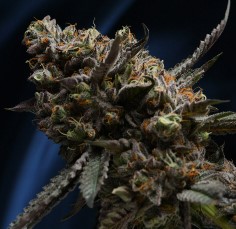
Cream cannabis plants are visually striking, characterized by dense, cone-shaped buds that are light green with purple undertones. The buds are coated in a generous layer of trichomes, giving them a frosty, crystalline appearance. Bright orange pistils weave through the buds, enhancing their visual appeal.
Aroma and Flavor Profile
Cream lives up to its name with a rich, creamy aroma complemented by hints of vanilla, caramel, and earthy undertones. Upon inhalation, users experience a smooth and sweet flavor, reminiscent of a decadent dessert. The exhale often reveals subtle hints of citrus and nutty notes, leaving a pleasant aftertaste.
The strain’s terpene profile includes:
- Limonene: Contributes to its citrusy undertones and uplifting effects.
- Myrcene: Adds an earthy aroma and promotes relaxation.
- Caryophyllene: Provides a spicy, peppery note and potential anti-inflammatory properties.
- Linalool: Offers floral hints and calming effects.
Potency and Cannabinoid Content
Cream boasts a moderate to high THC content, typically ranging from 18% to 24%, making it suitable for both novice and experienced users. The CBD levels are generally low, averaging around 0.1% to 0.3%, but this is complemented by a diverse range of other cannabinoids and terpenes that enhance the overall effects through the entourage effect.
Recreational Uses
Euphoric and Uplifting Effects
Cream’s balanced hybrid nature provides an initial burst of euphoria and mental clarity, making it an excellent choice for social settings or creative activities. The sativa influence uplifts the mood, enhancing focus and creativity, which can be particularly beneficial for artists, writers, or anyone engaging in imaginative endeavors.
Relaxation and Stress Relief
As the effects progress, the indica properties become more pronounced, offering deep relaxation and a sense of calm. This makes Cream ideal for unwinding after a long day or enjoying a laid-back evening. It’s particularly appreciated for its ability to melt away stress without causing overwhelming sedation.
Versatility
Cream’s effects are neither too energizing nor overly sedating, allowing users to enjoy it at various times of the day. It pairs well with activities like watching movies, enjoying music, or engaging in light physical activities like yoga.
Medical Applications
Pain Management
Cream’s cannabinoid and terpene profile make it effective in alleviating chronic pain, muscle spasms, and inflammation. The presence of caryophyllene, a terpene known for its anti-inflammatory properties, enhances its pain-relieving effects.
Anxiety and Depression
The uplifting and mood-enhancing effects of Cream can help individuals struggling with anxiety and depression. The strain’s balanced nature ensures a calming experience without exacerbating symptoms of anxiety, which can sometimes occur with high-THC strains.
Insomnia
Thanks to its relaxing indica properties, Cream is a popular choice for individuals suffering from insomnia. A moderate dose can help users achieve restful sleep without causing grogginess the next day.
Appetite Stimulation
Cream is also known to increase appetite, making it beneficial for patients dealing with appetite loss due to medical conditions or treatments like chemotherapy.
1. Methods of Ingestion
a. Smoking
- Description: Combustion of dried Cream flower, typically rolled into joints, smoked through pipes, or water bongs.
- Mechanism: THC and other cannabinoids are rapidly absorbed through the alveoli in the lungs and enter the bloodstream.
- Pros: Quick onset, high bioavailability (~25-30%), and ease of use.
- Cons: Combustion can irritate the respiratory system.
b. Vaporization
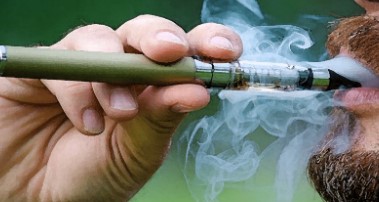
- Description: Heating Cream flower or concentrates to temperatures below combustion, releasing cannabinoids as vapor.
- Mechanism: Inhalation through vaporizers provides similar rapid absorption as smoking without combustion byproducts.
- Pros: Cleaner inhalation, preserves terpenes, and provides precise temperature control.
- Cons: Requires specialized devices.
c. Edibles
- Description: Using cannabinoids derived from cream in food or drink.
- Mechanism: THC is metabolized by the liver into 11-hydroxy-THC, a potent psychoactive metabolite.
- Pros: Long-lasting, discrete, and non-irritating to the respiratory system.
- Cons: Slower onset and higher variability in dosage and effects.
d. Sublinguals and Tinctures
- Description: Tinctures or oils infused with cannabis that are applied topically.
- Mechanism: Absorbed through the mucous membranes for rapid entry into the bloodstream.
- Pros: Faster onset compared to edibles, discreet, and easy to dose.
- Cons: Slightly slower than inhalation methods.
e. Topicals
- Description: Products with cannabis infusions that are applied topically as creams.
- Mechanism: Without being absorbed systemically, cannabinoids interact with local CB2 receptors.
- Pros: Targeted, non-psychoactive treatment for inflammation or pain in a specific area.
- Cons: No psychoactive experience; only therapeutic effects.
f. Dabbing
- Description: Using an e-nail or dab rig, inhale cream concentrate (oil, wax, or shatter).
- Mechanism: Provides high concentrations of THC and terpenes via inhalation.
- Pros: Intense effects, fast onset, and highly potent.
- Cons: May not be suitable for novice users due to potency.
2. Onset and Duration by Method
| Ingestion Method | Onset | Peak | Duration | Bioavailability |
|---|---|---|---|---|
| Smoking | 1-5 minutes | 10-20 minutes | 1-3 hours | ~25-30% |
| Vaporization | 1-5 minutes | 10-20 minutes | 1-3 hours | ~35-45% |
| Edibles | 30-90 minutes | 2-4 hours | 4-8 hours | ~5-15% |
| Sublingual | 15-30 minutes | 30-60 minutes | 2-4 hours | ~20-30% |
| Topicals | N/A | N/A | Up to 12 hours | Localized only |
| Dabbing | 1-3 minutes | 5-15 minutes | 2-4 hours | ~50-60% |
3. Effects Based on Ingestion Method
a. Smoking and Vaporization
- Onset: Rapid, within minutes.
- Effects: Initial euphoria, creativity boost, and relaxation. Ideal for providing instant symptom relief (e.g., pain, anxiety).
- Intensity: Moderate to strong, depending on dose.
b. Edibles
- Onset: Slow (30–90 minutes) because of liver metabolism and gastrointestinal absorption.
- Effects: Potent body-high with long-lasting effects. Perfect for long-term stress relief, insomnia, or chronic pain.
- Intensity: Strong; 11-hydroxy-THC may make you feel more sedative.
c. Sublinguals
- Onset: Moderate (15-30 minutes) through mucosal absorption.
- Effects: Balanced; offers both immediate relief and effects that last for a moderate amount of time. Suitable for managing anxiety or acute pain.
- Intensity: Moderate to strong, depending on dose.
d. Topicals
- Onset: Immediate for localized effects.
- Effects: Relief of muscle soreness, joint pain, or inflammation without psychoactive effects.
- Intensity: Mild to moderate; entirely localized.
e. Dabbing
- Onset: Instantaneous.
- Effects: Intense euphoria, full-body relaxation, and heightened sensory perception. Best suited for experienced users.
- Intensity: Very strong due to high THC concentration.
4. Pharmacodynamics and Pharmacokinetics
Pharmacodynamics
- Receptors: Other cannabinoids, such as caryophyllene, interact with CB2 receptors to modulate pain and inflammation, while THC binds to CB1 receptors in the central nervous system to produce psychoactive effects.
- Terpene Interaction: Terpenes such as myrcene enhance THC absorption (terpenoid entourage effect), while limonene and linalool modulate mood and anxiety levels.
Pharmacokinetics
- Absorption:
- Inhalation methods bypass first-pass metabolism, delivering cannabinoids directly to the bloodstream for rapid onset.
- Oral ingestion undergoes first-pass metabolism in the liver, converting THC to the more potent 11-hydroxy-THC.
- Distribution: Cannabinoids are lipophilic, accumulating in fatty tissues and slowly releasing over time.
- Metabolism: Metabolized primarily by liver enzymes (CYP450 family), producing active and inactive metabolites.
- Excretion: Eliminated through feces (major route) and urine (minor route).
5. Therapeutic and Recreational Effects
Therapeutic Effects:
- Euphoria and Mood Elevation: Helps manage depression and stress.
- Relaxation: Beneficial for anxiety disorders and sleeplessness.
- Pain Relief: Reduces migraines, inflammation, and chronic pain.
- Appetite Stimulation: Beneficial for patients undergoing chemotherapy or experiencing appetite loss.
Recreational Effects:
- Initial Uplift: Laughter, creativity, and social stimulation.
- Progressive Relaxation: Full-body relaxation, couch-lock, and a dream-like state in higher doses.
- Enhanced Sensory Perception: Heightened appreciation of music, art, and tactile sensations.
6. Tolerance and Dependence
- Tolerance: Regular use of Cream may result in tolerance, requiring higher doses to achieve the same effects.
- Dependence: While the risk is low, heavy users may experience mild psychological dependence. These risks can be reduced by rotating strains and taking tolerance breaks.
Scientific Insights
Cannabinoid Profile
Tetrahydrocannabinol, or THC, is the main psychoactive ingredient in Cream. It produces its euphoric and calming effects by interacting with the brain’s CB1 receptors. The strain’s strong effects, perfect for both recreational and specific medical applications, are not diminished by its low CBD (cannabidiol) content.
Additional cannabinoids present in trace amounts include:
- CBG (Cannabigerol): CBG (cannabigerol): Well-known for its neuroprotective and anti-inflammatory qualities.
- CBC (Cannabichromene): May contribute to mood elevation and pain relief.
Terpene Science
The synergistic effects of Cream’s terpenes enhance its therapeutic potential. For example:
- Limonene: Research indicates that it has mood-enhancing and anxiety-reducing qualities.
- Myrcene: Renowned for its ability to relax muscles and induce a sedative.
- Caryophyllene: Acts on CB2 receptors, providing anti-inflammatory and analgesic benefits.
- Linalool: May encourage sleep and lessen anxiety.
Pharmacology
THC binds to CB1 receptors in the brain’s endocannabinoid system, influencing mood, perception, and appetite. The entourage effect—a synergistic interaction between cannabinoids and terpenes—enhances the overall efficacy of Cream, providing a holistic experience.
Cultivation Techniques for Cream Cannabis Strain
To achieve the highest quality yields and fully develop the unique properties of the Cream cannabis strain, growers can use best practices and techniques supported by science. Here are specific details about how it is grown:
1. Genetics Selection and Propagation
- Seed Selection: Choose high-quality seeds from reputable breeders that guarantee a stable Cream strain phenotype.
- Cloning: Experienced growers often propagate Cream through cloning to ensure genetic consistency and save time during germination.
- Tissue Culture: Advanced growers may use tissue culture methods to propagate Cream plants, reducing the risk of pathogens and preserving the genetic integrity of the strain.
2. Optimizing Growth Mediums
- Soil: Use nutrient-rich organic soil for enhanced terpene development and flavor profiles.
- Hydroponics: Employ hydroponic systems for faster growth and precise control over nutrient delivery. This technique works especially well for indoor growing.
- Coco Coir: Coco coir blends provide excellent drainage and aeration, balancing the benefits of soil and hydroponic systems.
3. Lighting Requirements
- Light Spectrum: During the vegetative stage, provide light with a higher blue spectrum (6,000–6,500K) to promote leafy growth. For flowering, switch to a red-dominant spectrum (2,700–3,000K).
- Light Intensity: Maintain high-intensity LED or HID lights with adjustable power. Cream responds well to 600–1,000 µmol/m²/s of light during flowering.
- Photoperiod: Employ an 18/6 light-dark cycle during the vegetative stage and a 12/12 cycle for flowering.
4. Nutrient Management
- Nitrogen: Use nitrogen-rich nutrients during the vegetative stage for vigorous growth.
- Phosphorus and Potassium: Increase phosphorus and potassium levels during flowering to support bud development and resin production.
- Micronutrients: Ensure sufficient levels of calcium, magnesium, and sulfur for robust plant health.
- pH Balance: Maintain a pH range of 6.0–6.5 for soil and 5.5–6.0 for hydroponics.
5. Temperature and Humidity Control
- Temperature: Keep daytime temperatures between 70°F and 80°F during the vegetative phase, with a slight decrease during the night. In flowering, reduce temperatures to 65°F–75°F to enhance terpene production.
- Humidity: Keep relative humidity (RH) levels at 50%–70% during vegetative growth and reduce to 40%–50% during flowering to prevent mold and mildew.
6. Advanced Training Techniques
- Low-Stress Training (LST): Bend and tie branches to optimize light exposure and maximize canopy space.
- Topping and Fimming: Prune the main growth tip to encourage bushier growth and multiple colas.
- Screen of Green (ScrOG): Use a screen to create an even canopy, improving light penetration and increasing yields.
- Defoliation: Strategically remove excess leaves to boost airflow and direct energy toward bud development.
7. Environmental Enrichment
- CO₂ Supplementation: To improve photosynthesis and increase yields, use CO₂ generators or tanks, particularly in sealed indoor environments.
- Air Circulation: To ensure steady airflow and lower the risk of pathogens and pests, install oscillating fans.
- Odor Control: Implement carbon filters in indoor setups to manage Cream’s distinct aroma.
8. Integrated Pest Management (IPM)
- Preventative Measures: Use sterile tools and clean growing areas regularly.
- Beneficial Insects: To naturally manage pests, introduce predatory insects such as nematodes or ladybugs.
- Organic Pesticides: Apply neem oil or insecticidal soap sparingly to combat pests without harming the plant.
9. Harvesting and Post-Harvest Techniques
- Harvest Timing: Harvest Cream when the trichomes shift from clear to milky white, with some amber hues, for optimal potency.
- Drying: Dry buds in a dark, well-ventilated space with 50%–60% RH and temperatures between 60°F and 70°F.
- Curing: Cure buds in airtight glass jars, opening daily for air exchange during the first week. This process improves potency, flavor, and aroma.
- Storage: Store dried buds in a cool, dark place in airtight containers with humidity packs to preserve quality.
10. Data Monitoring and Adjustments
- Use smart grow systems or IoT devices to monitor environmental factors like temperature, humidity, and nutrient levels in real time.
- Variables are dynamically adjusted according to plant feedback and growth stage needs.
Potential Side Effects
Dry Mouth and Eyes
Cream, like a lot of cannabis strains, can make your eyes and mouth dry. These discomforts can be reduced by using eye drops and staying hydrated.
Dizziness and Anxiety
Rarely, users may feel lightheaded or anxious, especially when taking larger dosages. Starting with a low dose and gradually increasing can help mitigate these effects.
Sedation
While Cream is not overly sedating, its indica properties can induce drowsiness in higher doses, making it inappropriate for use during the day if productivity is needed.
Consumer Reviews and Popularity
Cream has garnered widespread acclaim for its well-rounded effects and delightful flavor profile.Users frequently compliment its suitability for both medical and recreational uses, as well as its capacity to induce relaxation without producing excessive sedation. Cannabis enthusiasts love it for its smooth smoke and dessert-like scent.
Conclusion
Cream cannabis is an amazing hybrid that offers both medical and recreational users a variety of experiences by fusing the best qualities of sativa and indica. Its creamy flavor profile, balanced effects, and therapeutic potential make it a standout choice in the cannabis market. Whether you’re seeking relief from pain and anxiety or looking for a strain to enhance creativity and relaxation, Cream delivers an exceptional experience for a wide range of needs.
For a complete directory of cultivars, visit our Cannabis Strain Reviews.
