Table of Contents
Cream Caramel is a celebrated cannabis strain renowned for its unique combination of flavors, aromas, and effects. This indica-dominant hybrid is highly favored by both recreational and medical cannabis users due to its potent properties and wide array of benefits. It has earned numerous accolades, including recognition at various cannabis competitions, solidifying its status as a top-tier strain. This document delves into the comprehensive details of Cream Caramel, including its genetic profile, chemical composition, cultivation characteristics, medical and recreational applications, and scientific insights.
Genetics and Origins
Cream Caramel is a meticulously bred hybrid, created by crossing three renowned cannabis strains:
- BlueBlack – A balanced hybrid with calming effects and a fruity, earthy profile.
- Maple Leaf Indica – Known for its resin production and sweet, hash-like aroma.
- White Rhino – A robust indica-dominant strain with potent relaxation properties.
The result is a strain with a genetic makeup of approximately 90% indica and 10% sativa, making it a powerful tool for relaxation and therapeutic use.
Appearance, Aroma, and Flavor
Appearance
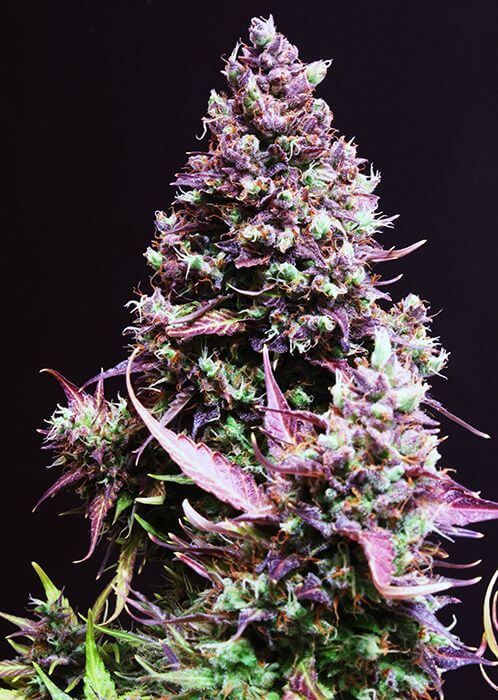
Cream Caramel boasts visually stunning buds that are dense, compact, and generously coated with trichomes. The flowers are deep green with hints of purple and orange pistils, giving the strain a vibrant and appealing appearance.
Aroma
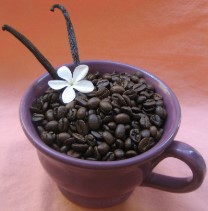
The aroma profile of Cream Caramel is a rich blend of sweetness and earthiness, reminiscent of caramel, vanilla, and hints of coffee. When broken apart, the buds release a pungent, musky undertone that complements the sweet overtones.
Flavor
True to its name, Cream Caramel delivers a smooth and creamy flavor experience. The taste is dominated by caramel and vanilla notes, with subtle hints of citrus and spice. The exhale is a favorite among people because it leaves a lasting sweetness on the palate.
Chemical Composition
Cannabinoid Profile
- THC: Cream Caramel typically contains THC levels ranging from 18% to 24%, making it a potent strain suitable for experienced users.
- CBD: Cream Caramel CBD levels are relatively low, usually under 1%, but this does not detract from its therapeutic potential due to the entourage effect.
Terpene Profile
Terpenes are aromatic substances that influence the flavor and effects of the strain. The dominant terpenes in Cream Caramel include:
- Myrcene: Known for its sedative properties and earthy aroma.
- Limonene: Provides uplifting and stress-relieving effects with citrus undertones.
- Caryophyllene: Offers anti-inflammatory and pain-relief benefits with a spicy, woody aroma.
- Humulene: Adds a subtle herbal note and aids in appetite suppression.
1. General Cultivation Overview
Cream Caramel is an indica-dominant hybrid, making it naturally resilient and ideal for growers of all skill levels. Its genetic lineage contributes to its adaptability, resistance to pests, and heavy resin production. Below are the essential factors for cultivating this strain effectively.
2. Growing Environment
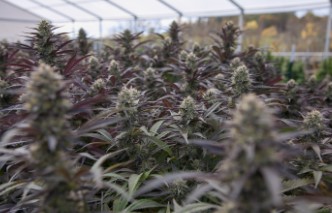
Indoor Cultivation
- Advantages:
- Controlled environment minimizes external stressors.
- Maximized cannabinoid and terpene production due to precise regulation.
- Optimal Conditions:
- Temperature: 70–80°F (21–27°C) during the vegetative stage; 65–75°F (18–24°C) during flowering.
- Humidity: 50-60% in the vegetative stage; reduce to 40-50% during flowering to prevent mold.
- Lighting:
- Vegetative Stage: 18-24 hours of light using LEDs or HPS lamps.
- Flowering Stage: 12 hours of light and 12 hours of darkness for proper flowering induction.
- Ventilation: Essential for preventing mold and maintaining airflow to strengthen stems.
- Soil or Hydroponics: Cream Caramel thrives in both systems, though hydroponics may accelerate growth and enhance yields.
Outdoor Cultivation
- Advantages:
- Lower operational costs and larger potential yields.
- Sunlight enhances terpene profiles.
- Optimal Conditions:
- Climate: Mediterranean-like climates with consistent sunlight.
- Temperature: Best between 65-85°F (18-29°C).
- Harvest Period: Late September to early October.
- Pest Management: Use organic pesticides or companion planting (e.g., marigolds) to deter pests naturally.
3. Soil and Medium
- Preferred Soil: Rich, loamy soil with excellent drainage.
- pH Range: 6.0–6.8 for soil; 5.5–6.5 for hydroponic systems.
- Nutrient-Rich Additives: Include compost, bat guano, and fish meal for organic grows.
- Hydroponic Systems:
- Faster nutrient absorption and growth rates.
- Use high-quality nutrients specifically designed for cannabis.
4. Nutrient Requirements
Nutrient Phases
- Vegetative Stage:
- Nitrogen (N): High levels to promote leaf and stem growth.
- Phosphorus (P) and Potassium (K): Moderate amounts for root and overall plant health.
- Recommended NPK Ratio: 3:1:2.
- Flowering Stage:
- Decrease nitrogen levels to encourage flowering.
- To promote bud development and resin production, raise potassium and phosphorus levels.
- Recommended NPK Ratio: 1:3:3.
Micronutrients:
- Calcium (Ca), Magnesium (Mg), and Sulfur (S) are vital for enzymatic processes and cannabinoid production.
- Supplement with Cal-Mag solutions if deficiencies appear (e.g., yellowing leaves or weak stems).
5. Growth Stages and Techniques
Stages
- Germination (3-7 days):
- Keep seeds in a warm, dark environment with consistent moisture.
- Use pH-balanced water (6.0-6.5) to prevent seedling stress.
- Seedling Stage (2-3 weeks):
- Light Intensity: 18-24 hours/day.
- Humidity: Maintain at 60-70% to support root development.
- Nutrients: Avoid overfeeding; start with low-dose nutrients.
- Vegetative Stage (4-8 weeks):
- Encourage lateral growth with proper pruning and training.
- Use low-stress training (LST) or topping to maximize light exposure.
- Flowering Stage (8-9 weeks):
- Shift to a 12/12 light schedule indoors.
- Lower the humidity to avoid mildew and mold.
- Watch for the appearance of trichomes and monitor for peak potency.
6. Advanced Cultivation Techniques
Low-Stress Training (LST)
- Purpose: Increases light penetration and encourages even canopy development.
- How-To:
- Gently bend branches and secure them with soft ties to redirect growth.
- Improves yield by exposing more bud sites to light.
Screen of Green (ScrOG)
- Purpose: Maximizes space efficiency and yield in indoor grows.
- How-To:
- Install a screen above the plants and train branches to grow horizontally.
- Ideal for small grow spaces as it ensures even light distribution.
Defoliation and Pruning
- Purpose: Increases airflow and directs energy toward bud production.
- How-To:
- Remove lower, non-essential leaves during the vegetative and early flowering stages.
- Avoid excessive pruning during late flowering to prevent stress.
Flushing
- Purpose: Removes excess nutrients, ensuring a smoother smoke.
- How-To:
- Flush plants with plain, pH-balanced water 1-2 weeks before harvest.
7. Pest and Disease Management
Common Issues
- Pests:
- Spider mites, aphids, and whiteflies are common threats.
- Solutions: Neem oil, insecticidal soaps, or predatory insects like ladybugs.
- Diseases:
- Powdery mildew and bud rot can occur in high humidity.
- Solutions: Maintain proper humidity, improve airflow, and apply organic fungicides.
Preventive Measures:
- Check plants frequently for indications of disease or pests.
- Avoid overwatering to prevent root rot.
- Use sterilized tools and clean grow spaces to minimize contamination.
8. Harvesting and Post-Harvest Process
Harvesting
- Indicators:
- Pistils: 70-90% of pistils should turn from white to orange-brown.
- Trichomes: Make sure to examine trichomes with a magnifying glass. Harvest when most are cloudy, with a few amber ones for peak potency.
- Timing: Harvest during the early morning or after a dark period to preserve resin and terpenes.
Drying and Curing
- Drying:
- Place the buds upside down in a well-ventilated, dark area.
- Temperature: 60-70°F (15-21°C); Humidity: 50-60%.
- Duration: 7-14 days until stems snap cleanly.
- Curing:
- Place dried buds in airtight jars.
- Open jars daily for the first 1-2 weeks to release moisture.
- Optimal Curing Time: 2-4 weeks for improved flavor, potency, and smoothness.
9. Yield Potential
Indoor Yield:
- Average: 400-500 grams/m\u00b2.
- High-yield setups can reach up to 600 grams/m\u00b2 with optimized conditions.
Outdoor Yield:
- Average: 500-700 grams per plant.
- Larger yields possible in optimal climates with ample sunlight.
10. Scientific Insights
Red light during flowering enhances bud development and resin production.
Resin and Cannabinoid Development:
Cream Caramel’s heavy resin production is a result of its genetic lineage, making it ideal for concentrates and extracts.
High levels of THC (18-24%) and abundant terpenes (e.g., myrcene and caryophyllene) contribute to its sedative and therapeutic effects.
Stress Responses:
Moderate stress techniques (e.g., LST) enhance trichome production, as the plant perceives the stress as a threat and ramps up resin production as a defense mechanism.
Light Spectrum:
Blue light during the vegetative stage promotes compact growth and robust stems.
Medical Uses
Cream Caramel is highly regarded in the medical cannabis community for its diverse therapeutic applications. Its indica-dominant effects make it particularly effective for conditions requiring relaxation and pain relief.
Chronic Pain
The high THC content and presence of caryophyllene contribute to its analgesic properties. Cream Caramel is often recommended for:
- Arthritis
- Migraines
- Neuropathic pain
Sleep Disorders
The sedative effects of myrcene make Cream Caramel an excellent choice for individuals suffering from insomnia. It helps users fall asleep faster and achieve a deeper, more restorative sleep.
Stress and Anxiety
The calming effects of limonene and myrcene help alleviate symptoms of stress, anxiety, and PTSD. Users report a sense of euphoria and mental tranquility.
Appetite Stimulation
This strain is beneficial for individuals with appetite loss due to medical treatments or conditions such as chemotherapy or HIV/AIDS.
Anti-Inflammatory Benefits
Caryophyllene and humulene work synergistically to reduce inflammation, making it suitable for conditions like Crohn’s disease and fibromyalgia.
Recreational Uses
Cream Caramel’s recreational appeal lies in its versatile and enjoyable effects. The strain offers a balanced experience that caters to various preferences.
Relaxation and Stress Relief
Recreational users often turn to Cream Caramel for its ability to induce deep relaxation. It is ideal for unwinding after a long day or enjoying a calm evening.
Creative Inspiration
Despite its indica dominance, the slight sativa influence provides a subtle cerebral buzz. This can enhance creativity and focus for artistic or intellectual pursuits.
Social Settings
The euphoric effects make Cream Caramel a great choice for social gatherings. It promotes a happy, talkative mood without causing excessive sedation.
Couch-Lock and Movie Nights
For those seeking a more tranquil experience, higher doses of Cream Caramel can lead to a “couch-lock” effect, perfect for binge-watching favorite shows or enjoying a relaxing movie night.
Methods of Ingestion
1. Smoking
- Description: Inhaling the combusted flower using a joint, pipe, or bong.
- Onset: Effects typically begin within 1-5 minutes after inhalation.
- Duration: Lasts about 2-3 hours.
- Advantages:
- Rapid onset, allowing users to gauge their dosage effectively.
- Provides the full spectrum of terpenes and cannabinoids.
- Disadvantages:
- Combustion can irritate the respiratory system.
- Shorter duration compared to other methods.
2. Vaping
- Description: Heating the flower or concentrate to vaporize cannabinoids and terpenes without combustion.
- Onset: Effects usually appear within 1-5 minutes.
- Duration: Lasts about 2-4 hours.
- Advantages:
- Preserves terpenes better than smoking.
- Reduced exposure to harmful byproducts of combustion.
- Disadvantages:
- Requires a vaporizer, which can be costly.
- Effects may be slightly less intense compared to smoking.
3. Edibles
- Description: Infused food or beverages containing Cream Caramel’s active compounds, usually THC and trace cannabinoids.
- Onset: 30-90 minutes, depending on individual metabolism and whether taken on an empty stomach.
- Duration: Effects can last 4-8 hours, sometimes longer.
- Advantages:
- Longer-lasting effects, suitable for sustained relief.
- Discreet consumption method.
- Disadvantages:
- Longer onset can lead to overconsumption if not paced.
- Effects are more potent due to THC metabolizing into 11-hydroxy-THC in the liver.
4. Sublingual (Tinctures)
- Description: Applying cannabis oil or tinctures under the tongue for absorption through mucous membranes.
- Onset: 15-30 minutes.
- Duration: Lasts about 2-6 hours.
- Advantages:
- Faster onset compared to edibles.
- Dosage is easier to control with a dropper.
- Disadvantages:
- Some users may find the taste unpleasant.
- Effects are not as rapid as smoking or vaping.
5. Topicals
- Description: Creams, balms, or transdermal patches infused with cannabis applied directly to the skin.
- Onset: Varies, with localized relief within 15-60 minutes.
- Duration: The effects may linger for six to eight hours.
- Advantages:
- Ideal for localized pain and inflammation without psychoactive effects.
- Non-invasive and easy to apply.
- Disadvantages:
- Limited systemic effects unless using transdermal patches.
Onset and Duration by Method
| Method | Onset | Peak Effects | Duration |
|---|---|---|---|
| Smoking | 1-5 minutes | 30 minutes to 1 hour | 2-3 hours |
| Vaping | 1-5 minutes | 30 minutes to 1 hour | 2-4 hours |
| Edibles | 30-90 minutes | 2-4 hours | 4-8 hours |
| Sublingual | 15-30 minutes | 1-3 hours | 2-6 hours |
| Topicals | 15-60 minutes | Localized | 6-8 hours |
Effects of Cream Caramel by Ingestion Method
Smoking or Vaping
- Primary Effects: Rapid relaxation, euphoric uplift, and mild sedation. Smoking or vaping preserves the strain’s full terpene profile, enhancing its caramel-like flavor and aroma.
- Best for: Rapid alleviation of discomfort, tension, or worry. Ideal for evening use to unwind or before bedtime.
- Caution: Can cause coughing or throat irritation in sensitive users.
Edibles
- Primary Effects: Deep body relaxation, pronounced euphoria, and longer-lasting relief from chronic conditions. The intensity is generally stronger due to the metabolization process in the liver.
- Best for: Managing chronic pain, insomnia, or stress over an extended period. Perfect for users seeking a sustained effect without the need to re-dose frequently.
- Caution: Overconsumption can lead to prolonged sedation, dizziness, or discomfort due to the delayed onset.
Sublingual
- Primary Effects: Balanced relaxation with mild euphoria. Effects are less intense than edibles but more sustained than smoking or vaping.
- Best for: Precise dosing and those seeking moderate, sustained relief without inhalation.
- Caution: Tinctures may have a strong herbal taste.
Topicals
- Primary Effects: Localized pain relief without psychoactive effects. Can reduce inflammation and promote skin health.
- Best for: Arthritis, muscle soreness, and localized inflammation.
- Caution: Not effective for systemic or psychoactive effects unless using a transdermal patch.
Scientific Considerations
- Bioavailability:
- Smoking and vaping offer the highest bioavailability (20-30%), ensuring rapid and effective delivery of cannabinoids.
- Edibles and tinctures have lower bioavailability (~6-20%) due to first-pass metabolism in the liver.
- THC Metabolism:
- Inhaled THC bypasses the liver, delivering delta-9-THC directly to the bloodstream.
- Ingested THC converts to 11-hydroxy-THC, which is more potent and has a longer half-life, explaining the intensity and duration of edibles.
- Terpene Preservation:
- Smoking and vaping preserve volatile terpenes like myrcene and limonene, enhancing the entourage effect.
- Edibles often lose terpenes during the cooking process unless specifically formulated to retain them.
- Onset Mechanisms:
- Smoking/vaping: Cannabinoids rapidly cross the alveolar membrane into the bloodstream.
- Edibles: THC must first be digested and metabolized, resulting in a slower onset but stronger effects.
Scientific Insights
Mechanism of Action
The effects of Cream Caramel are mediated by its interaction with the endocannabinoid system (ECS). THC binds to CB1 receptors in the brain, producing psychoactive effects and pain relief. Meanwhile, terpenes like myrcene and caryophyllene modulate these effects through the entourage effect.
Pharmacological Effects
- Analgesic: Activates CB1 and CB2 receptors to reduce pain perception.
- Sedative: Myrcene’s interaction with GABA receptors contributes to its calming effects.
- Mood Enhancement: Limonene influences serotonin and dopamine levels, improving mood and reducing anxiety.
Research Studies
- Pain Relief: Studies highlight the efficacy of high-THC, myrcene-rich strains like Cream Caramel in managing chronic pain conditions.
- Anti-Anxiety: Research indicates that limonene and myrcene can significantly reduce stress-related behaviors.
- Sleep Improvement: Clinical trials suggest that cannabis strains high in myrcene are effective for improving sleep duration and quality.
Potential Side Effects
While Cream Caramel offers numerous benefits, it is not without potential side effects:
- Dry Mouth and Eyes: Common with most cannabis strains, easily managed by staying hydrated.
- Dizziness: Can occur in novice users or with excessive consumption.
- Paranoia: Rare but possible, particularly in users prone to anxiety or with low THC tolerance.
- Sedation: In higher doses, the strain’s indica effects can lead to excessive drowsiness.
Usage Recommendations
- Dosage: Start with a low dose, especially for beginners, and gradually increase as needed.
- Consumption Methods: Cream Caramel can be enjoyed through smoking, vaping, or as an edible for a longer-lasting effect.
- Timing: Best suited for evening or nighttime use due to its sedative properties.
Conclusion
Cream Caramel is a versatile and potent cannabis strain that stands out for its unique combination of flavors, aromas, and effects. Its rich genetic lineage, robust chemical profile, and wide range of medical and recreational applications make it a favorite among cannabis enthusiasts and patients alike. Whether seeking relief from chronic pain, insomnia, or stress, or simply looking for a flavorful and relaxing experience, Cream Caramel is an exceptional choice.
With its strong scientific backing and widespread acclaim, this strain continues to be a staple in the cannabis community, offering a delightful and effective option for various needs.
For a complete directory of cultivars, visit our Cannabis Strain Reviews.
