Table of Contents
Cramnesia is a rare and potent sativa-dominant hybrid strain that has gained attention in both recreational and medical cannabis communities. Known for its uplifting cerebral effects and potential therapeutic benefits, Cramnesia offers a unique balance of mental stimulation and bodily relaxation. This document explores the strain’s origins, genetic composition, terpene profile, cannabinoid content, medical benefits, and recreational uses.
Origins and Genetic Lineage
Cramnesia is a relatively new cannabis strain, developed by expert breeders who sought to create a hybrid that captures the best qualities of its parent strains. While its exact genetic makeup remains undisclosed, it is believed to be a cross between Amnesia Haze and an unknown high-THC sativa strain. This genetic background contributes to its high potency, energetic effects, and complex aroma.
Genetic Breakdown:
- Dominance: 70% Sativa / 30% Indica
- Primary Parents: Amnesia Haze x Unknown Sativa
- THC Content: 22% – 27%
- CBD Content: <1%
- CBG Content: ~1%
Appearance, Aroma, and Flavor Profile
Cramnesia is visually striking, with dense, cone-shaped buds coated in crystalline trichomes, indicating high potency. The buds are deep green with streaks of purple and orange pistils.
Aroma:
- Strong citrus and lemon zest
- Earthy and piney undertones
- Subtle hints of spice and herbal notes
Flavor:
- Tangy citrus with a sweet, fruity exhale
- Herbal and slightly peppery finish
- Hints of diesel and pine
Terpene Profile
The terpene composition of Cramnesia plays a significant role in its effects, flavor, and aroma. The dominant terpenes include:
- Limonene: Provides an uplifting, mood-enhancing effect with citrus aroma.
- Myrcene: Offers mild sedative properties, countering the sativa’s energizing effects for a balanced experience.
- Caryophyllene: Known for its anti-inflammatory and pain-relieving properties.
- Pinene: Improves focus and provides bronchodilatory benefits.
- Terpinolene: Adds floral and citrus notes while contributing to relaxation.
Effects and Recreational Uses
As a sativa-dominant strain, Cramnesia delivers an invigorating high that is ideal for daytime use. Its effects are often described as fast-acting and long-lasting, making it popular among those seeking productivity, creativity, and euphoria.
Recreational Effects:
- Cerebral Stimulation: Enhances creativity, making it a favorite among artists, musicians, and writers.
- Euphoria and Mood Boost: Provides a joyful, uplifting experience that helps counteract stress and depression.
- Energy and Focus: Improves mental clarity, making it suitable for work or social interactions.
- Mild Relaxation: While predominantly energetic, it has a subtle body-calming effect due to myrcene.
- Sensory Enhancement: Enhances music, art, and food experiences.
Ideal Activities for Cramnesia:
- Creative tasks like painting, writing, or composing music
- Outdoor pursuits like riding and hiking
- Social gatherings and conversations
- Gaming and movie-watching
- Productivity and work-related tasks
Medical Applications
Cramnesia is not just a recreational favorite but also has significant medicinal potential. Its unique cannabinoid-terpene synergy makes it useful for treating a variety of conditions.
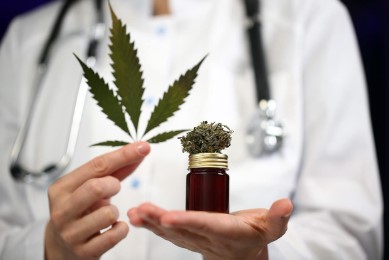
Medical Benefits:
- Depression and Anxiety:
- The high limonene content acts as a natural antidepressant.
- Uplifting effects help combat negative thought patterns.
- Chronic Fatigue:
- The stimulating properties make it an excellent choice for individuals experiencing low energy or sluggishness.
- Pain Management:
- Caryophyllene interacts with CB2 receptors to provide anti-inflammatory benefits.
- Mild analgesic effects can help with headaches, migraines, and muscle pain.
- ADHD and ADD:
- Pinene improves focus and cognitive function, aiding individuals with attention deficits.
- Appetite Stimulation:
- Can help patients undergoing chemotherapy or suffering from appetite loss disorders.
- PTSD:
- Euphoric effects may help those dealing with trauma by promoting relaxation and reducing intrusive thoughts.
Methods of Ingestion, Duration, and Onset
The ingestion method of Cramnesia significantly affects its onset, duration, and bioavailability due to the way cannabinoids interact with the endocannabinoid system (ECS) and metabolism. Below is a comprehensive breakdown of different methods of consumption, including their scientific mechanisms, expected effects, and pharmacokinetics.
1. Methods of Ingestion
Cramnesia can be consumed in several ways, each offering different absorption rates and durations.
A. Inhalation (Smoking & Vaping)
- Mechanism:
- THC enters the lungs, where it is rapidly absorbed into the bloodstream via alveoli.
- Bypasses the digestive system, leading to fast onset and high bioavailability (~30-60%).
- Travels directly to the brain, activating CB1 receptors in the endocannabinoid system.
- Onset: 1-5 minutes
- Peak Effects: 10-30 minutes
- Duration: 2-4 hours
- Best For: Immediate relief, recreational euphoria, quick symptom management (e.g., pain, anxiety).
- Smoking vs. Vaping:
- Vaping at lower temperatures (~315-440°F) preserves terpenes and reduces combustion-related toxins.
- Smoking (joints, pipes, bongs) may result in higher combustion byproducts, but still provides a fast onset.

B. Edibles (Oral Ingestion)
- Mechanism:
- THC is metabolized in the liver into 11-hydroxy-THC (11-OH-THC), which is more potent and longer-lasting than delta-9 THC.
- Lower bioavailability (~4-20%) due to first-pass metabolism, but stronger psychoactive effects.
- Onset: 30-90 minutes
- Peak Effects: 2-4 hours
- Duration: 6-12 hours
- Best For: Chronic conditions, sustained relief, deep relaxation.
- Factors Affecting Onset & Intensity:
- Empty stomach: Faster absorption but more intense effects.
- Fatty foods: Enhance THC absorption due to its lipophilic nature.
- Metabolism rate: Faster metabolism shortens duration, while slower metabolism prolongs effects.
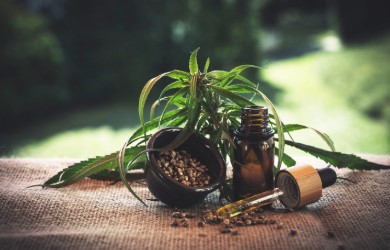
C. Sublingual Administration (Tinctures & Sprays)
- Mechanism:
- Absorbed directly into the bloodstream via sublingual capillaries, bypassing first-pass metabolism.
- Higher bioavailability than edibles (~25-35%).
- Onset: 15-45 minutes
- Peak Effects: 1-2 hours
- Duration: 4-6 hours
- Best For: Rapid relief without lung irritation, precise dosing.
- Key Considerations:
- Holding the liquid under the tongue for 60-90 seconds maximizes absorption.
- If swallowed immediately, it behaves more like an edible with delayed onset.
D. Topical Application (Creams, Patches, Balms)
- Mechanism:
- Cannabinoids bind to CB2 receptors in the skin and peripheral tissues, but do not enter the bloodstream.
- Transdermal patches, however, can allow cannabinoids to slowly enter systemic circulation.
- Onset: 10-60 minutes (transdermal patches may take 1-2 hours).
- Duration: 6-12 hours (patches may last 24-48 hours).
- Best For: Localized pain, inflammation, arthritis, muscle soreness.
- Key Considerations:
- Liposomal or nano-emulsion formulations enhance skin penetration.
- Transdermal patches can deliver sustained, controlled THC/CBD release over time.
E. Rectal & Nasal Administration
- Mechanism:
- Rectal administration bypasses first-pass metabolism, resulting in higher bioavailability than edibles.
- Nasal sprays offer rapid mucosal absorption, similar to sublingual methods.
- Onset: 10-30 minutes (rectal), 5-15 minutes (nasal).
- Peak Effects: 30-60 minutes.
- Duration: 4-8 hours.
- Best For: Patients with digestive issues, rapid absorption without inhalation.
2. Onset, Peak, and Duration: Pharmacokinetics
A. Factors Influencing Onset & Duration
- Metabolism & Genetics:
- Individuals with high CYP2C9 enzyme activity metabolize THC faster, leading to shorter effects.
- Tolerance Levels:
- Frequent users experience downregulation of CB1 receptors, requiring higher doses for the same effect.
- Terpene Synergy (Entourage Effect):
- Terpenes like myrcene enhance THC absorption, while limonene and pinene influence mood and focus.
- Hydration & Diet:
- High-fat meals increase THC bioavailability.
- Consumption Method:
- Inhalation = fast onset, shorter duration.
- Edibles = slow onset, prolonged duration.
3. Comparing Ingestion Methods: A Scientific Overview
| Method | Onset | Peak Effects | Duration | Bioavailability (%) | Best Use |
|---|---|---|---|---|---|
| Smoking | 1-5 min | 10-30 min | 2-4 hrs | 30-60% | Quick relief, euphoria |
| Vaping | 1-5 min | 10-30 min | 2-4 hrs | 40-60% | Fast onset, lung-friendly |
| Edibles | 30-90 min | 2-4 hrs | 6-12 hrs | 4-20% | Long-lasting effects |
| Sublingual | 15-45 min | 1-2 hrs | 4-6 hrs | 25-35% | Faster than edibles, discreet |
| Topical | 10-60 min | Varies | 6-12 hrs | Localized effect | Pain relief, non-psychoactive |
| Transdermal | 1-2 hrs | Varies | 24-48 hrs | Systemic absorption | Sustained THC release |
| Rectal | 10-30 min | 30-60 min | 4-8 hrs | 50-70% | High absorption, medical use |
| Nasal Spray | 5-15 min | 15-30 min | 4-6 hrs | 34-50% | Quickest non-inhalation method |
Conclusion
- For immediate effects: Vaping or smoking is best.
- For sustained relief: Edibles or transdermal patches provide long-lasting effects.
- For localized treatment: Topicals are effective without psychoactive effects.
- For rapid non-smoked absorption: Sublingual tinctures or nasal sprays are ideal.
Scientific Insights
Cannabis research has expanded significantly in recent years, allowing for a deeper understanding of how different strains affect the body and mind. Cramnesia’s high THC content interacts with the endocannabinoid system (ECS) by binding to CB1 receptors in the brain, resulting in its characteristic euphoria and stimulation.
Neurochemical Interactions:
- Dopaminergic Activation: THC boosts dopamine levels, enhancing motivation and pleasure.
- Serotonergic Modulation: Limonene’s interaction with serotonin receptors contributes to mood improvement.
- Anxiolytic Effects: Caryophyllene acts as a CB2 receptor agonist, reducing inflammation and stress response.
Potential Side Effects:
Despite its benefits, Cramnesia can cause adverse reactions in some users, particularly those sensitive to THC.
- Dry mouth and eyes
- Dizziness or mild paranoia at high doses
- Increased heart rate (not recommended for those with heart conditions)
- Anxiety in THC-sensitive individuals
Cultivation Information
Cultivation for Cramnesia Cannabis
Cultivating Cramnesia successfully requires a deep understanding of its sativa-dominant genetics, which influence its growth patterns, nutrient needs, and environmental conditions. Below is a detailed breakdown of the scientific techniques used to optimize Cramnesia’s cultivation for both indoor and outdoor environments.
1. Germination & Seedling Stage
- Optimal Conditions:
- Temperature: 72-78°F (22-26°C)
- Humidity: 70-80%
- Light: 18-24 hours of fluorescent (6500K) or LED light
- Process:
- Use the paper towel method for germination (moist but not soaked).
- Once taproots appear, transfer seedlings into light, well-aerated soil with a pH of 6.0-6.5.
- Seedlings require low EC (electrical conductivity) nutrients at 300-400 ppm.
2. Vegetative Growth
- Light Requirements:
- Indoor: 18-20 hours of light (HPS, LED, or CMH grow lights)
- Outdoor: Requires 10+ hours of direct sunlight daily
- Environmental Control:
- Temperature: 75-82°F (24-28°C)
- Humidity: 50-70%
- CO₂ Enrichment: Can be used to boost growth up to 30% more biomass (optimal levels: 1200-1500 ppm CO₂)
- Nutrients & Feeding:
- Nitrogen (N): High during vegetative growth
- Phosphorus (P): Moderate
- Potassium (K): High
- Ideal NPK ratio: 3:1:2
- Micronutrients: Magnesium (Mg), Calcium (Ca), and Sulfur (S) are essential for preventing deficiencies.
- Training Methods:
- Topping & FIMing: Increases lateral growth and yield.
- Low-Stress Training (LST): Helps optimize light penetration and canopy spread.
- SCROG (Screen of Green): Ideal for indoor growing to maximize bud production.
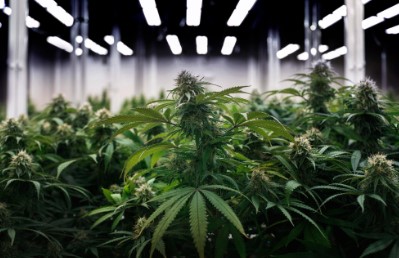
3. Pre-Flowering & Flowering Stage
- Light Schedule:
- Indoor: 12/12 (12 hours of light, 12 hours of darkness)
- Outdoor: Begins naturally as daylight decreases (late summer/early fall)
- Environmental Conditions:
- Temperature: 68-78°F (20-26°C)
- Humidity: 40-50% to prevent mold
- Air Circulation: Essential to prevent bud rot and pests
- Nutrient Adjustments:
- Reduce Nitrogen gradually to avoid excessive vegetative growth.
- Increase Phosphorus (P) and Potassium (K) for bud formation.
- Recommended NPK ratio: 1:3:4
- Techniques for Enhancing Yield:
- Defoliation: Airflow is improved by removing lower fan leaves.
- Lollipopping: Focuses plant energy on top cola production.
- Flush 7-10 Days Before Harvest: Removes excess salts for smoother smoke.
4. Harvesting & Curing
- Harvest Indicators:
- Trichome Color: Look for 60-70% cloudy, 10-20% amber trichomes.
- Pistils: Should turn from white to dark orange/red.
- Harvest Method:
- Wet Trimming vs. Dry Trimming: Wet trimming of Cramnesia prevents mold, while dry trimming allows slower curing.
- Curing Process:
- Dry buds in a dark room at 60°F (15°C) and 50-60% humidity for 7-14 days.
- Cure in airtight glass jars for at least 3-4 weeks, burping them daily to release excess moisture.
Scientific Enhancements for Higher Potency and Yield
- Hydroponic Cultivation:
- Deep Water Culture (DWC) and Ebb & Flow increase nutrient uptake.
- pH: 5.5-6.0
- EC Levels: 1.5-2.0 mS/cm during flowering.
- Tissue Culture Propagation:
- Ensures disease-free clones and genetic consistency.
- Beneficial Microbes & Mycorrhizae:
- Enhance root absorption of nutrients, improving growth and resistance to stress.
Conclusion
Cramnesia is a powerful sativa-dominant hybrid that offers a dynamic experience for both recreational and medical users. With its high THC levels, unique terpene profile, and potential therapeutic applications, Cramnesia is an excellent choice for those seeking a potent yet balanced high. Whether used to boost creativity, manage chronic fatigue, or alleviate stress, Cramnesia in the cannabis world, this strain is prized and flexible.
For a complete directory of cultivars, visit our Cannabis Strain Reviews.
