Table of Contents
Cotton Candy Kush, often called Cotton Candy, is a hybrid cannabis strain with a slightly indica-dominant profile (approximately 70% Indica and 30% Sativa). This strain is a cross between Lavender (a potent indica strain) and Power Plant (a sativa-dominant hybrid). With a THC content ranging between 17% and 22%, and sometimes even higher, it delivers a well-balanced mix of euphoria, relaxation, and mental stimulation.
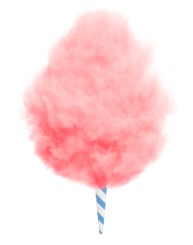
This strain is famous for its sweet, candy-like aroma and flavor, reminiscent of spun sugar with fruity and floral undertones. Its pleasant effects, medicinal benefits, and appealing aesthetics make it a favorite among both recreational and medical users.
Genetic Lineage and Composition
Cotton Candy Kush is derived from two well-known strains:
- Lavender – A heavily indica-dominant strain with calming and sedative properties.
- Power Plant – A sativa-dominant hybrid known for its energetic and uplifting effects.
Cannabinoid Profile:
- THC: 17% – 22%
- CBD: 0.1% – 1%
- CBG: ~1%
- Terpene Profile: Myrcene, Caryophyllene, Limonene, Linalool
Scientific Overview and Effects
Terpene Profile and Aromatics
The strain’s sweet, floral, and fruity aroma comes from its terpene composition:
- Myrcene (Dominant) – Produces sedative effects and enhances relaxation.
- Caryophyllene – Provides anti-inflammatory properties.
- Limonene – Contributes to mood elevation and stress relief.
- Linalool – Adds floral notes and promotes relaxation.
Physical Characteristics
- Appearance: Bright green buds with purple hues and orange pistils.
- Trichomes: Dense resin production gives it a sticky texture.
- Flavor Profile: Sweet cotton candy taste with berry and floral undertones.
Effects on the Body and Mind
Cotton Candy Kush offers a balanced combination of cerebral stimulation and physical relaxation:
- Onset: Fast-acting (5 – 10 minutes after inhalation)
- Peak Duration: 1 – 2 hours
- Aftereffects: May induce mild drowsiness, making it great for evening use.
Medical Benefits of Cotton Candy Kush

1. Pain Relief
- Effective for chronic pain, arthritis, and muscle spasms due to its high THC and caryophyllene content.
- Works as a natural analgesic, helping to reduce discomfort without the need for opioids.
2. Stress and Anxiety Reduction
- High levels of limonene help combat anxiety, depression, and stress.
- Induces euphoria and relaxation, preventing mental fatigue and tension.
3. Insomnia Treatment
- Myrcene and linalool work together to induce sleepiness, making Cotton Candy Kush ideal for insomnia sufferers.
4. Appetite Stimulation
- This strain is known to cause the munchies, making it helpful for patients with appetite loss, nausea, or eating disorders like anorexia.
5. Anti-Inflammatory Effects
- Caryophyllene interacts with CB2 receptors to reduce inflammation and neuropathic pain.
- Helps conditions like fibromyalgia, IBS, and autoimmune diseases.
6. Mood Enhancement
- The elevated dopamine response provides relief from depression and PTSD symptoms.
Recreational Uses and Experiences
1. Mood Boosting & Social Effects
- Cotton Candy Kush promotes a relaxed and euphoric mood.
- Enhances social interactions by reducing anxiety and promoting giggly, talkative states.
2. Creative Stimulation
- The sativa influence from Power Plant provides a mild cerebral buzz, making it useful for artists, musicians, and writers.
3. Body Relaxation
- Provides a soothing body high, making it great for lounging, meditation, or watching movies.
4. Sensory Enhancement
- Many users report heightened senses, making music, food, and touch more enjoyable.
5. Balanced Energy Levels
- While it promotes relaxation, the sativa elements prevent it from becoming too sedative, allowing for light activity.
Cotton Candy Kush’s Methods of Ingestion, Duration, and Onset
Cotton Candy Kush, like all cannabis strains, can be ingested through various methods, each affecting absorption, bioavailability, onset time, duration, and overall effects. Below is a scientific breakdown of its ingestion methods, pharmacokinetics, and physiological impact.
1. Methods of Ingestion and Their Scientific Effects
A. Inhalation (Smoking or Vaping)
Process:
- The most common method of ingestion.
- When smoked or vaporized, cannabinoids (THC, CBD, and terpenes) are rapidly absorbed through the alveoli in the lungs.
- The THC enters the bloodstream and crosses the blood-brain barrier (BBB) almost immediately.
Onset:
- 1 to 5 minutes (peak effects within 15-30 minutes).
Duration:
- Lasts 2 to 4 hours, depending on individual metabolism and dose.
Bioavailability:
- Estimated between 30-50% of inhaled cannabinoids reach systemic circulation.
- Vaping tends to have higher bioavailability than smoking due to better cannabinoid preservation.
Pros:
- Fast-acting effects.
- Precise dose control.
- Higher bioavailability than edibles.
Cons:
- Can cause respiratory irritation.
- Shorter duration compared to edibles.

B. Oral Consumption (Edibles & Capsules)
Process:
- Cannabinoids are metabolized through the digestive system and liver (first-pass metabolism) before entering circulation.
- THC is converted to 11-hydroxy-THC, which is more potent and longer-lasting than THC itself.
Onset:
- 30 to 90 minutes (peak effects at 2-3 hours).
Duration:
- Lasts 4 to 8 hours (sometimes up to 12 hours for high doses).
Bioavailability:
- Estimated between 4-20% due to hepatic first-pass metabolism.
- Fat-rich foods improve absorption due to THC’s lipophilic nature.
Pros:
- Longer-lasting effects.
- No respiratory risks.
- Discreet method.
Cons:
- Delayed onset can lead to overconsumption.
- Lower bioavailability compared to inhalation.
C. Sublingual (Tinctures, Sprays, and Lozenges)
Process:
- Absorbed through the oral mucosa directly into the bloodstream, bypassing first-pass metabolism.
Onset:
- 15 to 45 minutes (peak effects in 1 to 2 hours).
Duration:
- Lasts 4 to 6 hours.
Bioavailability:
- Estimated 30-40%, higher than edibles but lower than inhalation.
Pros:
- Faster onset than edibles.
- More efficient absorption than swallowing capsules or gummies.
Cons:
- Some users dislike the taste of cannabis-infused tinctures.
- Absorption can be inconsistent if not held under the tongue long enough.
D. Topical Application (Creams, Balms, and Transdermal Patches)
Process:
- Localized absorption through skin layers, interacting with CB2 receptors in the endocannabinoid system.
- Transdermal patches allow cannabinoids to enter the bloodstream for systemic effects.
Onset:
- 5 to 30 minutes (for localized effects).
- Transdermal patches: 1 to 2 hours (systemic effects).
Duration:
- Localized: Lasts 2 to 4 hours.
- Transdermal: Lasts 6 to 12 hours.
Bioavailability:
- Highly variable, as it depends on skin permeability and formulation.
Pros:
- No psychoactive effects (unless using transdermal THC patches).
- Effective for localized pain and inflammation.
Cons:
- Limited effects beyond the application site (except for transdermal patches).
- Slow absorption rate.
E. Intranasal Administration (Cannabis Nasal Sprays)
Process:
- Cannabinoids enter the bloodstream via the nasal mucosa, bypassing first-pass metabolism.
Onset:
- 5 to 10 minutes (peak in 15-30 minutes).
Duration:
- 2 to 4 hours.
Bioavailability:
- Estimated 40-60%, similar to inhalation.
Pros:
- Rapid onset with high bioavailability.
- Discreet and does not irritate the lungs like smoking.
Cons:
- Nasal irritation.
- Limited availability of cannabis nasal sprays.
2. Factors Influencing Onset and Duration
Several biological and external factors affect how long Cotton Candy Kush takes to work and how long it lasts:
A. Individual Physiology
- Metabolism – Faster metabolism results in quicker breakdown and elimination.
- Body fat percentage – THC is stored in fat tissues, affecting duration.
- Tolerance – Regular users experience a shorter duration due to CB1 receptor downregulation.
B. Dosage & Cannabinoid Profile
- Higher THC levels lead to quicker, more intense effects.
- CBD presence may counteract some psychoactive effects and influence duration.
C. Terpene Composition
- Myrcene increases THC absorption and enhances sedative effects.
- Limonene promotes an uplifting, fast-acting onset.
- Caryophyllene interacts with CB2 receptors, potentially extending duration.
D. Consumption Method
- Inhalation = Fast onset, shorter duration.
- Edibles = Slow onset, longer duration.
- Sublingual = Medium onset, moderate duration.
3. Comparative Overview of Cotton Candy Kush’s Ingestion Methods
| Method | Onset Time | Peak Effects | Duration | Bioavailability | Best For |
|---|---|---|---|---|---|
| Smoking/Vaping | 1-5 min | 15-30 min | 2-4 hrs | 30-50% | Fast relief, social use |
| Edibles | 30-90 min | 2-3 hrs | 4-8 hrs | 4-20% | Long-lasting effects, medical use |
| Sublingual | 15-45 min | 1-2 hrs | 4-6 hrs | 30-40% | Fast relief without smoking |
| Topicals | 5-30 min | N/A | 2-4 hrs | Varies | Localized pain relief |
| Transdermal Patches | 1-2 hrs | 3-4 hrs | 6-12 hrs | 50%+ | Long-term systemic relief |
| Nasal Spray | 5-10 min | 15-30 min | 2-4 hrs | 40-60% | Discreet, fast-acting relief |
Conclusion
Cotton Candy Kush can be ingested through various scientifically validated methods, each affecting onset, duration, and intensity differently.
- Smoking/vaping is best for immediate effects.
- Edibles are ideal for prolonged relief.
- Sublingual tinctures provide balanced onset and duration.
- Topicals/transdermal patches work well for localized or long-term systemic effects.
Side Effects and Precautions
While generally well-tolerated, Cotton Candy Kush can cause:
- Dry Mouth (Cottonmouth) – Stay hydrated.
- Dry Eyes – Use eye drops if necessary.
- Mild Dizziness – May occur in higher doses.
- Paranoia or Anxiety – Some sensitive users may feel slight paranoia at high doses.
- Sedation – Best suited for evening or nighttime use.
Who Should Avoid It?
- Beginners: Start with a low dose to assess tolerance.
- Users Prone to Anxiety: If sensitive to THC, consider microdosing.
- Those Needing High Energy: Not ideal for high-energy daytime activities.
Cultivation Information
Cultivation for Cotton Candy Kush
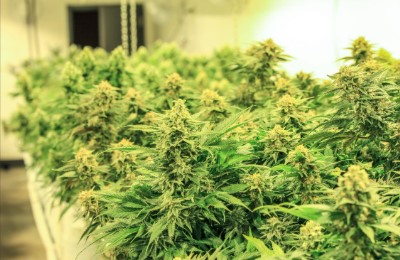
To cultivate Cotton Candy Kush effectively, growers must apply scientific principles in plant biology, environmental control, and nutrient management. Below are the key scientific methods used to ensure optimal yield, potency, and plant health.
1. Understanding the Growth Cycle
Cotton Candy Kush follows a standard cannabis growth cycle, which includes:
- Germination (1-7 days) – Seeds sprout with moisture, warmth (70-85°F), and darkness.
- Seedling Stage (1-3 weeks) – Requires 18-24 hours of light and proper humidity (60-70%).
- Vegetative Stage (4-8 weeks) – Intense growth phase with a light cycle of 18/6 (18 hours light, 6 hours dark).
- Flowering Stage (8-9 weeks) – The photoperiod is adjusted to 12/12 to trigger bud development.
- Harvesting & Curing (1-2 weeks) – Buds are dried at 60°F, 50-55% RH, then cured for 2+ weeks.
2. Optimal Environmental Conditions for Indoor Growth
Cotton Candy Kush thrives in a controlled environment, requiring:
- Temperature:
- Seedling/Vegetative Stage: 72-85°F (22-29°C)
- Flowering Stage: 68-78°F (20-26°C)
- Nighttime Drop: 5-10°F cooler than daytime to simulate natural conditions.
- Humidity Levels:
- Seedlings: 65-70%
- Vegetative: 55-65%
- Flowering: 40-50%
- Late Flowering: 30-40% (reduces mold risk)
- Airflow & CO₂ Enhancement:
- Carbon dioxide (CO₂) supplementation (800-1500 PPM) boosts photosynthesis, enhancing yields by up to 30%.
- Oscillating fans prevent mold and strengthen stems.
- Exhaust systems maintain fresh air exchange and remove excess humidity.
3. Soil vs. Hydroponic Cultivation
Soil-Based Growing (Organic)
- Uses living soil rich in microbes, beneficial fungi, and organic nutrients.
- Preferred medium: Loamy soil with pH 6.0-6.5.
- Organic fertilizers: Bat guano, compost tea, worm castings.
- Watering schedule: Deep watering every 2-3 days, allowing the soil to dry in between.
Hydroponic Growing (Soilless)
- Uses a nutrient solution instead of soil, resulting in faster growth and higher yields.
- pH: Maintained at 5.5-6.0 for optimal nutrient uptake.
- Preferred systems:
- Deep Water Culture (DWC): Roots are suspended in an oxygenated nutrient solution.
- Nutrient Film Technique (NFT): A thin stream of nutrient-rich water flows over the roots.
- Requires strict monitoring of Electrical Conductivity (EC) levels to prevent nutrient lockout.
4. Light Requirements & Optimization
- Vegetative Stage: 18/6 light cycle using high-intensity LED (HID, MH, or full-spectrum LEDs).
- Flowering Stage: 12/12 cycle using HPS (High-Pressure Sodium) or full-spectrum LEDs.
- Light Intensity (PPFD Levels):
- Vegetative: 400-600 µmol/m²/s
- Flowering: 600-1000 µmol/m²/s
Light Spectrum Effects
- Blue Light (400-500nm): Encourages bushy growth and dense foliage.
- Red Light (600-700nm): Enhances bud production during flowering.
- UV Light (280-400nm): Can increase trichome density and THC levels.
5. Advanced Training Techniques for Higher Yields
To maximize bud production, advanced low-stress training (LST) and high-stress training (HST) techniques are used:
- Topping & FIMing – Cutting the plant’s main shoot to promote multiple colas.
- Low-Stress Training (LST) – Bending branches to create an even canopy for better light penetration.
- Screen of Green (ScrOG) – Using a mesh screen to train plants horizontally, increasing bud sites.
- Defoliation – Removing excess fan leaves to improve airflow and light exposure.
- Super Cropping – Intentionally damaging branches to encourage growth of thicker buds.
6. Nutrient Management & Feeding Schedule
Cotton Candy Kush has specific nutrient demands depending on the growth phase:
Macronutrients:
- Nitrogen (N): Essential for vegetative growth.
- Phosphorus (P): Encourages the growth of roots and flowers.
- Potassium (K): Strengthens stems and enhances terpene production.
Micronutrients:
- Calcium (Ca) – Prevents bud rot and deficiencies.
- Magnesium (Mg) – Essential for chlorophyll production.
- Silica (Si) – Strengthens cell walls for resilience against pests.
Nutrient Schedule:
| Growth Stage | Nitrogen (N) | Phosphorus (P) | Potassium (K) | Additional Notes |
|---|---|---|---|---|
| Seedling | Low | Low | Low | Root stimulators (mycorrhizae) |
| Vegetative | High | Medium | Medium | Use organic compost teas |
| Pre-Flower | Medium | High | High | Add bloom boosters |
| Flowering | Low | High | Very High | Use potassium-heavy nutrients |
7. Pest & Disease Management
Common issues when growing Cotton Candy Kush include:
Pests:
- Spider mites – Prevented using neem oil, predatory mites.
- Aphids – Controlled with ladybugs or insecticidal soap.
- Fungus gnats – Reduced with proper soil drying and sticky traps.
Diseases:
- Powdery Mildew – Prevented with low humidity (<50%) and silica foliar sprays.
- Bud Rot (Botrytis) – Avoided by increasing airflow and reducing moisture.
- Root Rot – Prevented in hydroponic setups by maintaining sterile reservoirs and oxygenation.
8. Harvesting, Drying, and Curing
Harvesting Indicators:
- Trichome Color:
- Clear = Too early
- Milky = Peak THC potency
- Amber = More sedative effects
- Pistil Color:
- White = Not ready
- Orange/Brown = Ready for harvest
Drying Process:
- Temperature: 60-70°F (15-21°C)
- Humidity: 50-55% RH
- Time: 7-14 days
Curing Process:
- Jars stored at: 60-65% RH in a dark, cool space.
- Burping: Open jars for 10-15 min daily for the first 2 weeks.
- Curing Duration: Minimum 2-4 weeks (up to 6 months for premium quality).
Conclusion
Cotton Candy Kush is a well-balanced hybrid with a sweet flavor, potent effects, and therapeutic benefits. It’s an excellent choice for both recreational enjoyment and medical relief, particularly for stress, pain, insomnia, and anxiety. With its moderate growing difficulty and high yields, it’s a favorite among cultivators as well.
Whether you’re looking to relax after a long day, boost creativity, or manage medical conditions, Cotton Candy Kush offers a versatile and enjoyable cannabis experience.
For a complete directory of cultivars, visit our Cannabis Strain Reviews.
