Table of Contents
Conspiracy Kush is an indica-dominant hybrid strain known for its potent effects, unique terpene profile, and profound medicinal benefits. A cross between Obama Kush and Space Queen, Conspiracy Kush embodies deep relaxation, euphoria, and a complex flavor palette that combines earthy, citrus, and spicy notes. With a moderate to high THC level, typically ranging from 18-22%, Conspiracy Kush is well-regarded among both medical and recreational users for its effectiveness in alleviating pain, stress, and insomnia.
Genetics and Lineage
Parent Strains:
- Obama Kush – A highly relaxing indica-dominant hybrid known for its cerebral stimulation and deep body effects. It contributes to Conspiracy Kush’s sedative properties.
- Space Queen – A balanced hybrid with an energetic and creative high, which adds a touch of uplifting effects to Conspiracy Kush.
This lineage results in a strain with strong indica dominance (70% indica, 30% sativa) while maintaining some cerebral and creative stimulation from its Space Queen parent.
Appearance, Aroma, and Flavor Profile
Appearance:
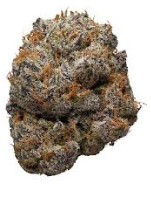
- Conspiracy Kush is dense, tightly packed buds with a vibrant array of colors.
- Conspiracy Kush deep green foliage with hues of purple, inherited from its Obama Kush lineage.
- Bright orange pistils and a thick layer of crystal-like trichomes indicate its potency and resin production.
Aroma:
- Spicy, earthy, and citrusy notes dominate the scent profile.
- Hints of pepper, pine, and herbal undertones.
- A strong skunky fragrance mixed with a subtle sweetness.
Flavor:
- A complex profile featuring spicy hash, citrus zest, and herbal pine.
- Upon inhalation, users of Conspiracy Kush often detect lemon and spice, while the exhale brings a lingering earthy aftertaste.
- Conspiracy Kush is smooth and creamy smoke, making it a pleasant strain for consumption.
Cannabinoid and Terpene Profile
Cannabinoids:
- THC: 18-22%
- CBD: < 1%
- CBG: ~0.5%
- CBC & CBN: Present in trace amounts
Terpenes:
- Myrcene (Herbal, Sedative, Pain-Relief) – The dominant terpene in Conspiracy Kush, contributing to its sedative and relaxing effects.
- Caryophyllene (Spicy, Anti-Inflammatory) – Adds anti-inflammatory and pain-relief properties.
- Limonene (Citrus, Mood-Boosting) – Provides an uplifting element, counteracting some sedative effects.
- Pinene (Pine, Anti-Anxiety) – Offers cognitive clarity and respiratory benefits.
Medical Uses of Conspiracy Kush
Conspiracy Kush has numerous medicinal applications, particularly due to its indica dominance, high THC content, and diverse terpene profile. Patients suffering from chronic conditions often report significant relief from symptoms.
Pain Relief
- Effective in treating chronic pain, arthritis, migraines, and muscle spasms due to its high myrcene and caryophyllene content.
- Reduces nerve pain associated with conditions like fibromyalgia and multiple sclerosis.
- Works as an analgesic, making it a solid choice for post-surgery recovery.
Insomnia and Sleep Disorders
- Due to its strong sedative effects, Conspiracy Kush is a potent choice for those suffering from insomnia.
- Increases slow-wave sleep, essential for restorative rest.
- Helps individuals with irregular sleep cycles and nighttime anxiety.
Anxiety, Stress, and Depression
- Promotes a sense of euphoria and relaxation, which helps alleviate symptoms of generalized anxiety disorder (GAD) and PTSD.
- Limonene contributes to mood elevation and reduces stress-related cortisol levels.
- Helps with social anxiety by providing a calming effect without excessive sedation.
Gastrointestinal Disorders
- Aids in nausea reduction, making it a viable option for chemotherapy patients or those with Crohn’s disease.
- Improves appetite, beneficial for those with cachexia or eating disorders.
- Soothes IBS (Irritable Bowel Syndrome) and GERD symptoms by reducing gut inflammation.
Neurological Disorders
- Shows promise in managing epileptic seizures due to its entourage effect with CBG.
- Helps reduce tics in Tourette’s syndrome and tremors in Parkinson’s disease.
- Provides mild cognitive enhancement for those with ADHD, though heavy doses may be too sedating.
Recreational Uses of Conspiracy Kush
Relaxation and Stress Relief
- Provides a full-body relaxation that melts away tension after a long day.
- Ideal for unwinding in the evening, helping users to disconnect from stress and anxiety.
Social and Creative Activities
- Though indica-dominant, it retains some uplifting effects from Space Queen, making it a suitable strain for socializing in relaxed settings.
- Can enhance creative thinking, particularly in moderate doses.
- Users report enhanced music and film enjoyment, thanks to its sensory-enhancing properties.
Physical Relaxation and Body High
- Produces a strong body high, making it an excellent choice for activities like meditation, yoga, or light stretching.
- Best used in calm, controlled environments, as higher doses can cause couch-lock.
Scientific Insights and Potential Research
Mechanism of Action
- THC binds primarily to CB1 receptors in the brain, resulting in euphoria, sedation, and pain relief.
- Caryophyllene, being the only terpene to act as a CB2 agonist, provides anti-inflammatory benefits.
- Myrcene’s sedative effects enhance THC’s ability to induce deep relaxation and sleep.
Potential Future Research Areas
- Effects on neuroinflammation: Studies on how its terpenes influence conditions like Alzheimer’s disease.
- Synergy with CBD and minor cannabinoids: Examining potential formulations that balance THC’s sedative effects.
- Long-term effects on sleep cycles: Researching its impact on REM sleep.
Dosage Guidelines
Beginners:
- Start with 1-2 small puffs or 2.5mg THC edibles to assess tolerance.
- Wait 30-45 minutes before consuming more.
Moderate Users:
- 5-10mg THC or 3-4 puffs for a well-balanced effect.
Heavy Users:
- Can tolerate 15-25mg THC or 5+ puffs for full-body sedation.
Cultivating Conspiracy Kush successfully requires a scientific approach, optimizing factors like genetics, nutrient delivery, light cycles, and environmental control. Here’s a detailed breakdown of best cultivation practices:
1. Ideal Growing Environment
Indoor vs. Outdoor Cultivation
- Indoor Cultivation (Preferred for Maximum Control)
- Humidity: 40-50% (Veg), 30-40% (Flowering)
- Temperature: 70-80°F (21-27°C)
- Lighting: 18/6 for Veg, 12/12 for Flowering
- Yield: ~14-18 oz/m²
- Outdoor Cultivation (Requires Warm, Dry Climate)
- Optimal Climate: Mediterranean-like conditions
- Harvest Time: Early to Mid-October
- Yield: ~16-20 oz/plant
Soil vs. Hydroponics
- Soil-Based Cultivation:
- Rich, organic soil with proper aeration (Loamy soil mix with perlite and compost).
- pH: 6.0-6.5
- Hydroponic Systems:
- Deep Water Culture (DWC) or Nutrient Film Technique (NFT) work best.
- pH: 5.5-6.0
- Faster growth rate and better cannabinoid production.

2. Lighting Requirements
- Vegetative Stage:
- 18-6 Light Schedule (18 hours of light, 6 hours of darkness).
- LEDs or HPS Lights (300-600W for smaller grows, 1000W+ for larger spaces).
- Flowering Stage:
- 12-12 Light Schedule to trigger bud production.
- Increase light intensity for higher THC production.
- Supplemental UV-B Light:
- Enhances trichome development and increases THC and terpene levels.
3. Nutrient Management
Macronutrients
- Nitrogen (N) – Required for early vegetative growth.
- Phosphorus (P) – Essential for root and bud development.
- Potassium (K) – Improves overall plant resilience and terpene production.
Micronutrients
- Calcium & Magnesium (Cal-Mag) – Prevents nutrient lockout.
- Iron & Zinc – Supports enzymatic processes.
Feeding Schedule
- Vegetative Stage: High Nitrogen (NPK 3-1-2)
- Early Flowering: Balanced (NPK 1-3-2)
- Late Flowering: Low Nitrogen, High Phosphorus/Potassium (NPK 0-5-4)
pH Management:
- Soil: 6.0-6.5
- Hydroponic: 5.5-6.0
4. Training Techniques for Higher Yield
- Low-Stress Training (LST): Increases light penetration and encourages multiple colas.
- Screen of Green (ScrOG): Encourages lateral growth and improves canopy efficiency.
- Defoliation: Removing excess fan leaves for better airflow and light exposure.
- Topping/FIMming: Creates multiple main colas for improved yield.
5. Pests & Disease Management
- Common Pests: Spider mites, thrips, aphids.
- Prevention: Neem oil sprays, predatory insects (ladybugs).
- Mold Prevention: Dehumidifiers, good airflow, and spacing plants properly.
6. Harvesting & Curing
- Harvest Time: When trichomes turn milky white with some amber.
- Drying Process: Hang upside down in a 60°F, 50% RH environment for 7-10 days.
- Curing: Store buds in airtight glass jars, burping daily for 2 weeks to enhance flavor and potency.
By following these scientific cultivation techniques, growers can maximize yield, potency, and terpene preservation in Conspiracy Kush! Let me know if you need more details on any aspect!
1. Ingestion Methods & Bioavailability
Bioavailability refers to how much THC and other cannabinoids reach the bloodstream. Different ingestion methods affect the absorption rate, intensity, and duration of effects.
| Method | Bioavailability (%) | Onset Time | Peak Effects | Total Duration |
|---|---|---|---|---|
| Smoking | 25-30% | 1-5 min | 30-60 min | 2-4 hours |
| Vaporization | 35-50% | 1-5 min | 30-60 min | 2-4 hours |
| Edibles | 4-20% | 30-90 min | 2-4 hours | 6-12 hours |
| Sublingual (Tinctures) | 10-35% | 15-45 min | 1-2 hours | 4-6 hours |
| Topical (Localized Use) | <5% | No psychoactive effects | Varies | Up to 12 hours |
| Suppository (Rectal/Vaginal) | 50-70% | 15-30 min | 1-3 hours | 6-8 hours |
2. Detailed Breakdown of Each Ingestion Method
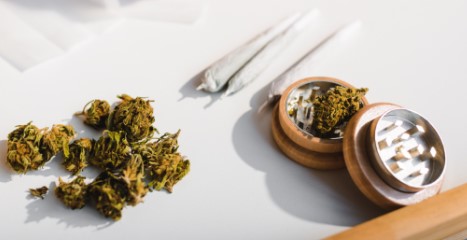
1. Smoking (Combustion)
- Process: Burning cannabis flower and inhaling smoke.
- Absorption: THC enters the bloodstream via the alveoli in the lungs.
- Onset: 1-5 minutes (rapid due to pulmonary absorption).
- Peak Effects: 30-60 minutes.
- Duration: 2-4 hours.
- Pros: Quick onset, easier dose control.
- Cons: Lower bioavailability due to combustion loss, potential lung irritation.
2. Vaporization (Inhalation)
- Process: Heating cannabis flower or concentrate to release cannabinoids without combustion.
- Absorption: Similar to smoking, but with higher efficiency.
- Onset: 1-5 minutes.
- Peak Effects: 30-60 minutes.
- Duration: 2-4 hours.
- Pros: Higher bioavailability (up to 50%), reduced lung irritation, cleaner experience.
- Cons: Requires a vaporizer, possible overheating can degrade cannabinoids.
3. Edibles (Gastrointestinal Absorption)
- Process: THC is processed by the liver, converting Δ9-THC to 11-hydroxy-THC, which is more potent and longer-lasting.
- Absorption: Oral ingestion → Stomach → Liver (first-pass metabolism) → Bloodstream.
- Onset: 30-90 minutes (depends on metabolism and food intake).
- Peak Effects: 2-4 hours.
- Duration: 6-12 hours (longest-lasting effects).
- Pros: Long-lasting, full-body effects, no lung damage.
- Cons: Hard to dose, delayed onset may lead to overconsumption.
4. Sublingual (Tinctures, Sprays, Dissolvable Strips)
- Process: Cannabinoids are absorbed directly into the bloodstream via mucous membranes under the tongue.
- Onset: 15-45 minutes (faster than edibles).
- Peak Effects: 1-2 hours.
- Duration: 4-6 hours.
- Pros: Faster than edibles, precise dosing, avoids first-pass metabolism.
- Cons: Slightly bitter taste, effects still slower than inhalation.
5. Topical (Creams, Lotions, Patches)
- Process: Cannabinoids interact with CB2 receptors in the skin, providing localized relief without psychoactive effects.
- Onset: Varies depending on formulation (15-60 minutes).
- Duration: Up to 12 hours.
- Pros: Ideal for pain relief, inflammation, and skin conditions.
- Cons: No psychoactive effects, lower bioavailability.

6. Suppositories (Rectal & Vaginal Absorption)
- Process: Cannabinoids are absorbed via mucosal membranes, bypassing first-pass metabolism.
- Onset: 15-30 minutes.
- Peak Effects: 1-3 hours.
- Duration: 6-8 hours.
- Pros: Higher bioavailability (50-70%), faster absorption, avoids digestive degradation.
- Cons: Uncommon method, requires careful application.
3. Factors Affecting Onset & Duration
- Metabolism & Body Composition
- Fast metabolism → Quicker onset, shorter duration.
- High body fat → THC stored longer, extended effects.
- Tolerance Levels
- Frequent users require higher doses for the same effects.
- Food Intake
- Empty stomach: Faster onset.
- Full stomach: Slower onset but longer-lasting effects.
- THC & Terpene Synergy (Entourage Effect)
- Terpenes (myrcene, limonene, caryophyllene) can modify absorption rates and alter the effects.
- High myrcene levels increase THC permeability, leading to stronger effects.
4. Best Ingestion Method for Different Uses
| Use Case | Best Ingestion Method | Why? |
|---|---|---|
| Immediate Pain Relief | Vaporization or Smoking | Fast onset |
| Chronic Pain | Edibles or Suppositories | Long-lasting effects |
| Insomnia | Edibles or Tinctures | Extended sedation |
| Anxiety | Sublingual or Low-Dose Vaporization | Controlled onset, mild effects |
| Muscle Spasms | Topicals & Edibles | Local & systemic relief |
| Social Use | Smoking/Vaping | Short-lived effects, easy to manage |
Side Effects and Precautions
Common Side Effects:
- Dry mouth and eyes
- Dizziness (especially in higher doses)
- Increased appetite (may be beneficial or inconvenient)
- Mild paranoia or anxiety (in sensitive individuals)
Precautions:
- Avoid operating machinery or driving.
- Stay hydrated to counteract dry mouth.
- Start with low doses if prone to anxiety.
- Ideal for usage at night or in the evening.
Conclusion
Conspiracy Kush is a powerful indica-dominant hybrid with a range of medical and recreational benefits. Its unique cannabinoid and terpene profile makes it highly effective for pain relief, stress reduction, and sleep support, while still offering mild cerebral stimulation. Whether used for therapeutic relief or relaxation, Conspiracy Kush remains a top choice among cannabis enthusiasts.
Final Recommendation: Ideal for experienced users and patients with chronic conditions, Conspiracy Kush delivers a deeply relaxing and pain-relieving experience that few strains can match.
For a complete directory of cultivars, visit our Cannabis Strain Reviews.
