
Considering Medical Cannabis Supply: Cost, Sustainability, and Scalability
Introduction
Medical cannabis has emerged as a therapeutic agent with the potential to address a wide variety of medical conditions. As global perceptions of cannabis evolve, countries and regions have increasingly adopted regulatory frameworks to allow its cultivation, distribution, and use for strictly medical purposes. While medical cannabis offers significant health benefits, its supply chain faces unique challenges. These include high production costs, environmental sustainability concerns, and the need to scale efficiently to meet growing patient demand.
This analysis explores the supply of medical cannabis exclusively for therapeutic and medical purposes, emphasizing the cost, sustainability, and scalability of its production. Recreational usage and consumption methods will be excluded to maintain focus on medical cannabis’ role in healthcare systems.
1. Medical Cannabis Supply Chain: An Overview
The medical cannabis supply chain is a complex system encompassing cultivation, processing, quality assurance, regulatory compliance, and patient delivery. Unlike recreational markets, medical cannabis must meet rigorous pharmaceutical-grade standards. The demand for consistent potency, purity, and efficacy creates additional logistical and financial challenges for producers.
Key stages in the medical cannabis supply chain include:
- Cultivation: Growing high-quality cannabis in controlled environments, whether indoors, outdoors, or in greenhouses.
- Processing and Extraction: Harvested cannabis undergoes extraction to isolate active compounds, such as THC, CBD, and other cannabinoids, required for medical formulations.
- Testing and Quality Assurance: Laboratory testing ensures compliance with safety, potency, and purity standards.
- Distribution: Medical cannabis products are distributed to authorized dispensaries or directly to patients via prescription systems.
Each stage influences cost, sustainability, and scalability.
2. The Cost of Medical Cannabis Supply
2.1 Production Costs
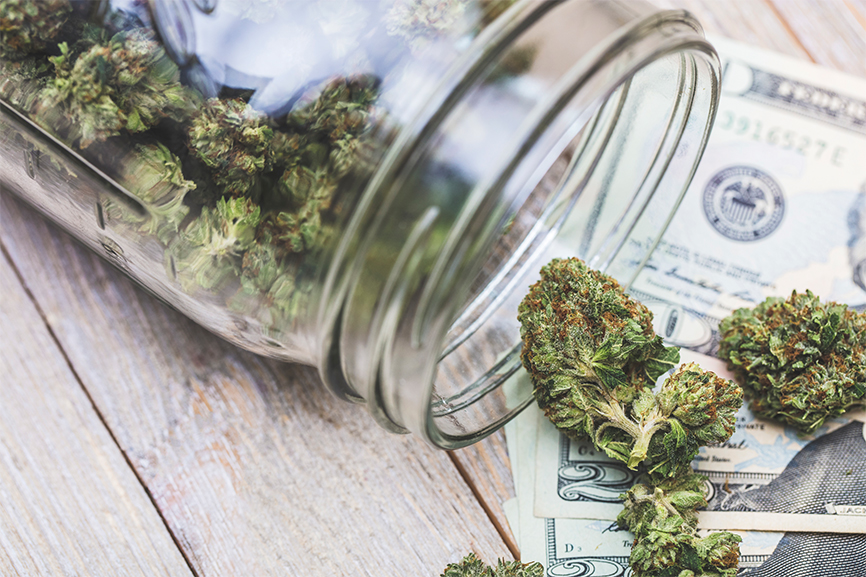
The production cost of medical cannabis is inherently higher than its recreational counterpart due to strict regulations and quality requirements. Factors influencing cost include:
- Cultivation Methods:
- Indoor Cultivation: While indoor facilities allow precise control of temperature, lighting, humidity, and pests, they demand high energy consumption. On average, energy costs account for 30–50% of total production expenses. Additional costs include facility maintenance and HVAC systems to maintain ideal growth conditions.
- Greenhouse Cultivation: Greenhouses offer a balance between indoor and outdoor cultivation, using natural sunlight while maintaining some environmental controls. Although less energy-intensive, they still require infrastructure investment and equipment.
- Outdoor Cultivation: Outdoor cultivation is the most cost-efficient but remains vulnerable to weather variability, pests, and inconsistent yields. Regulatory oversight for medical cannabis often prohibits outdoor growing due to contamination risks.
- Labor and Expertise: Skilled labor is required for planting, harvesting, and processing cannabis to meet medical-grade specifications. Expertise in horticulture and pharmaceuticals drives up wages, contributing significantly to costs.
- Compliance and Certification: The cost of maintaining Good Manufacturing Practices (GMP) and ISO certifications can be substantial. Frequent audits, testing protocols, and regulatory documentation further add financial burdens.
- Processing Costs: Extraction and purification of cannabinoids require advanced technology, such as supercritical CO2 extraction systems. Equipment, solvents, and quality control testing significantly raise operational expenses.
2.2 Testing and Quality Control
Medical cannabis products must comply with stringent quality standards. Testing for heavy metals, pesticides, microbial contamination, and cannabinoid profiles can cost between $100 and $500 per batch, depending on the complexity. Inconsistent batches can lead to product recalls or reprocessing, further inflating expenses.
2.3 Market and Pricing Dynamics
The price of medical cannabis varies widely based on geography, regulatory factors, and production costs. Countries with mature markets, like Canada and parts of Europe, experience lower prices due to economies of scale. However, in emerging markets, regulatory restrictions and limited infrastructure result in higher prices for patients.
2.4 Impact on Patients
High production costs ultimately affect end-users, particularly patients. Many insurance systems do not yet cover medical cannabis, leaving patients to bear out-of-pocket expenses. In countries where access remains challenging, high costs further exacerbate healthcare inequalities.
3. Sustainability in Medical Cannabis Production
Sustainability is a growing concern in the medical cannabis industry, particularly due to environmental impacts associated with cultivation and processing. Key sustainability factors include water usage, energy consumption, waste management, and carbon emissions.
3.1 Environmental Impact of Cultivation
- Water Usage: Cannabis is a water-intensive crop, requiring between 5 to 10 gallons of water per plant per day during peak growth. In regions where water resources are scarce, such as parts of California or Australia, cannabis cultivation places significant stress on local water systems. Drip irrigation systems and water recycling technologies can mitigate water usage but require additional investment.
- Energy Consumption: Indoor cultivation relies heavily on artificial lighting and climate control systems. Studies estimate that producing one kilogram of indoor-grown cannabis can emit between 2,000 to 5,000 kilograms of CO2 equivalent due to energy usage. Transitioning to renewable energy sources, such as solar or wind, can reduce this environmental footprint.
- Soil Health: Outdoor and greenhouse cultivation can degrade soil health through nutrient depletion, pesticide use, and runoff. Sustainable practices, such as crop rotation, organic inputs, and integrated pest management, promote soil conservation.
3.2 Waste Management
Cannabis production generates significant organic and non-organic waste. For medical cannabis, waste can include:
- Plant material not meeting potency or purity requirements.
- Solvents and chemicals used in processing.
- Packaging waste, including single-use plastics and pharmaceutical containers.
Sustainable waste management practices include composting organic waste, recycling packaging, and minimizing hazardous chemical usage during processing.
3.3 Carbon Footprint Reduction
Medical cannabis producers can adopt various strategies to reduce carbon emissions:
- Renewable Energy: Reliance on fossil fuels is decreased by switching to hydroelectric, solar, or wind energy.
- Energy-Efficient Technology: LED lighting and optimized HVAC systems lower energy consumption.
- Sustainable Transportation: Using local suppliers and reducing long-distance shipping minimizes transportation emissions.
3.4 Innovations in Sustainability
Emerging innovations in sustainable cannabis production include vertical farming, closed-loop cultivation systems, and AI-driven monitoring for optimal resource usage. These technologies help producers achieve high yields while reducing environmental impacts.
4. Scalability: Challenges and Opportunities
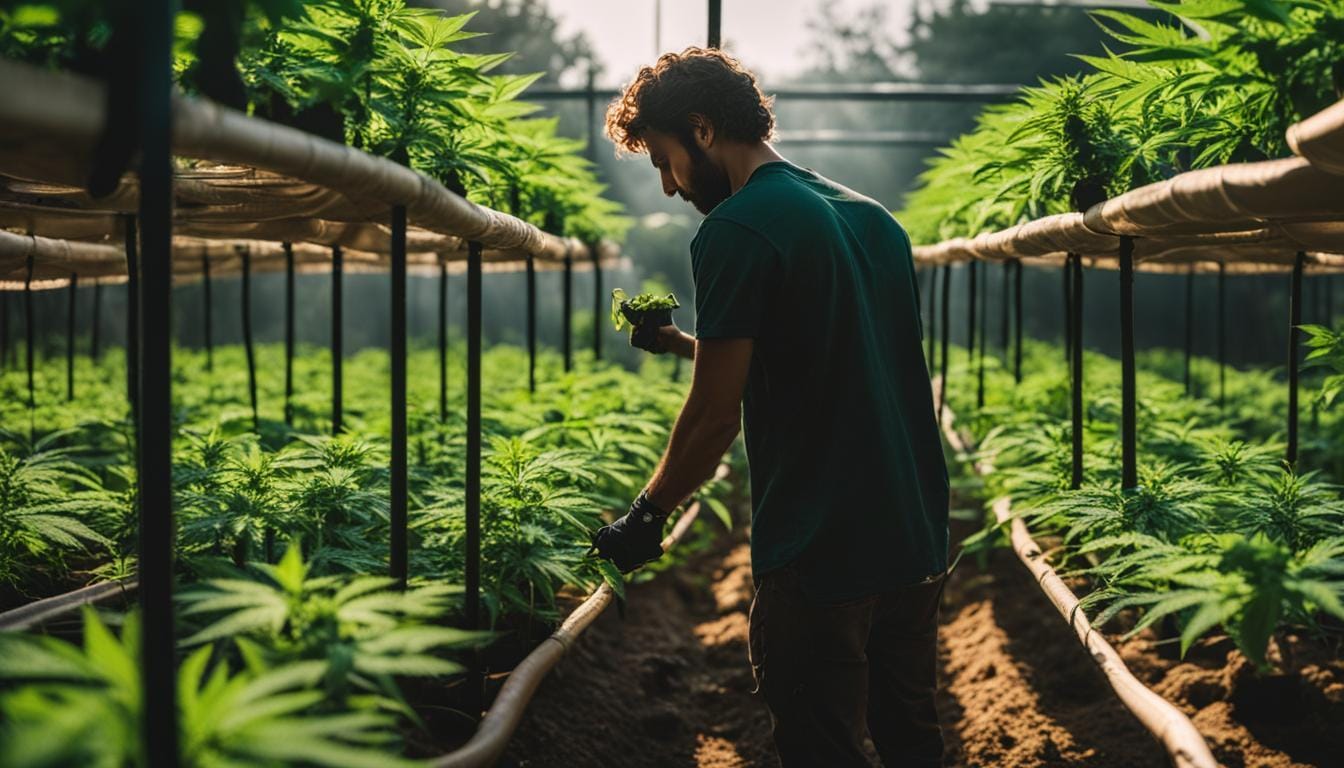
As global demand for medical cannabis increases, scalability becomes crucial. However, scaling medical cannabis production is fraught with regulatory, logistical, and economic challenges.
4.1 Regulatory Barriers
Medical cannabis production must comply with complex, often inconsistent regulations across regions. Key challenges include:
- Licensing and Permits: Obtaining cultivation and production licenses can take months or years, delaying scalability.
- Quality Standards: Medical cannabis must adhere to pharmaceutical-grade standards, which require sophisticated infrastructure and testing protocols.
- Export Restrictions: International trade in medical cannabis is heavily regulated, limiting market expansion opportunities.
4.2 Infrastructure and Technology Requirements
Scaling medical cannabis production requires significant investment in infrastructure and technology, including:
- Facility Expansion: Building larger cultivation and processing facilities to meet growing demand.
- Automation: Integrating automated systems for planting, harvesting, and extraction to improve efficiency and reduce labor costs.
- Research and Development: Investing in R&D to improve plant genetics, increase yields, and optimize cannabinoid content.
4.3 Consistency in Product Quality
Medical cannabis must deliver consistent potency and purity to meet patient needs. Scaling production without compromising quality is a significant challenge. Solutions include:
- Implementing standardized cultivation practices.
- Using advanced testing and analytics to monitor cannabinoid levels.
- Leveraging AI and data analytics to optimize cultivation conditions and predict yields.
4.4 Financial Barriers to Scalability
Scaling medical cannabis production requires substantial capital investment. Producers often struggle to secure financing due to cannabis’ legal ambiguity in some regions. Access to traditional banking and credit remains limited in countries where cannabis laws are evolving.
4.5 Opportunities for Scalability
Despite challenges, the medical cannabis market presents significant opportunities:
- Global Market Expansion: Countries such as Germany, Canada, and Australia are leading the way in medical cannabis adoption, creating export opportunities for producers.
- Technological Innovation: Advanced agricultural and pharmaceutical technologies, such as tissue culture propagation and nanoemulsification, enable higher yields and product consistency.
- Public-Private Partnerships: Collaboration between governments, research institutions, and private enterprises can drive scalability and innovation.
5. Economic and Social Impact of Scaling Medical Cannabis
Scaling medical cannabis supply has broader economic and social implications:
5.1 Economic Benefits
- Job Creation: Scaling production generates employment opportunities across cultivation, processing, testing, and distribution sectors.
- Revenue Generation: Taxes and licensing fees from medical cannabis can provide significant revenue for governments to fund healthcare and infrastructure.
- Boosting Agriculture and Pharmaceuticals: Medical cannabis bridges the gap between agriculture and pharmaceutical industries, driving innovation in both sectors.
5.2 Improving Patient Access
Scaling medical cannabis production can lower costs through economies of scale, making treatments more affordable for patients. Expanded production also improves accessibility for underserved populations.
5.3 Addressing Healthcare Inequities
For patients with conditions such as chronic pain, epilepsy, and multiple sclerosis, medical cannabis offers a viable alternative to traditional pharmaceuticals. Scaling supply ensures more patients benefit from these therapies, reducing healthcare disparities.
6. The Future of Medical Cannabis Supply
The future of medical cannabis supply will be shaped by advancements in technology, sustainability efforts, and regulatory reforms. Key trends include:
- Precision Agriculture: Leveraging AI, IoT, and robotics to optimize cultivation and resource usage.
- Biotechnology: Enhancing plant genetics to produce high-yield, disease-resistant strains.
- Global Harmonization of Regulations: Establishing international standards for medical cannabis production and trade.
- Sustainable Practices: Increasing adoption of eco-friendly cultivation methods to minimize environmental impacts.
Restrictions on Using Cannabis in the Medical Field and as a Last Resort
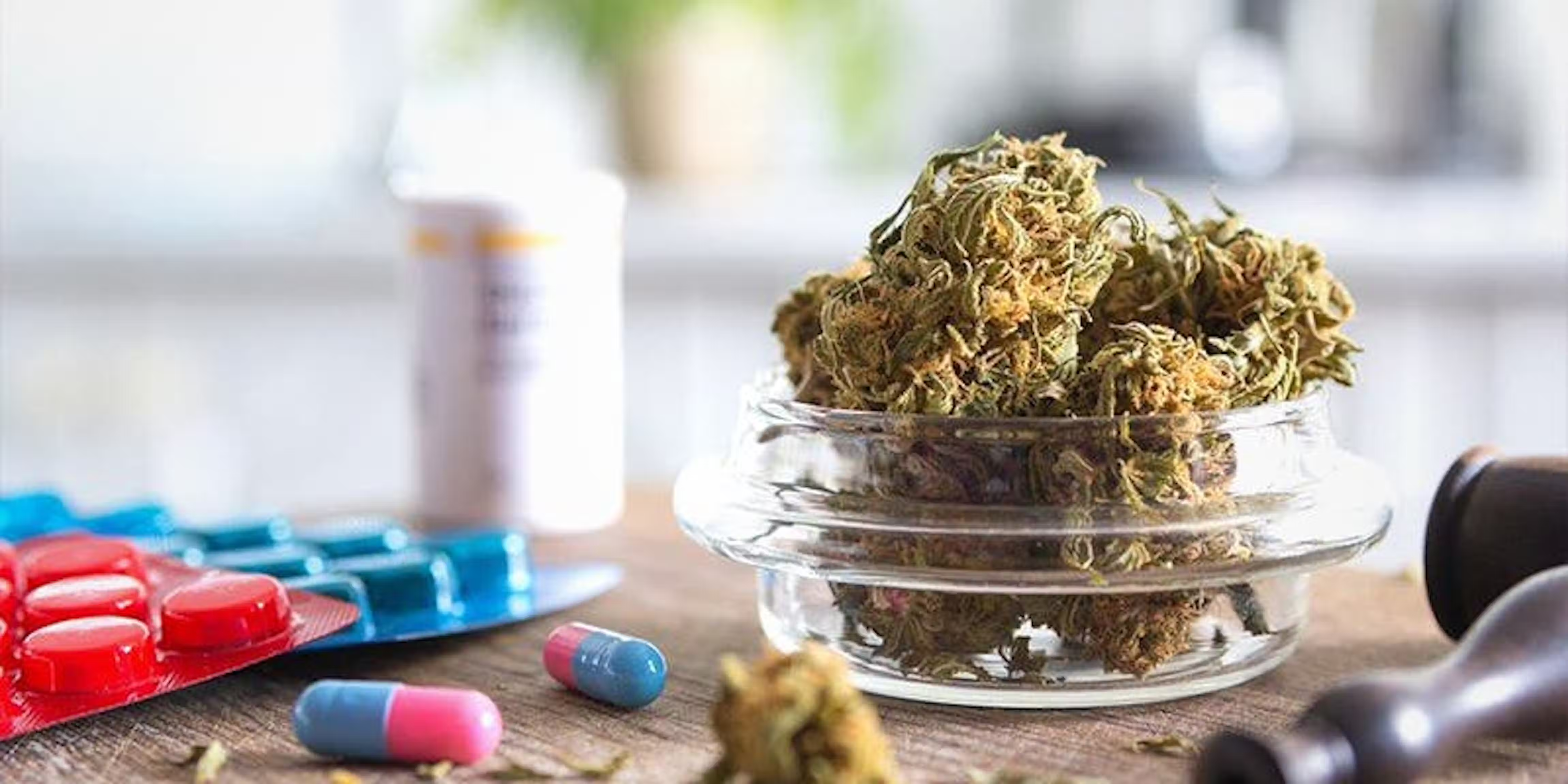
The integration of cannabis into the medical field has been met with both enthusiasm and caution. While medical cannabis has demonstrated its efficacy in treating various conditions such as chronic pain, epilepsy, and multiple sclerosis, strict restrictions are necessary to ensure its safe and appropriate use. One critical guideline is its application only within the medical field and exclusively as a last resort, ensuring that all other conventional treatments have been exhausted. Another key consideration is monitoring THC levels in medications to minimize psychoactive effects, thereby prioritizing patient safety and therapeutic benefit.
Cannabis as a Last Resort in Medical Treatment
Medical cannabis should not serve as a primary treatment but rather a last-resort option when traditional therapies prove ineffective or unsuitable. This restriction helps preserve the integrity of medical practice and prevents unnecessary overreliance on cannabis-based treatments.
- Exhausting Standard Treatments:
Before prescribing medical cannabis, healthcare professionals must ensure that conventional treatments, such as pharmaceutical medications, physical therapy, and lifestyle changes, have been thoroughly explored. Medical cannabis should only be considered for patients who do not respond to traditional therapies or for whom these treatments cause intolerable side effects.- Example: For patients suffering from chronic neuropathic pain, opioids, antidepressants, and anticonvulsants are typically prescribed as first-line treatments. If these fail or cause significant side effects, medical cannabis may be introduced under strict medical supervision.
- Ensuring Medical Justification:
Healthcare providers must document detailed medical histories, symptoms, and responses to previous treatments to justify the use of medical cannabis. Regulatory bodies and medical institutions should require physicians to demonstrate the medical necessity for cannabis therapy before approval. - Reducing Overprescription Risks:
Designating cannabis as a last resort prevents its overprescription and potential misuse. This approach also encourages continuous research and investment in alternative, non-psychoactive medications.
Restricting medical cannabis as a treatment of last resort reflects a balanced, evidence-based approach. It ensures that patients benefit from cannabis therapy only when necessary, avoiding unnecessary exposure to its risks.
Monitoring THC Levels to Prevent Psychoactive Effects
One of the primary concerns regarding medical cannabis is the presence of tetrahydrocannabinol (THC), the psychoactive compound responsible for the “high” associated with cannabis. In medical treatments, controlling and monitoring THC levels is essential to prevent adverse psychoactive effects while still delivering therapeutic benefits.
- Standardizing THC Concentrations:
Regulatory authorities should set strict limits on the THC content in medical cannabis products. Medications with high THC concentrations can induce side effects such as dizziness, impaired cognition, paranoia, and euphoria, which can hinder daily activities, particularly for vulnerable populations like children, elderly patients, and individuals with psychiatric conditions.- Example: Medical cannabis formulations may be capped at low THC levels, such as <0.3–1% THC, while prioritizing higher concentrations of non-psychoactive cannabinoids like CBD (cannabidiol).
- Prioritizing Non-Psychoactive Cannabinoids:
Cannabidiol (CBD), a non-psychoactive cannabinoid, offers significant therapeutic potential without causing intoxication. For conditions such as epilepsy, inflammation, and anxiety, high-CBD, low-THC formulations provide symptom relief without impairing mental or physical function.- Case Study: The FDA-approved drug Epidiolex, derived from CBD, effectively treats severe epilepsy syndromes like Dravet syndrome and Lennox-Gastaut syndrome. Its controlled formulation ensures negligible THC content, eliminating psychoactive risks.
- Tailoring Dosages to Individual Needs:
Accurate dosing plays a critical role in mitigating THC’s psychoactive effects. Healthcare professionals must tailor medical cannabis dosages to each patient, starting with the lowest effective amount. Pharmacological tools and advanced testing methods can help determine the optimal THC-to-CBD ratio for individual conditions. - Mandatory Testing and Quality Control:
Every batch of medical cannabis must undergo rigorous testing to measure cannabinoid concentrations, particularly THC levels. Laboratories should provide detailed certificates of analysis (COAs) verifying compliance with established limits. Patients and healthcare providers can then access reliable, standardized products. - Education and Monitoring:
Patients prescribed medical cannabis must receive education on potential side effects and psychoactive risks associated with THC. Regular monitoring by healthcare professionals is essential to evaluate treatment efficacy and address any adverse effects promptly.
Patient Safety and Clinical Efficacy
The goal of these restrictions—using cannabis only as a last resort and controlling THC levels—is to prioritize patient safety and maintain clinical efficacy. Medical cannabis has demonstrated its value for patients unresponsive to standard treatments, but without proper regulation, it carries risks of misuse, adverse effects, and diminished therapeutic credibility.
By emphasizing non-psychoactive cannabinoids, strict dosing, and comprehensive monitoring, medical cannabis can deliver symptom relief while upholding safety standards. Healthcare systems, regulatory bodies, and medical professionals must work together to establish evidence-based protocols, ensuring cannabis is used responsibly and exclusively within the medical framework.
Conclusion
The integration of medical cannabis into healthcare systems brings significant opportunities and challenges, requiring a highly regulated and responsible approach. By focusing exclusively on medical use and implementing strict protocols, cannabis can provide therapeutic benefits to patients who have exhausted conventional treatment options. Ensuring that medical cannabis serves as a last-resort therapy safeguards its use, reducing risks of overprescription or misuse while maintaining its role as a legitimate medical treatment.
Central to this responsible implementation is the monitoring of THC levels in medical cannabis products. THC, the psychoactive compound in cannabis, must be carefully controlled to prevent cognitive and psychological side effects in patients. Emphasizing non-psychoactive cannabinoids like CBD allows healthcare professionals to maximize therapeutic outcomes without compromising patient safety. Strict dosing, standardization of formulations, and mandatory laboratory testing ensure that medical cannabis meets pharmaceutical-grade standards, providing consistency and reliability to patients and practitioners.
Furthermore, cost, sustainability, and scalability remain critical considerations in medical cannabis production. High production costs, driven by energy-intensive cultivation and rigorous quality assurance, often burden both producers and patients. Addressing sustainability concerns, such as water consumption, energy usage, and carbon emissions, is essential to minimize environmental impacts and create a viable long-term supply chain. Innovations in technology, such as renewable energy, precision agriculture, and AI-driven monitoring, present solutions to improve efficiency and sustainability in cannabis production.
Ultimately, achieving a balance between cost-effectiveness, environmental responsibility, and patient safety will define the success of medical cannabis as a healthcare solution. By enforcing restrictions, monitoring THC content, and positioning cannabis as a last-resort treatment, healthcare systems can harness its therapeutic potential responsibly. For medical cannabis to continue to be a safe, efficient, and long-lasting choice for people in need, cooperation between governments, regulatory agencies, and growers is essential.
